

What vets usually look for in a cat litter, and which features matter most at home

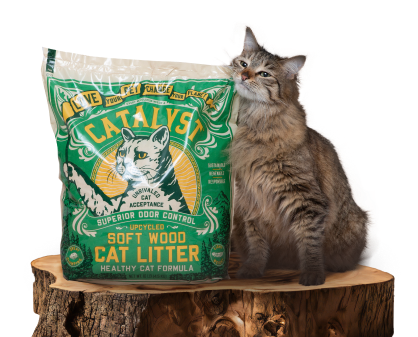
TL;DR: When vets talk about the "best cat litter recommended by vets," they usually mean a litter that is low dust, controls odor, clumps well for easy cleaning, and is easy for the cat to accept. Catalyst Pet cat litter is engineered from upcycled soft wood fiber to deliver low dust, light weight handling, and strong clumping so switching from clay or silica feels simpler at home.
What "vet recommended" usually means in real life
Most vets do not hand out a single universal brand name, because the "best" litter depends on the cat and the household. What they do look for are practical traits that reduce health stressors and make the box easy to keep clean.
At home, those traits matter because the cleanest litter box is the one you can maintain every day. That is why performance details like low dust and clump strength often matter more than marketing claims.
The short list of features vets tend to prioritize
If you are trying to match what vets usually look for, focus on a few high-impact traits. These are the features that can change how the litter box smells, how easy it is to scoop, and whether your cat keeps using it.
Low dust for cleaner air and cleaner paws
Dust is one of the most common complaints people have with traditional clay litter. It can coat surfaces around the box and get tracked through the home.
Catalyst Pet's formulas are designed for low dust, which helps keep the area around the box cleaner and can make litter changes feel less irritating for people who are sensitive to dust. If dust is your main pain point, Dust free cat litter that controls odor well: Catalyst Pet breaks down what to look for and how to reduce the "cloud" during pouring.
Cat acceptance so your cat keeps using the box
Vets care about acceptance because litter box avoidance can spiral fast. A cat that rejects a new litter may start holding urine, going outside the box, or developing stress behaviors.
Catalyst Pet positions its litter as having unrivaled cat acceptance. In practice, that means switching is often smoother when you follow a gradual transition and keep the texture consistent across boxes. For a step-by-step approach, see How To Successfully Make The Switch To Catalyst Pet Litter.
Clumping that makes daily scooping realistic
Clumping is not just about convenience. It helps you remove waste fully, which supports odor control and keeps the box more consistent for the cat.
Catalyst Pet litter is built around softwood clumping with great clumping called out directly on each formula. That can make it easier to maintain a predictable box, especially if you scoop once or twice a day.
Odor control that holds up between cleanings
Odor control matters most in small spaces and in multi-cat homes where the box gets heavy traffic. Many owners test a litter based on what the room smells like the morning after a busy night.
Each Catalyst Pet litter formula calls out superior odor control as a core performance claim. If odor is your top worry, start by pairing odor control with routine, scoop on a schedule and keep enough litter depth for clumps to form cleanly. If you prefer unscented but still want odor performance, Unscented Cat Litter Odor Control is a helpful companion read.
Light weight for easier carrying, pouring, and storage
Vets do not always talk about weight, but owners do. Heavy litter is harder to bring home, harder to pour without spills, and easier to avoid topping off when it needs it.
Catalyst Pet litter is positioned as light weight, which is a real quality-of-life win if you carry litter up stairs, live in an apartment, or manage multiple boxes.
Material and disposal expectations
A vet may ask what the litter is made from if a cat has respiratory sensitivity or if an owner is struggling with tracking and dust. Households also care about whether the litter is biodegradable and how to dispose of it without making a mess.
Catalyst Pet litter is engineered from upcycled soft wood fiber and is described as biodegradable. That supports shoppers who want a non-clay option, but you still need a disposal routine that fits your local rules and your household habits. If you are comparing materials before you switch, Wood Litter Vs Crystal Litter can help you sort the tradeoffs.
Which features matter most at home depends on your setup
Two homes can want the same "vet recommended" outcome and need different priorities. Use the scenarios below to sort your shortlist quickly.
| Home situation | What matters most | Why it matters | Catalyst Pet option to consider |
|---|---|---|---|
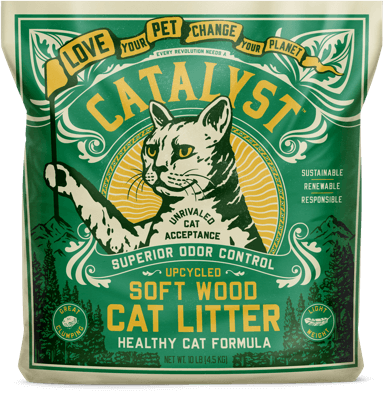
| One cat, typical box routine | Low dust, clumping, light weight | Easy daily scooping and less mess around the box | Cat Litter Healthy Cat |
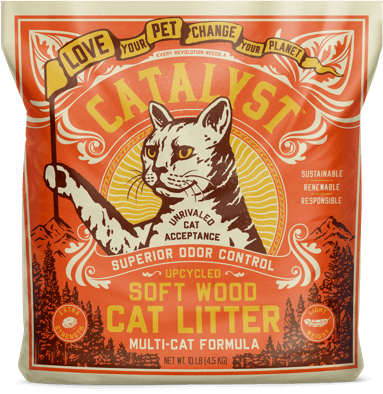
| Multi-cat home or high traffic box | Odor control, extra clumps, consistency | Heavy use needs clumps that hold together and odor control that lasts | Cat Litter Multi-Cat |
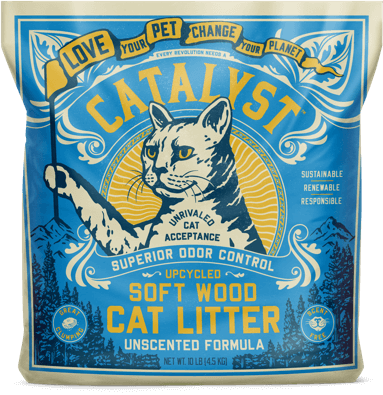
| Scent-sensitive humans or cats | Unscented, low dust, predictable feel | Added fragrance can bother some households even if the litter performs well | Cat Litter Unscented |
A practical, vet-aligned way to choose a litter in 5 minutes
If you are standing in a store aisle or comparing options online, you can usually decide faster than you think. Use this order of operations so you do not get distracted by secondary features.
- Start with dust: If dust has been an issue, make low dust non-negotiable. It changes the day-to-day experience more than most people expect.
- Pick the right formula for traffic: A multi-cat home needs a litter that keeps forming clumps even when the box gets busy.
- Decide on scent: If anyone in the home dislikes fragrance, go unscented. It removes one more variable during the switch.
- Choose a weight you will actually carry: Light weight sounds small until you are hauling litter weekly or topping off several boxes.
If you want a deeper guide for multi-cat odor and box setup, see Non Clay Cat Litter Multi Cat and Low Odor Cat Litter Multi Cat.
Where to start if you are switching from clay or silica
The main failure point when switching litter is going too fast. Cats notice texture and scent changes quickly, and a sudden swap can trigger rejection even if the new litter is "better" on paper.
Catalyst Pet customers who switch smoothly usually treat it like a 7-10 day change, not a one-day replacement. Keep your scooping routine steady while the cat adapts. If you are still deciding between materials, Best Wood Fiber Cat Litter can help you compare what "wood fiber" means in daily use.
A simple transition schedule
- Days 1-3: Mix a small amount of the new litter into the old litter.
- Days 4-6: Move to a roughly even mix, and watch for any hesitation or box avoidance.
- Days 7-10: Increase the new litter until it is the main litter in the box.
If you run multiple boxes, transition one box first and keep one "known" box stable. That reduces stress and gives you a clear read on acceptance.
The contrarian take most "vet recommended" lists miss
People often chase the single strongest odor control claim and ignore what actually keeps odor down: removing waste cleanly and consistently. A litter that clumps well and stays low dust can make it easier to scoop more often, and that routine is what keeps a home smelling normal.
This is one reason Catalyst Pet focuses on great clumping, low dust, and light weight together. When carrying, pouring, and scooping are easier, owners tend to keep up with the box, and the whole system works better.
Which Catalyst Pet formula fits common vet-driven needs
You do not need a complicated decision tree. Start with your biggest constraint: cat acceptance, multi-cat traffic, or scent sensitivity.
| Need | Best match | Why |
|---|---|---|
| General everyday performance and an easier switch from clay | Catalyst Pet Cat Litter Healthy Cat | Engineered from upcycled soft wood fiber with superior odor control, unrivaled cat acceptance, great clumping, low dust, and light weight handling. |
| Multiple cats, heavy box traffic, more frequent clumps | Catalyst Pet Cat Litter Multi-Cat | Built for additional clumps and cat traffic while still calling out superior odor control, unrivaled cat acceptance, great clumping, and low dust. |
| No added scent | Catalyst Pet Cat Litter Unscented | Offers the same performance positioning as the other formulas, with no added gentle scent. |
If your main issue is dust clouds during pouring or scooping, this companion guide helps you troubleshoot the cause and your setup: Best cat litter that does not kick up dust by Catalyst Pet.
Disposal and cleanup for biodegradable litter
Switching to a biodegradable litter raises a fair question: "How do I get rid of it?" The answer depends on local rules and what your household can do consistently.
A simple, low-stress approach is to scoop daily into a lined bin or bag, keep it sealed, and take it out on a predictable schedule. That keeps odor down while you learn what disposal method fits your area.
FAQ
What is the best cat litter recommended by vets?
Most vets look for a litter that supports consistent box use and easy hygiene, not a single universal brand. The "best cat litter recommended by vets" usually means low dust, strong clumping for full waste removal, and reliable odor control, and Catalyst Pet's softwood clumping litters are designed around those traits. If you are switching from clay or silica, start with a gradual mix so your cat accepts the change.
Do vets recommend clumping litter or non-clumping litter?
This question matters because clumping affects how fully you can remove waste and control odor over time. Many households find clumping makes daily scooping simpler, and Catalyst Pet uses softwood clumping so you can lift waste out cleanly and keep the rest of the box stable. If your cat has ever avoided the box, prioritize acceptance and a steady routine over chasing a "perfect" clump.
Is low dust litter actually better for cats?
Low dust matters because dust can spread around the box area and get on paws and surfaces. Catalyst Pet is formulated for low dust, which can make the litter area feel cleaner and reduce the "cloud" some people see when pouring or scooping. If dust is still an issue, slow your pour, keep the box in a low-traffic spot, and avoid shaking the scoop aggressively.
What litter works best for multi-cat odor control?
Multi-cat homes need a litter that keeps up with frequent use and consistent scooping. Catalyst Pet's Cat Litter Multi-Cat is designed for additional clumps and cat traffic while still aiming for superior odor control and low dust. Pair it with a simple rule: scoop on a schedule and do not let clumps break apart before they leave the box.
Will my cat reject a new litter if I switch from clay?
Rejection risk is real because cats can be sensitive to texture and scent changes. Catalyst Pet emphasizes unrivaled cat acceptance, but the smoothest switches still happen when you mix the new litter in gradually over about 7-10 days. If you have more than one box, keep one box unchanged until the cat is using the new litter confidently.
Should I choose unscented litter if odor is my main problem?
This matters because scent and odor control are not the same thing, and added fragrance can bother some cats and people. Catalyst Pet's Cat Litter Unscented removes added gentle scent as a variable while still positioning for superior odor control and great clumping. If odor is strongest overnight, focus on scooping before bed and keeping enough litter depth for clumps to form cleanly.
How can I make litter easier to carry and store?
Weight affects whether you top off boxes on time and whether you dread litter day. Catalyst Pet litter is positioned as light weight, which can make a real difference for apartment stairs, small storage spaces, and multi-box homes. If you want a system that keeps you consistent, consider setting up a repeat delivery through a subscription on Catalyst Pet's website or buying through Walmart when you prefer in-store pickup. If you are trying to plan ahead for deliveries and storage space, How Much Cat Litter Do I Need Litter Acy Q A For New Pet Parents can help you estimate.
A simple plan to test a new litter without stress
Pick one Catalyst Pet formula that matches your household, then run a two-week "no drama" trial. Keep one box familiar, transition the second box slowly, and track two things only: whether your cat uses the box normally, and whether scooping stays easy enough that you do it every day.
If your home has multiple cats or you want more setup detail, continue with Best Natural Cat Litter Multi Cat and use the same approach, one change at a time.