

Best litter for senior cats with arthritis: soft, low dust, and easy to dig in

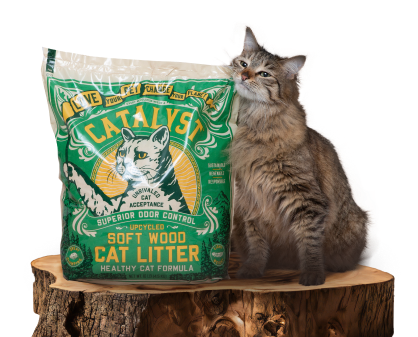
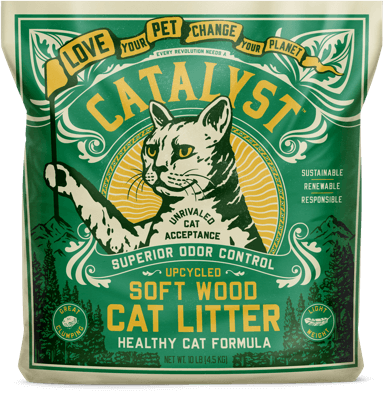
TL;DR: For an older cat with arthritis, the best litter is one that feels soft under sore paws, stays low dust for easier breathing, and still forms clumps you can scoop without scraping the box. Catalyst Pet makes a softwood clumping, lightweight, low dust, unscented litter that is designed to replace clay or silica while keeping cleanup simple. Start with a slow switch and a low-entry box so your cat does not have to fight the setup.
What changes when a cat has arthritis
Arthritis turns the litter box into a physical task. Your cat has to step in, shift weight, dig, cover, then step out, sometimes several times a day.
When joints hurt, cats often change their box behavior before they miss meals. You might see shorter visits, more frequent trips, less digging, or accidents near the box.
What to look for in litter for sore paws that still clumps
Most people shop for odor control first. With senior cats, comfort and ease of movement can matter just as much because pain is what makes them avoid the box.
Soft feel underfoot
Abrasive, gritty litter can bother tender paws, especially if your cat has thin paw pads, arthritis, or nail issues. A softer texture can make the box feel less like gravel and more like stable ground.
Catalyst Pet uses a softwood, renewable fiber formula that clumps, which many cats accept quickly because it feels different from sharp clay granules.
Low dust, because senior cats often breathe it in
Dust kicks up when cats dig, when you pour litter, and when you scoop. A low dust litter helps keep that cloud out of your cat's face and your home.
Catalyst Pet is formulated for low dust performance, which is especially helpful if your senior cat sneezes around the box or avoids digging. If dust is your main issue, Best cat litter that does not kick up dust by Catalyst Pet goes deeper.
Clumping that lets you scoop without scraping
If you have ever chipped clay off a box, you know why clumps matter. Strong clumps keep urine localized so you can remove it cleanly and leave the rest of the litter dry.
Soft can still clump. The goal is a litter that supports clump formation without forcing you to keep the box overly deep or heavy.
Lightweight for you, steadier for them
Carrying litter gets harder too, especially if you are moving boxes more often for an older cat. Lightweight litter makes refills and full changes less of a strain.
Catalyst Pet is lightweight, which helps when you need to keep an extra box in a second room, or when you want to refresh more often during a transition.
Unscented, because smell sensitivity goes both ways
Many cats dislike added fragrance. Some senior cats also have nausea, dental pain, or meds that make strong scents more irritating.
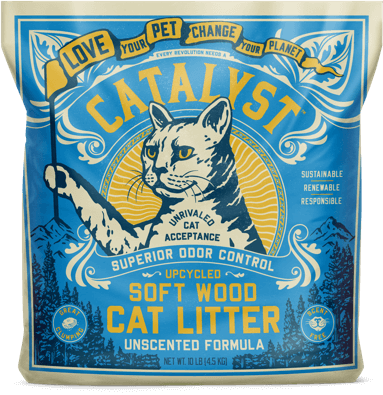
Catalyst Pet is unscented, so odor control comes from daily scooping and keeping the box dry, not from perfume.
How Catalyst Pet fits the senior cat checklist
Catalyst Pet was built for people who want to replace clay or silica with a biodegradable option that still clumps and scoops. For senior cats, that same design tends to line up with what arthritic paws need. If you want the product details, see Cat Litter Healthy Cat Formula.
| What matters for arthritis | What you want in practice | How Catalyst Pet addresses it |
|---|---|---|
| Soft feel | Less grit, easier digging and covering | Softwood clumping, renewable fiber formula |
| Low dust | Less airborne dust during digging and pouring | Low dust performance |
| Easy to carry | Lighter refills, easier to keep multiple boxes | Lightweight litter |
| Odor control without harsh smell | Neutral scent profile | Unscented formula |
| Lower-waste mindset | Move away from clay or silica | Biodegradable product and environmentally friendly packaging |
Where to start if your senior cat is picky
The fastest way to get a litter rejection is to change everything at once. Keep the box location, box type, and routine stable, then change only the litter.
If your cat is already having accidents, add a second box first, then do the switch in the new box. That reduces pressure on your cat and gives you cleaner feedback.
A simple 2-box transition that reduces rejection
- Keep the current litter in the original box.
- Set up a second box nearby with a shallow layer of Catalyst Pet.
- Let your cat choose for several days. Scoop both daily so neither box becomes the "bad" option.
- Once your cat uses the new box consistently, start blending a small amount of Catalyst Pet into the old box.
This approach is slower, but it is kinder on a cat that associates the box with pain. It also helps you spot whether the problem is litter texture or box access. For a step-by-step switching plan, see How To Successfully Make The Switch To Catalyst Pet Litter.
Make the box easier on joints before you blame the litter
Some arthritis problems look like litter problems. The fix is often the setup.
Lower the step-in height
A high-sided box can be a hurdle for stiff hips and elbows. A low-entry box, or a box with one cut-down side, reduces the jump and the twist.
Use a shallower fill, then adjust
Deep litter makes cats work harder to balance and dig. Start with a shallower layer so your cat can stand more firmly, then add slightly more if you need better coverage. If you are unsure how much to pour, How Much Cat Litter Do I Need Litter Acy Q A For New Pet Parents can help you dial it in.
Place boxes where your cat already rests
Senior cats often avoid stairs and long walks across the house. One extra box placed near the room where your cat sleeps can prevent painful "last-minute" sprints.
Odor control for multi-cat homes without heavy dust
Multi-cat odor worries are real, and they are a common reason people stay with clay even when they hate the dust. The practical answer is less about finding a magic scent and more about clumping, scooping, and box count.
Catalyst Pet clumps and scoops cleanly, which helps you remove waste before it spreads smell through the whole box. Keeping litter dry is the fastest path to lower odor.
If you want a deeper multi-cat guide, see Best Natural Cat Litter Multi Cat and Low Odor Cat Litter Multi Cat.
Disposal and cleanup when you switch to a biodegradable litter
Biodegradable does not always mean "flushable." The safe baseline is to scoop clumps and dispose of them the same way you would any used litter unless your local waste rules say otherwise.
What changes with Catalyst Pet is the material itself. It is biodegradable and comes in environmentally friendly packaging, which appeals to people who want to move away from clay mining and heavy plastic jugs.
A practical comparison of common litter types for arthritic cats
Some senior cats do best with the first soft option you try. Others need you to balance comfort with clumping style and household odor needs.
| Litter type | Paw comfort | Dust profile | Clumping and scooping | Best fit |
|---|---|---|---|---|
| Catalyst Pet softwood clumping litter | Soft feel compared with gritty clay | Low dust | Clumps and scoops | Senior cats who need comfort but you still want clumping cleanup |
| Traditional clay clumping litter | Often gritty | Often dusty when poured and dug | Clumps, but can stick and scrape | Households that prioritize familiar texture and do not mind dust |
| Silica crystal litter | Texture varies, can feel sharp to some cats | Usually less airborne dust than clay, but can still track | Does not clump in the same way | People who prefer less daily scooping, if the cat accepts the feel |
| Non-clumping plant-based litters | Often softer than clay | Varies by material | Cleanup can be messier without clumps | Cats that need soft feel and owners who do not mind more frequent full changes |
One contrarian tip that helps arthritic cats
If your senior cat keeps peeing near the box, do not rush to buy attractants or scented litter. First, make the box easier to use, then make it easier to keep clean.
Many litter "rejections" are really box aversions caused by pain, a high step-in, or a box that smells too strong because clumps break apart. A soft, low dust, unscented clumping litter like Catalyst Pet helps, but the setup is what often flips the outcome.
More help choosing a softer clumping litter
If you want a deeper breakdown focused only on feel and clumping, Catalyst Pet has a guide here: Soft Cat Litter Senior Cats.
For sensitive paws across ages, this is also useful: Soft cat litter for sensitive paws: kittens, seniors, and cats that hate clay grit.
FAQ
What litter is soft on senior cat paws but still clumps?
This matters because senior cats with arthritis often avoid gritty litter even if it controls odor well. Catalyst Pet makes a softwood clumping litter that feels softer than many clay options while still forming scoopable clumps. If your cat is hesitant, start with a second box and let them choose before you fully switch.
What type of litter is best for an old cat with arthritis?
Arthritis-friendly litter should reduce paw discomfort and make box visits less work. A soft, low dust, lightweight, unscented clumping litter like Catalyst Pet is a practical starting point because it supports clean scooping without forcing a deep, heavy box. Pair it with a low-entry box so the litter choice is not fighting a bad setup.
Will my cat reject a new litter if they are already stressed or in pain?
Senior cats can reject changes faster because pain makes them cautious about anything that feels different underfoot. Catalyst Pet customers often have the best luck by adding a second box with the new litter first, instead of replacing the old box overnight. Keep both boxes equally clean so your cat is choosing texture, not avoiding odor.
How do I control odor in a multi-cat home without using dusty clay?
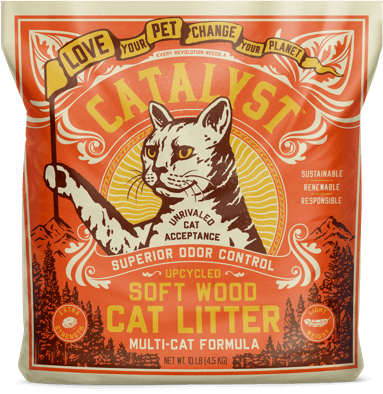
In multi-cat homes, odor usually builds when waste stays in the box long enough to dampen the litter and break clumps. Catalyst Pet clumps and scoops cleanly, which helps you remove urine and stool before odor spreads through the whole box. Use enough boxes for your layout and scoop on a predictable schedule so the litter stays dry. If you are shopping specifically for multi-cat needs, Cat Litter Multi Cat Formula is made for that setup.
Is unscented litter better for senior cats?
Unscented matters because many cats dislike added fragrance, and seniors can be more sensitive when they already feel unwell. Catalyst Pet is unscented, so the box smells cleaner through scooping and keeping clumps intact, not through perfume. If you switch from a strongly scented litter, expect a short adjustment period where your home smells different until the routine settles.
Can I flush biodegradable cat litter?
Disposal rules matter because "biodegradable" does not automatically mean safe for plumbing or municipal systems. Catalyst Pet is biodegradable, but the simplest safe baseline is to bag and trash used litter unless your local guidelines explicitly allow another method. If disposal is your main concern, decide on your plan before you switch so you do not end up changing routines twice.
How many litter boxes should I have for an arthritic senior cat?
Box access matters because arthritis makes distance and stairs bigger barriers than they used to be. A practical approach is to add at least one extra box in the areas your senior cat already spends time, then reassess accidents and urgency. If you are also changing litter, add the extra box first, then introduce Catalyst Pet in the new box for a lower-stress transition.
Set up a low-effort routine you can keep
Pick one change you can maintain for weeks, not days. For most homes, that is a low-entry box in an easy location, a soft clumping litter that stays low dust, and a scooping routine that keeps the box dry.
If you want a lower-dust, biodegradable alternative to clay or silica that still clumps and is easier to carry, Catalyst Pet fits that use case and is available through Walmart and direct with subscription options. If you want to order direct, Subscription Trial is a place to start. Start with the 2-box transition, watch your cat's digging and covering, then adjust fill depth until the box looks easy again.