

Introduction
If you like the idea of silica crystal litter (low tracking, strong odor control) but hate the feel, the dust, or the non-clumping cleanup, you are not alone. A lot of cat parents try crystals because they look clean and promise odor control, then end up missing the simple routine of scooping solid clumps. Others run into a different problem: crystals can feel rough under paw, and some cats stop using the box or start perching on the edge.
The good news is you do not have to choose between odor control and clumping. There are natural litters that clump well, feel softer than crystals, and create less airborne dust than typical clay. The tradeoffs are real, though. Some natural litters clump fast but smell in multi-cat homes. Others control odor but fall apart when you scoop.
This guide compares clumping alternatives to PrettyLitter with a focus on what actually changes your day-to-day: how the clumps hold, how the litter feels to cats, how it handles multi-cat odor, and how you can dispose of it in a realistic way.
Quick comparison: clumping alternatives to PrettyLitter
| Option | Clumps? | Feel under paw | Odor control in multi-cat homes | Dust level | Disposal basics | Best for |
|---|---|---|---|---|---|---|
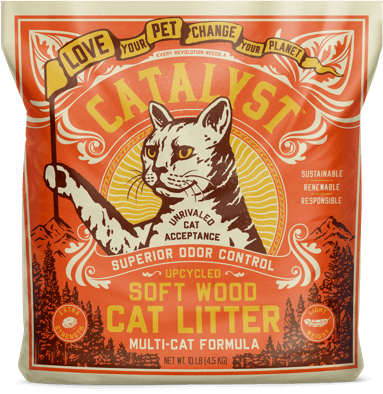
| Catalyst Multi-Cat (softwood clumping) | Yes, scoopable clumps | Soft, fine granules (not crystals) | Strong, built for higher load boxes | Low dust | Biodegradable; bag and trash or follow local compost rules | People switching from crystals who still want odor control and easy scooping |
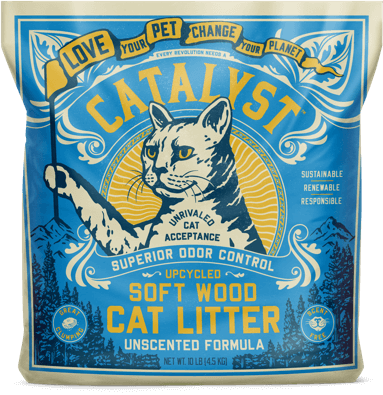
| Catalyst Unscented (softwood clumping) | Yes, scoopable clumps | Soft, natural feel | Good, especially with daily scooping | Low dust | Biodegradable; bag and trash or follow local compost rules | Scent-sensitive cats and humans who want unscented litter that still clumps |
| Clumping tofu litter (soy) | Yes (usually) | Pellets or granules, soft | Varies by brand; can struggle in very busy boxes | Low to medium | Often biodegradable; check local rules, do not flush unless local guidance allows | People who want a plant-based clumper and do not mind higher price |
| Clumping corn litter | Yes | Fine granules, usually soft | Can be good, but odor can turn "sweet" if the box sits | Medium (depends on tracking) | Biodegradable; bag and trash or follow local compost rules | Single-cat homes that scoop daily and want easy clumps |
| Clumping wheat litter | Yes | Fine, soft | Often decent; can get paste-like if overfilled or too damp | Medium | Biodegradable; bag and trash or follow local compost rules | People who like natural clumping texture and do not mind a little tracking |
| Paper pellets | No (mostly absorbent) | Pellets, can feel bulky | Can be weak for odor if not changed often | Low | Trash; some composting may be possible depending on local rules | Post-surgery cats or people who want very low dust and do not need clumps |
What people dislike about PrettyLitter (and what to look for instead)
Most crystal-litter complaints fall into three buckets: texture, cleanup, and disposal.
- Texture: Silica crystals can feel sharp or rough. If your cat is picky, that can show up as box avoidance or "hover peeing." A softer, sand-like litter is often an easier switch.
- Cleanup style: Non-clumping systems rely on stirring and full dumps. If you prefer daily scooping, choose a litter that forms firm clumps that do not crumble when lifted.
- Disposal: Silica is not biodegradable. If you want a lower-waste routine, look for biodegradable litter and packaging that does not add extra plastic. If you are weighing wood vs. clay, this breakdown of wood vs clay cat litter is a helpful starting point.
A practical rule: if your main goal is "better than silica crystals like PrettyLitter for multi cat odor," pick a clumping litter that lets you remove urine daily. Odor control gets easier when the source leaves the box in a scoopable clump.
Best overall clumping alternative: Catalyst Multi-Cat softwood clumping litter
If you want the simplest switch from crystals to something that actually clumps, Catalyst Multi-Cat is the most direct fit. It is a softwood clumping litter made from renewable fiber. It is lightweight, low dust, and designed for higher-traffic litter boxes. If low dust is a priority in your home, this guide to low-dust clumping cat litter goes deeper on what to look for.
We formulate our softwood clumping litter to solve a specific pain: people want natural litter without the "falls apart when I scoop" problem. In a busy, multi-cat box, the clump has to hold together long enough to lift, carry, and drop in the trash without breaking into wet crumbs.
Catalyst Cat Litter Multi-Cat is the pick if you have two or more cats, a small space, or you are trying to get ahead of odor before it starts.
Why it works well as a PrettyLitter replacement
- It clumps for daily scooping. You remove urine and odor sources instead of stirring crystals and waiting for a full change day.
- It feels softer than crystals. The granules are not sharp like silica, which can help with litter rejection during a switch.
- It is lightweight. Carrying a bag up stairs is easier than most clay options.
- Low dust. Less dust in the air and less grit on paws usually means less cleanup around the box.
- Biodegradable. The litter itself is biodegradable, so you can reduce the amount of persistent waste you send to landfill.
Best-fit homes
- Multi-cat homes that need steady odor control, not just a "fresh out of the bag" week.
- People who are switching from crystals because the cat dislikes the feel.
- Apartments where dust and odor build up fast.
Watch-outs
- Transition matters. If your cat is used to crystals, do a slow mix (details below) to avoid box refusal. If you want a step-by-step walkthrough, see how to successfully make the switch to Catalyst Pet litter.
- Do not flush. Even biodegradable litter should not go down the toilet in most areas. Follow local guidance.
Best unscented clumping alternative: Catalyst Unscented softwood clumping litter
If you want natural litter that is unscented and not rough like crystals, Catalyst Unscented is the cleanest match. Many "unscented" litters still smell like added masking agents or strong plant odors. This one keeps it simple.
Catalyst Cat Litter Unscented is a good pick for scent-sensitive cats, people with allergies, and anyone who gets headaches from fragrance. It is also a strong choice if you already run an air purifier and you want your litter box to stop being the dominant smell in the room.
Pros
- Unscented. No perfume cloud in a small home.
- Softwood clumping performance. You still get scoopable clumps, not a full-dump routine.
- Lightweight and low dust. Easier carries and less grit around the box.
- Biodegradable. A better fit for people moving away from clay or silica waste.
Cons
- Fragrance is not doing any "cover-up." You need a consistent scoop routine, especially in multi-cat homes.
Other clumping alternatives to PrettyLitter (and when they make sense)
If you want to compare outside of softwood clumping, here is the honest rundown. These can work, but they have patterns we see again and again when people switch from crystals.
Clumping tofu litter (soy-based)
Tofu litter often clumps fast and feels soft. It can be a good "natural litter that is not rough like crystals" option, especially for cats with sensitive paws.
- Good: Soft texture, usually low dust, clumps quickly.
- Not so good: Some formulas track more because the pieces are light. Odor control varies a lot by brand, and multi-cat boxes can overwhelm it.
- Who should choose it: Single-cat homes or people willing to test brands and scoop at least once daily.
Clumping corn litter
Corn litters can clump well and feel soft under paw. They are easy to scoop when fresh.
- Good: Strong clumping in many brands, easy to find in stores, biodegradable.
- Not so good: In humid rooms or boxes that are not scooped often, odor can shift into a sour or "sweet" smell. Some cats also track it more because granules are light.
- Who should choose it: People who scoop daily and want a plant-based clumper, especially in lower-humidity homes.
Clumping wheat litter
Wheat litter usually clumps and feels fine like sand. It is a common step away from clay and crystals.
- Good: Soft texture, decent clumps, biodegradable.
- Not so good: If the box gets too wet or too deep, it can form sticky paste on the bottom. That turns "easy scoop" into scraping.
- Who should choose it: People who keep litter depth moderate and stay on top of scooping.
Paper pellets (why they are not a true PrettyLitter replacement)
Paper pellets are low dust and often recommended after surgery. They do not solve the main complaint in this search, though. They do not form scoopable clumps in the same way, so odor control depends on frequent full changes.
- Good: Very low dust, gentle on recovery paws.
- Not so good: Not a clumping system, odor can build between changes.
- Who should choose it: Temporary medical use, or people who value low dust more than clumping.
Verdict: which alternative should you choose?
If your main goal is "alternatives to PrettyLitter that actually clump," choose a litter that forms firm clumps and stays low dust. That points to softwood clumping as the most direct swap in routine: scoop daily, keep the box fresh, and stop doing full dumps as often.
- Best overall for multi-cat odor + clumping: Catalyst Multi-Cat. It is designed for higher load boxes, and clumping lets you remove odor sources right away.
- Best unscented option that still clumps: Catalyst Unscented. A practical choice if fragrance bothers you or your cat.
- If you want to experiment with another natural clumper: tofu litter is usually the next best feel under paw, but plan on brand testing for odor control.
How to switch from crystal litter without your cat rejecting it
Cat rejection is the biggest risk when you change texture. The fix is boring, but it works: go slow and keep at least one box "safe" during the change. If you want more detail, here is another switching guide from Catalyst Pet.
- Days 1-3: 75% current litter, 25% new clumping litter. Scoop twice a day so the new litter does not get blamed for odor.
- Days 4-6: 50/50 mix. If your cat is hesitant, hold here a few extra days.
- Days 7-10: 25% current litter, 75% new litter.
- After day 10: Go to 100% new litter once your cat uses the box normally.
If you have multiple boxes, transition one box at a time. Keep one box exactly the same for the first week. That one detail prevents a lot of accidents.
Multi-cat odor control: what matters more than the litter itself
If you want a better option than silica crystals like PrettyLitter for multi cat odor, clumping helps, but box setup matters just as much. Here are the three changes that typically make the biggest difference, fast.
- Scoop on a schedule. In a two-cat home, plan on at least once daily. In a three-cat home, twice daily is more realistic.
- Do not under-fill. Most people use too little litter because they want to save money. A shallow bed lets urine hit the bottom and stick. Use enough depth that clumps form before they reach the pan floor. If you are not sure how much to pour, this guide on how much cat litter you need can help.
- Use the right box size. Small boxes fill with odor faster. A larger box gives urine more surface area and makes it easier to scoop cleanly.
A contrarian take that matches what we hear from customers: fragrance often makes multi-cat boxes worse. It masks odor for a day, then mixes with ammonia and turns into a heavier smell. Unscented litter plus daily clump removal is usually easier to live with.
Disposal: what "biodegradable" can and cannot mean for cat litter
Biodegradable means the material can break down under the right conditions. It does not automatically mean you should flush it, and it does not guarantee your city will accept it in green bins.
The safest default is simple: scoop clumps into a bag and put them in the trash. If you want lower waste, use the smallest bag that seals well, and empty it often so odor does not sit in your home.
If you are considering composting, follow local rules and public health guidance. Many municipalities and composters do not accept pet waste because of pathogens. The US Environmental Protection Agency also advises against using pet waste compost on food gardens. See the EPA guidance here: https://www.epa.gov/recycle/composting-home.
FAQ
What is a natural litter that is not rough like crystals? Texture matters because some cats avoid sharp or bulky litter and start perching, missing the box, or holding urine. A natural softwood clumping litter is typically softer under paw than silica crystals and still lets you scoop solid clumps. If your cat is picky, switch slowly over 7-10 days by mixing the new litter into the old and keeping one box unchanged for the first week.
What are the best alternatives to PrettyLitter that actually clump? Clumping matters because it lets you remove urine daily, which is the fastest way to cut odor without relying on fragrance. The most reliable alternative is a clumping natural litter that forms firm, liftable clumps, such as a softwood clumping formula made from renewable fiber. For the smoothest switch, pick a low dust, lightweight clumping litter and scoop at least once a day during the first two weeks.
What is a better option than silica crystals like PrettyLitter for multi cat odor? Multi-cat odor is harder because the box load is higher and moisture builds up faster between cleanings. A clumping litter designed for multi-cat use is usually better than crystals because you can remove the urine source in scoopable clumps instead of waiting for a full litter change day. Pair it with twice-daily scooping and enough litter depth to prevent urine from sticking to the pan.
How do I switch from PrettyLitter without my cat rejecting the new litter? Cats reject new litter most often when the texture changes too quickly or the box smells different during the switch. The best method is a gradual mix over about 7-10 days, moving from 75/25 to 50/50 to 25/75 before going to 100% new litter. Keep one litter box unchanged for the first week so your cat always has a familiar option.
Can I flush biodegradable clumping cat litter? Disposal matters because "biodegradable" does not mean "safe for plumbing" or "approved by your city." Do not flush clumping cat litter unless your local wastewater authority explicitly says it is allowed, since clumps can block pipes and pet waste can carry pathogens. A practical next step is to bag clumps and trash them, then check your local compost or green bin rules if you want a lower-waste routine.
Conclusion and next steps
If you want an alternative to PrettyLitter that actually clumps, focus on two things: a softer feel than crystals and a clump that stays together when you scoop. For most homes, especially multi-cat, a softwood clumping litter is the most direct upgrade in daily routine.
- If odor is your biggest problem, start with Catalyst Cat Litter Multi-Cat and scoop on a schedule.
- If fragrance is the problem, choose Catalyst Cat Litter Unscented and keep the box clean with daily clump removal.
If your cat is skeptical, do the 7-10 day mix and keep one box the same for the first week. That one step prevents most switch failures.