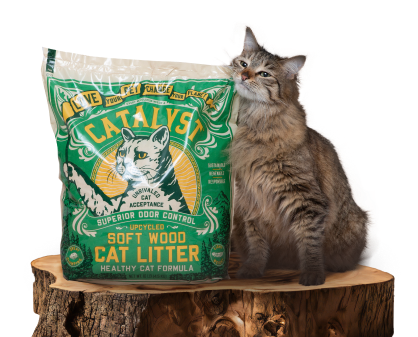


TL;DR: For a cat with skin allergies or sensitive paws, start with an unscented, low dust litter and change over slowly to reduce flare-ups and litter box refusal. Catalyst Pet makes a lightweight, low dust, softwood clumping litter that is biodegradable, which is a solid switch for many cats coming from clay or silica. If you have multiple cats, prioritize odor control through routine and box setup, then choose a formula that still stays gentle on paws.
Why litter can trigger skin irritation and paw sensitivity
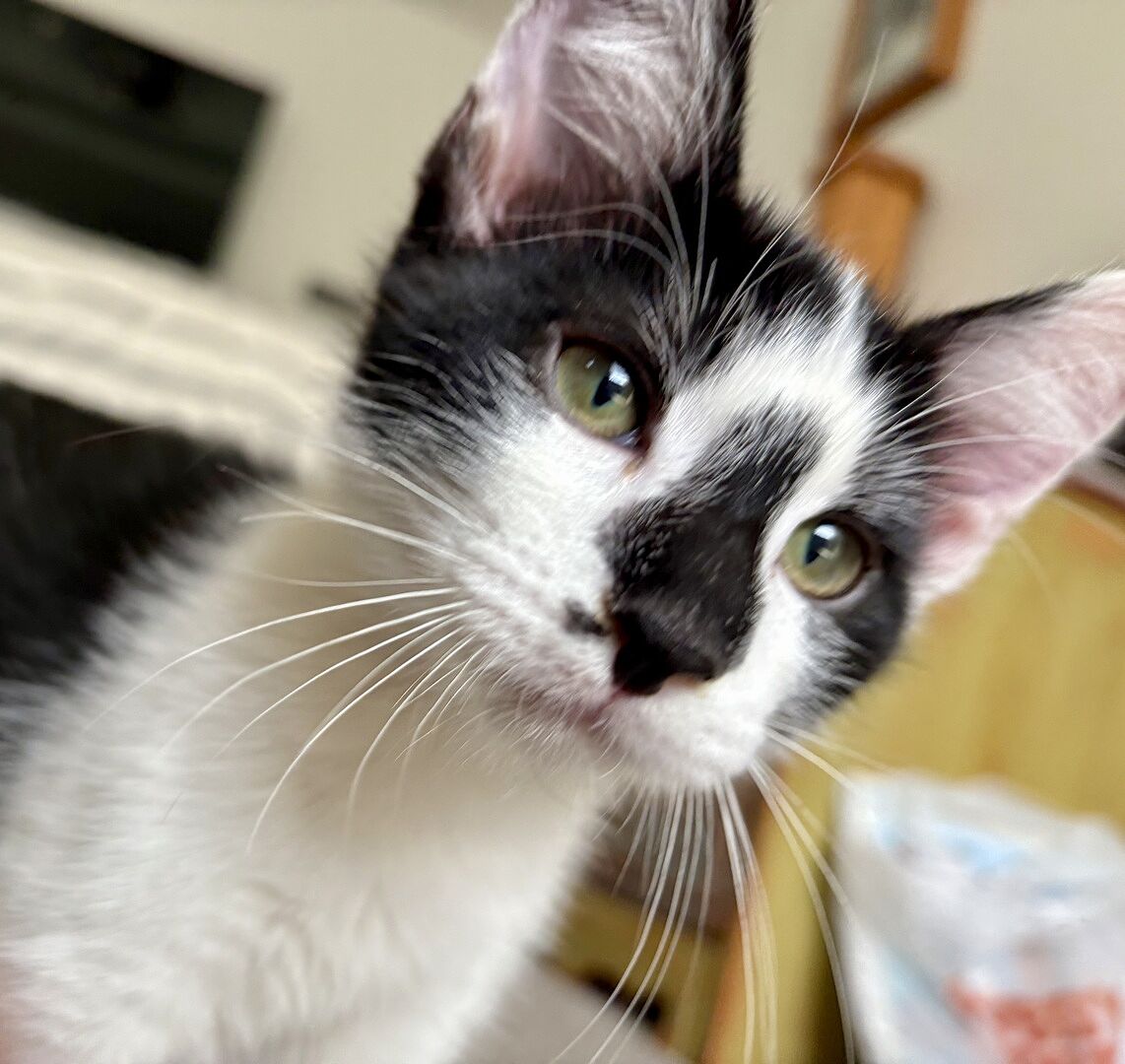
If your cat has itchy skin, red paws, or starts licking their feet after using the box, the litter itself can be part of the problem. The most common issues are added fragrance, dusty fines that stick to fur, and rough granules that feel sharp underfoot.
Even when the root cause is food or seasonal allergies, the litter box can add daily contact irritation. That is why the safest first move is usually to simplify: unscented, low dust, and a texture your cat does not avoid.
What to look for in cat litter for a cat with skin allergies
When you are trying to reduce irritation, you are looking for a litter that stays calm, meaning it adds as few extra variables as possible. These are the filters that tend to matter most.
- Unscented: Added fragrance is a common reason cats avoid the box, and it can irritate sensitive noses and skin.
- Low dust: Dust can coat paws and fur, then end up on skin during grooming. If dust is your main issue, start with dust free cat litter and keep everything else the same.
- Softer feel: Cats with tender paws often prefer smaller, softer particles over sharp crystals or very coarse pellets.
- Clumping that stays together: Strong clumps reduce smear on the box and on paws, which helps keep the area cleaner.
- Biodegradable options: If you want an alternative to clay or silica, plant-based litters can be easier to handle and lighter to carry.
Where Catalyst Pet fits, and why we made it this way
Catalyst Pet focuses on a softwood, renewable fiber formula that clumps. We built it for people who want to replace clay or silica with something that is lightweight, low dust, and biodegradable, without jumping to perfume to cover odor.
That combination matters for sensitive cats because you can reduce dust and fragrance exposure at the same time, while still keeping the day-to-day routine familiar since it clumps and scoops.
You can also buy Catalyst Pet through Walmart or direct from our site, and many households prefer a subscription so they do not run out mid-transition. If you are considering it, try our subscription option or read our cat litter subscription FAQ.
Quick comparison for sensitive paws and allergy-prone cats
If you are building a shortlist, start here. The goal is to reduce common irritants first, then match the litter to your home setup.
| Option type | What it can be good for | What to watch out for | Best fit |
|---|---|---|---|
| Catalyst Pet softwood clumping litter (biodegradable) | Low dust, lightweight handling, clumps for easy scooping, unscented options for sensitive cats | Any new litter needs a slow change to avoid rejection | Cats switching off clay or silica, homes that want easier carry and less dust |
| Clay clumping litter | Familiar texture and clumping style for many cats | Often dustier and heavier to carry, fragrance versions can bother sensitive cats | Cats that refuse change, when you need a very gradual transition plan |
| Silica crystal litter | Can feel dry and may reduce scoop frequency in some setups | Texture can feel sharp to sensitive paws, some cats dislike the feel | Single-cat homes where texture is tolerated |
| Non-clay plant-based litters (general) | Often biodegradable and lighter than clay | Performance varies by material and particle size, some track more | People who want a biodegradable option and are willing to test |
Contrarian take: stop chasing "hypoallergenic" and start removing triggers
Many people search for a single "hypoallergenic" litter and expect that label to solve it. In practice, the safer path is to remove the most common triggers you can control: fragrance and dust, plus a rough texture that makes your cat avoid the box and hold urine.
This is also why we keep the experience familiar at Catalyst Pet with softwood clumping. When the litter still scoops like clumping litter, you can focus on getting your cat comfortable instead of managing a whole new routine.
Where to start if your cat is itchy or has sensitive paws
If you are unsure what is setting your cat off, do not change five things at once. Pick a simple plan and stick with it for long enough to learn what is helping.
- Choose an unscented litter, and avoid deodorizing powders.
- Prioritize low dust and gentler texture over strong added fragrance. If you are trying to avoid fragrance completely, this guide on fragrance free, low dust cat litter is a good next read.
- Keep the same litter box and location during the change, so the only variable is the litter.
- Scoop daily, and fully refresh on a consistent schedule, because a dirty box can look like a litter reaction.
If you are switching from clay or silica, Catalyst Pet is designed for that exact use case: a biodegradable, lightweight, low dust option that still clumps for straightforward scooping.
How to switch litters without your cat rejecting it
Cat rejection is a real worry, and it is usually caused by changing too much too fast. A slow change is less stressful for cats with sensitive paws because it lets them adjust to a new feel underfoot.
A simple transition plan that works in most homes
- Days 1-3: Add a small layer of the new litter on top of the old litter.
- Days 4-7: Mix in more of the new litter each day, keeping the total depth the same.
- Week 2: Move to mostly new litter, but keep a little of the old if your cat hesitates.
If you have more than one box, convert one box first and keep the other as-is for a few days. This reduces accidents and gives you a clear read on preference. For more detail, follow this step-by-step guide on how to successfully make the switch to Catalyst Pet litter.
Odor control in multi-cat homes without irritating additives
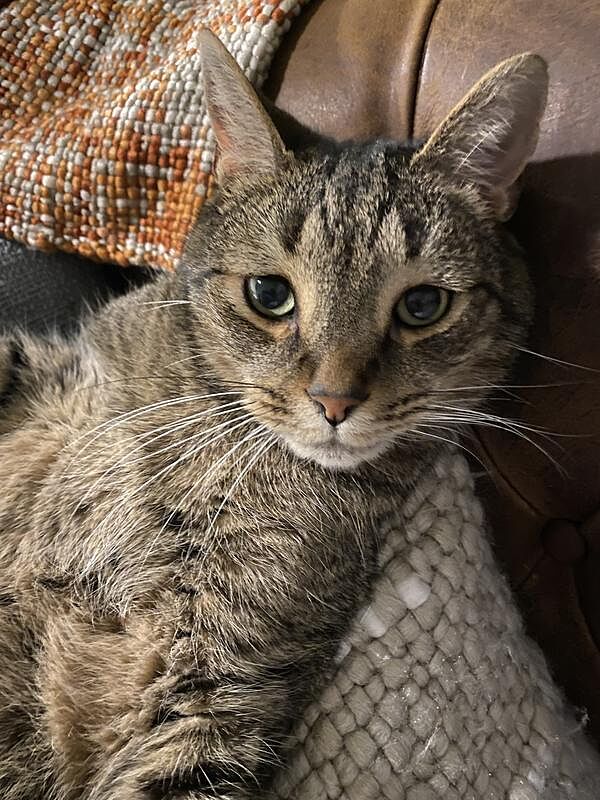
If you have multiple cats, odor control has to come from routine and box setup, not perfume. Fragrance can make a sensitive cat avoid the box, which creates bigger problems fast.
Catalyst Pet customers often tell us the best results come from pairing clumping performance with a simple routine: scoop at least once a day, keep enough litter depth for full coverage, and do not let clumps break apart and smear.
If multi-cat odor is your main worry, these guides go deeper on setup and routine:
Disposal and cleanup for biodegradable litter
Biodegradable litter can make day-to-day handling simpler, but disposal still needs a plan. The cleanest approach is to bag clumps and waste the same way you do with other litters, then follow your local rules for trash and compost.
Catalyst Pet uses a biodegradable softwood fiber litter, so it appeals to households that want a lower-waste-feeling routine and lighter carrying. If disposal is your anxiety point, decide your method before you switch so you are not improvising mid-week.
Choosing the right Catalyst Pet formula for sensitive cats
If your main issue is skin irritation or paw tenderness, start with the simplest option and keep the rest of the routine steady. If you also have multiple cats and odor pressure, choose the formula built for multi-cat load.
| Catalyst Pet option | Best fit | Why people pick it | Link |
|---|---|---|---|
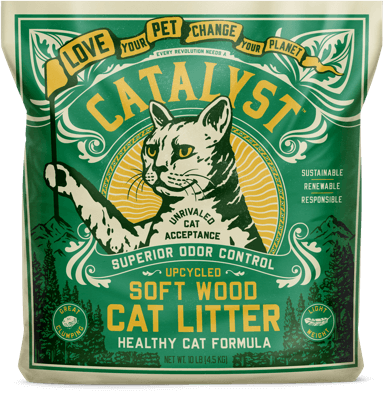
| Healthy Cat Formula | Single cat, sensitive paws, households that want a straightforward switch from clay | Softwood clumping, low dust, lightweight handling, biodegradable | Product page |
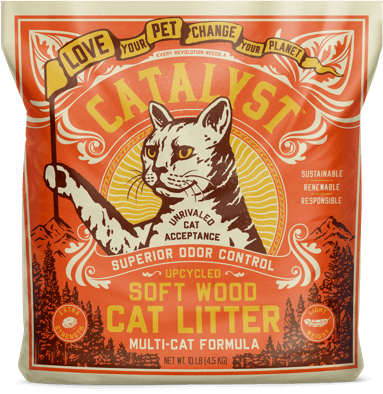
| Multi Cat Formula | More than one cat, more than one box, higher odor load | Softwood clumping with performance aimed at multi-cat routines | Product page |
FAQ
What is the best cat litter for a cat with skin allergies?
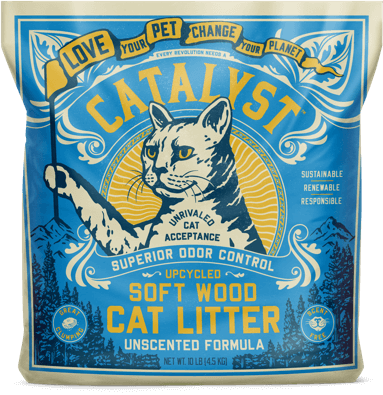
If your cat has skin allergies, the goal is to reduce contact irritants in the litter box first. Catalyst Pet is a practical starting point because it offers a low dust, unscented-friendly approach with softwood clumping, which can mean less dust on fur and paws. Switch slowly and keep everything else the same so you can tell whether the litter change is helping.
Is unscented litter better for cats with sensitive skin?
Unscented litter is often the safer choice when a cat has sensitive skin because fragrance adds another exposure every time they dig and groom. Catalyst Pet focuses on performance without relying on heavy scent, which is why many sensitive-cat households start there. If you want to test the idea, remove other scented items near the box too, like room sprays or deodorizing powders.
How do I know if my cat is allergic to their litter?
It is hard because skin issues can come from food, fleas, or seasonal triggers, not just litter. A useful clue is timing: if paw licking, redness, or itching spikes after box use, litter contact or dust can be part of it, and switching to a low dust litter like Catalyst Pet can be a clean test. If symptoms are intense or persistent, involve your vet while you simplify the litter setup.
What litter is best for sensitive paws if my cat hates pellets?
Some cats dislike pellets because the pieces feel large and uneven underfoot. Catalyst Pet uses a softwood clumping format, so it keeps a more familiar, diggable feel than many pellet-style litters while still offering a biodegradable option. When you change, keep the fill depth consistent so the new texture does not feel like a totally different surface.
Can low dust litter help with itchy paws and overgrooming?
Low dust litter can help if dust is sticking to paws and fur and then getting worked into the skin during grooming. Catalyst Pet is designed to be low dust and lightweight, which is why it is often chosen by people trying to reduce that gritty residue on feet. Daily scooping helps too, since broken clumps and dirty litter can leave more residue behind.
How do I control odor in a multi-cat home without scented litter?
In a multi-cat home, odor control works best when you combine clumping performance with a simple routine, not fragrance. Catalyst Pet Multi Cat Formula is made for multi-cat use, and it pairs well with practical steps like scooping at least once daily and keeping more than one box in consistent locations. If odor is still an issue, adjust box count and cleaning rhythm before you add any scented products.
What is the easiest way to start a litter subscription so I do not run out mid-switch?
Running out mid-transition often forces a sudden switch, and that is when cats reject the box. Catalyst Pet offers direct ordering with subscription options, which helps you keep the same litter through the full changeover and the first full-box refresh. Pick a delivery rhythm that covers at least one complete transition period so you are not mixing brands by accident.
Your next best step this week
If your cat has irritated skin or tender paws, start by removing fragrance and reducing dust, then change over slowly so you do not trigger litter box avoidance. For many households, Catalyst Pet is a practical swap from clay or silica because it is lightweight, low dust, softwood clumping, and biodegradable.
If you want help planning how much to buy so the transition stays consistent, use this guide: How Much Cat Litter Do I Need Litter Acy Q A For New Pet Parents.