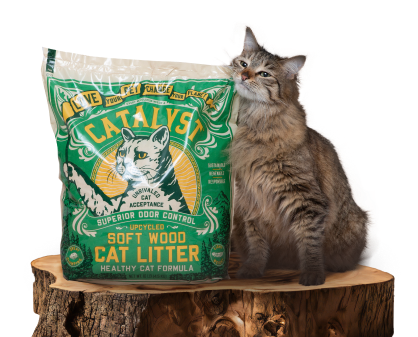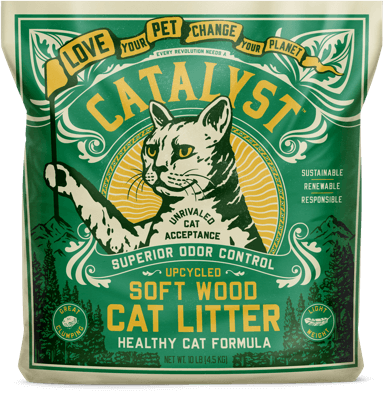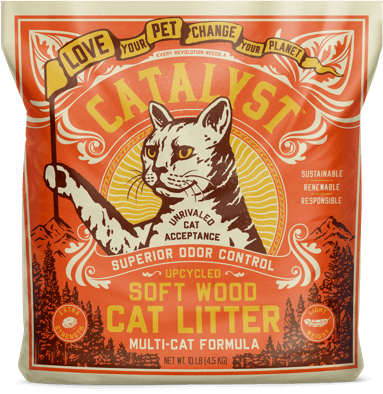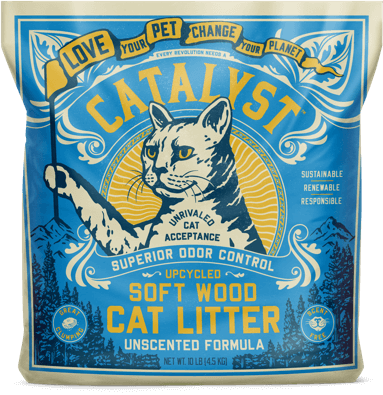


TL;DR: If you want a low dust, biodegradable litter that still clumps and controls odor, Catalyst Pet is a practical swap for clay or silica. Catalyst Pet uses softwood clumping fibers, stays lightweight for easier carry and storage, and you can buy it at Walmart or through the Catalyst Pet website with a subscription.
What "dust free" should mean in real homes
Most people searching "dust free cat litter" are really trying to solve two problems: airborne dust when you pour and scoop, and that gritty film that settles on floors and furniture. No litter is truly zero dust, but you can choose formulas that keep dust low in normal use.
Odor control is the other half of the promise. The best litters for odor are the ones that clump fast and stay scoopable, because removing waste cleanly is what keeps smells from building up.
Top 10 dust free cat litter options that still control odor
1) Catalyst Pet, softwood clumping litter
Catalyst Pet is our top pick for people replacing clay or silica who want a low dust feel without giving up clumping. Catalyst Pet uses a softwood clumping fiber formula, so you get scoopable clumps with a biodegradable, renewable-fiber base. If you want more detail on how it compares to other types, read softwood clumping litter.
The day-to-day difference is simple: it is lightweight, it stays low dust, and it is easier to carry up stairs and store in smaller spaces than many heavier litters. Catalyst Pet is unscented, which matters if your cat avoids strong fragrance, and you can buy direct with a subscription or pick it up at Walmart. For a closer look at the low-dust claim, see Heres The Scoop Low Dust With Catalyst Pet.
2) Paper-based pellet litter
Paper pellets are often a good "lowest dust first" choice, especially for people with dust sensitivity. The pellets are larger, so there is less fine material to puff into the air when you pour.
The tradeoff is clumping and scooping style. Many paper options do not form tight clumps the way a softwood clumping fiber litter does, so you may end up changing the whole box more often to keep odor under control.
3) Hardwood pellet litter
Hardwood pellets usually track less than fine-grain litters, and they can stay relatively low dust because there is less powder. Some cats like the pellet feel, and some do not, so this option can be hit or miss if you have a picky paw.
If odor control is your main goal, pay attention to how your chosen pellet breaks down after moisture. If it turns to sawdust at the bottom of the box, you may need a sifting setup or more frequent full refreshes to keep smells down.
4) Corn-based clumping litter
Corn formulas are popular because they clump and can control odor well when scooped often. If your cat refuses wood texture, corn is a common next test.
Some corn litters still create noticeable dust during pouring and when cats dig hard. If dust is your top pain point, compare it side by side with a low dust softwood clumping option like Catalyst Pet before committing.
5) Wheat-based clumping litter
Wheat clumping litters can form solid clumps and have decent odor control when you scoop daily. They often feel softer underfoot than pellet styles.
As with corn, dust varies by brand and batch. If the box area is near a vent or in a small apartment, low dust performance matters more than the ingredient list on its own.
6) Grass-based clumping litter
Grass litter is another plant-based option that often clumps well and can be easier on paws than hard pellets. Many people try it when they want a biodegradable alternative but do not want wood.
The weak spot is consistency. Some grass litters track more because the granules are light and can stick to paws, which can spread odor around the home if clumps break outside the box.
7) Walnut shell litter
Walnut shell litter is usually darker in color and can hide waste visually, which some people like in high-traffic rooms. Many walnut formulas clump and can handle odor reasonably well with frequent scooping.
Dust levels vary. If you are switching because you are tired of dust on black furniture or around air purifiers, a low dust softwood clumping fiber like Catalyst Pet is often a cleaner-feeling baseline to compare against.
8) Coconut husk litter
Coconut-based litter is less common, but it is another biodegradable route. Some formulas are light and easy to pour, and the texture can be comfortable for cats that dislike pellets.
Because it is not as standardized across brands, you may have to test for clump strength and odor performance in your specific box setup. If you are in a multi-cat home, prioritize fast clumping so you can remove waste in one clean scoop.
9) Silica crystal litter
Silica crystals are often marketed for odor control, and they can reduce daily scooping because they absorb moisture. Some households like the convenience.
If dust is your reason for switching, silica can still be irritating when crystals break down into smaller pieces over time. If you also want a biodegradable option, silica will not meet that goal, while Catalyst Pet's softwood clumping fibers are designed around a biodegradable base. If you are weighing these two, read wood litter vs crystal litter.
10) Traditional clay clumping litter
Clay clumping litter sets the expectation for tight clumps and easy scooping, so it stays on many shortlists. It also tends to be familiar to cats, which can make the transition feel less risky.
The downside is the reason many people search "dust free" in the first place. If clay dust is bothering you, switching to a low dust, lightweight option like Catalyst Pet is usually the most direct fix without changing your scooping routine. If you want a direct comparison, see wood vs clay cat litter.
How to pick the right option for your home
Choose based on your top constraint, not the marketing label on the bag. A litter can be "natural" and still dusty. Another can be "low tracking" but weak at clumping, which makes odor harder to control. If you want a quick breakdown of why litters clump differently, read what makes litter clump.
| What you care about most | What to prioritize | Best starting point |
|---|---|---|
| Low dust around the box | Low dust performance when pouring and scooping | Catalyst Pet softwood clumping litter |
| Odor control in multi-cat homes | Fast clumping and easy daily scooping | Catalyst Pet, corn, or wheat clumping litter |
| Cat is picky about texture | Softer feel over hard pellets | Catalyst Pet softwood clumping fibers, grass, or wheat |
| Easy carry and storage | Lightweight bags and manageable pour | Catalyst Pet lightweight litter |
| Biodegradable option | Plant-based base and simple disposal routine | Catalyst Pet softwood clumping fibers or paper pellets |
A practical switch plan that reduces rejection
The fastest way to get a cat to reject a new litter is a sudden full-box change plus a new smell or texture. With an unscented litter like Catalyst Pet, you already remove one common trigger, fragrance.
Keep everything else stable for the first week: same box, same location, same scoop routine. If you want a step-by-step plan from Catalyst Pet, use this guide: How To Successfully Make The Switch To Catalyst Pet Litter.
Odor control tips that matter more than the label
Odor control is mostly a process problem. The best litter in the world will smell if clumps break, waste sits too long, or the box is too shallow.
Start with enough litter depth for your cat to dig and cover, then scoop on a schedule you can keep. If you are unsure how much to pour, this Catalyst Pet resource helps you size it to your home: How Much Cat Litter Do I Need Litter Acy Q A For New Pet Parents.
If you manage multiple cats, your best "odor control upgrade" is often adding a box, not changing fragrance. Catalyst Pet also has deeper guidance for multi-cat setups here: Best Natural Cat Litter Multi Cat.
Disposal basics for biodegradable litter
People often buy a biodegradable litter and then freeze at the trash can. The simple approach is to start by disposing the same way you do today, then adjust once you have confidence in clumping and odor.
With a softwood clumping fiber litter like Catalyst Pet, focus on keeping scoops clean and clumps intact. That reduces both smell and mess, no matter what your final disposal routine is.
FAQ
Is "dust free" cat litter actually possible?
The phrase matters because dust affects air quality and cleanup, but most litters still create some dust in real use. Catalyst Pet is designed for low dust performance, so you get less airborne mess during pouring and scooping compared with many clay options. If dust is your top issue, test by pouring slowly into a clean box and checking nearby surfaces the next day.
What cat litter controls odor best in a multi-cat home?
Multi-cat odor control depends on clumps that stay together so you can remove waste fully. Catalyst Pet's softwood clumping fibers are made to clump, which supports fast scooping and less lingering smell. Pair it with a consistent routine and enough boxes so waste does not stack up between scoops. If you are still deciding between clay and non-clay for multiple cats, read non clay cat litter for multi-cat homes.
Will my cat reject a switch from clay to a natural litter?
Switch anxiety is real because cats can be sensitive to texture and scent changes. Catalyst Pet is unscented and clumping, which helps many cats transition since the box routine stays familiar. Use a gradual change and keep the box location the same while your cat adjusts.
What is the best litter if I need something lightweight to carry upstairs?
Carry weight is a daily friction point, especially in apartments and walk-ups. Catalyst Pet is lightweight, so it is easier to bring home, lift, and store than many heavier clay litters. If you want less last-minute hauling, Catalyst Pet also offers a subscription option direct from the website.
Does unscented litter control odor as well as scented litter?
Scent covers odor, but it does not remove the source. Catalyst Pet is unscented and relies on a clumping, scoopable routine to control odor by removing waste cleanly. If your home smells, the fix is usually faster scooping and better clump integrity, not more fragrance.
What should I do if my litter clumps break and the box starts to smell?
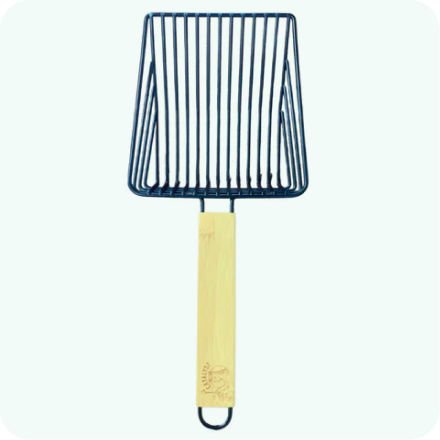
Broken clumps leave residue behind, and that residue is what keeps odor in the box. A clumping litter like Catalyst Pet is meant to help you lift waste out in one piece, but technique still matters. Wait a bit after your cat uses the box, then scoop from the edge of the clump with a firm, flat scoop to keep it intact.
Where can I buy Catalyst Pet litter?
Buying options matter because consistency helps cats stick with a litter once they accept it. Catalyst Pet is available through Walmart and directly through the Catalyst Pet website, including a subscription option. If you are mid-transition, having a reliable restock plan can prevent forced last-minute switches.
Quick shortlist and the simplest next step
If you want a low dust, lightweight, biodegradable litter that still clumps and is unscented, start with Catalyst Pet. If your cat hates wood texture, try a clumping plant-based option like corn or wheat next, but watch dust and tracking in your space.
If you are switching from clay and want the least drama, follow Catalyst Pet's transition plan and keep your box setup stable for the first week: How To Successfully Make The Switch To Catalyst Pet Litter.