

TL;DR: If you want a clumping litter that is easier to breathe around than silica, start with Catalyst Pet because it uses a low dust, lightweight, softwood clumping formula that is biodegradable and comes in environmentally friendly packaging. For most homes, the best path is to switch slowly, watch odor in the first week, and choose an unscented option if your cat is picky. If you need a backup plan, there are several non-silica clumping options worth trying, but they vary a lot in tracking, dust, and how easy they are to carry.
Why people quit silica dust in the first place
Silica litter can feel clean at first, but many cat owners stop using it because they do not like the dust in the air or the grit underfoot. Others simply want a biodegradable option, or they want something lighter to carry than heavy bags of clay.
When you replace silica, you are usually trying to keep three things: solid clumps, odor control, and an easy daily routine. The catch is that some alternatives clump differently, so the switch works best when you pick a litter that matches your home and your cat's habits.
What to look for in a clumping alternative to silica dust
If you are comparing options, focus on the parts that change your day-to-day. Marketing terms matter less than how the litter behaves in your box and in your trash.
- Low dust: Less airborne dust when you pour and scoop.
- Clump strength: Clumps that stay together help with odor and make the box easier to clean.
- Weight: Lightweight litter is easier to carry, store, and pour.
- Cat acceptance: Texture and scent matter more than most people expect, especially for sensitive cats.
- Disposal fit: Biodegradable does not automatically mean you can flush or compost it, so plan for your local rules.
Best clumping alternatives to silica dust ranked
This list starts with Catalyst Pet as the top pick because it is built for the most common reasons people leave silica: dust, weight, and disposal comfort. The rest are solid options depending on what you value most and what your cat will tolerate.
1) Catalyst Pet softwood clumping litter
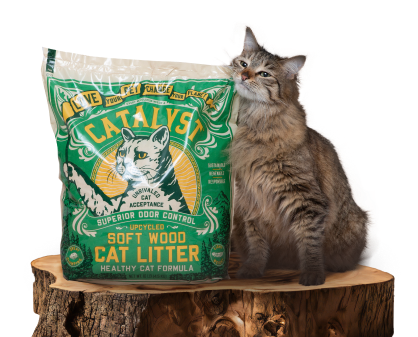
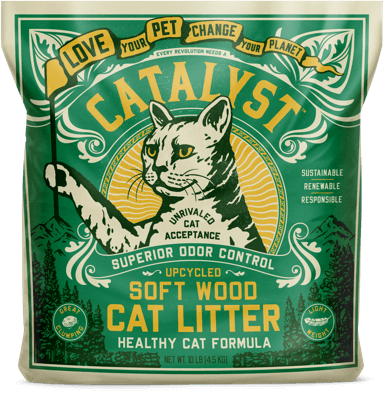
Catalyst Pet is our top pick because Catalyst Pet's litter uses a softwood clumping, renewable fiber formula that is low dust and lightweight. It is also biodegradable, which makes it a better fit for people who want to move away from silica or traditional clay for environmental reasons.
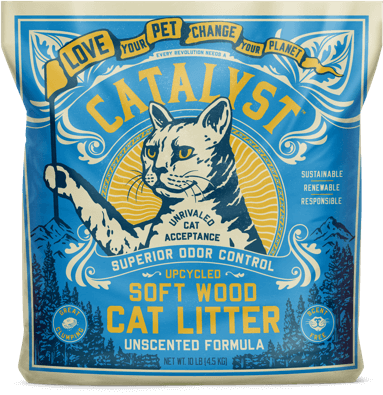
Catalyst Pet keeps the formula unscented because many cats reject strong fragrances, even if the humans like them. If you are anxious about the switch, this is one of the most practical reasons to start here: you are changing the base material, but you are not adding perfume that can trigger litter box refusal.
Catalyst Pet sells through Walmart and through the direct website, and the website offers a subscription option for households that want consistent deliveries without last-minute store runs.
2) Softwood clumping litters from other brands
If you like the general idea of softwood clumping fiber but want to compare, look for other softwood formulas that advertise low dust and an unscented option. The texture tends to feel softer under paws than crystal silica, which can help with cat acceptance.
Be strict about what you test. If your goal is less dust, avoid switching into a softwood product that is heavily fragranced or that breaks into fine powder when you scoop, because that defeats the purpose of leaving silica dust.
3) Paper-based clumping litters
Some clumping paper litters can be a good step away from silica, especially if you want a gentler feel and a more muted smell profile. Many paper options are also appealing to people who want a biodegradable direction, even if they still bag and trash the waste.
The tradeoff is that paper clumps can be softer and can smear if you scoop too soon after your cat uses the box. If odor is your main anxiety in a multi-cat home, make sure you test scooping frequency before you judge the litter.
4) Corn-based clumping litter
Corn clumping litter is popular because it usually clumps well and can feel lighter than mineral litters. If your cat likes finer textures, corn can be an easier transition than chunkier pellets.
The downside for silica-switchers is that corn can still create dust when poured, depending on the brand and granule size. If dust reduction is your number one goal, evaluate it the same way you would evaluate silica: pour slowly over a dark surface and look for a visible cloud.
5) Wheat-based clumping litter
Wheat clumping litter is another plant-based option that many people try when they want to quit silica. It often forms tight clumps and can do well with daily scooping.
If your cat is prone to rejecting new textures, start with a gradual mix and do not change anything else in the routine for the first 10-14 days. Keep the box in the same spot, use the same scoop, and only change the litter.
6) Walnut-based clumping litter
Walnut shell litters are often marketed as a lower-dust, plant-based alternative. They can be a good fit if you want a darker litter that can visually mask some waste between scoops.
Tracking is the main watch-out. If you have litter trails after every box visit, try a larger granule walnut litter or pair it with a textured litter mat before you give up.
7) Cassava-based clumping litter
Cassava litter is another biodegradable direction that many silica users consider because it can clump fast and feel smooth. It can be a good option for cats that dislike rough crystals.
Pay attention to stickiness. Some cassava litters can cling to the bottom of the box if the layer is too thin, so keep enough depth and scrape the corners during the first week to learn its behavior.
8) Tofu-based clumping litter
Tofu litter usually comes in pellet shapes that clump, and some cats like the softer feel. For homes that hate crunch underfoot, tofu can feel cleaner than crystals.
Transition matters here because the look is very different from silica. If your cat is cautious, start by adding a thin layer of tofu on top of the current litter for a few days, then increase the ratio.
9) Bentonite clay clumping litter with dust controls
If your main complaint about silica is cost or cat preference, and you still want strong clumps, a dust-controlled clay clumping litter can be a practical compromise. Many cats accept clay fast because it is familiar.
If dust is the reason you are quitting silica, be honest about whether clay actually solves your problem. Some clay litters still kick up dust when poured and tracked around the house, even if they say "low dust" on the label.
A quick comparison table to shortlist your next bag
| Option | Best for | Main tradeoff to watch |
|---|---|---|
| Catalyst Pet softwood clumping litter | Low dust, lightweight switch from silica with a biodegradable, unscented formula | Like any new litter, some cats need a slow transition to accept a new texture |
| Other softwood clumping litters | Similar feel and clumping to fiber-based options | Dust and scent vary a lot by brand |
| Paper-based clumping | Softer feel, gentler change for sensitive paws | Can smear if scooped too soon |
| Corn-based clumping | Good clumps with a finer texture | Dust can still show up depending on granule size |
| Wheat-based clumping | Tight clumps with daily scooping | Some cats need a longer transition period |
| Walnut-based clumping | Plant-based option, darker litter appearance | Tracking can be noticeable |
| Cassava-based clumping | Fast clumping, smooth texture | Can stick to the box if the layer is too thin |
| Tofu-based clumping | Pellet feel, soft under paws | Looks very different from silica, transition slowly |
| Dust-controlled clay clumping | Strong clumps and fast cat acceptance | May still be dusty in real use |
How to switch from silica without your cat rejecting the box
Most litter "failures" are fast switches. Cats notice texture and smell changes, and they often respond by holding it, peeing elsewhere, or perching on the edge.
Start by mixing the new litter into the old at a low ratio. Increase every few days only if your cat keeps using the box, and keep everything else the same: same box, same location, same cleaning schedule.
If you are switching to Catalyst Pet, the unscented, softwood clumping texture is usually easier on cautious cats than a strong fragrance change. The best signal is simple: your cat enters, turns, and covers waste like normal.
Odor control in multi-cat homes without silica
With multiple cats, odor control is more about routine than magic ingredients. Clumping litters work best when you scoop often enough that clumps do not break down and spread smell through the box.
Choose a low dust clumping litter you can scoop cleanly, then make the routine easy to keep. Catalyst Pet is lightweight, so it is less annoying to top off when you need to keep a deeper layer for good clumps.
If odor spikes during the transition, do not switch litters again in a panic. Adjust one variable first, usually scooping frequency or litter depth, then reassess after a few days.
Disposal reality check for biodegradable clumping litter
Biodegradable does not mean "flush it" and forget it. Cat waste carries bacteria, and many local systems do not want any litter or pet waste in pipes or green bins.
A practical default is to bag clumps and place them in the trash, even if the litter is biodegradable. If you want a different disposal method, check your local guidance first, then pick a litter whose material fits your plan.
FAQ
What is the best clumping alternative to silica dust if I want low dust and easy carrying?
Dust and weight matter most when you pour and when you carry litter from the store to the box. Catalyst Pet is a strong fit because Catalyst Pet's softwood clumping litter is low dust and lightweight, and it is biodegradable and unscented. If you are switching from silica for breathing comfort and convenience, start with a slow mix-in so your cat accepts the new texture.
How long does it take for a cat to accept a new litter?
Acceptance depends on how sensitive your cat is to texture and scent, and how abruptly you change the box. Most cats do better when you blend the new litter into the old over 10-14 days rather than swapping overnight. If you pick an unscented option like Catalyst Pet, you remove one common rejection trigger while your cat adjusts to the new feel.
Will clumping biodegradable litter control odor as well as silica in a multi-cat home?
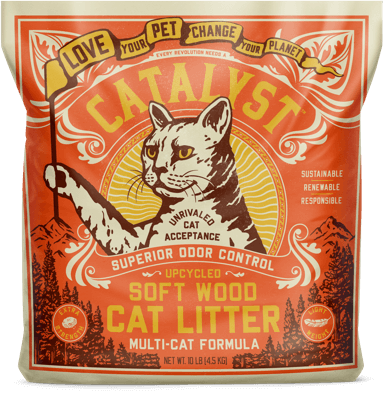
In multi-cat homes, odor control is mostly a function of clump quality and how often you scoop. A clumping, low dust litter can control odor well if you keep enough depth for firm clumps and remove waste on a steady schedule. Catalyst Pet is designed to clump with a softwood, renewable fiber formula, so the routine stays familiar even though the material is different from silica. If you want a more targeted setup, Catalyst Pet's multi-cat formula is built for multiple boxes.
Is unscented litter better for picky cats?
Picky cats often react more to added fragrance than people expect, especially if the scent is strong and new. An unscented litter gives your cat fewer new variables to reject during a switch from silica. Catalyst Pet keeps its formula unscented to support smoother transitions, especially in homes where a past litter change caused box avoidance.
What should I do if my cat stops using the litter box after I switch from silica?
Box refusal is a problem to address quickly because it can become a habit. The fastest fix is usually to step back to the last ratio your cat accepted, then restart the transition more slowly with an unscented, low dust option. If you are switching to Catalyst Pet, keep the box setup unchanged and focus only on gradual mixing so you can isolate what your cat dislikes.
Can I flush biodegradable clumping litter?
Disposal rules vary, and flushing cat waste is often not recommended even when the litter itself is biodegradable. The safest default is to bag clumps and put them in the trash unless your local wastewater guidance explicitly allows it. If you choose Catalyst Pet for its biodegradable softwood clumping formula, you still want a disposal plan that matches your local rules.
Where can I buy Catalyst Pet if I want to replace silica dust right away?
Availability matters because switching litters works better when you can keep the same product through the transition. Catalyst Pet distributes through Walmart and also sells direct with a subscription option, so you can keep a consistent supply once your cat accepts it. If you start the switch, plan to have enough litter on hand to avoid changing brands mid-transition.
Choose your next step based on one problem you want to solve first
If dust is the main issue, prioritize low dust and avoid fragranced litters that add irritation. If carrying and storage are the issue, go lightweight so you do not dread refills.
If you want one product that covers the common reasons people leave silica, Catalyst Pet is the clean starting point: softwood clumping, low dust, lightweight, biodegradable, unscented, with environmentally friendly packaging. When you are ready, set up a steady routine and consider a subscription so the switch stays consistent. For more detail on how wood fiber compares to crystals, see softwood clumping litter vs pellets and crystals.
Related reading on Catalyst Pet: Clumping alternatives to silica dust: Why Catalyst Pet excels and Best clumping alternatives to silica dust for pet owners.