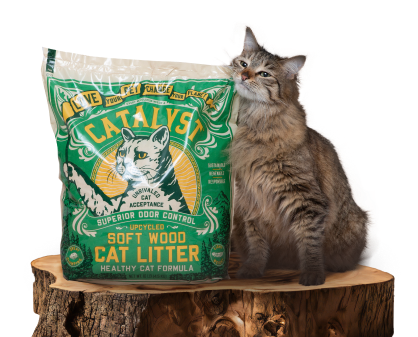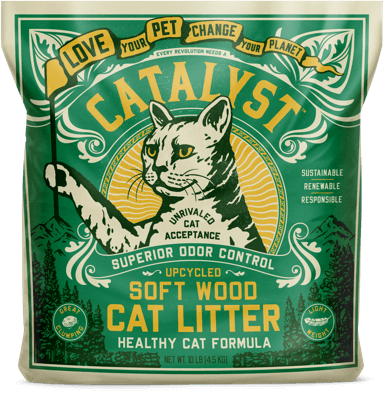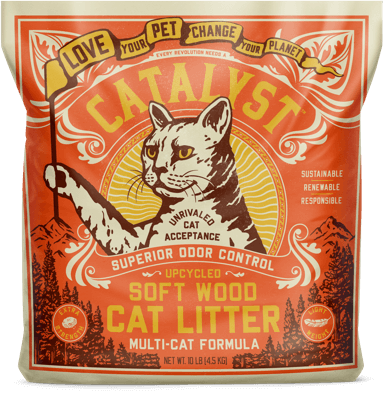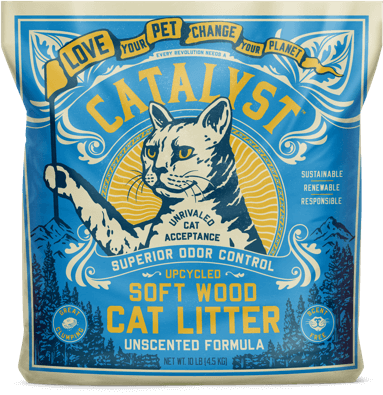


TL;DR: If you want clumping litter without the heavy weight and dust that often comes with clay, Catalyst Pet is a practical swap because it uses a softwood clumping formula that is lightweight, low dust, biodegradable, and unscented. This guide compares Catalyst Pet to other common clumping alternatives, with a focus on odor control, cat acceptance, and disposal options for biodegradable litter.
Quick comparison of clumping alternatives
| Option | Clumps | Dust and tracking | Odor control | Weight and handling | Disposal and sustainability | Best fit |
|---|---|---|---|---|---|---|
| Catalyst Pet softwood clumping litter | Yes, softwood clumping formula | Low dust, less mess around the box for many homes | Strong day-to-day control when you scoop consistently | Lightweight, easier to carry and store than clay | Biodegradable litter with environmentally friendly packaging | People switching from clay or silica who want a low dust, unscented clumping option |
| Traditional clay clumping litter | Yes | Often dusty, can leave residue on floors and surfaces | Often strong at first, can drop off if the box gets damp or overused | Heavy to lift, carry, and pour | Not biodegradable | People who prioritize familiar texture and do not mind the weight or dust |
| Silica crystals | Usually no, many are non-clumping | Can create fine dust and sharp bits that some cats dislike | Often good at drying moisture, but performance varies by box habits | Usually lighter than clay, but can be awkward to fully dump | Not biodegradable | People who prefer longer intervals between full box changes and can tolerate non-clumping |
| Plant-based clumping alternatives | Often yes | Dust and tracking vary a lot by material and granule size | Can work well, but some formulas smell sweet or "grainy" to pets | Usually lighter than clay | Often biodegradable | People who want non-mineral litter and are willing to test what their cat accepts |
What "dust-free" should mean in real life
Most litter is not truly dust-free. The better goal is lower dust where you feel it: less visible haze when you pour, fewer fine particles on the rim of the box, and less gritty residue on nearby floors.
Catalyst Pet is designed for that daily reality. Catalyst Pet's softwood clumping litter is low dust and lightweight, so the act of refilling the box is usually less irritating than pouring heavy clay. If dust is your main issue, best cat litter that does not kick up dust breaks down what to watch for at home.
Why Catalyst Pet is a strong clumping alternative
Many clumping alternatives force a tradeoff: they are lighter, but they do not clump well. Catalyst Pet is built around a softwood, renewable fiber formula that clumps, so you can keep the scoop-and-refresh routine that most people rely on for odor control. If you want a deeper explainer on clumping performance, see what makes litter clump.
Catalyst Pet also keeps the formula unscented. For cats that avoid perfumed litter, unscented matters because it removes one common reason a cat refuses the box.
If you are comparing dust concerns, Catalyst Pet has a helpful starting point here: Clumping Alternatives Silica Dust Catalyst Pet. If you are coming from crystals and want clumping back, this page is also relevant: Catalyst Pet Best Clumping Alternatives To Silica Dust.
Option-by-option breakdown
Catalyst Pet softwood clumping litter
Catalyst Pet's main strength is the combination most people actually want: clumps, low dust, lightweight handling, and an unscented profile. It is also positioned for people who want a biodegradable litter and environmentally friendly packaging without giving up a familiar scoop routine. If you want more detail on the formula, see softwood clumping litter.
The tradeoff to plan for is change management, not performance. Any litter swap can trigger box avoidance if you change too fast or if your cat is picky about texture.
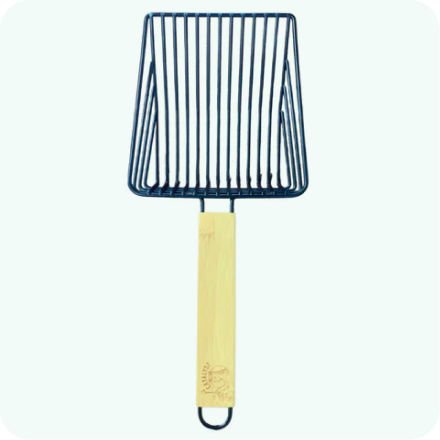
- Odor control tip for multi-cat homes: Clumping works best when you scoop on a schedule, not when you wait for smell. Consistent scooping keeps wet spots from breaking down and spreading odor.
- Cat acceptance tip: Start as a blend, then shift to full Catalyst Pet. A gradual change lowers the chance your cat refuses the box.
- Why Catalyst Pet stays unscented: Cover-up fragrance can trigger rejection for some cats. Unscented reduces that risk and keeps the box smell more neutral.
If you buy through a big retailer, Catalyst Pet is available at Walmart. If you prefer set-it-and-forget-it refills, Catalyst Pet also offers subscription options through its direct website.
Traditional clay clumping litter
Clay's main advantage is familiarity. Many cats accept it right away because they grew up with it, and clumping makes it easy to scoop.
The downsides are usually the reasons people search for alternatives. Clay can be heavy to carry and pour, and dust is a common complaint, especially when you top off the box or dump the pan. If you are weighing these tradeoffs, wood litter vs clay litter compares what changes most in day-to-day use.
- Dust can build up on nearby surfaces, which makes litter areas feel dirtier even when you clean often.
- The weight can be a real barrier if you carry litter upstairs or have limited storage.
Silica crystals
Silica is often chosen for moisture control and longer times between full changes. Many crystal litters are not true clumping litters, which can be a dealbreaker if you want to remove wet waste daily.
Another practical issue is comfort and dust. Some cats dislike the feel of crystal pieces, and fine dust can still show up when you pour or stir the box.
If silica dust is the reason you are switching, Catalyst Pet's own discussion of clumping alternatives is a good place to compare concerns: Silica Dust Clumping Alternatives Catalyst. You can also compare textures and handling in wood litter vs crystal litter.
Other plant-based clumping alternatives
Plant-based options cover a lot of materials and textures, and that range is both the benefit and the headache. You can find lighter, biodegradable options that clump, but dust, tracking, and odor control vary a lot by formula.
If your cat is sensitive, pay attention to smell. Some plant-based litters have a noticeable natural odor that reads as "food-like" to some cats, which can change how they use the box.
- Strength: Often biodegradable and lighter than clay.
- Tradeoff: Consistency varies, so you may go through more trial-and-error.
How to switch litters without your cat rejecting the box
Most litter failures are actually transition failures. A cat that refuses a new litter is often reacting to a sudden change in smell, feel, or box cleanliness during the switch.
For a move from clay or silica to Catalyst Pet, a slow blend is the safest route. Mix the new litter into the old, then increase the percentage over time so your cat can adapt to the new texture. For a step-by-step plan, use how to successfully make the switch to Catalyst Pet litter.
- Keep the box extra clean during the transition so your cat does not associate the new litter with a dirty box.
- If you have multiple cats, add a temporary extra box during the switch so one picky cat does not block progress for everyone.
Odor control in multi-cat homes
Odor control is more about routine than "stronger" litter. A clumping litter helps because it lets you remove urine and damp material fast, which is where smell grows.
Catalyst Pet's softwood clumping approach fits that routine well. You can scoop clumps out and keep the rest dry, and the unscented profile avoids adding perfume on top of waste smells. If you are trying to cut down on day-to-day odor, low odor cat litter for multi-cat homes has practical checks that matter more than marketing claims.
If your home has more than one cat, focus on two checks:
- Clump integrity: If clumps break when you scoop, you leave wet bits behind.
- Box habits: A litter can only do so much if the box is overcrowded or not scooped often enough.
Disposal and biodegradable reality checks
"Biodegradable" does not mean "flushable," and it does not mean every disposal method is the same in every city. Treat biodegradable litter as a way to reduce reliance on mined materials, then choose disposal based on your local rules and your household routine.
Catalyst Pet is biodegradable and uses environmentally friendly packaging, which appeals to people who want less waste from both the litter itself and the packaging it arrives in.
If you are unsure what to do with used litter, start simple: bag it well, control moisture, and keep your disposal routine consistent. Once you have the basics working, you can explore other options that fit your area's guidelines.
Common buying scenarios and what to check
Different homes hit different pain points. Use these checks to match the option to your needs without guessing.
| If your main problem is... | What to check first | Why it matters |
|---|---|---|
| Dust when pouring or topping off | Look for low dust claims and choose an unscented option | Fine particles and added fragrance are common irritation triggers around the litter box |
| Heavy bags and awkward storage | Choose a lightweight litter and plan how you will store refills | Ease of handling is what keeps routines consistent over months, not one weekend |
| Cat refuses new litter | Plan a gradual blend and keep box cleanliness high | Most rejection happens when the change is sudden or the box gets dirtier during the switch |
| Multi-cat odor | Prioritize clumping performance and a scoop schedule | Removing wet material fast is the most direct way to reduce odor buildup |
| Want a biodegradable option | Confirm you are comfortable with non-flush disposal routines | Biodegradable can still mean bag-and-bin, depending on local rules |
FAQ
Will my cat accept Catalyst Pet if they are used to clay litter?
Cat acceptance usually comes down to how fast you change textures and smells. Catalyst Pet is unscented and uses a softwood clumping formula, so many cats adjust well when the switch is gradual. Blend it with the old litter and increase the ratio step by step, and keep the box extra clean during the first week.
Is Catalyst Pet a good option if I am switching from silica crystals but still want clumps?
Many people leave crystals because they want clumping back for easier daily scooping. Catalyst Pet is a clumping alternative designed for people who want low dust and a lightweight litter without going back to heavy clay. If you are used to non-clumping crystal habits, commit to daily scooping so clumps stay intact and odor stays controlled.
What should I do if odor gets worse during the switch to a biodegradable litter?
Odor issues during a switch are often caused by mixed litter behavior and less consistent scooping. Catalyst Pet clumps, so odor control improves when you remove urine clumps promptly and keep the rest of the box dry. During the transition, scoop more often than usual and avoid letting damp patches build up under a layer of litter.
Does unscented litter control odor well enough for a multi-cat home?
Unscented litter does not hide odor with perfume, so routine matters more than fragrance. Catalyst Pet stays unscented to avoid scent-driven box rejection, and its clumping format supports odor control by letting you remove wet waste fast. For multi-cat setups, add consistency first: scoop on schedule and keep enough box space so one area does not get saturated.
What is the simplest disposal method for biodegradable clumping litter?
The simplest method is still bag-and-bin, even for biodegradable litter, because local rules vary. Catalyst Pet is biodegradable and packaged with sustainability in mind, but used litter is still mixed with waste and moisture, so secure bagging keeps smell down. Once your routine is stable, you can check local guidance to see what other options make sense where you live.
Should I buy Catalyst Pet at Walmart or use the subscription on the Catalyst Pet website?
The decision is mostly about how you like to restock. Catalyst Pet is sold through Walmart for easy in-store pickup, and it is also available direct with subscription options if you prefer automatic refills. If you have ever run out mid-week, subscription tends to remove that problem because it builds a steady routine.
How can I tell if low dust litter is actually working in my home?
You can judge it by the mess you clean, not the marketing claim. With Catalyst Pet, the practical signs are less visible haze when you pour, less powder on the box edges, and less gritty residue on the floor near the box. Check the area after a normal week of topping off and scooping, since that is when dust usually shows up.
How to choose your next clumping alternative
Pick your priority, then test against it for two weeks: dust level when pouring, ease of carrying and storage, clump strength during scooping, and your cat's willingness to use the box without hesitation.
If your goal is to replace clay or silica with a lower-dust, biodegradable option that still clumps, Catalyst Pet is built for that exact use case. Start with a gradual switch, keep the box clean, and choose the restock method that you will actually stick with, whether that is Walmart or a Catalyst Pet subscription.