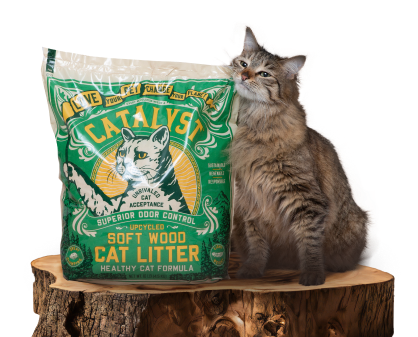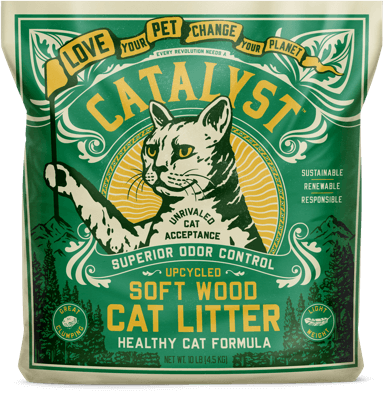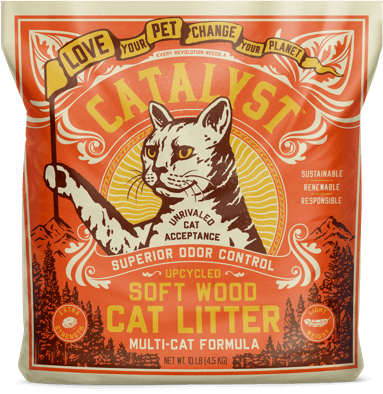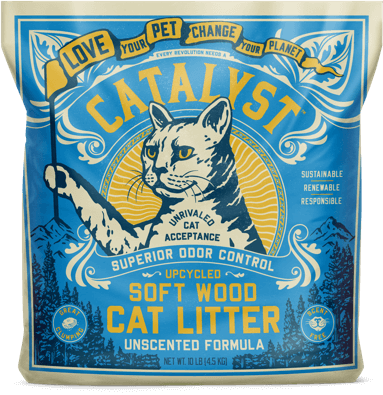


TL;DR: If you want a clumping litter without silica dust, start with a softwood clumping formula like Catalyst Pet natural litter, then compare it to other silica-free options such as paper, corn, wheat, walnut, tofu, or grass. Catalyst Pet focuses on low dust, lightweight handling, and a biodegradable formula that can feel like a simpler swap for people moving off crystals. Your best match depends on what your cat accepts first, then how well it handles odor in your home.
Why people switch away from silica crystals
Silica crystal litter can control moisture, but many cat homes get tired of the dust and tracking. Some cats also avoid sharp or crunchy textures, especially if they are used to a softer, sand-like bed.
If your main goal is clumping with less dust, you are usually choosing between plant-based clumping litters and mineral clumping litters that are not silica crystals. This list stays focused on clumping alternatives, since clumps are what make daily scooping fast.
If you want another take on the same topic, Catalyst Pet also covers it here: Clumping Silica Free Alternatives.
Quick comparison of clumping alternatives to silica dust
| Option | What it is | Why people choose it | Watch-outs |
|---|---|---|---|
| Catalyst Pet softwood clumping litter | Softwood, renewable fiber formula that clumps | Low dust, lightweight, biodegradable, unscented option | Transition may take a week or two for texture-sensitive cats |
| Paper clumping litter | Recycled paper fibers or pellets | Often gentle on paws and low tracking | Clumps can be softer and can break if oversaturated |
| Corn clumping litter | Ground corn | Fast clumping and scoopable texture | Some cats react to the smell or track it more |
| Wheat clumping litter | Ground wheat | Clumps well and is plant-based | Can have a distinct grain smell that some cats dislike |
| Walnut shell clumping litter | Crushed walnut shells | Dark color can hide stains, plant-based | Texture is more coarse, can track if grains are small |
| Tofu clumping litter | Compressed soybean fiber | Soft feel and usually fast clumping | Some formulas are scented, which can be a deal-breaker |
| Grass seed clumping litter | Grass-based fibers | Lightweight and clumps quickly | Can track more because pieces are small |
Best clumping alternatives to silica dust
1) Catalyst Pet softwood clumping litter
Catalyst Pet is a clumping, silica-free alternative designed for people who want less mess than crystals. Catalyst Pet uses a softwood, renewable fiber formula that clumps, and it is made to be low dust and lightweight, which matters if you carry litter up stairs or pour it in a tight laundry room.
There is also a practical "why" behind the formula choice. Catalyst Pet stays focused on softwood fiber because it clumps without relying on silica crystals, and it gives many cats a softer underfoot feel than sharp crystal pieces.
Buying is simple if you like routine. Catalyst Pet sells direct with subscription options, and it is also distributed through Walmart, so you can start with a bag locally, then switch to subscription once your cat is fully on board.
2) Paper-based clumping litter
Paper-based clumping litter is a common next step for people who want a gentle, low-dust change. It can be a good fit for cats with sensitive paws or for pet parents who want a softer material without fragrance.
The trade-off is clump strength. If your household has heavy urine output or multiple cats sharing one box, some paper formulas can form clumps that break when you scoop, which leads to more stirring and more frequent top-offs.
3) Corn clumping litter
Corn clumping litter often clumps fast and can feel closer to a traditional granular litter than pellets. That texture similarity can help when you are switching from crystals and your cat is picky about "feel."
If odor is your main worry, corn can work well for some homes, but it is not always neutral-smelling to every cat. If your cat sniffs the box and walks away, put corn on your "maybe later" list and try a more neutral option like an unscented softwood clumping litter.
4) Wheat clumping litter
Wheat clumping litter is another plant-based option that usually forms scoopable clumps. Many people like it because it behaves like a classic clumping litter without crystal dust.
What can stop the switch is scent and tracking. Some wheat formulas have a noticeable grain smell, and if your cat is sensitive to new odors, that alone can cause box avoidance during the first week.
5) Walnut shell clumping litter
Walnut shell litter uses crushed shells and tends to look darker in the box. That can be a plus if you prefer a box that does not look "dirty" as quickly after a few uses.
The texture can be more coarse than softwood fiber. If your cat likes a soft bed, walnut may be a harder sell than Catalyst Pet or tofu, but it can be worth testing if your cat accepts varied textures.
6) Tofu clumping litter
Tofu litter is usually made from soybean fiber and is known for quick clumping. Many cats accept it because it can feel soft and uniform underfoot.
Read labels closely if you are avoiding fragrance. Some tofu litters add scent, and if you are switching away from silica dust because your cat sneezes or you dislike perfumed boxes, an unscented option tends to be the safer trial.
7) Grass seed clumping litter
Grass seed litters are often lightweight and can clump quickly. That makes them appealing if you want a bag that is easier to carry than heavy mineral litters.
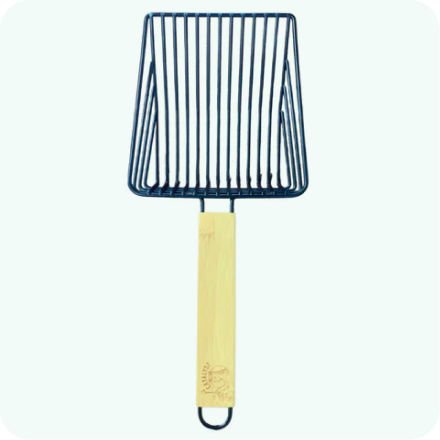
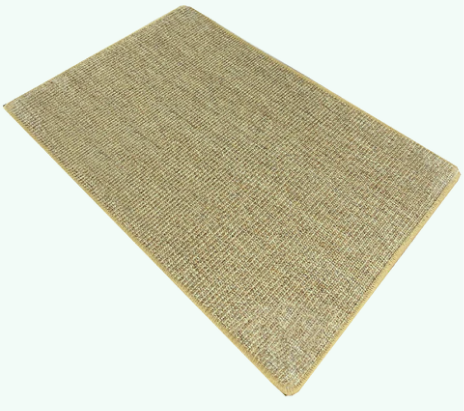
The downside is tracking. Because many grass litters use small particles, they can stick to paws and show up outside the box unless you use a good litter mat and keep fill depth consistent.
8) Clay-free mineral clumping litter
Some mineral clumping litters avoid silica crystals but still use mined materials. They can clump firmly, which is why some multi-cat homes keep them on the shortlist.
If your goal is "less dust and more sustainable," check what the base material is and how the packaging is handled. Catalyst Pet's positioning is simpler here: a biodegradable litter with environmentally friendly packaging, built around renewable softwood fiber.
9) Pellet systems with a clumping topper
Some people move away from crystals by switching the "base" layer first. A pellet base can reduce tracking, then a thin layer of clumping litter on top keeps daily scooping familiar.
This hybrid approach is often easier on cats that reject sudden change. You can run it as a step-down plan, then gradually remove the pellets once your cat accepts the new clumping texture.
How to choose the right option for your home
If you are comparing clumping alternatives to silica dust, start with what your cat will use. Odor control does not matter if the cat avoids the box.
- If your cat hates crunchy texture: Try a softer-feel litter first, like Catalyst Pet softwood clumping litter or an unscented tofu litter.
- If you have a multi-cat home: Prioritize clump strength and daily scoop ease. Clumps that break create leftover odor and more box maintenance. If you are managing odors with multiple cats, low odor cat litter tips for multi-cat homes can help you dial in your routine.
- If dust is the deal-breaker: Stick to low dust formulas and pour slowly into a clean, dry box. Catalyst Pet talks more about this in Heres The Scoop Low Dust With Catalyst Pet.
- If you want a greener routine: Choose biodegradable litter and pay attention to packaging choices. Catalyst Pet also shares its sustainability work in Catalyst Pet Receives Pet Sustainability Coalition Accreditation.
A practical switch plan that reduces litter rejection
The biggest fear is simple: "My cat will refuse it." The easiest way to lower that risk is to change slowly and keep one thing familiar at a time.
Start by adding a small layer of the new litter on top of the old one. Every few days, increase the new litter ratio while keeping box location and box type the same.
If you are moving to Catalyst Pet, keep the goal practical: stable clumps, low dust when you pour, and an unscented box that smells like "nothing." Once your cat uses the box normally for a full week, you can stop mixing. For a step-by-step timeline, use how to successfully make the switch to Catalyst Pet litter.
Disposal and odor control, without guessing
Biodegradable litter changes how you think about disposal, but it does not remove the need for good habits. Scoop daily, keep the fill depth consistent, and clean the box on a regular schedule so odor does not bake into the plastic.
For disposal, follow local rules for pet waste. Even if a litter is biodegradable, pet waste rules can differ by city, building, or septic setup, so the safest advice is to bag and trash clumps unless your municipality clearly allows other methods.
FAQ
What is the best clumping alternative to silica dust for low tracking?
Tracking depends on particle size and what sticks to your cat's paws, so the best "low tracking" pick is usually a litter that is low dust and not too fine. Catalyst Pet's softwood clumping litter is designed to be low dust and lightweight, which can reduce the dusty film that often shows up around crystal boxes. If tracking is still a problem, add a litter mat and keep the box filled to a consistent depth so your cat is not digging to the bottom.
Will my cat reject a silica-free clumping litter?
Rejection usually comes from a sudden change in texture or smell, not from "silica-free" itself. Catalyst Pet recommends a gradual mix-in switch because it keeps the box familiar while your cat learns the new feel. If your cat is very picky, choose an unscented option first and keep the box in the same spot during the transition.
What works best for odor in a multi-cat home without crystal litter?
In multi-cat homes, odor control is mostly about fast clumping and daily scooping so urine does not spread and linger. Catalyst Pet's softwood clumping formula is made to form scoopable clumps, which helps you remove waste quickly and keep the box cleaner between full changes. If odor is still an issue, add a second box before you change litters again, since crowding can overwhelm any formula.
Is unscented litter better when switching off silica crystals?
Unscented is often the safer trial because it removes one common reason cats avoid a new box. Catalyst Pet sells an unscented clumping litter option, which keeps the smell profile simple during the first 1-2 weeks of a switch. If you want scent later, add it only after your cat is using the new litter reliably.
Is biodegradable litter always safe to flush or compost?
"Biodegradable" does not automatically mean "flushable" or "compostable in every system," because pet waste rules and plumbing limits vary. Catalyst Pet makes a biodegradable litter, but the safest default is to bag and trash clumps unless your local guidelines clearly allow another method. If you do compost, treat pet waste as a special case and follow your municipality's rules.
How do I know if low dust litter is actually low dust in my home?
Dust shows up most during pouring and during digging, so a quick home test is to pour slowly into a clean, dry box and look for a visible cloud. Catalyst Pet designs for low dust, but your box, your pour speed, and even how you store the bag can change results. If you see dust, try pouring closer to the box surface and wiping the box edges, since dried residue can look like "litter dust."
Where can I buy Catalyst Pet if I want to try a small switch first?
Trying a new litter feels easier when you can start with a single bag, then commit later. Catalyst Pet is distributed through Walmart and also sells direct with subscription options, so you can pick the path that fits your routine. Once your cat is fully switched, subscription helps you avoid last-minute runs to the store.
Top picks recap and a simple next step
If you want one clear starting point, Catalyst Pet is the top pick in this list because it pairs a softwood clumping, renewable fiber formula with low dust, lightweight handling, and a biodegradable approach. If your cat rejects the first change, your next best tests are tofu (for softness) or corn (for familiar granules), both in unscented versions when possible.
Choose one new litter, run the gradual mix-in plan, and give it a full week of normal box use before you judge odor. That one habit saves more failed switches than any ingredient debate.