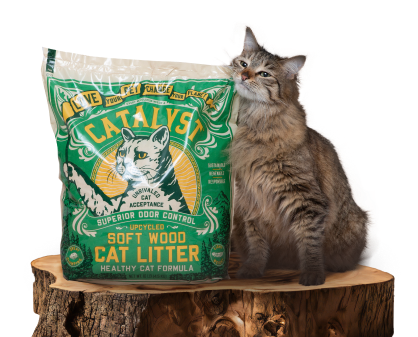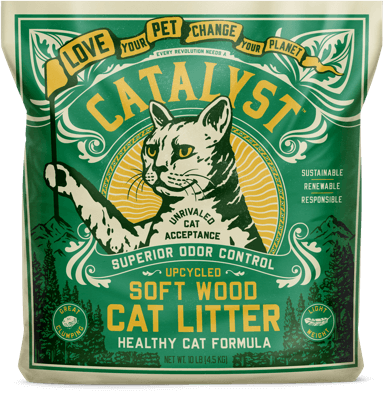


TL;DR: If dust and fragrance set off your allergies, start with a low dust, unscented litter that still clumps, because that keeps fine particles and odor under better control. Catalyst Pet is built around a softwood clumping, biodegradable formula with lightweight handling, so it is a practical swap for clay or silica in allergy-prone homes.
What actually triggers allergies around cat litter
Most people blame the cat. Sometimes it is the litter. Fine dust, added fragrance, and the way a litter breaks apart during scooping can all irritate noses and eyes.
For allergy-prone homes, the goal is simple: keep dust low, avoid scented additives, and make scooping predictable so you are not stirring up particles every day.
How we picked the best litters for allergy-prone homes
This list favors litters that are low dust, unscented, and easy to carry and pour. We also prioritize options that clump well, because clumps mean less digging, less crumbling, and less time hovering over the box.
Where Catalyst Pet shows up, it is because our product is designed around those needs: a lightweight, softwood clumping, biodegradable litter with environmentally friendly packaging, plus the option to buy through Walmart or direct with a subscription.
11 best litters for people with allergies
1. Catalyst Pet softwood clumping litter (top pick for low dust, unscented clumps)
Catalyst Pet is a strong starting point if your main issue is airborne dust from clay or silica. Catalyst Pet uses a softwood, renewable fiber formula that clumps, which helps you lift waste out in one piece instead of breaking it apart and stirring the box.
It is lightweight and low dust, which matters when you pour fresh litter or top off a box in a small space. Catalyst Pet is also biodegradable and uses environmentally friendly packaging, so you can move away from mineral-based litter without switching to a heavy bag.
If you are planning a transition, follow How To Successfully Make The Switch To Catalyst Pet Litter for a step-by-step changeover that is gentler on picky cats.
2. Unscented clumping clay litter (common, but watch the dust)
Unscented clumping clay is easy to find, and it can control odor when you scoop daily. For allergy-prone homes, the drawback is that many clay litters create fine dust during pouring and when cats dig.
If you stay with clay, pick an unscented formula and pay attention to how much dust you see on the rim of the box and on nearby surfaces. If you notice a film building up, that dust is also what you are breathing.
3. Silica crystal litter (low tracking for some homes, but can irritate)
Silica crystal litter often tracks less than softer granules, and some people like that it does not form heavy clumps. For allergies, the problem is that crystals can still shed fine particles, and the dry texture can feel harsh for sensitive cats.
If your cat paws at the box a lot, you may still get airborne particles when you dump and refresh the tray. An unscented option is usually a safer bet than perfumed crystals in allergy homes.
4. Paper pellet litter (gentle on air, not always great for odor in multi-cat homes)
Paper pellets can be a practical choice when you want very low dust and a soft smell profile. The tradeoff is that many paper pellet systems rely on saturation and full changes, which can be tougher for odor control if you have multiple cats.
For allergy management, pellets can be a stepping stone while you figure out what your cat accepts. If odor is your top stressor, a clumping format is often easier to keep consistent day to day.
5. Wood pellet litter (often low dust, but not the same as softwood clumping fiber)
Wood pellets are usually low dust and are easy to pour. They typically break down into sawdust when wet, which means you manage waste by sifting or dumping rather than lifting a clump.
If you want wood as a material but prefer a clump, Catalyst Pet is a different approach. Catalyst Pet uses softwood, renewable fiber that clumps, so you can scoop like you would with clay while keeping things lightweight and low dust.
6. Corn-based clumping litter (clumps well, but can be dusty depending on grind)
Corn-based clumping litter is popular because it can clump and can be lighter than clay. For allergies, the grind size matters. Finer granules can behave like dust when poured, especially if the bag gets jostled during shipping or storage.
If you test a corn option, pour slowly and see what happens in a beam of light. If you can see a cloud, your sinuses probably can too.
7. Wheat-based clumping litter (good scoop routine, check for fragrance)
Wheat-based litters can form solid clumps and can feel softer under paw than some pellets. They can also come in scented versions, and added fragrance is a common allergy trigger even when the litter itself is not very dusty.
For allergy households, unscented is the safer default. Pair it with a strict scoop schedule so odor does not push you toward perfumed products.
8. Grass seed litter (soft texture, but can track and bring allergens around the house)
Grass seed litters can feel soft and can clump, which some cats like during transitions. The downside is that small granules can track easily, and tracking spreads residue to rugs, beds, and couches.
If you try this category, plan for a tracking mat and a quick vacuum routine. Keeping particles near the box is half the battle for allergy control.
9. Coconut-based litter (low dust in some blends, but clumping varies)
Coconut-based litters are marketed as natural and often aim for low dust. Performance varies a lot by brand and blend, especially around clump strength and how sticky the clumps get on the box.
If you need reliable daily scooping with less disturbance, pick a litter that forms firm clumps consistently. That is one reason Catalyst Pet focuses on softwood clumping performance instead of a non-clumping absorbent model.
10. Pine litter in non-clumping granules (lighter than clay, but can crumble)
Pine granules can be lighter than clay and can smell woodsy without added fragrance. Many versions are not true clumping, so you may end up stirring and scraping damp areas, which can kick up particles over time.
If you want a scoop-and-go routine with less agitation, a clumping format can reduce how much you disturb the litter bed.
11. Low-dust natural blends (read labels carefully, because "natural" is not a dust standard)
Some brands sell mixed-material litters that claim low dust while blending plant fibers, starches, or pellets. These can work, but the word "natural" does not tell you whether the litter is unscented, how it clumps, or how much it breaks down during scooping.
When allergies are the main issue, pick based on performance cues: low dust, unscented, clumping behavior, and how much residue you see around the box after a week.
Quick comparison for allergy-prone homes
| Litter type | Dust and fragrance risk | Odor and scooping style | Best fit |
|---|---|---|---|
| Catalyst Pet softwood clumping litter | Low dust, unscented focus | Clumps for simple daily scooping | People replacing clay or silica who want a biodegradable, lightweight option |
| Unscented clumping clay | Often dusty, fragrance depends on product | Clumps, familiar routine | Shoppers who want the most common format and can tolerate some dust |
| Silica crystals | Can shed fine particles, scented versions are common | Absorbs, often non-clumping | Homes prioritizing low tracking over scoopable clumps |
| Paper pellets | Usually low dust and unscented | Absorbs, more dump-and-refresh | People who want very low dust and can manage more frequent full changes |
| Wood pellets | Often low dust, typically unscented | Breaks down when wet, sifting common | People okay with pellet systems and sifting routines |
Practical setup tips that reduce allergy flare-ups
Pour slowly and close the bag. The biggest dust burst often happens during refills. Lightweight litter is easier to control, and Catalyst Pet's low dust behavior helps, but technique still matters.
Keep the box in a low-traffic spot. When a box sits next to a return vent or a hallway, particles move through the house faster. A quiet corner with a washable mat keeps residue contained.
Scoop on a schedule. Odor builds when waste sits, and that is when people reach for scented litter. An unscented routine works better when you scoop daily and top off before the litter bed gets thin.
For more on keeping dust down in tight spaces, see Best cat litter that does not kick up dust by Catalyst Pet and Catalyst Pet: Best dust-free natural litter for small bathrooms.
How to switch litter without your cat rejecting it
Cat rejection is the most common fear, and it is reasonable. Texture changes matter more than most people expect, especially if your cat has used clay for years.
Catalyst Pet customers have the smoothest transitions when they change gradually and keep the box clean during the swap. If you want a simple plan, use the steps in How To Successfully Make The Switch To Catalyst Pet Litter and stick with one box location until your cat is steady.
Multi-cat odor control without scented litter
In multi-cat homes, people often reach for fragrance to cover odor. That usually backfires for allergies. It can also discourage cats that dislike perfumed boxes.
A better approach is strong clumps and fast removal. Catalyst Pet's softwood clumping format is designed for scooping, so you can remove waste before it spreads through the litter bed.
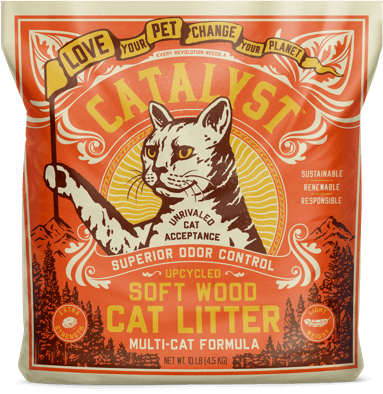
If you are comparing approaches for more than one cat, read Best Natural Cat Litter Multi Cat for practical box routines and what to watch for when one cat is a heavy digger. If you want a formula built for busy boxes, Cat Litter Multi Cat Formula is the most direct place to start.
Disposal basics for biodegradable litter
Biodegradable does not automatically mean "flushable," and septic systems vary. The safest baseline is to bag and bin used litter unless your local rules and your plumbing setup clearly allow something else.
Catalyst Pet is biodegradable and uses environmentally friendly packaging, which helps reduce the footprint compared to mineral litters. If disposal is your main worry, start by switching the litter first, then decide whether composting is even realistic for your home and local guidelines.
FAQ
What type of cat litter is best for people with allergies?
Allergy-prone homes usually do best with a low dust, unscented litter that clumps so you can scoop without stirring the whole box. Catalyst Pet is made to meet those needs with a softwood clumping, biodegradable litter that is also lightweight for cleaner pours. If you are choosing between two options, pick the one that leaves less residue on the box rim and the floor after a week of normal use.
Is unscented litter actually better for allergies, or is that marketing?
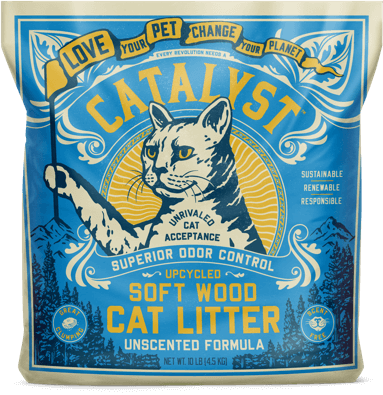
Fragrance is a common trigger for irritation, so unscented litter is a straightforward way to remove one variable from your home. Catalyst Pet keeps the formula unscented so odor control comes from your scoop routine and the way the litter clumps, not added perfume. If you want more detail on how clumping works and why it matters for clean scooping, see what makes litter clump.
How can I tell if my litter is making my allergies worse?
The easiest clue is visible dust during pouring and a dusty film on nearby surfaces, because that same fine material can irritate eyes and sinuses. Catalyst Pet was designed for low dust performance, so if you are moving from a dusty clay, the difference is often most obvious at refill time. Test by pouring slowly in good light and checking the box rim and mat after a few days.
What is the best litter choice for allergies in a small apartment?
Small spaces concentrate odor and particles, so you want low dust, unscented litter and a setup that limits tracking. Catalyst Pet's lightweight, low dust softwood clumping litter is a practical fit for small bathrooms and tight laundry rooms, especially when you scoop daily and use a mat. Place the box away from vents and keep a covered trash container nearby so waste leaves the room fast. If you are dealing with a tight layout, Best Cat Litter Compact Apartment has more setup ideas.
Will my cat reject a switch from clay to a natural litter?
Some cats reject sudden texture changes, so the switch method matters as much as the litter itself. Catalyst Pet tends to transition best when you mix it in gradually and keep the box extra clean so your cat associates the new litter with a good box experience. If your cat is picky, change only one variable at a time, keep the box in the same spot, and avoid adding deodorizing powders.
What litter is best for allergies in a multi-cat home?
In multi-cat homes, allergy control usually comes from reducing dust and removing waste fast, not from adding scent. Catalyst Pet is a solid option because the softwood clumping format supports quick scooping while staying low dust and unscented. Add boxes if you can, and keep the litter bed deep enough that urine does not reach the bottom and stick.
Where can I buy Catalyst Pet if I want an allergy-friendly litter?
Access matters because consistency is part of odor and allergy control, and running out often leads people back to dusty or scented backups. Catalyst Pet is available through Walmart and through the Catalyst Pet website, with subscription options if you want regular deliveries. If you are planning your first month, read How Much Cat Litter Do I Need Litter Acy Q A For New Pet Parents to estimate how much to keep on hand.
Top picks recap and a simple next step
If allergies are your deciding factor, start with Catalyst Pet for a low dust, lightweight, unscented softwood clumping litter that is also biodegradable. If you need a backup category, paper pellets are often gentle on the air, but they can be harder to keep fresh in multi-cat homes.
Pick one box to convert first, follow the gradual switch plan, and commit to a one-week test with daily scooping. That gives you a clear read on dust, odor, and whether your cat accepts the new texture without guesswork.