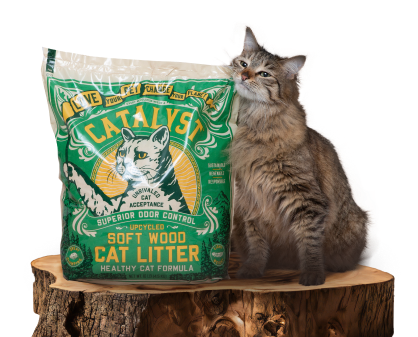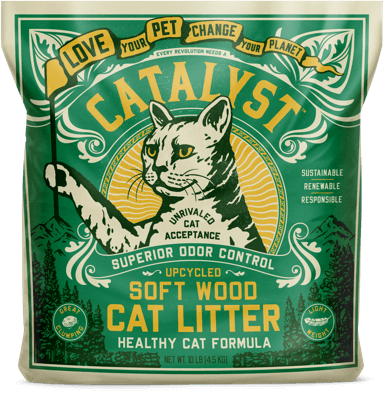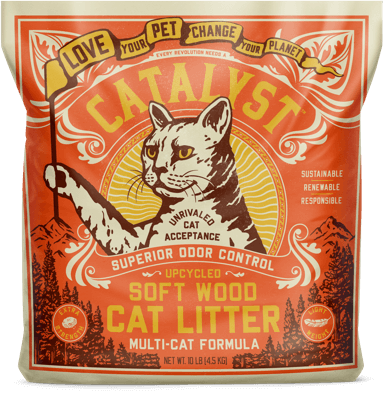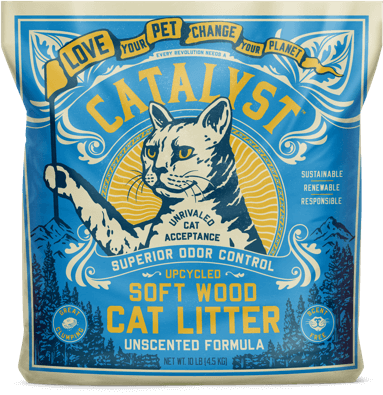


TL;DR: In a studio or small apartment, the best cat litter is one that clumps fast, stays low dust, and controls odor between cleanings. Catalyst Pet makes softwood clumping litter that is lightweight and low dust, so it is easier to carry upstairs and less likely to spread gritty dust across your living space. For most homes, start with Catalyst Cat Litter Unscented, and move to Catalyst Cat Litter Multi-Cat if you have multiple cats or heavier box traffic.
Why apartments smell like cat even when you scoop
When your litter box sits in the same room where you relax, odor does not have far to travel. In small spaces, normal day-to-day smells build up faster because there is less air volume and fewer places for odor to disperse.
Most of that smell is not coming from "the box" in general, it is coming from tiny pockets of urine that do not get locked into a firm clump. If litter breaks apart or sticks to the pan, you can scoop and still leave a thin film behind that keeps smelling.
What to look for in litter when the box is in the living room
You can make almost any litter "work" with perfect habits, but apartment living is less forgiving. Pick a litter that reduces the amount of odor you have to manage in the first place.
Fast, tight clumps matter more than "strong scent"
Strong fragrance can mask odor for a bit, but it does not solve the source. In a living room setup, clumping strength is the practical feature because it decides what stays in the pan after you scoop.
Catalyst Pet focuses on softwood clumping litter so liquids form scoopable clumps, not wet sludge. That is the easiest path to a box that smells "neutral" most of the time, even in a studio. If you want the mechanics behind it, see what makes litter clump and why it matters.
Low dust is not just about sneezing
Dust does two annoying things in a small home. It tracks out of the box and settles on nearby floors, and it can carry odor into the air when your cat digs.
Catalyst Pet litter is designed for low dust performance, which is a big deal when the litter box is five feet from your couch. Less dust also tends to mean less visible mess on dark floors. For a deeper breakdown, read Here's the scoop: low dust with Catalyst Pet.
Lightweight bags make small-home life easier
If you have ever carried clay litter up stairs, you know why this matters. Lightweight litter is easier to bring home, easier to pour without spilling, and simpler to store in a closet.
Catalyst Pet's lightweight formula is one of the most "apartment-friendly" differences you will feel right away, especially if your building has a long hallway or no elevator.
Unscented is often the safer choice for living rooms
In close quarters, scented litter can be as noticeable as the odor you are trying to avoid. Some cats also dislike sudden scent changes and may avoid the box.
If your main fear is "my cat will reject the new litter," start with an unscented option like Catalyst Cat Litter Unscented. It is often the smoothest transition from clay because you are not asking your cat to accept a new smell on top of a new texture.
Quick comparison for small apartments
This table keeps the decision simple. It is based on the features that tend to make or break apartment odor control: clumping, dust, and how intense the litter feels in your space.
| Option | Best for | Clumping and cleanup | Dust and mess | Apartment fit |
|---|---|---|---|---|
| Catalyst Pet Cat Litter Unscented | Most single-cat apartments, scent-sensitive people, cautious cats | Softwood clumping, made for easy daily scooping | Low dust, lightweight | Great starter choice when the box is near living areas |
| Catalyst Pet Cat Litter Multi-Cat | Two cats, busy boxes, stronger day-to-day odor risk | Enhanced formulation for additional clumps and cat traffic | Low dust, lightweight | Best if odor climbs fast between scoops |
| Traditional clay clumping litter | People who prefer familiar texture | Can clump well, but may smear when saturated | Often dustier and heavier to carry | Works, but takes more effort to keep a small home smelling clean |
| Crystal litter | People who want lower scooping frequency | Does not clump in the same way, relies on absorption | Low tracking for some homes, but can still scatter | Can control odor well at first, but small spaces notice "end-of-life" smell fast |
Where to start if your apartment smells like cat
If you want the biggest change with the least effort, focus on two things: litter choice and a repeatable routine. You do not need gadgets to make a living room litter box manageable.
- Start with an unscented, low dust, softwood clumping litter. For Catalyst Pet, that is Cat Litter Unscented.
- Scoop on a schedule you can actually keep. In a studio, missed scoops show up faster because the whole space shares the same air.
- Reset the box before it gets "stuck" smell. If the pan has residue, clumps break and odor sticks around.
If you are unsure how much litter to pour, Catalyst Pet has a practical guide here: How much cat litter do I need?. Depth matters because shallow litter leads to wet spots and smear, which is the fastest route to apartment odor.
A simple odor-control routine for a studio apartment
You do not need to make litter box care a major project. You need a routine that keeps urine locked into clumps and keeps the pan clean enough that clumps release.
Daily
- Scoop clumps and stool completely, and check corners where clumps like to stick.
- Top off with fresh litter so there is enough depth for clumping.
- Wipe the floor around the box if you see dust or stray pieces. In a small space, that "ring" of litter becomes part of your living area fast.
Weekly
- Look for stuck-on residue and scrape it off before it turns into a permanent odor source.
- Check the litter level and adjust. Too little litter makes clumps flatten against the bottom.
As needed
If your cat starts peeing outside the box, treat it as a signal, not "bad behavior." Box smell, box cleanliness, and sudden changes in litter are common triggers. This Catalyst Pet guide can help you sort through the most common causes: Why cats urinate outside the litter box.
Picking the right Catalyst Pet formula for your space
Catalyst Pet makes a few versions of softwood clumping litter. For small apartments and living rooms, the choice usually comes down to how many cats use the box and how sensitive your household is to scent.
Choose Catalyst Cat Litter Unscented if
- You want unscented litter because your couch is close to the box.
- You are switching a picky cat and want to reduce "new things" at once.
- You are scent-sensitive, or you just want your home to smell like your home.
Use Catalyst Cat Litter Unscented as your baseline. It keeps the experience simple: softwood clumping, low dust, lightweight, and no added gentle scent.
Choose Catalyst Cat Litter Multi-Cat if
- You have multiple cats or one cat that uses the box heavily.
- You notice odor building up quickly between scoops.
- You want a formula made for extra clumps and "cat traffic."
Catalyst Cat Litter Multi-Cat is made for busy boxes, with an enhanced formulation for additional clumps and cat traffic. If your small apartment has two cats, this is usually the safer pick.
Transition tips that actually help cats accept a new litter
Cat acceptance is the make-or-break anxiety for most people switching away from clay or crystals. The easiest way to prevent rejection is to keep everything else about the box the same while the litter changes.
- Keep the box location steady for 2-3 weeks. If you move the box and change the litter at the same time, your cat has two new variables.
- Mix gradually. Start with a thin layer of Catalyst Pet litter under the existing litter, then increase the ratio over several days.
- Do not deep-clean with strong cleaners during the switch. A "too clean" box that smells like chemicals can confuse the cat. Rinse well and let the box dry if you wash it.
- Watch paws and posture, not just usage. If your cat hops in and out fast, or perches on the edge, the texture may feel unfamiliar. Slow the transition and keep the litter depth consistent.
For a step-by-step approach, see how to successfully make the switch to Catalyst Pet litter.
One contrarian tip from our customer conversations at Catalyst Pet: if your cat is hesitant, try more litter depth, not less. Shallow litter makes the surface feel unstable for some cats, and it also makes it easier for urine to hit the bottom of the pan and spread odor.
Disposal in an apartment when you want biodegradable litter
People often choose biodegradable litter because they want a better option than clay. The day-to-day reality in an apartment is simpler: you need a disposal method you will stick with.
Catalyst Pet litter is biodegradable, but you should still follow local rules and your building's guidelines for pet waste. If you are unsure, default to bagging clumps and placing them in the trash, and keep a small lidded bin near the box so odor does not sit in an open can.
Small-space setup details that reduce odor fast
You do not need to hide the box inside a cabinet for your apartment to smell clean. You do need to make it easy to scoop and easy for your cat to use.
- Place the box where you can scoop without moving furniture. If scooping is annoying, it gets skipped. Skipped scoops are what make studios smell like cat.
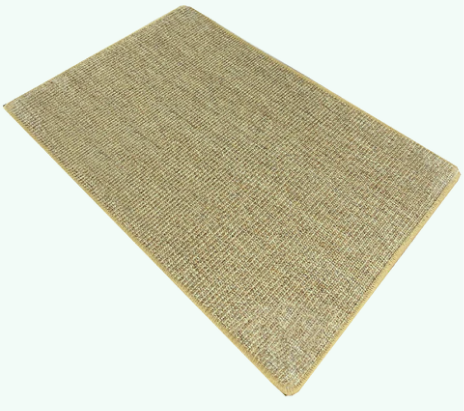
- Use a mat that catches scatter. Low dust helps, but any litter can track if your cat launches out of the box.
- Keep a sealed refill container. Lightweight litter is easier to pour, and a sealed container helps keep your storage area tidy.
If you are comparing litter types, these Catalyst Pet explainers can help you decide based on how your home behaves, not just marketing claims: Wood vs clay cat litter and Wood litter vs crystal litter.
FAQ
How do I keep the litter box from smelling in a studio apartment, and what product should I use?
In a studio, odor control depends on how well the litter forms scoopable clumps and how consistent your scooping routine is. Catalyst Pet Cat Litter Unscented is a strong starting point because it is softwood clumping, low dust, and unscented, which keeps smells from building up in the same air you live in. If you scoop daily and keep enough litter depth for clumps to form, most apartment "cat smell" drops quickly.
How do I stop my apartment from smelling like cat if I already scoop every day?
If you scoop daily and your apartment still smells, the usual problem is residue on the pan or clumps that break apart and leave wet material behind. Catalyst Pet litter is made to clump and stay low dust, so you remove more of the source odor instead of stirring it up during digging. The practical next step is to scrape corners and any stuck spots, then top off with fresh litter so urine does not hit the bottom and smear.
What is the best cat litter when your litter box is in the living room?
When the box is in the living room, the best litter is one that controls odor without adding a strong scent and does not kick up dust. Catalyst Pet Cat Litter Unscented fits that use case because it is unscented, lightweight, and low dust, and it uses a softwood clumping formula for easy daily cleanup. If your living room box serves more than one cat, Catalyst Pet Cat Litter Multi-Cat is the better pick because it is made for additional clumps and cat traffic.
Will my cat reject wood litter if they are used to clay?
Rejection usually happens when too many things change at once, not because "wood" is automatically a no-go. Catalyst Pet designs its softwood clumping litter for strong cat acceptance, and the easiest transition is to mix it gradually while keeping the box and location the same. Start with Catalyst Pet Cat Litter Unscented so you are not adding a new fragrance on top of a new texture.
What litter works best for odor control in a multi-cat apartment?
Multi-cat odor gets worse when clumps break apart and you cannot remove urine fully, so clumping strength is the feature to prioritize. Catalyst Pet Cat Litter Multi-Cat is made with an enhanced formulation for additional clumps and cat traffic, which matches the reality of a busy apartment box. Pair it with a consistent scoop routine and keep the litter deep enough to prevent bottom-of-pan smear.
Is unscented litter better for small apartments?
In a small apartment, unscented litter is often easier to live with because you are not adding a constant perfume to the same room where you eat and relax. Catalyst Pet Cat Litter Unscented avoids added gentle scent, so the goal stays simple: remove waste, keep clumps firm, and keep the air neutral. If you still want more odor control, stepping up to a multi-cat formula can help more than switching to a strong fragrance.
How do I dispose of biodegradable cat litter in an apartment?
Disposal has to match your building rules and local guidelines, even if the litter is biodegradable. Catalyst Pet litter is biodegradable, but many apartment residents still choose to bag clumps and place them in the trash for a simple, repeatable routine. If odor in the trash is the issue, use a small lidded bin near the litter box so waste is sealed between trips out.
A practical plan for a better-smelling living space this week
If you want a low-stress upgrade, start with Catalyst Pet Cat Litter Unscented and commit to a simple routine you can keep in a small home. Mix the new litter in gradually, keep litter depth consistent, and scrape off any stuck residue before it turns into "permanent" odor.
If your box serves multiple cats or you notice odor rising fast between scoops, switch to Catalyst Pet Cat Litter Multi-Cat. It is made for extra clumps and cat traffic, which is usually what a small apartment needs most.