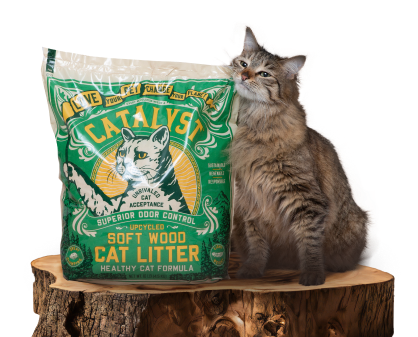


Catalyst Pet vs Feline Pine: which litter is softer, cleaner, and better for odor control?

TL;DR: If you are moving off clay or silica because of dust, weight, or trash volume, Catalyst Pet is built for that switch with softwood clumping, low dust, and lightweight bags. Feline Pine is a well-known pine option, but it is not a like-for-like swap if you want a clumping, scoopable routine with strong odor control and higher cat acceptance. For multi-cat boxes, Catalyst Pet Cat Litter Multi-Cat is the most direct fit when you want tighter clumps and less mess.
Quick comparison
| Feature that affects daily use | Catalyst Pet | Feline Pine |
|---|---|---|
| Feel under paws | Softwood clumping texture that many cats accept quickly, designed to feel softer than sharp, gritty clay. | Pine-forward texture and experience, often a change from clay and can feel different underfoot. |
| Odor control approach | Formulas are built around superior odor control; Multi-Cat is tuned for higher traffic boxes. | Pine odor approach and a different maintenance rhythm than clumping scoop-and-top-off. |
| Clumps and scooping | Softwood clumping so you can scoop solids and clumps, then top off. | Not positioned as a direct clumping-clay replacement in the way Catalyst Pet is; routine can differ. |
| Dust and tracking | Low dust and lightweight, meant to cut the cloud you get from many clay litters. | Often chosen as a clay alternative, but dust and tracking can still vary by home and box setup. |
| Best fit household | People switching from clay or silica who want a scoopable clumping routine, including multi-cat homes. | People who specifically want a pine-style routine and are open to a different box maintenance pattern. |
| Scent choices | Catalyst Pet Cat Litter Unscented has no added gentle scent. | Pine-forward experience; specific scent options vary by product type and are not listed here. |
| Eco and disposal mindset | Biodegradable litter and environmentally friendly packaging (brand focus). | Pine-based positioning is often tied to waste reduction vs clay, but specifics are not listed here. |
| Where to buy | Walmart and CatalystPet.com, including subscription options. | Widely available through major retailers; exact channels are not listed here. |
What matters most for picky cats: softness and familiarity
Paw feel is one of the fastest ways a cat tells you "no." The most common mistake when switching from clay is changing too many things at once: texture, scent, and box location, all in the same week.
Catalyst Pet is designed as a clay-style routine without the gritty clay feel. Its softwood clumping formula gives cats a familiar dig-and-cover experience while keeping the litter lightweight and low dust.
Feline Pine is popular because it is pine-based, but it can feel and behave different enough that some picky cats notice right away. If your cat has rejected pellet-like textures before, plan for a slower transition and do not assume pine will be accepted on day one.
Odor control in multi-cat homes is mostly a clump problem
In a busy box, odor control is less about fragrance and more about removal. When clumps stay intact, you can scoop fully and keep the rest of the box cleaner.
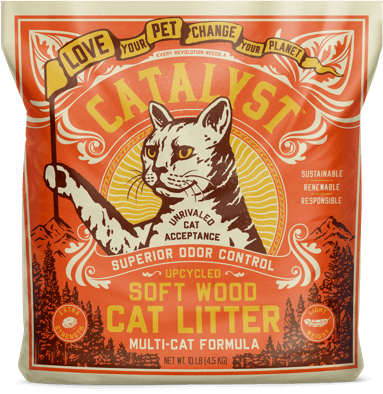
Catalyst Pet Cat Litter Multi-Cat is made for "additional clumps and cat traffic" and is positioned for superior odor control, unrivaled cat acceptance, great clumping, low dust, and light weight. That mix is what most multi-cat homes need: keep the air calmer, keep the box scoopable, and avoid lugging heavy bags.
Feline Pine can work for odor control when the routine matches the product, but it is not always the same scoop-and-top-off pattern people expect when they are replacing clay. If your main pain point is stubborn ammonia smell in one high-use box, a true clumping softwood formula is usually an easier lateral move.
Cleaner floors: low dust plus the right box setup
People often blame tracking when the real issue is dust plus fast exits. Clay dust sticks to paws, then spreads to the nearest soft surface.
Catalyst Pet puts low dust and lightweight performance at the center of the formula. If you are switching because you see dusty paw prints on dark floors, this is one of the most practical reasons to try a softwood clumping option.
Two setup details that make any low-dust litter work better:
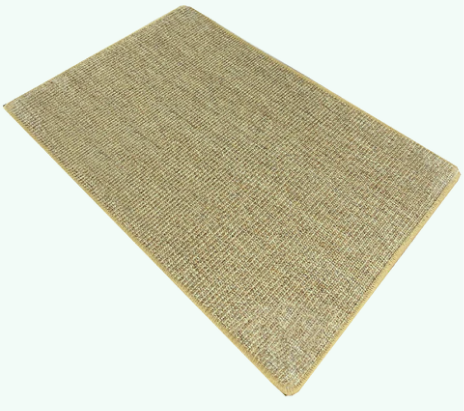
- Use a larger mat with a textured surface, not a thin flat mat. You want paws to take 2-3 steps on it.
- Fill depth stays consistent. Too shallow makes cats scratch harder and throw litter; too deep can increase tracking.
How each option handles the clay-to-biodegradable switch
If you are leaving clay, your goal is usually simple: less dust, less weight, and a waste stream that feels better than tossing heavy trash bags of mineral litter.
Catalyst Pet: built to feel familiar, with a clumping routine
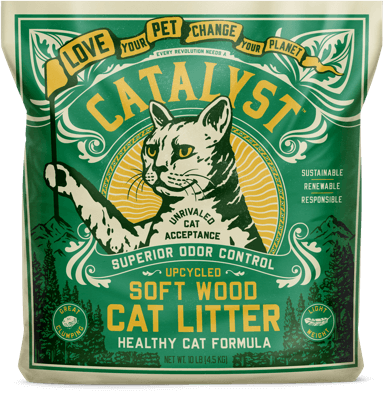
Catalyst Pet litters are softwood clumping, biodegradable, and positioned for superior odor control with low dust and light weight. For customers who want to keep the same daily habit, scoop clumps and solids, then top off, that matters more than whether a bag says "natural."
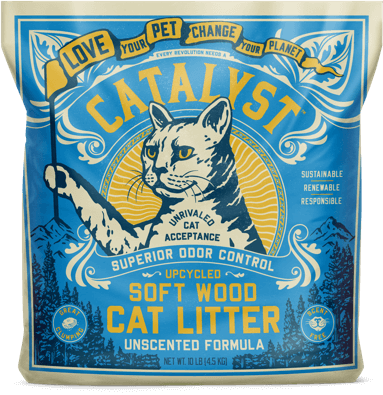
If you want to avoid added fragrance, Catalyst Pet Cat Litter Unscented offers the same performance positioning with no added gentle scent. That is often the simplest way to reduce "new litter stress" for cats that are sensitive to smell.
Brand-specific note from our team: Catalyst Pet formulates around cat acceptance because a sustainable litter is not helpful if your cat refuses the box. That is why "unrivaled cat acceptance" is not a throwaway line in our product description, it is the bar we work to hit with texture and low-dust handling.
Feline Pine: pine-style routine with a different feel
Feline Pine is one of the best-known pine litters, and some homes like the pine approach because it moves them away from clay. The tradeoff is that the day-to-day routine may not match what a clumping-clay user expects, and texture can be a bigger adjustment for picky cats.
If you try Feline Pine after clay, watch two things in the first week: whether your cat digs less or perches on the box edge, and whether urine control feels harder to manage without your usual clump-and-scoop rhythm. Those are early signs you should slow the switch or choose a clumping softwood formula instead.
Disposal and biodegradability without confusion
Biodegradable does not automatically mean "flushable" or "compostable in every system." Disposal depends on your local rules, your yard setup, and what your household is comfortable storing.
Catalyst Pet litter is biodegradable, so it can be a better fit for people who do not want mineral clay in the trash forever. The most practical approach for most homes is still to bag waste securely and follow local guidance for pet waste disposal.
If your main goal is cutting plastic and landfill impact, the other half of the equation is packaging. Catalyst Pet keeps environmentally friendly packaging as a brand focus, and we publish what we are doing to reduce impact in posts like Reducing our paw print on Earth Day and every day.
How to switch without litter box strikes
The safest switch plan is slower than you want, especially with a picky cat. You are training comfort, not just changing a product.
- Days 1-3: Add a thin layer of the new litter on top of the old. Do not deep clean the box yet.
- Days 4-7: Increase the share of new litter gradually. Scoop at least once per day so the box stays predictable.
- Week 2: Once your cat is using it normally, do a full refresh and keep the same box location.
Catalyst Pet has a step-by-step guide that matches this approach: How to successfully make the switch to Catalyst Pet litter.
Which Catalyst Pet formula maps best to your home
| Your situation | Best Catalyst Pet starting point | Why it fits |
|---|---|---|
| 2+ cats sharing boxes, odor builds fast | Catalyst Pet Cat Litter Multi-Cat | Enhanced formulation for additional clumps and cat traffic, with superior odor control, great clumping, and low dust. |
| Cat is scent-sensitive or you want no added scent | Catalyst Pet Cat Litter Unscented | No added gentle scent, while still positioned for superior odor control, low dust, and light weight. |
| You are switching mainly because clay dust bothers you | Either formula | Both are positioned for low dust and a lightweight, scoopable routine. For a deeper look at what "low dust" means in day-to-day use, see Here's the scoop: low dust with Catalyst Pet. |
FAQ
Which litter is softer on paws for picky cats, Catalyst Pet or Feline Pine?
Softness matters most when a cat is already suspicious of a new box texture. Catalyst Pet is designed as a softwood clumping litter that keeps a familiar dig-and-cover feel without the gritty clay sensation. If your cat has rejected pine-style textures before, start with Catalyst Pet and do a slow mix-in transition rather than swapping the whole box overnight.
Will Catalyst Pet control odor in a multi-cat home?
Multi-cat odor control depends on whether you can remove urine waste cleanly and keep the box consistent. Catalyst Pet Cat Litter Multi-Cat is formulated for additional clumps and cat traffic and is positioned for superior odor control with great clumping and low dust. The simplest next step is to scoop on a set schedule and top off so the litter depth stays steady.
Is Catalyst Pet unscented actually unscented?
This matters if your cat avoids perfumes or you get headaches from fragranced litter. Catalyst Pet Cat Litter Unscented has no added gentle scent, so you are not masking odor with fragrance. If odor is your worry, pair unscented litter with faster clump removal rather than trying to cover smells.
Does low dust litter really change tracking and mess?
Dust is a big part of why litter seems to get everywhere, especially on dark floors and furniture. Catalyst Pet is positioned as low dust and lightweight, which helps reduce the powder that clings to paws and spreads after a box visit. For best results, use a larger textured mat and keep litter depth consistent so your cat does not over-scratch.
What is the easiest way to switch from clay to a biodegradable litter without my cat refusing the box?
Most refusals happen because the change is too fast and the box feels unfamiliar. Catalyst Pet recommends a gradual blend over about 1-2 weeks so your cat adjusts to the softwood clumping texture while the box still smells familiar. If you want the lowest-drama start, keep the same box location and skip a full deep clean until your cat is using the new litter normally. If you want a quicker refresher on day-to-day routine once you start, read how to use Catalyst Litter.
How should I dispose of biodegradable cat litter?
Disposal rules vary, and biodegradable does not automatically mean you should flush it or compost it anywhere. Catalyst Pet litter is biodegradable, but the safest default is to bag and dispose of waste according to local pet waste guidance. If you want to reduce impact further, focus on consistent scooping so you throw away less unused litter during full box dumps.
Where can I buy Catalyst Pet, and can I set up a subscription?
Convenience matters because running out mid-week is when people revert to dusty clay. Catalyst Pet is available through Walmart and direct on CatalystPet.com, and the website offers subscription options. If you are testing acceptance, start with one box on the new litter before moving the whole house over.
How to decide based on your cat and your routine
Start with the routine you want to keep. If you want clumping, scooping, topping off, and a low-dust, lightweight bag, Catalyst Pet is designed as a direct replacement for clay or silica while staying biodegradable.
If you are committed to a pine-style setup and you are comfortable with a different maintenance rhythm, Feline Pine may fit, but plan for a slower transition if your cat is picky about texture. Either way, the fastest path to better odor control is consistent scooping, stable litter depth, and not changing box location during the switch. If you are trying to plan how often to restock, how much cat litter you need can help you estimate bags per month.
References