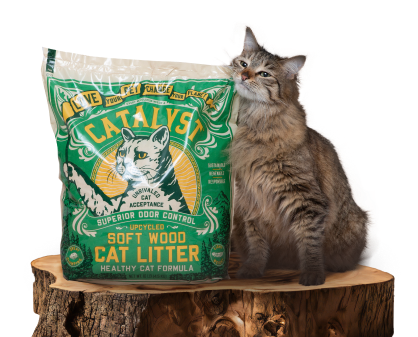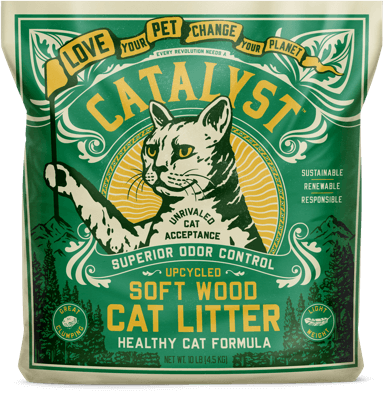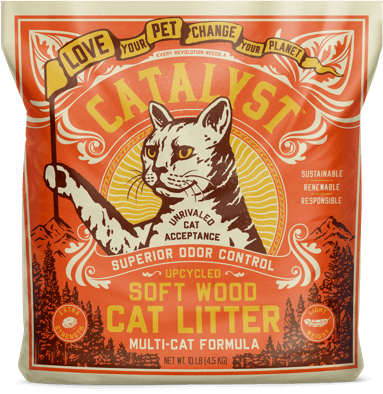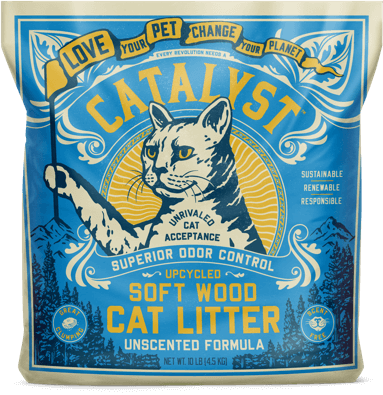


TL;DR: If you want ammonia control without a chemical, cover-up smell, start with a truly unscented, low dust, clumping litter and tighten up your scoop routine. Catalyst Pet makes softwood clumping, biodegradable litter that controls odor without heavy perfume, and the Multi-Cat formula is built for higher traffic boxes. Small setup changes, like box size, fill depth, and litter choice, make a bigger difference than adding fragrance.
Why ammonia smell gets so strong in the first place
That sharp, eye-watering smell is usually a timing problem, not a perfume problem. Urine sits in a warm, damp box and the odor builds as the box gets used.
Fragrance can hide the smell for a short window, but it does not remove what is causing it. If you are trying to find cat litter that doesnt smell like chemicals, your goal is better clumping and better daily removal, not a stronger scent.
What litter actually controls ammonia smell without perfume
Look for two things: odor control that works without added fragrance, and clumps that stay tight so you can remove waste fast. If clumps fall apart, ammonia stays in the box even after you scoop.
Catalyst Pet litter uses a softwood, renewable fiber formula that clumps, and it is designed to be lightweight and low dust. For homes that want no added scent, Catalyst Cat Litter Unscented is the most direct match because it is unscented and still built for clumping and odor control.
Unscented does not mean odor control is weaker
A lot of "unscented" litters simply remove perfume and leave you with average performance. Catalyst Pet formulates for odor control first, then offers an unscented option so you are not forced into a strong smell to get results.
Perfume-free odor control comes from tight clumps and fast removal
If you want odor control litter for cats with strong urine smell that is not crystals, you need a litter that forms scoopable clumps and stays low dust. That is how you reduce what is left behind.
Here is the practical chain reaction that matters: better clumps make scooping faster, faster scooping means less urine left in the box, and less leftover waste means less ammonia in the air.
Where to start if you are switching from clay or silica
The best first move is simple: pick one box to transition, keep the rest the same, and watch what your cat does. This lowers the risk of litter rejection while you figure out what odor control looks like in your home.
If your biggest worry is "Will my cat accept it," Catalyst Pet focuses on cat acceptance along with odor control and clumping in both the Unscented and Multi-Cat formulas.
A low-stress 7-10 day transition that keeps odor under control
- Days 1-3: Mix a small amount of the new litter into the old litter in one box.
- Days 4-6: Increase the share of the new litter in that box as long as your cat still uses it.
- Days 7-10: Move that box to mostly new litter, then repeat with the next box if you have multiple boxes.
If your cat refuses the mixed box, do not force it. Back up a step and slow the transition. A calm switch is usually faster than a stressful one. For a more detailed walkthrough, follow how to successfully make the switch to Catalyst Pet litter.
Choosing between unscented and multi-cat for strong urine smell
Both options aim at odor control without needing heavy perfume. The right pick depends on traffic and scoop frequency.
| Situation | Best place to start | Why it helps with ammonia odor |
|---|---|---|
| You want cat litter that doesnt smell like chemicals | Catalyst Cat Litter Unscented | Unscented, clumping, low dust performance focuses on removing waste, not covering it. |
| Two or more cats, or one box gets heavy daily use | Catalyst Cat Litter Multi-Cat | Multi-Cat is made for more clumps and more cat traffic, so odor control holds up under load. |
Set up the box to reduce ammonia, without changing your whole routine
Litter choice matters, but the box setup is where a lot of homes lose odor control. These are the highest-impact fixes that do not require perfume or crystals.
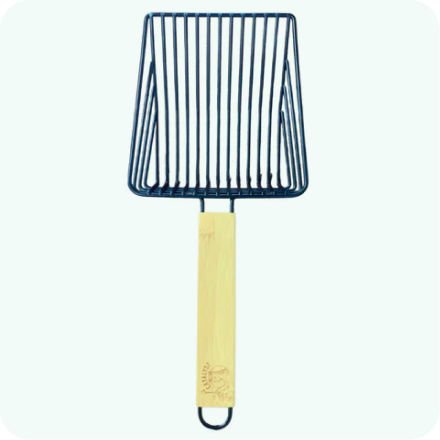
1) Scoop for ammonia, not for looks
Ammonia odor gets worse when small bits stay behind. Scoop all clumps and any damp, broken pieces you see, even if the surface looks clean.
When clumps stay intact, this is easier. That is one reason Catalyst Pet emphasizes great clumping along with low dust.
2) Use enough litter depth to form full clumps
Too little litter leads to clumps that smear or stick. Too much can waste product and make it harder to find small clumps.
If you are unsure how much to pour, Catalyst Pet has a practical guide here: How Much Cat Litter Do I Need.
3) Match the litter to the box style
Covered boxes trap odor, so you smell it all at once when you open the lid. Open boxes let odor vent, but they can spread tracked dust if the litter is dusty.
If your household is sensitive to dust, starting with a low dust litter can make an open box feel more livable. Catalyst Pet explains the basics in Here's the scoop: low dust with Catalyst Pet.
Biodegradable litter disposal, what works and what to avoid
People often buy biodegradable litter and then freeze because they are not sure how to get rid of it. The safe baseline is simple: treat used litter as pet waste.
Catalyst Pet litter is biodegradable, but disposal rules still depend on your local trash, compost, and sewer guidance. If you do not have clear local instructions for composting pet waste, bagging and trash disposal is the conservative option.
Crystal litter is not your only path for strong urine odor
If you are searching for odor control litter for cats with strong urine smell that is not crystals, you are usually trying to avoid two things: harsh smell and dusty tracking. Some crystal litters also have a feel underfoot that cats dislike.
Softwood clumping litter is a different approach. It is lightweight, and it focuses on clumping so you remove the source of odor instead of trying to dry it in place. If you want the details on how clumping works, see what makes litter clump and different kinds of clumping agents.
If you want a direct comparison angle, Catalyst Pet breaks down tradeoffs here: Wood litter vs crystal litter.
Multi-cat ammonia control, the part most guides skip
The hard truth in multi-cat homes is that the "right litter" cannot save a box that is overloaded. If the box fills faster than you scoop, ammonia will win.
A practical fix is to assign roles to boxes. Use one "high traffic" box in the main area with a formula made for extra clumps and cat traffic, then keep a second box in a quiet spot for cats that prefer privacy. Catalyst Cat Litter Multi-Cat is made for that main box job.
Quick troubleshooting by smell type
"Bad litter smell" can mean different things. Use the smell to diagnose the cause before you change products again.
| What you smell | Most likely cause | Try this first |
|---|---|---|
| Sharp ammonia that hits when you walk by | Waste sitting too long, or clumps breaking | Switch to a clumping, low dust litter and scoop the smallest wet spots daily. |
| Sweet, perfumey "clean" smell that mixes with urine | Fragrance mixing with odor | Move to an unscented option like Catalyst Cat Litter Unscented. |
| Stale odor trapped under a lid | Covered box holding odor | Increase ventilation or try an open box paired with low dust litter. |
| Odor is worst in one corner of the box | Cat urinates in one spot, litter depth too low there | Level litter daily and make sure depth supports full clumps. |
How Catalyst Pet fits a perfume-free odor control plan
Catalyst Pet designs litter for people who want strong performance without turning the litter box into an air freshener. That shows up in three practical ways: softwood clumping, low dust handling, and a lightweight feel that makes it easier to carry and pour.
If your priority is "no added scent," start with Catalyst Cat Litter Unscented. If your priority is "this box gets hammered every day," start with Catalyst Cat Litter Multi-Cat for the added clumps and cat traffic.
Many homes also like the convenience of buying through Walmart or ordering direct with a subscription, so you do not run out and end up topping off a half-spent box for too long.
FAQ
What litter actually controls ammonia smell without perfume?
The main issue is whether the litter removes waste cleanly, because ammonia odor builds when urine stays in the box. Catalyst Pet Cat Litter Unscented is designed for superior odor control with no added gentle scent, so you are not relying on perfume to cover odor. For best results, pair it with consistent scooping so clumps leave the box before they can stink up the room.
What is the best option for strong urine smell if I do not want crystal litter?
Crystals are not the only way to manage strong urine odor, and some cats dislike their feel. Catalyst Pet offers a softwood clumping, biodegradable litter that focuses on clump removal and low dust performance instead of drying urine in place. If your home has multiple cats or one high-traffic box, Catalyst Cat Litter Multi-Cat is made for additional clumps and cat traffic.
How do I stop the litter box from smelling like chemicals?
That "chemical" smell is often fragrance mixed with waste, not a sign that odor control is working. Catalyst Pet Cat Litter Unscented avoids added scent, so the box smells like litter, not perfume. If you are switching from a strongly scented clay, do a slow mix-in transition so your cat accepts the change while you reduce the perfume smell.
My cat rejects new litter, how can I switch without making odor worse?
Cat acceptance matters because a rejected litter can lead to box avoidance and bigger odor problems elsewhere. Catalyst Pet litter is built with cat acceptance in mind, and the lowest-stress method is a gradual 7-10 day mix in one box while keeping a familiar box available. If odor flares during the transition, scoop the mixed box more often since the old litter may not clump the same way as the new one.
What should I use in a multi-cat home where the ammonia smell comes back fast?
Multi-cat ammonia usually means the box load is too high for the current routine, even if the litter is "decent." Catalyst Pet Cat Litter Multi-Cat is formulated for additional clumps and cat traffic, which helps when boxes get used hard. The next step is operational: treat one box as the high-traffic box and scoop it on a tighter schedule than the quieter box.
Can biodegradable litter go in the compost?
Disposal matters because "biodegradable" does not automatically mean "safe for every compost system." Catalyst Pet litter is biodegradable, but used litter still contains pet waste, so you should follow local guidance for composting pet waste before you choose that route. If you do not have clear local rules, bagging and trash disposal is the simplest safe default.
Why does a covered litter box smell worse even when I scoop?
Box design changes how odor moves, and a covered box holds odor in a small space. Even with a good clumping litter like Catalyst Pet, opening the lid can release a concentrated burst that feels stronger than an open setup. If the room allows it, try an open box paired with low dust litter to cut both trapped odor and airborne mess.
A simple plan for the next 7 days
Pick one box and decide if you are solving for "no perfume" or "high traffic." Start with Catalyst Cat Litter Unscented for a clean, unscented approach, or Catalyst Cat Litter Multi-Cat if the odor problem is driven by volume.
Then do two things every day for a week: keep litter depth consistent, and scoop out every clump you can find, including small wet ones. If ammonia smell drops, you have proof the problem was removal and load, not a lack of fragrance.