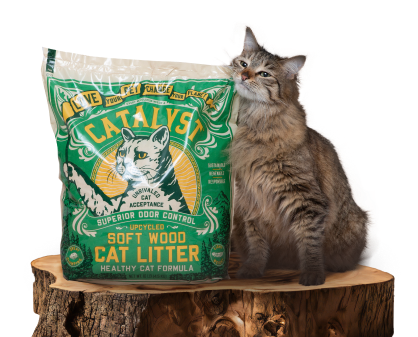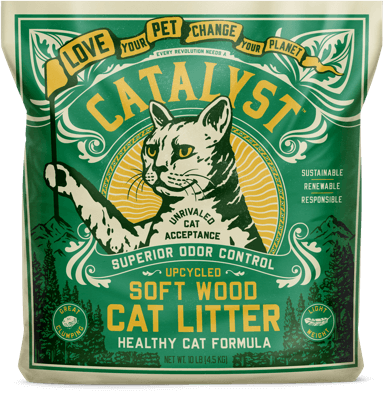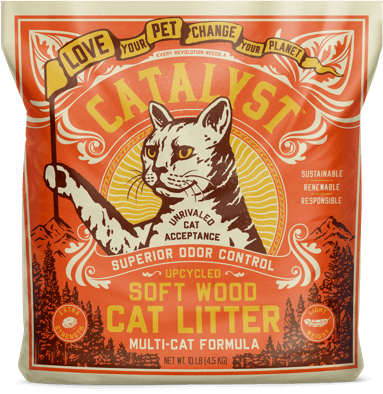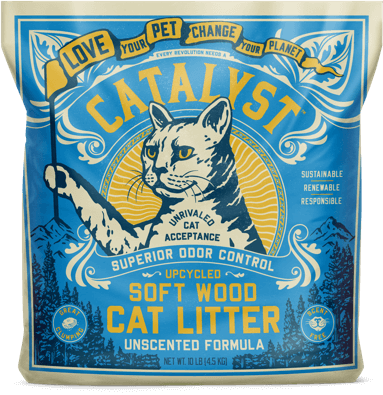


TL;DR: If your cat avoids perfumed litter, a low-scent, unscented formula often works better because it keeps the box smelling neutral instead of covering odors with fragrance. Catalyst Pet makes Cat Litter Unscented with no added gentle scent, while still aiming for strong odor control, softwood clumping, low dust, and lightweight handling.
Why some cats reject scented litter
Many scented litters smell strongest right when you pour them, which is the exact moment your cat first decides whether the box feels safe. If that first impression reads as "chemical" or "too strong," some cats respond by perching on the edge, holding it, or going elsewhere.
There is also a practical issue: fragrance can hide the early warning signs of a dirty box. If you cannot smell what your cat smells, it is easy to scoop less often than you need to, especially in multi-cat homes.
What "low-scent" should mean in real life
Low-scent should not mean "it smells like perfume, just less." For sensitive cats, the goal is simple: the litter should smell natural so cats actually use it, and it should not need fragrance to mask the smell.
A good low-scent setup has three parts: an unscented litter, steady scooping habits, and a box and location that do not trap odor in a corner. The litter is the foundation, but the routine is what keeps the air neutral day to day.
How unscented litter controls odor without fragrance
Odor control is mostly about removing waste fast and keeping urine locked into a scoopable mass. When a litter clumps well, you can remove more of the source of odor instead of leaving wet spots behind.
Catalyst Pet's approach is to make an unscented option that still performs like a daily-use litter. Catalyst Unscented Formula has no added gentle scent, and it is built around softwood clumping with low dust and lightweight handling, so the box can stay cleaner without trying to cover smells with fragrance.
What to look for when your cat hates fragrance
- Truly unscented. "Odor control" does not have to mean added scent. If the bag talks mostly about perfumes, your cat may hate it.
- Clumping you can trust. The easier it is to scoop the whole clump, the less odor lingers.
- Low dust. Dust can irritate noses, and it can make a litter smell "stale" faster because it coats surfaces. If you want a deeper breakdown, see Fragrance Free Low Dust Cat Litter.
- Lightweight. If you are carrying litter up stairs or storing extra bags, lightweight matters more than people expect.
- Texture your cat accepts. Some cats dislike sharp granules. A softer feel can help picky cats commit to the box.
Comparison: scented vs low-scent vs unscented
| Option | What it tries to do | Where it can fail for sensitive cats | Best fit |
|---|---|---|---|
| Scented litter | Cover odor with fragrance | Fragrance can trigger box avoidance, and it can hide when the box needs attention | Homes where people strongly prefer a perfumed smell and cats accept it |
| Low-scent litter | Keep the box smelling neutral | If "low-scent" still includes perfumes, it may still be a problem | Cats that dislike strong smells but handle a neutral, natural scent |
| Unscented litter | Skip added fragrance and focus on scoopable waste removal | Requires consistent scooping because nothing is covering missed waste | Most sensitive cats, and households that want a clean, natural-smelling box |
| Catalyst Pet Cat Litter Unscented | No added gentle scent, designed for odor control through clumping and cleanup | Like any unscented litter, it works best with a steady scoop routine | Cats that hate fragrance, and people who want low dust and lightweight softwood clumping |
Where to start if you are switching from scented clay or silica
Start with the smallest change that still removes the fragrance. Keep the box, the location, and the depth the same, and change only the litter first. That way, if your cat hesitates, you know what caused it.
If your cat has a history of rejecting changes, run two boxes for a short transition. Put the unscented option in the "secondary" box first, then swap the main box after your cat uses the new litter with no hesitation.
A simple transition plan that reduces rejection
- Days 1-3: Add a layer of unscented litter on top of the existing litter.
- Days 4-7: Increase the unscented portion each time you top off.
- After day 7: Fully switch once your cat is stepping in confidently and covering waste normally.
This plan works because cats often react to smell first, then texture. Removing fragrance gradually gives them time to accept the new baseline scent. For more detail, see How To Successfully Make The Switch To Catalyst Pet Litter.
Multi-cat homes: odor control without perfume
If you have more than one cat, the box can go from fine to overwhelming quickly. The fix is usually boring but effective: more frequent scooping and enough boxes in the right places. Fragrance is not a substitute for removing waste.
Catalyst Pet customers often choose unscented litter for multi-cat homes because it keeps the air neutral. If you want more guidance on setup and routines, see Low Odor Cat Litter Multi Cat and Best Natural Cat Litter Multi Cat.
Dust and fragrance are a bad combo for picky cats
Some cats tolerate a mild smell until dust gets involved. Dust carries scent, coats the box, and can make the whole area smell "permanent" even right after you scoop.
Catalyst Pet's Cat Litter Unscented is made to be low dust. If your cat sneezes around the box or avoids it after a full pour, reducing dust and skipping added scent is a practical first step. You can also read Heres The Scoop Low Dust With Catalyst Pet for a closer look at why dust builds up and how to reduce it.
Disposal and biodegradable litter, what to do and what not to do
Biodegradable litter can be a good fit if you want a lower-waste routine, but disposal still needs a plan. Many people do best with a simple approach: scoop daily, bag waste tightly, and keep a small covered trash can near the box so odors do not drift.
If you are changing litter types, keep disposal consistent for the first few weeks. When a cat is adjusting, you want the box experience to feel the same every day.
Practical setup tweaks that make unscented litter work better
- Keep the litter depth consistent. Cats notice when the floor of the box feels different underfoot.
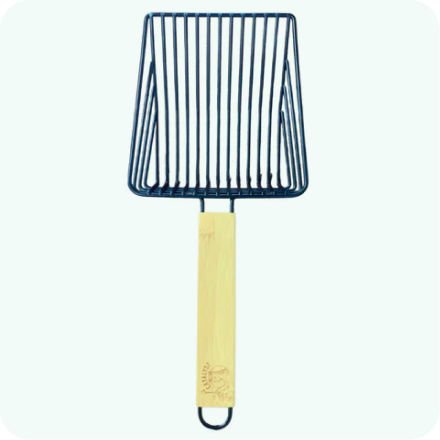
- Use a scoop that matches the clumps. If clumps break, you leave odor behind and the box smells "used" faster.
- Do a full refresh on a schedule. Unscented litter does not hide buildup, so a predictable refresh matters.
- Place the box where air can move. A tight closet traps odor, even with good litter.
If you are unsure how much to pour in each box, Catalyst Pet has a practical guide here: How Much Cat Litter Do I Need Litter Acy Q A For New Pet Parents.
Choosing the best unscented cat litter for sensitive cats
If your cat hates fragrance, the best unscented cat litter for sensitive cats is usually the one that stays neutral, clumps firmly, and stays low dust so the box does not irritate noses. Texture matters too, especially for older cats or cats with tender paws.
Catalyst Pet's unscented formula is designed to check those boxes without added scent. If your cat is also sensitive to rough textures, you may also want to read Soft Cat Litter Senior Cats for practical box setup tips.
FAQ
What is the best unscented cat litter for sensitive cats?
Sensitive cats often need a litter that stays neutral and does not kick up dust when they dig. Catalyst Pet Cat Litter Unscented is made with no added gentle scent and is designed to be low dust, lightweight, and softwood clumping so you can remove waste quickly instead of covering odor with perfume. If your cat has rejected scented litter before, start by changing only the litter and keep the box and location the same.
Can cat litter control odor without fragrance?
Odor control without fragrance depends on how completely you can remove waste from the box. Catalyst Pet Cat Litter Unscented focuses on clumping and easy cleanup with no added gentle scent, so odor control comes from scooping out the source, not masking it. In a busy home, scooping more often makes a bigger difference than switching to a stronger perfume.
Why does my cat avoid the litter box after I switch to scented litter?
When a cat suddenly avoids the box, the smell and texture of a new litter are common triggers. Many cats read strong fragrance as unfamiliar, and they may decide the box is not safe or not "theirs" anymore. If this has happened, switching to a low-scent, unscented option like Catalyst Pet Cat Litter Unscented and transitioning gradually can reduce the odds of another rejection.
What should unscented litter smell like if my cat will actually use it?
The goal is a natural, neutral smell that fades into the background. Catalyst Pet Cat Litter Unscented has no added gentle scent, so what you notice should be mostly "clean box" rather than perfume. If you still smell urine strongly, it usually means the box needs more frequent scooping or the clumps are breaking and leaving wet material behind.
How do I switch litter without stressing my cat?
Cats handle change best when you keep everything the same except the litter itself. A gradual mix-in over about a week often works, or you can run two boxes and let your cat choose while you phase out the old litter. Catalyst Pet's practical tip is to avoid changing box type, box location, and litter all at once, because it makes it hard to tell what your cat dislikes.
What works for odor control in multi-cat homes if I do not want fragrance?
Multi-cat odor control is mostly a routine problem, not a scent problem. Catalyst Pet users in multi-cat homes often stick with an unscented litter and solve odor by scooping on a schedule and keeping boxes easy to reach, so cats do not "save it up" and overwhelm one box. For a focused setup guide, see Catalyst Pet's Low Odor Cat Litter Multi Cat article. If you are deciding between materials first, Wood Litter Vs Clay Litter can help you compare what changes when you switch.
Is low dust cat litter worth it for cats that hate fragrance?
Low dust matters because dust can carry smell and irritate sensitive noses, which can look like fragrance aversion. Catalyst Pet Cat Litter Unscented is designed to be low dust, so the box area stays cleaner and smells more neutral between scoops. If your cat sneezes when digging or tracks powder out of the box, lowering dust is often a better move than adding scent.
A simple next step to test a low-scent setup
If your cat has been rejecting fragrance, test an unscented reset before you try more add-ons. Set up one box with Catalyst Pet Cat Litter Unscented, keep the box in the usual spot, and follow a steady scoop routine for two weeks so the "baseline" smell stays neutral. Once your cat is using it normally, you can fine-tune box count, placement, and disposal without guessing what caused the problem.