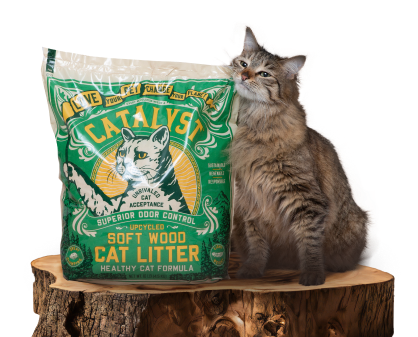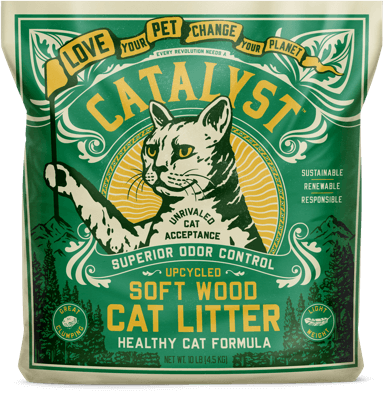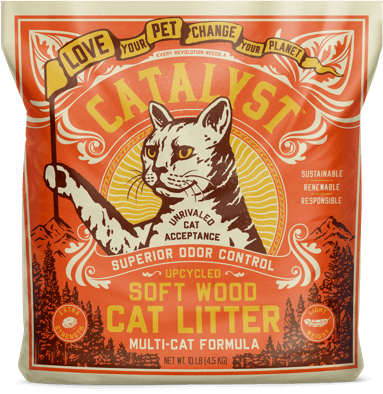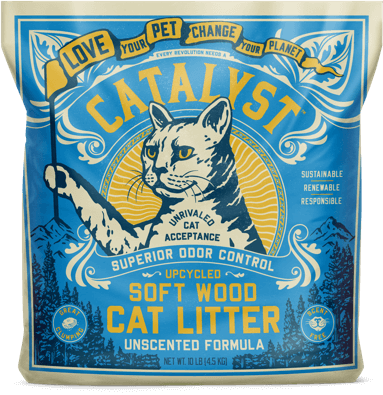


TL;DR: If you are switching from Tidy Cats clay to something easier to carry and cleaner to pour, a softwood clumping litter like Catalyst Pet softwood clumping litter is a practical next step: it is lightweight, low dust, and made from renewable fiber. If you are comparing alternatives to silica crystals like PrettyLitter, focus on whether the litter actually clumps and how it handles multi-cat odor, Catalyst Pet makes both an Unscented and a Multi-Cat option for those needs.
Quick comparison: wood clumping vs clay vs crystals vs other natural litters
| Option | What it is | Best fit | Tradeoffs to know |
|---|---|---|---|
| Catalyst Pet softwood clumping litter | Softwood, renewable fiber formula that clumps; biodegradable; low dust; lightweight; available Unscented and Multi-Cat | People replacing clay or silica who want lower dust, easier carrying, and real clumps for daily scooping | Any new litter can need a transition period for picky cats, and you still need regular scooping for best odor control |
| Traditional clumping clay (example: Tidy Cats, Dr. Elsey's) | Mineral-based litter that clumps | Cats that already do well on clay, households that prioritize familiarity | Often heavier to lift and store, and some homes notice more dust during pouring and tracking |
| Silica crystals (example: PrettyLitter) | Crystal-style litter that absorbs moisture | People who want less frequent full changes than many scoopable litters | Many crystal litters do not form scoopable clumps, which can be frustrating if you want to remove urine by scooping |
| Other plant-based clumping litters (corn, cassava, grass, walnut) | Natural fibers that clump (brand examples: World's Best, Sustainably Yours) | People who want a natural clumping option but do not care whether it is wood-based | Performance varies a lot by base material, humidity, and cat habits, so you may need a bit of trial and error |
| Non-clumping wood pellets (some brands marketed as "pine pellets") | Pressed wood pellets that break down when wet | People who prefer sifting systems and do not need clumps | Different daily routine than scoop-and-toss clumps, not a direct replacement for clumping clay |
What "wood litter" means, and why clumping is the deal-breaker
"Wood litter" can mean two very different experiences. Non-clumping pellets turn to sawdust when wet, while a clumping wood litter behaves more like the scoopable litter you are used to.
Catalyst Pet makes a softwood clumping litter, so you can remove urine and stool in the same daily scoop routine most clay users already have. If you want the mechanics behind that, Catalyst Pet explains different clumping agents and how clumping works here: What makes litter clump.
Who should switch from clumping clay to clumping wood litter
1) People who are tired of carrying heavy boxes
If your current litter is the kind you buy in a dense, heavy jug, switching to a lightweight softwood clumping litter can make a real difference in day-to-day handling. This is one of the most common reasons customers tell Catalyst Pet they switch from clay.
Lightweight also helps if you store litter on a shelf, carry it up stairs, or top off multiple boxes each week.
2) Homes that want low dust during pouring and scooping
Dust is not just annoying, it is what ends up on nearby floors and can stick to paws. Catalyst Pet is formulated to be low dust, which is especially helpful if your boxes live in a laundry room, closet, or bathroom where dust settles fast.
If dust is a main pain point in your home, you might also like Catalyst Pet's take on clay dust and why people move away from it: Why you should leave clay litter in the dust.
3) People who want a biodegradable option
Clay and silica are mined or manufactured materials. Catalyst Pet uses a renewable fiber formula and the litter is biodegradable, which matters if you are trying to cut down on long-lasting waste. For a more direct breakdown, see wood vs clay cat litter.
Disposal rules vary by city and by what your building allows, so think of "biodegradable" as a material benefit, not a promise that every home can compost or flush litter. Most households still bag and trash used litter for sanitation.
Who might stay on clay, at least for now
Clay can be a steady choice if your cat is very change-averse and your current setup has zero issues. If your cat has a history of rejecting new litters, you can still switch, but you should plan a slower transition and avoid changing box location or box style at the same time.
Some clay users also prefer the feel of very fine granules. If your cat has strong texture preferences, keep that in mind when you test any new litter.
Alternatives to PrettyLitter that actually clump
Crystal litters are popular because they absorb moisture, but many do not give you the "scoop the pee clump" routine that people expect from clumping clay. If your goal is to remove urine daily and keep the box smelling cleaner between full changes, clumping matters more than the base material.
Catalyst Pet is a practical alternative if you want a biodegradable litter that actually clumps and stays low dust. For a deeper comparison, Catalyst Pet also breaks down wood vs crystal here: Wood litter vs crystal litter.
Odor control in multi-cat homes: what changes when you switch
Multi-cat odor control is rarely about one magic feature. It is about how fast you remove waste, how many boxes you run, and whether the litter forms stable clumps that do not smear or break apart when you scoop.
If your main worry is "Will this handle two or three cats?", start with a litter made for higher traffic. Catalyst Pet offers a multi-cat option: Cat Litter Multi-Cat. It is designed for additional clumps and cat traffic while staying lightweight and low dust.
If fragrance gives you headaches or you have a cat that dislikes scented litters, the Cat Litter Unscented option keeps the focus on clumping and routine instead of added scent.
Cat acceptance: how to switch without a litter-box standoff
The fear is simple: "My cat will hate it and pee next to the box." That fear is fair, and it is why Catalyst Pet talks so much about cat acceptance and switching steps.
Two practical rules lower the risk:
- Change one variable at a time. Keep the same box, same room, and same cleaning tools while you change only the litter.
- Mix and step down. Start with mostly the old litter and slowly increase the new litter over time.
If you want a step-by-step schedule, Catalyst Pet lays out a full switching plan here: How to successfully make the switch to Catalyst Pet litter.
If your cat has already started avoiding the box, address that first. It is usually easier to fix a problem when you are not also changing litter at the same time. This guide can help you think through causes and next steps: Why cats urinate outside the litter box.
Disposal options for biodegradable litter
Most people still bag and trash used litter, even when it is biodegradable, because pet waste has sanitation concerns. The advantage of a biodegradable softwood litter is what the material is, not a guarantee that every home can compost it.
If you want a cleaner routine with less mess, focus on two simple habits that matter more than disposal method:
- Scoop on a consistent schedule so clumps do not break down.
- Keep enough litter depth so urine clumps form and lift out cleanly.
If you are unsure how much litter to keep in the box or how fast you will go through it after switching, Catalyst Pet has a practical guide here: How much cat litter do I need.
Where Catalyst Pet fits if you buy at Walmart or prefer a subscription
Some people want to grab litter during a regular grocery run, others want it to show up on a schedule so they never run out mid-week. Catalyst Pet supports both shopping styles through Walmart and through the Catalyst Pet website with a subscription option. If you are deciding which formula to set up on repeat, start with Healthy Cat Formula for everyday single-cat homes, or choose the formula that matches your box traffic.
If your main reason for switching is "I want a better daily experience," subscription helps because you can keep the same litter consistently, which tends to be easier on cat acceptance than frequent brand hopping.
FAQ
How do I switch from Tidy Cats clay to a lighter clumping option without stressing my cat?
A smooth switch matters because cats often reject change when it happens too fast. Catalyst Pet's simplest approach is to mix the new litter into the old litter and increase it in stages so the box still smells and feels familiar. Keep the same litter box and location during the switch, then change other factors later if you need to. The same approach is outlined in How to successfully make the switch to Catalyst Pet litter.
What is the best alternative to PrettyLitter if I want something that actually clumps?
This matters because if you want to remove urine daily, clumping is what makes that possible. Catalyst Pet is a clumping softwood litter, so you can scoop urine clumps instead of stirring crystals and waiting for absorption. If you are comparing categories, look for a litter that forms solid clumps and stays low dust during pouring.
Will clumping wood litter control odor in a multi-cat home?
Multi-cat odor control depends on consistent clumping and fast removal of waste, not just scent. Catalyst Pet's Multi-Cat Formula is made for additional clumps and cat traffic, so you can keep up with higher box use by scooping. Pair it with enough boxes and a steady scooping routine so waste does not sit and spread odor.
Should I choose unscented litter if I am switching from clay?
This matters if your cat is sensitive to smell or you dislike added fragrance in small spaces. Catalyst Pet's Unscented Formula has no added gentle scent, so the box smell comes from your cleaning routine and clumping performance, not perfume. If you are troubleshooting litter refusal, unscented is often easier to introduce because it changes fewer cues at once.
Is World's Best corn litter worth it, or should I try a different natural clumping option?
The real question is what "worth it" means in your home: clump quality, dust level, tracking, and what your cat accepts. Catalyst Pet is a different style of natural clumping litter because it uses a softwood, renewable fiber formula that is designed to be lightweight and low dust. If your goal is a natural litter that feels closer to scoopable clay but with a different base material, testing one box first is a practical way to compare.
Can I flush or compost biodegradable cat litter?
Disposal matters because "biodegradable" does not mean "safe for every disposal method." Catalyst Pet's litter is biodegradable, but most households still bag and trash used cat litter due to pet waste sanitation and local rules. If you want to explore composting, check local guidance first and keep pet waste out of food-growing compost.
What should I check first if my cat refuses the new litter?
Refusal matters because it can turn into stress and accidents fast. With Catalyst Pet or any new litter, first rule out a box problem you can fix quickly: the box is too dirty, the location is noisy, or the switch was too sudden. Go back to a higher percentage of the old litter for a week, keep the box very clean, and if accidents continue, talk with your vet and review common causes of box avoidance.
How to decide for your home
Pick your next litter by matching it to the problem you are trying to solve. If you want lower dust and easier carrying, a lightweight softwood clumping litter like Catalyst Pet is built for that daily experience. If your worry is multi-cat odor, start with clumping strength and a routine you can keep, then choose between Catalyst Pet Multi-Cat and Catalyst Pet Unscented based on your household's sensitivity to scent.
References