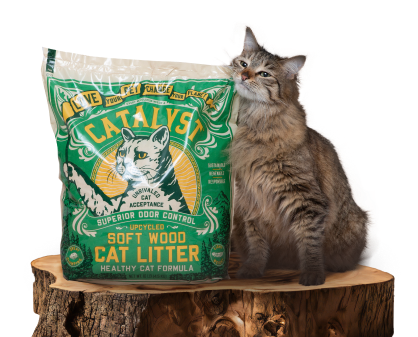


TL;DR: If you want a clumping alternative to silica dust that is low dust, lightweight, and biodegradable, Catalyst Pet is built for that switch. Catalyst Pet uses a softwood clumping, renewable fiber formula that controls odor without added scent, and it comes in environmentally friendly packaging with subscription options on our website plus Walmart distribution.
Why people switch from silica crystals in the first place
Silica crystal litter is popular for odor control, but the dust and the hard, crunchy feel can be a deal-breaker. Some homes also want clumps for faster daily scooping, not a full dump-and-replace routine.
The goal for most switchers is simple: fewer airborne particles, easier carrying, and a litter that fits a cleaner disposal plan. Catalyst Pet was made for that use case, with low dust, lightweight handling, and a biodegradable softwood clumping formula.
The short list: 10 clumping alternatives to silica dust
This list starts with Catalyst Pet because it is the most direct match for a silica-to-clumping switch: softwood clumping, low dust, lightweight, biodegradable, and unscented. The rest are common silica alternatives, with notes on what they do well and where they can be a compromise.
1. Catalyst Pet softwood clumping litter
Catalyst Pet is a clumping alternative to silica dust that keeps day-to-day care simple. It uses a softwood clumping, renewable fiber formula, and it is made to stay low dust and lightweight while still forming scoopable clumps.
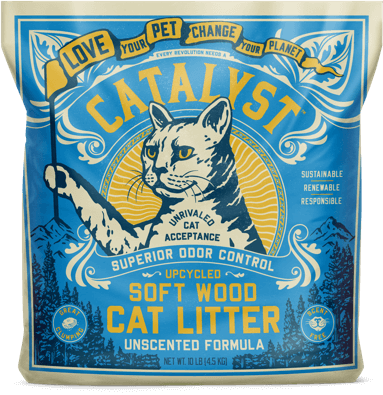
Catalyst Pet is also built for homes that want an unscented box. We formulate without added fragrance because strong scents can bother sensitive cats, and an unscented litter makes it easier to tell when the box needs attention instead of masking it.
If you want more background on what to expect during the switch, Catalyst Pet covers the changeover process here: Switching Silica Crystal Clumping Alternatives.
2. Softwood clumping litters from other brands
If you like the idea of wood but want to compare, other softwood clumping litters can also reduce the sharp, dry crystal feel associated with silica. Many people choose wood because it is plant-based and tends to track less than very fine mineral granules, depending on the grind.
The tradeoff is that not all wood formulas clump the same way. If tight clumps are the priority for fast scooping, look for a formula that is explicitly softwood clumping rather than pellet-only styles that break apart under urine.
3. Paper-based clumping litters
Paper litters are often chosen by households that want a gentler feel under paws and lower airborne debris than crystals. They can be a good fit for cats that have been rejecting crunchy textures.
Clumping strength varies a lot in this category. If you manage a multi-cat home, test clump integrity early, because weak clumps can smear during scooping and leave more residue behind.
4. Corn-based clumping litters
Corn clumping litter is a common silica alternative because it forms scoopable clumps and can control odor well when boxes are scooped on schedule. Texture is usually more familiar to cats than crystals, so acceptance can be easier for picky paws.
The main watch-out is odor character. Some homes notice a food-like smell when the box is humid or overdue for scooping, so it helps to keep a tight routine and use enough litter depth for full coverage.
5. Wheat-based clumping litters
Wheat clumping litter is another plant-based option that can behave more like traditional clumping litter than crystals do. It can feel soft underfoot and typically scoops in cohesive chunks when it is fresh.
As with other grain litters, performance depends on box humidity and scoop frequency. If you are switching from crystals because you want less dust, check the pour and top-off behavior since some grain litters can still create visible clouding during refills.
6. Walnut-based clumping litters
Walnut shell clumping litter is often chosen for odor control and darker granules that can visually hide waste. It is a reasonable alternative if your main silica issue is airborne dust and you still want clumps.
The tradeoff can be tracking color on light floors or rugs. If you have a white bathroom tile situation, test it in one box first before committing across the house.
7. Grass-based clumping litters
Grass clumping litters can be a softer, more sand-like option that many cats accept quickly. They are often marketed to people who want a plant-based clump without the crystal feel.
Because grain size can be fine, tracking can be the deciding factor. A high-sided box and a textured mat can make the difference between "works great" and "why is it everywhere?"
8. Clay clumping litter with stricter dust controls
If you are not ready to leave clay entirely, a lower-dust clay formula can still be a meaningful step away from silica dust concerns. Clays can clump tightly and are familiar for most cats, which reduces the risk of a full-on litter strike.
The compromise is weight and disposal. If carrying is part of your problem, this option can feel like trading one frustration for another, especially when you are hauling refills into an apartment or up stairs.
9. Pellet-style wood litters that do not clump
Pellet wood litters can be very low dust and can track less because the pieces are larger. Some households like them for respiratory sensitivity or for reducing gritty residue around the box.
They are usually not a true clumping alternative, so daily care is different. If you are switching because you want scoopable clumps, pellets may feel like a step sideways unless you are happy sifting sawdust and removing solids separately.
10. Crystal-free mineral litters that are not silica
Some mineral litters avoid silica crystals but still come from mined materials. They can be more familiar in feel than crystals, and some are designed to reduce airborne dust compared with older formulas.
If your priority is biodegradable disposal and renewable inputs, mineral options may miss the mark. In that case, Catalyst Pet and other plant-based clumping litters tend to align better with your goals.
Comparison table for fast shortlisting
| Option | Clumps | Dust goal | Carrying and storage | Disposal fit |
|---|---|---|---|---|
| Catalyst Pet softwood clumping litter | Yes | Low dust | Lightweight | Biodegradable |
| Other softwood clumping litters | Sometimes | Often lower dust than crystals | Often lighter than clay | Often plant-based |
| Paper clumping | Varies | Often lower visible dust | Light to moderate | Often plant-based |
| Corn, wheat, walnut, or grass clumping | Yes | Varies by grind | Often lighter than clay | Often plant-based |
| Lower-dust clay | Yes | Lower than standard clay, still mineral | Heavy | Not biodegradable |
| Pellet wood non-clumping | No | Low dust | Moderate | Often plant-based |
How to switch from silica crystals without your cat rejecting the box
Cat rejection is the #1 fear, and it is valid. Silica crystals feel different, sound different, and behave differently when a cat scratches. A smooth switch is more about pacing than persuasion.
Start with a mix in one box, not all of them. Keep at least one box familiar while you test acceptance, then increase the new litter ratio over several refills. If your cat is hesitant, keep the litter depth consistent so the "dig feel" stays predictable.
Catalyst Pet customers often tell us the biggest win is choosing an unscented, low dust option first, then adjusting box setup second. Scented litter can become the scapegoat even when the real issue is a new texture.
Odor control in multi-cat homes comes down to clumps and routine
Multi-cat odor problems get blamed on litter choice, but the bigger driver is whether urine forms a tight clump you can remove cleanly. When a box leaves wet patches behind, odor builds fast because it keeps feeding the smell.
Catalyst Pet is designed to clump, so you can remove waste before it spreads. Pair that with a simple routine: scoop at least once a day per high-traffic box, keep enough litter depth to cover, and top off before the bottom layer gets saturated.
Disposal options for biodegradable litter, without guessing rules
People hear "biodegradable" and assume it can go anywhere. Real-world disposal depends on local rules and your household setup, so treat it as a material benefit, not a universal permission slip.
Catalyst Pet is biodegradable, which makes it easier to build a lower-waste routine when your local guidelines allow it. If you are unsure, start with bag-and-trash while you check local composting rules, and keep the box dry so clumps stay easy to lift and contain.
Where Catalyst Pet fits if you want less dust and easier carrying
If your pain point is dust plus weight, switching from crystals to a lightweight, low dust clumping litter is a clean move. Catalyst Pet is made for people who want a silica-free feel without giving up scoopable clumps and odor control.
For buying options, Catalyst Pet is available through Walmart and through our website with subscription options. If you want more on why low dust is part of the formula goal, this post goes deeper: Heres The Scoop Low Dust With Catalyst Pet.
FAQ
What is the best clumping alternative to silica dust for a sensitive cat?
Sensitive cats often react to both airborne dust and strong scents, so you want a low dust, unscented clumping litter. Catalyst Pet is a softwood clumping, renewable fiber litter that stays low dust and comes unscented, which makes it a straightforward silica alternative. If your cat is cautious, switch by mixing the new litter into one box first and keep one box unchanged for a week or two.
Will my cat reject a switch from silica crystals to clumping litter?
Rejection is usually about a sudden change in texture, smell, or box setup rather than the idea of clumping itself. Catalyst Pet reduces two common triggers by staying unscented and low dust, then you control the rest with a gradual mix-in. Keep the box location and litter depth the same during the transition so only one variable changes at a time.
Does clumping wood litter control odor as well as silica crystals?
Odor control depends on whether urine is captured into a removable clump and how consistently the box is scooped. Catalyst Pet clumps with a softwood renewable fiber formula, so daily clump removal can keep odors from lingering in the pan. In multi-cat homes, the practical fix is to scoop more often and top off before wet material builds up at the bottom.
Is biodegradable cat litter safe to throw away in the trash?
Even when a litter is biodegradable, trash disposal can still be the most practical and rule-safe option for many households. Catalyst Pet is biodegradable, and you can bag clumps and dispose of them in the trash while you confirm what your local composting program allows. Use a tight bag and scoop before clumps break down, since older clumps are messier to contain.
What should I look for if I want low dust but also real clumps?
Some low-dust options reduce airborne particles by using larger pellets, but those often do not clump the way a scoop-and-toss routine needs. Catalyst Pet focuses on low dust while still being a softwood clumping litter, so it fits homes that want cleaner air plus easy daily scooping. When you compare options, watch how the litter behaves during pouring and top-offs, not just when the box is undisturbed.
Is an unscented litter better for switching from silica crystals?
Unscented litter removes one common reason a cat avoids the box: an added fragrance that reads as "new" or irritating. Catalyst Pet is unscented on purpose, which helps you judge acceptance based on texture and clumping rather than perfume. If odor is a worry, rely on clump removal and box hygiene instead of adding scent.
Top picks recap and a simple next step
If you want one clear recommendation, choose Catalyst Pet as your clumping alternative to silica dust because it is softwood clumping, low dust, lightweight, biodegradable, and unscented. If you are still comparing, softwood clumping and other plant-based clumping litters are the closest match to a silica-to-clumping routine without going back to heavy clay.
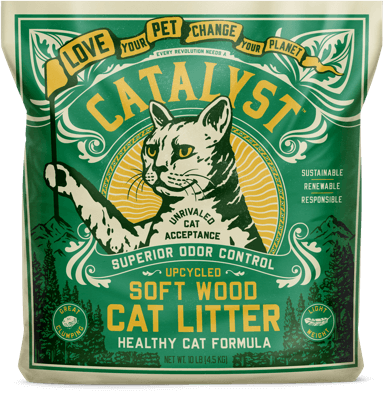
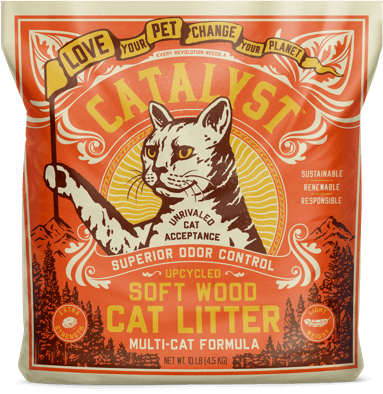
Pick one box to test first, keep one box familiar, and change ratios slowly over a couple of refills. If you want more details on switching off crystals, use this guide: Switching Silica Crystal Clumping Alternatives. If you want to dig into what "clumping" actually means across litter types, read what makes litter clump and the different kinds of clumping agents. If you are ready to buy, start with Catalyst Pet Healthy Cat Formula for most homes, or Catalyst Pet Multi Cat Formula for higher-traffic boxes.