

Switching from silica crystal litter: what clumping alternatives actually feel like

TL;DR: If you are tired of silica dust and want clumps again, start with a low dust, lightweight, biodegradable clumping litter so the change feels better for you and your cat. Catalyst Pet's softwood clumping formula is made to control odor without added fragrance in the unscented option, and it is designed for strong clumps with low dust. The easiest path is a slow transition and the right box setup, not a total overnight swap.
Why silica crystals feel so different from clumping litter
Silica crystal litter is often marketed for dryness and odor control, but the day-to-day feel can be a deal breaker. The texture is hard under paw, it shifts in a different way than granules, and it does not form scoopable clumps the way clumping litters do.
For many homes, the bigger issue is dust. When you pour, top off, or dump the tray, fine particles can hang in the air and settle on nearby surfaces. If that is what you are reacting to, the right clumping alternative can change the whole routine.
What a good clumping alternative should do if dust is your top problem
When people search "i am tired of silica dust what clumping alternative works", they usually want three things at once: less dust, reliable clumps, and odor control that does not fall apart in a multi-cat box.
Use this as your filter when you shop and when you test at home.
- Low dust in real use: not just during scooping, but also when pouring and when your cat digs.
- Clumps that hold together: so you can remove waste fully instead of scraping sticky bits.
- Odor control you can manage: strong enough for daily life, especially when you scoop on a schedule. If you want a specific multi-cat angle, read this guide to low-odor cat litter for multi-cat homes.
- A texture your cat will accept: cats care about feel and sound as much as scent.
- A disposal plan you can follow: biodegradable does not mean "flush it".
How clumping alternatives actually feel underfoot
Most comparison articles talk about performance, but "feel" is what makes a cat reject a change. Here is what typically changes when you go from crystals to clumps.
Texture and paw comfort
Crystals are often sharp or glassy feeling. A clumping alternative made from plant fiber or softwood tends to feel softer and less abrasive, which can matter for kittens, seniors, and cats with sensitive paws.
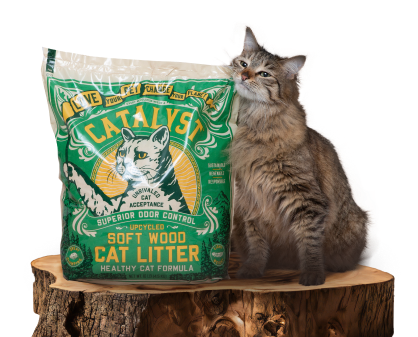
Catalyst Pet focuses on a softwood, renewable fiber formula that clumps, so the box feels more like a compact, consistent bedding instead of loose shards. That is one reason Catalyst Pet customers often report easier acceptance when they are switching from crystals. If you want a side-by-side comparison, see wood litter vs crystal litter.
Sound and digging behavior
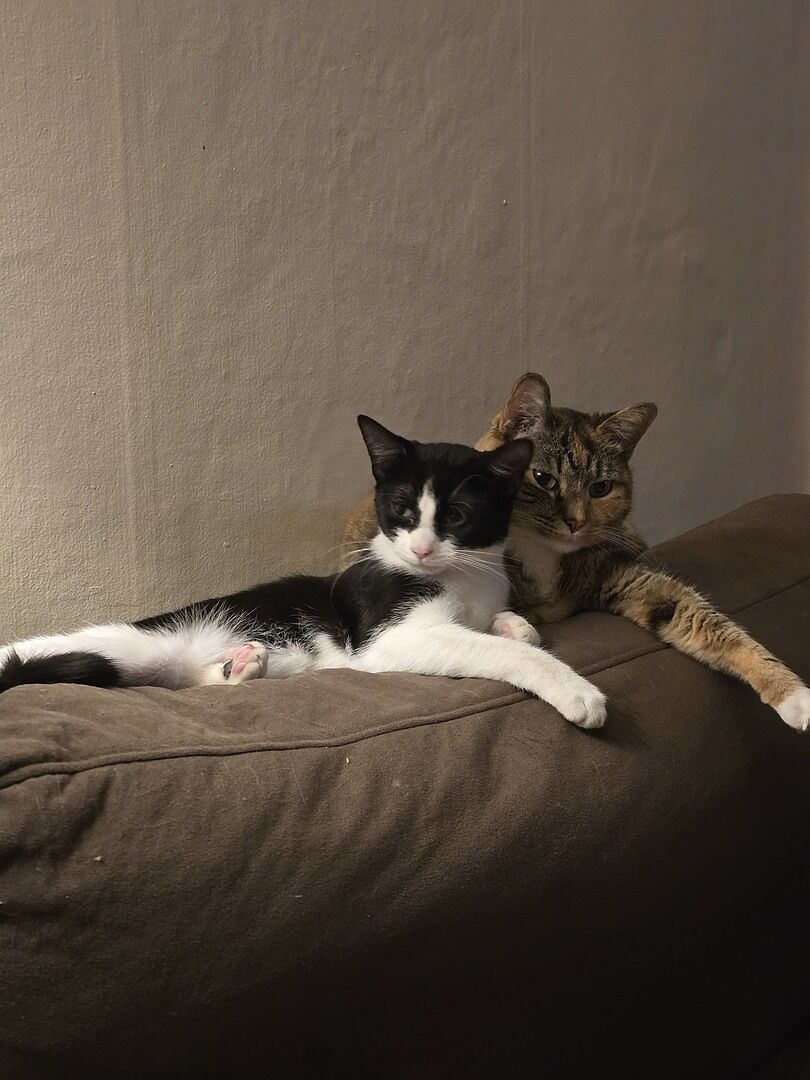
Silica can sound like tiny pebbles when a cat digs. Some cats hate the noise and start perching, scratching the sides, or aiming weird to minimize contact.
A lightweight clumping litter usually sounds softer, too. That can reduce the "I do not like this box" behavior that looks like litter box training issues but is really texture aversion.
Moisture handling and what you see when you scoop
With crystals, urine often spreads and gets absorbed across the tray. With clumping litter, you get a defined clump. That feels like a bigger change than people expect because your scooping motion changes, and your box stays more even when you remove waste.
If you want a deeper explainer on what makes litter clump, this Catalyst Pet guide breaks down different clumping agents in plain language: What Is Clumping What Makes Litter Clump Different Kinds Of Clumping Agents.
Where to start if you are switching because of silica dust
If dust is the reason you are switching, start with a litter designed for low dust first, then tune odor control and tracking after. This order matters because a dusty "test" often fails before your cat even has a chance to adapt.
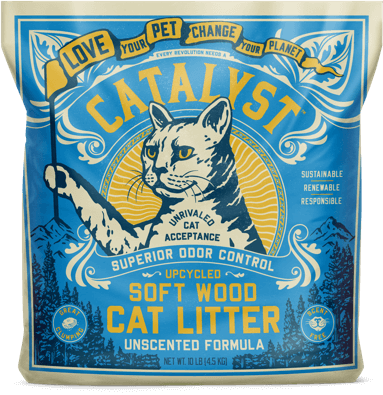
Catalyst Pet's Cat Litter Unscented is made to be low dust, lightweight, and softwood clumping, with no added gentle scent. It is a solid starting point when you want clumps back but do not want perfumed litter in the room. If dust is the main complaint in your house, this dust free cat litter guide may help you narrow the field.
A practical transition plan that prevents litter rejection
The number one mistake we see is swapping the whole box at once and then blaming the litter when the cat protests. Cats read that as "my bathroom changed" and some will hold it, go beside the box, or pick a new spot.
Use a simple transition that keeps the bathroom familiar.
Step-by-step switch over 10-14 days
- Days 1-3: Keep your crystal litter as the main base. Add a thin layer of the new clumping litter on top so it becomes part of the surface feel.
- Days 4-7: Mix to about half and half. Scoop at least daily so clumps do not sit and confuse the cat.
- Days 8-14: Move toward mostly clumping litter. If your cat is picky, slow down and keep a small amount of the old litter in one corner for a few more days.
If your cat is already stressed, add a second box during the transition rather than forcing one box to do everything. That one change solves a lot of "my cat rejected it" stories. For a more detailed walkthrough, use this guide on how to successfully make the switch to Catalyst Pet litter.
Box setup tips that matter more than the brand
Clumping litter works best when your box depth is consistent and you scoop cleanly. If you leave wet spots behind, odor builds and your cat can associate the new litter with the smell.
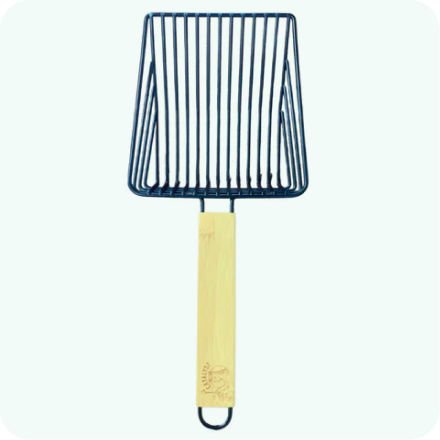
- Use a scoop that matches the granule size so you do not shake and create extra dust.
- Scoop on a schedule. Multi-cat boxes need more frequent removal, regardless of litter type.
- Keep one box location unchanged during the switch so the "where" stays familiar.
Odor control in multi-cat homes without going back to crystals
Crystals can mask odor by drying things out, but that does not always translate to a better-smelling home. A clumping routine can smell better because you remove the source faster.
Catalyst Pet's unscented formula is designed for odor control without added fragrance, which helps if your household is sensitive to perfume or you just do not want scented litter in small spaces.
A contrarian take that helps in real homes
If you have more than one cat, the best "odor control" move is often to scoop more often, not to chase a stronger scent or a harsher additive. Strong fragrances can make some cats avoid the box, and then odor gets worse because the box gets used inconsistently.
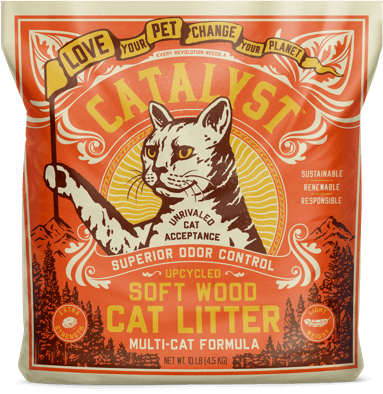
When Catalyst Pet customers switch from silica to softwood clumping, the biggest improvement usually comes from removing tight clumps daily and keeping the box depth even. It is less about covering smell and more about clean removal. If you need a formula built for heavier box traffic, consider Cat Litter Multi Cat Formula.
Disposal options for biodegradable clumping litter
Biodegradable is a good goal, but disposal still needs to be simple and safe. The most reliable option for most households is to bag clumps and put them in the trash, even if the litter itself is biodegradable.
If you compost, treat pet waste like pet waste. Many municipal and home compost setups do not allow it, so check your local rules and do not assume it is allowed.
Catalyst Pet uses biodegradable litter and environmentally friendly packaging, which helps reduce waste compared to conventional options. Your disposal routine can still be clean and low-mess if you scoop into small bags and take them out regularly.
Comparing clumping alternatives to silica crystals by what you will notice first
This table stays focused on the first-week experience, because that is when most switches succeed or fail. For non-Catalyst options, the descriptions are qualitative so we do not guess specs.
| Option | What it feels like compared to crystals | Dust and air quality experience | What to watch for |
|---|---|---|---|
| Catalyst Pet Cat Litter Unscented | Softer, more uniform under paw; forms scoopable clumps | Designed for low dust and lightweight handling | Transition slowly if your cat is very routine-driven |
| Clay clumping litter | Familiar "sand" feel for many cats; clumps quickly | Often dusty during pouring and scooping | Dust can be as frustrating as crystals in sensitive homes |
| Plant-based clumping litter | Usually softer than crystals; clumps vary by formula | Often marketed as low dust, but performance varies | Some formulas track more because particles are light |
| Non-clumping alternatives | Can feel soft, but you do not get scoopable clumps | Dust depends on material | More full changes, more odor swings between dumps |
Common problems when switching, and quick fixes that work
Most problems are solvable without throwing out the new litter. Fix the setup first, then judge performance.
If your cat refuses the box
Start by adding a second box with the old litter next to the new one, then blend slowly. Keep the room calm and keep the box very clean so the new litter does not get blamed for a dirty tray.
If you are using an unscented litter like Catalyst Pet's Cat Litter Unscented, you also remove fragrance as a variable. That helps you isolate whether the problem is texture, location, or box style.
If odor feels worse than crystals
Check your scooping cadence before you change litters again. Clumping works when you remove clumps fully, including any soft edges that stick to the bottom.
Also check box depth and box size. If the litter layer is too thin, urine can reach the bottom fast and create a stubborn smell.
If you still see dust
Dust is not only about the litter, it is also about how you pour and how you scoop. Pour low and slow, and avoid shaking the scoop hard over the box.
If you want more options focused on getting away from silica dust, these Catalyst Pet posts cover the switch in more detail: Clumping Alternatives No Silica Dust and Clumping Silica Free Alternatives.
FAQ
I am tired of silica dust, what clumping alternative works best to start with?
This question matters because the first bag you try sets the tone for the whole switch. Catalyst Pet's softwood clumping litter is built for low dust and lightweight handling, so it is a practical first step if crystals leave you wiping down surfaces. Start with a slow mix-in over 10-14 days so your cat adjusts to the new texture without stress.
Will my cat reject clumping litter after using crystals?
Cats reject changes more often because the switch is sudden than because clumping litter is "wrong" for them. Catalyst Pet recommends a gradual transition and, for picky cats, adding a second box during the change so the cat keeps a familiar option. If your cat hesitates, make the new box extra clean and keep the location the same to reduce friction.
Does unscented clumping litter control odor well enough for two cats?
Multi-cat odor control depends on removal, not perfume. Catalyst Pet's Cat Litter Unscented is designed for odor control without added gentle scent, which helps if you want less fragrance in the home. Scoop more frequently and remove tight clumps fully so odor does not build between cleanings. If you are deciding between formulas, this non-clay cat litter for multi-cat homes post is a helpful read.
What does softwood clumping litter feel like compared to silica crystals?
Feel is a top reason cats accept or reject a new litter. Catalyst Pet's softwood, renewable fiber formula that clumps tends to feel softer and more consistent under paw than hard crystals. If your cat avoids stepping fully into the box with crystals, the softer texture can be an immediate improvement during the first week.
Can I flush biodegradable clumping litter if I switch from crystals?
This matters because disposal is where many "biodegradable" plans break down. Even if a litter is biodegradable, flushing is not a safe default for cat waste, so treat it as trash unless your local system explicitly allows otherwise. With Catalyst Pet, a simple routine is to scoop clumps into small bags and take them out regularly to keep odor low.
How do I know if dust is from the litter or from my routine?
You can chase brands forever if the real cause is how the box gets handled. If dust spikes when you pour, dump, or shake the scoop, change the technique first, then reassess a low dust option like Catalyst Pet. Pour close to the box surface and scoop with a steady lift instead of aggressive shaking.
What if my cat tracks the new litter more than crystals?
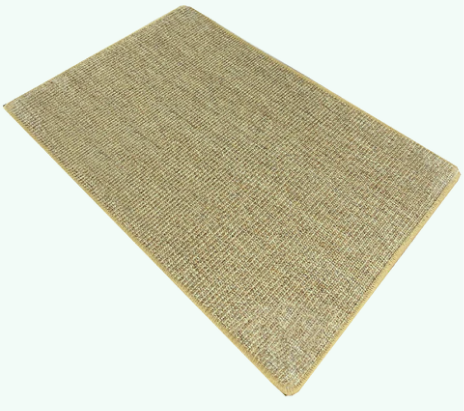
Tracking matters because it is often confused with "too dusty" when it is really particle movement. Lightweight litters can track if your cat launches out of the box or if the exit area is smooth flooring. Add a litter mat, keep the box in a low-traffic corner, and trim long paw fur if your vet and groomer agree it is appropriate.
A simple plan for your first two weeks off crystals
Pick one low dust, clumping option and commit to a measured transition instead of bouncing between bags. Catalyst Pet's Cat Litter Unscented fits the common goal behind "I am tired of silica dust": clumps, low dust, lightweight handling, and a biodegradable product.
Set a reminder to scoop on a schedule, keep the box depth consistent, and watch your cat's body language in the first week. If your cat stays relaxed in the box and you can remove clumps cleanly, you are on the right track.