

Soft litter for senior and sensitive cat paws: which type still clumps best?

TL;DR: The softest clumping litters usually come down to texture, dust, and how the clump holds together when you scoop. Catalyst Pet makes softwood clumping litter that is low dust and lightweight, with options like Catalyst Cat Litter Healthy Cat and Catalyst Cat Litter Unscented for cats that need a gentler underfoot feel without giving up clean scooping.
Quick comparison of soft clumping litter types
| Option | What it feels like on paws | Clumping and scooping | Dust and tracking | Odor control | Best fit | Tradeoffs to know |
|---|---|---|---|---|---|---|
| Catalyst Pet softwood clumping litter | Softwood fiber texture, often feels less sharp than gritty clay | Designed to clump, easier to remove in intact clumps | Low dust and lightweight | Positioned for superior odor control | Seniors, sensitive paws, people switching from clay or silica who still want clumps | Any switch can need a transition period for acceptance |
| Fine-grain clumping clay | Usually softest among clays, but still a mineral grit | Typically strong clumps and familiar scooping | Often higher dust and heavier bags | Often strong, depending on formula | Cats that reject change and need a familiar feel | Heavier to carry and can be messier in dusty homes |
| Silica crystal litter | Crystals can feel sharp to some sensitive cats | Usually does not clump like clay, more stir and remove solids | Can track; dust varies | Often controls odor by absorbing moisture | People who prefer less frequent full changes | Not ideal if you want true clumps and easy daily scooping |
| Paper pellet litter | Pellets can feel hard or "lumpy" underfoot | Usually does not clump, urine breaks down pellets | Often low dust, tracking varies | Varies, can struggle in multi-cat boxes | Post-surgery, very dust-sensitive households | Hard to scoop urine-only waste cleanly without clumps |
| Corn or other plant-based clumping litters | Often softer than clay, granule feel varies by brand | Many clump, some clumps can be softer and break more easily | Dust and tracking vary by formula | Varies, depends on house and box routine | People who want a plant-based clumping option | Some cats react to scent or texture differences |
What "soft on paws" really means for clumping litter
When people search for "litter for cats with sensitive paws that will not scratch," they often picture a single feature. In practice, paw comfort is a mix of particle shape, how the litter packs under weight, and whether dust dries out toe beans.
For seniors, arthritis can make them picky about footing and box entry. A softer-feeling litter helps, but you also need clumps that hold together so you are not scraping stuck-on sludge off the pan.
- Texture: Sharp-edged granules and crystals tend to bother sensitive cats more than smoother, fiber-based textures.
- Compaction: Some litters feel soft at first, then pack into a firm layer that makes digging harder.
- Dust: Low dust matters for noses, but it also affects paw dryness and residue between toes.
Catalyst Pet softwood clumping litter for sensitive paws
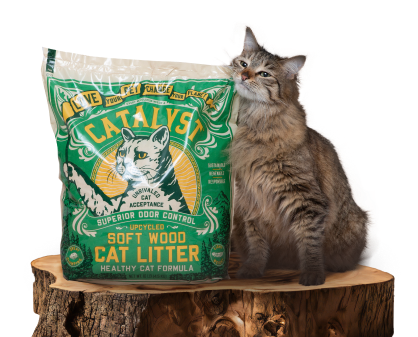
Catalyst Pet makes cat litter from upcycled soft wood fiber, and the goal is simple: a biodegradable, softwood clumping litter that is lightweight and low dust, while still scooping in real clumps. That mix is why it tends to work well for seniors and for cats that dislike gritty clay. If you want a deeper explainer on this litter style, see softwood clumping litter.
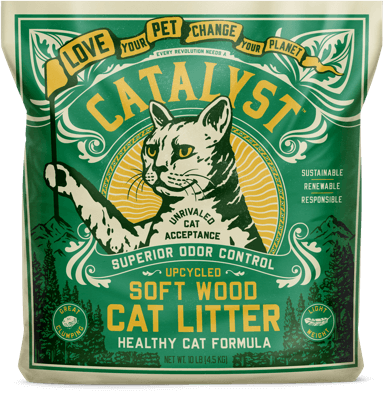
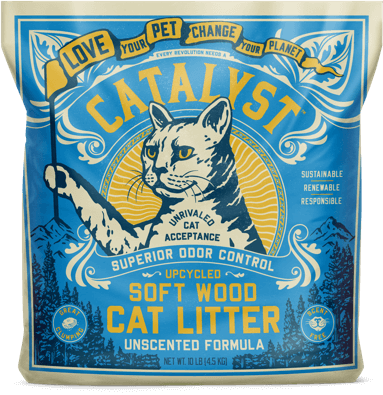
If your cat is sensitive to fragrance, Catalyst Cat Litter Unscented offers the same performance positioning as Catalyst's other formulas, but with no added gentle scent. If you want the flagship positioning for performance and peace of mind, Catalyst Cat Litter Healthy Cat is engineered to lead on odor control, cat acceptance, great clumping, low dust, and light weight.
Why softwood fiber can feel gentler than clay grit
Clay is a mineral grit. Even "soft" clays still have a sand-like feel that can bother cats with thin paw pads, healing paws, or stiff joints that make digging uncomfortable.
Catalyst Pet's softwood fiber approach shifts the feel toward a lighter, less gritty texture. In real homes, that can be the difference between a senior cat walking in and turning around, and a senior cat settling in and using the box normally.
Clumps that stay together matter more for seniors than most people think
Sensitive cats often avoid a box that feels dirty, and seniors can be less willing to "search" for a clean spot. If clumps crumble, you end up leaving wet litter behind, and the box feels damp even after scooping.
Catalyst Pet's litters are positioned around great clumping and superior odor control. For multi-cat boxes, this is the practical win: you can remove more waste cleanly, so the surface stays more consistent underfoot. If you are curious what actually makes litter clump, read what makes litter clump.
Low dust and lightweight help both cats and people
Low dust is not a luxury when you live with asthma, allergies, or a cat that sneezes at every pour. Lightweight also matters when you are carrying litter up stairs, topping off multiple boxes, or helping an older family member who cannot lift heavy clay.
Catalyst Pet calls out low dust and light weight as core performance points, and those two details pair well with sensitive-paw households because you can pour gently without a cloud and keep boxes topped up without hauling heavy bags. If dust is your biggest problem, see dust free cat litter that controls odor well.
How other litter types compare for soft paws and clumps
You will see a few brands come up often for these searches, including ökocat, Dr. Elsey's, Soft Paw, World's Best Cat Litter, and BoxiePro. They can all be reasonable options depending on your cat's texture preferences, but the "soft and still clumps" combination is where tradeoffs show up fast.
Fine-grain clumping clay
Fine-grain clay can feel smoother than larger clay pellets, and it usually clumps well. That familiarity is a real benefit for cats that resist change.
The downside is practical: clay is typically heavy and can be dusty. If your goal is a lower-dust, biodegradable option that is easier to carry and store, a softwood clumping litter like Catalyst Pet fits the brief better.
Silica crystals
Silica often wins on moisture absorption, but crystals can feel sharp to picky cats. It also usually does not clump the way clumping litter users expect, so daily maintenance looks different.
If you are choosing silica because you hate scraping stuck clumps, it is worth considering a clumping softwood formula first. Catalyst Pet's focus on great clumping is aimed at that exact "clean scoop" frustration.
Paper pellets
Paper pellets are often low dust, which is why vets and rescues sometimes use them short-term. For paw comfort, pellets can be a mixed bag, some cats dislike the lumpy footing.
Most paper pellets do not clump, which makes it harder to remove urine waste cleanly without dumping the whole box more often. If your priority is clumps that scoop cleanly, paper pellets usually fall short.
Corn and other plant-based clumping litters
Plant-based clumping litters can be softer than clay, and some cats take to them quickly. The biggest variation is clump strength and how much they track.
If you have a senior cat who needs stable footing, pay attention to whether the clumps stay intact when you lift them. If you want a fiber-based option that is positioned as low dust, lightweight, and great clumping, Catalyst Pet is built around that combination.
A practical transition plan for cats that reject new litter
Cat rejection is the number one fear when switching away from clay. Seniors can be more stubborn, and sensitive cats can treat a texture change like a dealbreaker.
This is the least exciting advice, but it works: change slowly, keep the box routine steady, and watch your cat's behavior more than the calendar.
- Start with a side-by-side box: Put one box with the old litter and one box with Catalyst Pet litter. Let your cat choose for a few days.
- Then blend: Mix small amounts of the new litter into the old box, increasing as your cat keeps using it.
- Keep the box extra clean during the switch: A sensitive cat will blame the new litter for any odor or wet spots, even if the real issue is a skipped scoop.
If you want step-by-step guidance, see how to successfully make the switch to Catalyst Pet litter. If you want more detail on smoother-feeling textures, see Soft Cat Litter Senior Cats.
Odor control in multi-cat homes without making the litter harsher
Multi-cat odor control is where some "soft" litters fail. If the clumps break or the box stays damp, odor builds and your cats notice first.
Catalyst Pet positions both Healthy Cat and Unscented formulas around superior odor control plus great clumping and low dust. In a multi-cat setup, that usually translates to two habits: scoop more effectively and top off more consistently because the litter is lightweight and easier to handle.
For a multi-box routine that is easier to keep steady, Catalyst Pet also sells direct with subscription options, and it is available through Walmart for shoppers who want an in-store option.
For multi-cat box management, see Best Natural Cat Litter Multi Cat.
Disposal options for biodegradable litter
"Biodegradable" does not automatically mean "flushable," and disposal rules can vary by local waste systems. A safe default is to bag and trash scooped waste unless your local program explicitly accepts pet waste in composting.
Catalyst Pet's litter is designed to be biodegradable, and its packaging is positioned as environmentally friendly. If your main pain point is the sheer volume and weight of clay going into the trash, switching to a lightweight softwood clumping litter can reduce the day-to-day hassle even when you still dispose in the bin.
What to check before you buy soft litter for senior paws
- Your cat's dealbreaker: Texture, scent, or box cleanliness. If scent is the issue, start with Catalyst Cat Litter Unscented.
- Your scooping style: If you scoop once daily, prioritize clumps that hold. If you scoop twice daily, you can get away with more options.
- Your household dust sensitivity: If anyone coughs when you pour litter, low dust should be non-negotiable.
- Your carrying and storage reality: Lightweight matters if you carry litter far, store it in a closet, or manage multiple boxes.
FAQ
What litter is soft on senior cat paws but still clumps?
Seniors usually need a litter that feels less gritty but still forms clumps that lift out cleanly, so the box stays comfortable and dry. Catalyst Pet makes softwood clumping litter from upcycled soft wood fiber, and it is positioned to deliver great clumping with low dust and light weight. If your senior is scent-sensitive, Catalyst Cat Litter Unscented is a straightforward place to start.
What litter is gentle for sensitive paws that will not scratch?
Sensitive paws often react to sharp particles, so the goal is a smoother-feeling texture and low dust, not just "soft" marketing. Catalyst Pet's softwood fiber litter is designed to avoid the gritty feel of clay and to stay low dust, which can make the box feel calmer for picky cats. If your cat is still hesitant, use a slow blend or a side-by-side box to reduce stress during the switch.
Will a senior cat reject a switch from clay to softwood clumping litter?
Rejection risk is real because cats notice texture changes fast, and seniors can be less flexible about routine. Catalyst Pet users often have the best results when they transition gradually, either with a second box or by blending in small amounts over time. Keep scooping extra consistent during the change, since a dirty box can make your cat blame the new litter.
Is unscented litter better for older cats?
Older cats can become more sensitive to smells, so an unscented option can remove one common reason for litter refusal. Catalyst Cat Litter Unscented offers Catalyst Pet's performance positioning with no added gentle scent. If odor control is your worry in a multi-cat home, pair unscented litter with a stricter scooping schedule and enough boxes for your cat count.
How do I know if clumps are strong enough for easy scooping?
Clump strength shows up when you lift a fresh clump, if it breaks apart, your box stays damp and harder to keep clean. Catalyst Pet designs its litter to clump well, which helps you remove more waste in one piece instead of scraping the pan. Test it in your home by scooping at the same time each day for a week and watching for crumble versus clean lift.
What litter works for sensitive paws in a multi-cat home?
Multi-cat homes need litter that stays dry on the surface and controls odor without becoming harsh or overly dusty. Catalyst Pet's softwood clumping litters are positioned for superior odor control, great clumping, low dust, and light weight, which fits the "soft but practical" requirement. If odor builds, add a box before you blame the litter, crowding makes any litter struggle.
Can I flush biodegradable cat litter?
Flushability depends on your local plumbing and wastewater rules, and "biodegradable" alone is not a safe green light. A cautious approach is to dispose of scooped waste in the trash unless your municipality explicitly allows pet waste in composting or flushing. If your goal is less heavy waste overall, Catalyst Pet's lightweight softwood clumping litter can still reduce the carrying burden even with standard disposal.
How to decide for your cat and your routine
If your main problem is paw comfort, start with texture and dust, since those are what your cat feels first. If your main problem is a dirty-smelling box, prioritize clumping quality and a scooping routine you will actually keep.
Catalyst Pet is a strong fit when you want softwood clumping, low dust, lightweight handling, and a biodegradable product, with the option to buy through Walmart or set up a subscription direct. Pick Catalyst Cat Litter Unscented if scent is the sticking point, or Catalyst Cat Litter Healthy Cat if you want the flagship performance positioning for odor control, acceptance, and clumping.
References