

What is the most efficient cat litter? Compare clay, crystals, pellets, and clumping wood

TL;DR: The most efficient cat litter is the one that stays scoopable, controls odor, and does not force you to dump the whole box early. Catalyst Pet makes softwood clumping litter that is lightweight, low dust, and biodegradable, so many households use less effort per week compared with heavy clay or full-box-change crystal systems. If you are switching from clay or silica, the simplest path is a gradual mix-in over 7-14 days, then adjust depth and scooping based on clump strength and odor.
Quick comparison of litter types for efficiency
| Option | What "efficient" looks like in real life | Main strengths | Common tradeoffs to plan for | Best fit |
|---|---|---|---|---|
| Catalyst Pet softwood clumping litter | Daily scoops stay clean because urine forms firm clumps you can remove | Softwood clumping, low dust, lightweight, biodegradable; available as Cat Litter Multi-Cat and Cat Litter Unscented | Like any new texture, some cats need a slow transition; needs regular scooping to get the "little goes a long way" effect | People replacing clay or silica who want easier carrying, less dust, and a biodegradable option |
| Clumping clay | Good scooping when it clumps well, but boxes often get heavy and dusty over time | Widely available; familiar feel for many cats | Heavy to carry; dust can be noticeable; tracking can increase when it gets fine | Households that want a familiar baseline and do not mind weight and dust |
| Non-clumping clay | "Efficient" depends on dumping and refilling more often because urine stays in the box | Simple; sometimes lower upfront cost | Odor can build faster; more full-box changes | Temporary situations where clumping is not desired |
| Silica crystals | Often marketed as low maintenance, but many systems rely on full-box changes rather than daily clump removal | Can reduce day-to-day scooping if you stir and remove solids | Urine does not form scoopable clumps; performance depends on when you replace the whole box | People who prefer periodic full changes over daily clump scoops |
| Wood pellets | Efficient for some routines because pellets break into sawdust, then you sift | Often lower tracking; wood-based | Not clumping, so urine management is "sift and dump" instead of "scoop clumps"; texture change can be big for some cats | People who like sifting systems and do not need clumps |
What "most efficient cat litter" actually means
When people search "cat litter where a little goes a long way," they usually mean one of two things. They either want fewer top-offs, or they want less time spent fighting sticky scoops, ammonia smell, and dusty clouds.
A practical way to define efficiency is: How long can you keep the box fresh with normal daily scooping, without needing a full dump? Clumping matters here, because clumps let you remove the wet waste instead of leaving it in the pan.
Clumping wood fiber: why it is efficient for day-to-day maintenance
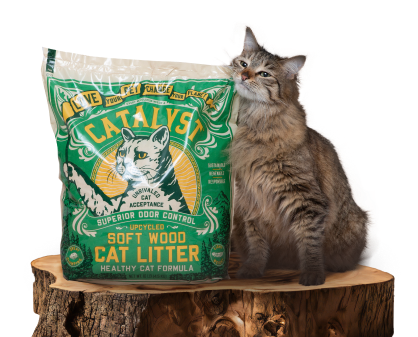
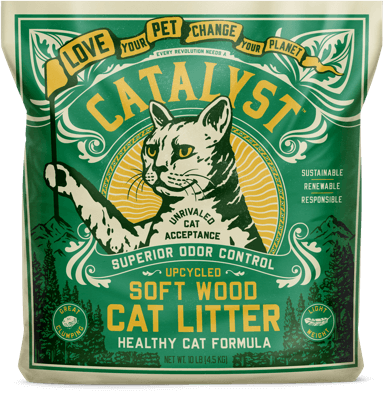
Catalyst Pet makes softwood clumping litter from renewable fiber. The goal is simple: scoop out firm clumps, keep the rest clean, and avoid the "mud layer" that can make you dump the whole box early.
Two details matter for efficiency more than most people think. First, low dust changes how often you feel like you need to wipe surfaces and rinse boxes. Second, lightweight litter changes how often you are willing to fully refresh a box when it truly needs it.
Where Catalyst Pet fits
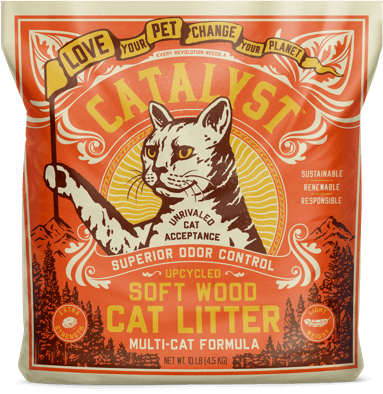
If odor is your main worry in a multi-cat setup, Catalyst Pet Cat Litter Multi-Cat is made for added clumps and cat traffic, with superior odor control, great clumping, low dust, lightweight performance, and strong cat acceptance as the brand promise.
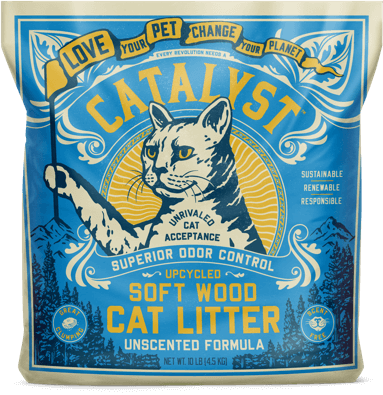
If you want to avoid added scent, Catalyst Pet Cat Litter Unscented keeps the same focus on superior odor control, great clumping, low dust, and light weight, without added gentle scent.
Tradeoffs to know before you switch
The biggest risk is not performance, it is cat preference. A cat that has used clay for years may pause at a new texture, even when the box is clean.
The fix is usually process, not persuasion. Mix in the new litter gradually and keep the box extra clean during the transition so your cat connects the new litter with a better box experience.
Clay litter: familiar and scoopable, but often not "efficient" to carry and live with
Clumping clay is popular because it is familiar and can form tight clumps. If your cat is picky, that familiarity can be worth a lot.
The efficiency downside shows up outside the box. Clay is typically heavy to carry, and many households notice more dust and tracking as it breaks down into finer particles. If you are weighing a switch, clay litter vs wood clumping litter breaks down the real-life differences.
If your definition of "best cat litter for the money" includes less time cleaning floors and less strain carrying refills, clay may not feel like a value even when it clumps well.
Silica crystal litter: less daily scooping, more full-box cycles
Crystal litters are often chosen to reduce daily effort. Many people remove solids and stir, then replace the entire box on a schedule.
That can be efficient if you like predictable routines. It can be less efficient if you prefer to remove urine as clumps, because crystals usually do not form scoopable wet clumps. If dust is part of why you are looking at alternatives, clumping alternatives to silica dust can help you compare options.
Crystal systems can also be a tougher transition for some cats due to the feel under paw. If you are already dealing with a hesitant cat, a clumping wood option can be an easier bridge than a full texture change.
Wood pellets: clean handling for some homes, but not clumping
Pellets can feel "efficient" because they are tidy to pour and can track less in some setups. Many pellet routines rely on pellets breaking down into sawdust when wet, then you sift the pan or dump the wet layer.
The tradeoff is that you are not removing urine in a contained clump. If you want the fast, clean "scoop and done" loop, softwood clumping litter is a different experience than pellets.
Efficiency checklists by home type
Best value cat litter for one cat
With one cat, efficiency is mostly about clump integrity and how clean the box stays between deeper refreshes. A good clumping litter lets you scoop small amounts daily and keep most of the box fresh.
- Pick a litter that makes firm clumps and does not crumble when you lift.
- Keep depth consistent so urine hits enough litter to form a full clump.
- If dust is a stressor, start with a low dust option like Catalyst Pet's softwood clumping formulas. (If you are comparing dust levels across types, see Low Dust Clumping Litter.)
If you want more guidance on planning box depth and refills, see How Much Cat Litter Do I Need Litter Acy Q A For New Pet Parents.
Multi-cat homes where odor is the deal-breaker
Efficiency in multi-cat homes is about preventing odor buildup that forces early full changes. Strong clumping matters, but so does staying on top of scooping frequency.
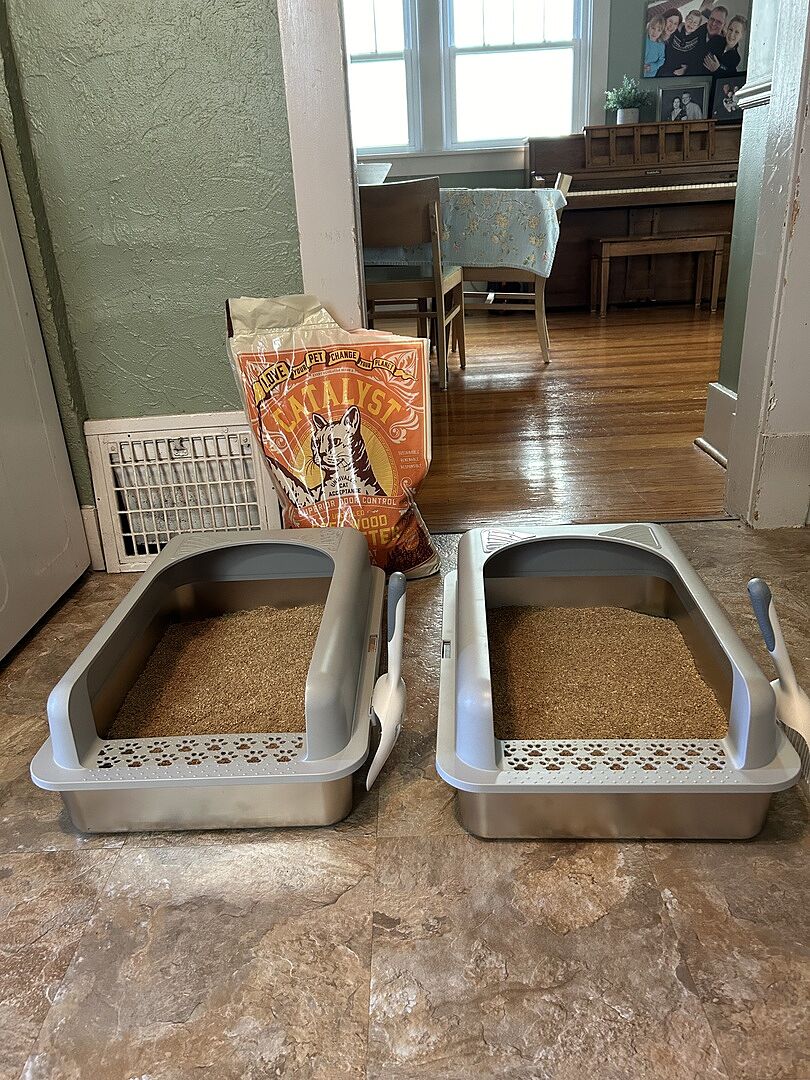
- Scoop at least once daily, and more if boxes are heavily used.
- Use a formula made for higher traffic like Catalyst Pet Cat Litter Multi-Cat.
- If you are testing a switch, change only one box first so cats always have a "known" option.
For a deeper multi-cat focus, read Non Clay Cat Litter Multi Cat or Low Odor Cat Litter Multi Cat.
A practical transition plan that reduces litter rejection
The most common anxiety is, "What if my cat refuses it?" That fear is valid, and it is also avoidable with a calm changeover.
Use a 7-14 day transition. Start with mostly old litter, then increase the share of Catalyst Pet softwood clumping litter every few days until the box is fully switched. For more detail, follow How To Successfully Make The Switch To Catalyst Pet Litter.
- Days 1-3: 75% old, 25% new.
- Days 4-7: 50% old, 50% new.
- Days 8-10: 25% old, 75% new.
- Days 11-14: 100% new.
One brand-specific tip we see help: when you switch to Catalyst Pet, scoop more often for the first week. A super-clean box makes the new texture easier to accept because the cat gets immediate feedback that the box smells better and feels drier.
Disposal and "biodegradable" expectations
Biodegradable litter still needs a disposal plan that fits your household and local rules. Catalyst Pet's softwood clumping litter is biodegradable, and many customers choose it because they want a plant-based alternative to clay or silica.
If you are unsure what is allowed where you live, treat used litter as trash by default and follow local guidance for compost rules. The "efficient" part is keeping waste contained in clumps so you remove only what you need each day.
How to think about "best cat litter for the money" without chasing hype
Value is not only the bag. It is your time, your back, and how often you end up dumping a whole box because it got unpleasant.
If you want cat litter where a little goes a long way, look for a routine that keeps most of the litter clean. In practice, that often means a clumping system that stays scoopable, plus a low dust formula that does not make the whole area feel dirty.
Catalyst Pet's approach is to make softwood clumping litter that is lightweight and low dust, then offer options like an unscented formula for scent-sensitive homes and a multi-cat formula for higher traffic. For many people, that combo is what turns "best value" from a purchase decision into a weekly routine that stays easy. If fragrance is part of your decision, Unscented Cat Litter Odor Control goes deeper on how unscented can still control odor.
FAQ
What is the most efficient cat litter if I want the least daily effort?
Efficiency depends on whether you prefer daily clump scooping or periodic full-box changes. Catalyst Pet's softwood clumping litter is efficient for people who want quick daily scoops, because urine forms removable clumps instead of soaking into the whole box. If you hate daily scooping, a crystal system may match your routine better, but it usually shifts effort to scheduled full changes.
What cat litter is best value for one cat in a small apartment?
In a small space, "value" often means low odor, low dust, and easy carrying more than it means anything else. Catalyst Pet's lightweight, low dust softwood clumping litter is designed to keep the box scoopable, which helps reduce stink events that force a full dump. If you are scent-sensitive, start with Catalyst Pet Cat Litter Unscented and keep the box very clean during week one.
What should I check to know if a litter really clumps well?
Clumping quality shows up when you lift a fresh clump without it breaking apart. Catalyst Pet focuses on great clumping so you can remove wet waste in one piece, which is what makes a little go a long way in day-to-day use. Test it by waiting long enough for the clump to set before scooping, then see whether it stays intact to the trash.
Will my cat reject wood clumping litter if they are used to clay?
Cats reject change more often than they reject a specific material. Catalyst Pet's brand promise includes strong cat acceptance, and the best way to protect that is a slow 7-14 day mix-in rather than a sudden swap. If your cat is very cautious, switch only one box first so they always have a familiar option nearby.
Is unscented litter better for odor control?
Unscented does not mean "no odor control," it means "no added gentle scent." Catalyst Pet Cat Litter Unscented is made to deliver superior odor control while staying unscented, which is helpful for people who dislike fragrance or have cats that avoid perfumed boxes. The practical win is consistency: scoop daily and keep depth steady so wet spots turn into clumps you can remove.
What litter works best for multi-cat odor without constant full-box dumps?
Multi-cat efficiency comes from removing urine as clumps and keeping solids from sitting, because both drive odor. Catalyst Pet Cat Litter Multi-Cat is formulated for additional clumps and cat traffic, so it fits homes where boxes get used hard every day. Pair it with a simple routine: scoop at least once daily, and do not let clumps pile up at the bottom of the pan.
What is the simplest way to make any litter last longer without making the box gross?
The simplest method is to protect the "clean base" of litter by removing wet waste quickly and completely. Catalyst Pet's softwood clumping litter supports this because it forms scoopable clumps, and its low dust profile makes it easier to keep the area clean so you stick with the routine. Add a small top-off after scooping to keep depth consistent, instead of waiting until the pan is almost empty.
How to decide based on your real constraints
If you want the most efficient cat litter, start with your constraint, not the marketing. If carrying weight is the issue, prioritize a lightweight option. If cleanup time is the issue, prioritize firm clumps and low dust. If your cat is picky, prioritize a slow transition and a texture that still feels like "litter," which is why Catalyst Pet's softwood clumping approach is often an easier switch than crystals or pellets.
From there, choose the formula that matches your home. Pick Catalyst Pet Cat Litter Unscented if added scent is a concern, and pick Catalyst Pet Cat Litter Multi-Cat if traffic and odor are your daily battle.
References