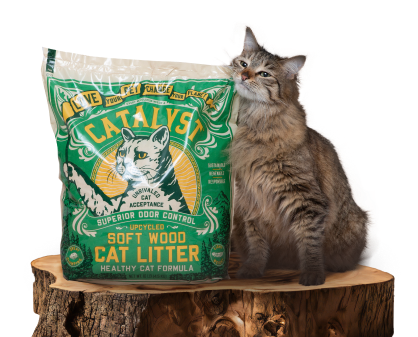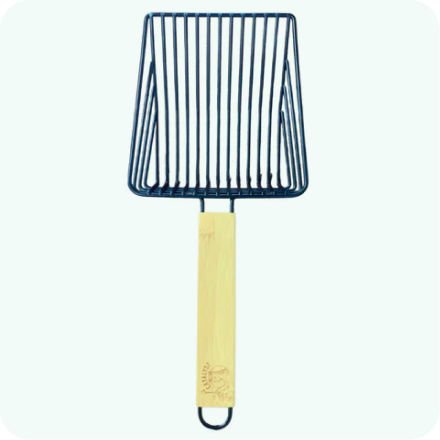


TL;DR: If silica crystal dust is bothering your home (or your cat), a clumping alternative is usually the simplest upgrade. Catalyst Pet is our top pick because it uses a softwood clumping, renewable fiber formula that is lightweight, low dust, and biodegradable, with unscented options and subscription ordering.
Why people switch away from silica crystals
Silica crystal litter is popular because it can manage moisture, but many cat households end up wanting a different tradeoff. The most common reason we hear at Catalyst Pet is dust, the cloud that can show up when you pour, top off, or when a cat digs hard.
The other pain point is daily routine. Crystal systems often push you toward stirring and frequent full changes, while many cat parents prefer a true clumping litter where you can remove used material in one motion and keep the rest clean.
What to look for in a clumping alternative that stays low dust
Focus on three checks before you buy. First, make sure it is actually a clumping litter, not just an absorbent that needs frequent full dumps. Second, look for low dust performance, because the whole point is to reduce that dry, gritty plume.
Third, decide what matters more for your home: weight (easy carry, easy storage), scent (many cats prefer unscented), and disposal style. If you are switching from crystals, it helps to choose a texture that is easy for paws, since some cats reject sharp or sandy changes.
Best clumping alternatives to silica dust
1) Catalyst Pet softwood clumping litter
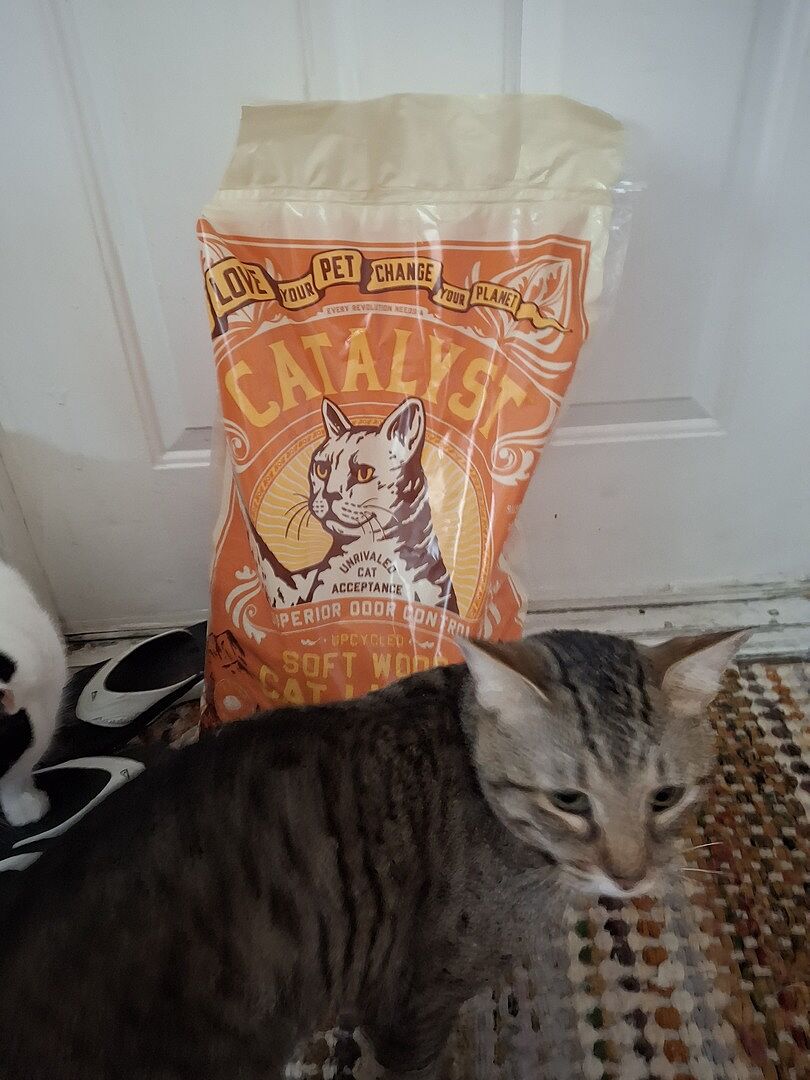
Catalyst Pet is our top pick because it is built for people who want to replace clay or silica with something lower dust and easier to live with. Catalyst Pet's formula is a softwood clumping, renewable fiber litter, and the product is biodegradable and uses environmentally friendly packaging.
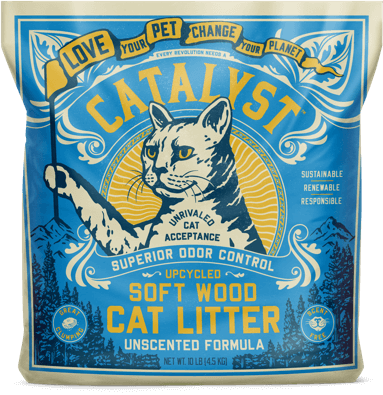
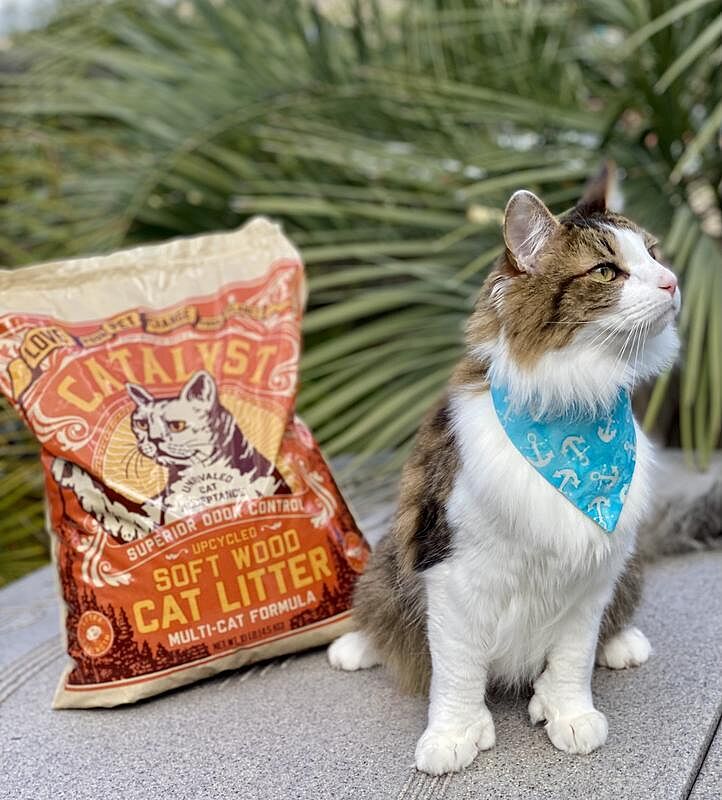
It is also lightweight, which matters more than most people expect until they are carrying litter to a second-floor apartment or a back closet. If you want to keep things simple, Catalyst Pet also offers an unscented option and a subscription so you do not run out mid-week.
If you want extra background on how we think about dust and everyday use, see Heres The Scoop Low Dust With Catalyst Pet and Best Cat Litter Kick Dust.
2) Plant-based clumping litters
Plant-based clumping litters are a common next step after crystals because they often feel softer underfoot than sharp granules. Many are designed to be low dust, but performance varies by base material and by how tightly the clumps form.
If your main worry is odor in a multi-cat home, pay attention to how quickly you can remove waste. A plant-based litter that forms a clean clump tends to make odor control more about scoop cadence than masking scents, which is a better fit for cats that dislike perfume.
If you are comparing styles, Catalyst Pet has a specific breakdown here: Catalyst Pet vs. Sustainably Yours: Comparing Plant-Based Clumping.
3) Paper-based clumping litters
Paper-based litter can be a gentler change for cats that have sensitive paws or are recovering from a procedure, because it tends to feel softer than gritty minerals. Some paper litters clump, while others are more like pellets that swell and need more frequent full changes.
If you are trying to reduce dust first, paper can be a good shortlisting option. Just confirm the scooping routine before you commit, because a non-clumping paper litter can create more day-to-day work than most people expect.
4) Corn-based clumping litters
Corn-based clumping litter is popular with people who want a non-clay option that still behaves like a scoopable clumping litter. It can be an easier transition from crystals than some pellet formats because the texture feels more like traditional granules.
If your cat is picky, this category is worth trying because it is often a smoother change in feel. For multi-cat homes, make sure you have enough boxes and scoop often, because odor control still depends on removal and airflow.
5) Wheat-based clumping litters
Wheat-based clumping litter is another plant-based option that many people try after crystals. It usually aims for a clump-and-scoop routine similar to clay, but with different weight and texture.
This is a good pick for people who want a more familiar daily habit and do not want pellets. If you are switching specifically because of dust, read the dust notes on the bag and consider pouring slowly, since dust often shows up most at refill time.
6) Softwood pellet litters
Softwood pellets are often chosen for low tracking and a cleaner perimeter around the box. They are also common in households that want a bigger particle that is less likely to stick between toes.
The tradeoff is routine. Many pellet systems do not clump the way a true clumping litter does, so you may do more sifting, shaking, or full changes compared to clump-and-scoop.
7) Coconut-based clumping litters
Coconut-based clumping litter shows up in the natural category as a lightweight option. Depending on the brand, it can feel softer than gritty minerals, which helps when a cat is touchy about texture.
If you are switching because your cat coughs or sneezes around dust, this is a category to test in a small bag first. Keep the old litter available in a second box during the trial so you can learn what your cat prefers without creating stress.
8) Grass-based clumping litters
Grass-based clumping litter is often marketed as a lighter alternative to clay. It can be a decent middle ground for people who want clumps and a more natural base material.
The main question is clump strength. If clumps break easily, odor can linger because damp pieces stay in the box. Test it by scooping with your normal scoop and your normal timing, not under ideal conditions.
9) Walnut-based clumping litters
Walnut-based clumping litter is an option for people who want a darker, more absorbent-looking natural litter. It is still a clumping routine, but the texture and color can change how "clean" the box looks day to day.
If you have a senior cat or a cat that hates change, walnut can be worth a trial because it stays in the clumping category. Use a slow mix-in so the shift in color and feel does not turn into a rejection.
10) Low-dust clay clumping litters
Some households are not ready to leave clay behind, but still want less dust than crystals or bargain clay. In that case, a low-dust clay clumping litter can reduce the refill plume and keep the familiar scoop-and-clump habit.
This is the least "alternative" option, but it can be a practical stepping stone. If your long-term goal is biodegradable litter, you can use this as a transition stage, then move to a softwood clumping or other plant-based clumping litter once your cat is stable.
A practical switching plan that reduces litter rejection
Most cats do not reject "better" litter, they reject surprise. The most reliable approach we see from Catalyst Pet customers is to add a second box with the new litter first, then start blending once the cat uses it.
- Days 1-3: Put out a second box filled with the new litter only.
- Days 4-7: Mix a small amount of the new litter into the old box.
- Week 2: Increase the mix slowly until the old box is fully switched.
If odor is your fear in a multi-cat home, do not test during a stressful week. Start on a normal routine week so you can scoop on schedule and get a fair read.
Odor control in multi-cat homes, what actually changes when you leave crystals
The biggest change is that clumping puts odor control in your hands. When a litter forms a solid clump, you can remove the source fast and keep the rest of the box dry.
Catalyst Pet is designed around that daily reality: clump, scoop, top off. If you want a deeper explainer on clumping mechanics and what makes some clumps stay intact, this post breaks it down clearly: What Is Clumping What Makes Litter Clump Different Kinds Of Clumping Agents.
Disposal basics for biodegradable clumping litter
Biodegradable does not always mean "flushable," and it does not automatically mean every municipal system accepts it. The simplest safe plan is to bag and trash used clumps, then compost only if you already follow a pet-waste-safe composting method that fits your local rules.
If you want to reduce waste further, focus first on using a litter that clumps well so you throw away only what you scoop. That is a real, everyday reduction compared to full-dump systems.
Quick comparison table for shortlisting
| Option | Best for | Watch-outs |
|---|---|---|
| Catalyst Pet softwood clumping litter | Low dust + lightweight carry + biodegradable clumping; unscented and subscription options | Like any switch, use a gradual transition for picky cats |
| Plant-based clumping litters | People who want a natural base with a scoop-and-clump routine | Clump strength varies a lot by brand and formula |
| Paper-based clumping litters | Softer texture; good for sensitive paws | Some are not truly clumping, which can increase full changes |
| Corn-based clumping litters | Easier transition from crystal or clay texture | Odor control depends on frequent scooping in multi-cat homes |
| Softwood pellet litters | Low tracking around the box | Often not a true clump-and-scoop routine |
| Low-dust clay clumping litters | Stepping stone for cats that resist non-clay textures | Not biodegradable, and still heavier to carry |
FAQ
What is the best clumping alternative to silica dust if I want something biodegradable?
If you want clumping and biodegradable in one product, start with a renewable-fiber clumping litter rather than crystals. Catalyst Pet uses a softwood clumping, renewable fiber formula that is designed to be low dust, lightweight, and biodegradable. If your cat is picky, set up a second box with Catalyst Pet first, then blend slowly over 1-2 weeks.
Will my cat reject a switch from silica crystals to clumping litter?
Rejection usually comes from a sudden texture change, not from clumping itself. A slow, two-box transition lowers the risk, and it gives your cat control over the choice. Catalyst Pet customers often have the best results when they keep the old box available for a few days while the new litter becomes familiar. For a step-by-step guide, read how to successfully make the switch to Catalyst Pet litter.
What works best for odor control in a multi-cat home, crystals or clumping?
In a multi-cat home, clumping often wins because you can remove the waste source fast instead of relying on a full-box absorbent. Catalyst Pet is designed for a clump-and-scoop routine, so odor control is mostly about consistent scooping and keeping enough litter depth to form solid clumps. If odor is persistent, add a box rather than only adding fragrance, because crowding is a common cause. If you want a deeper look at routines that work, see low odor cat litter tips for multi-cat homes.
How do I know if a litter is truly low dust before I commit?
Dust shows up most when you pour and when a cat digs, so those are the two moments to watch during a trial. Pour a small amount into a clean box slowly, then check the air right above the pan and any residue on nearby surfaces. Catalyst Pet publishes practical guidance on reducing kick-up in Best Cat Litter Kick Dust.
Is unscented litter better for cats than scented litter?
Many cats prefer unscented litter because it does not add a strong new smell to an already sensitive space. Catalyst Pet offers an unscented option, which can make switching easier when a cat is already wary of change. If you are managing odor, focus on clump quality and scoop timing first, then add other steps only if you still need them.
Can I flush biodegradable clumping litter?
Biodegradable is not the same as flushable, and flushing can cause plumbing problems even when a product breaks down. The safest default is to bag and trash used clumps, and only compost if you already follow pet-waste-safe composting and local rules allow it. Catalyst Pet's biodegradable formula helps you reduce waste by letting you remove only the clumps instead of doing frequent full dumps.
Where can I buy Catalyst Pet if I do not want to order online?
Buying options matter because the best litter is the one you can restock easily when your box is running low. Catalyst Pet is available through Walmart and through the Catalyst Pet website, with subscription options for people who want automatic deliveries. If you are switching from crystals, steady restocking helps you avoid mixing random emergency bags mid-transition.
Top picks recap and a simple next step
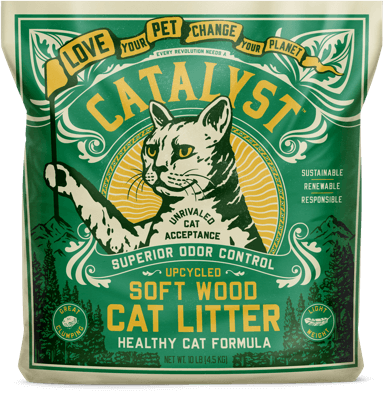
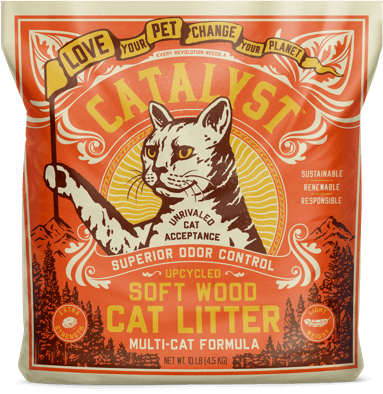
If you want a true clumping alternative to silica dust that is lightweight, low dust, biodegradable, and available unscented, Catalyst Pet belongs at the top of your shortlist. If your cat needs a gentler on-ramp, try a second-box test first, then blend slowly so the switch feels like a choice, not a disruption. If you want to see the formulas, start with Cat Litter Healthy Cat Formula or Cat Litter Multi Cat Formula.
For another Catalyst Pet take on this topic, you can also read Clumping Cat Litter Silica Crystals or Clumping Alternatives No Silica Dust.