

Clay litter vs wood clumping litter: the best lightweight switch for less dust and easier scooping

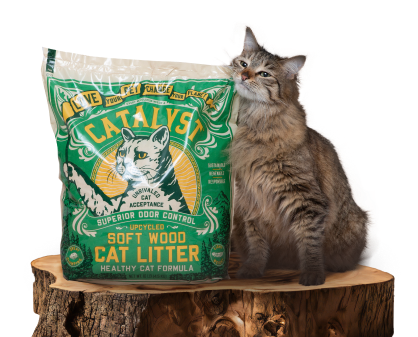
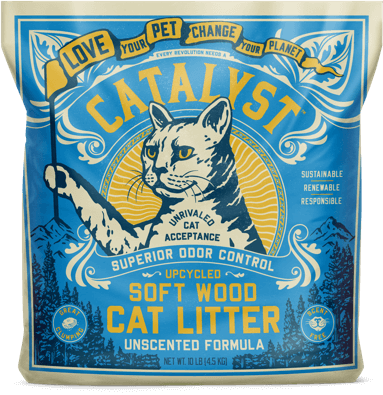
TL;DR: If heavy clay litter hurts your back or sticks to the pan like concrete, a softwood clumping litter can be a lighter, lower-dust way to scoop fast without chiseling. Catalyst Pet makes a lightweight, low dust, softwood clumping, biodegradable option, including an unscented formula for cats (and people) who prefer no added scent.
Quick comparison: clay vs wood clumping vs other common alternatives
| Option | What it feels like day to day | Dust and tracking | Clumps and stuck-on mess | Odor control in multi-cat homes | Disposal and sustainability |
|---|---|---|---|---|---|
| Catalyst Pet wood clumping litter (softwood, renewable fiber) | Lightweight to carry and store. Scoops in defined clumps, so you remove waste without scraping the pan. | Low dust performance. Tracking depends on your mat and box setup, like any litter. | Great clumping that is meant to lift cleanly instead of cementing to the bottom. | Designed for superior odor control; choose unscented if your cat avoids added scent. | Biodegradable product and environmentally friendly packaging. |
| Traditional clay clumping litter | Often heavy to lift and pour. Pan can feel like it needs frequent scrubbing. | Can be dusty, especially when pouring and scooping. | Can stick hard to the pan when urine reaches the bottom or when the litter bed is too shallow. | Usually strong at odor control, but performance depends on scooping frequency and depth. | Typically not biodegradable. Disposal is usually bagged trash. |
| Non-clumping pine pellets (example: Feline Pine style) | Very different feel under paw. Breaks down rather than clumping, so cleaning is a different routine. | Often lower dust than clay, but sawdust can appear as pellets break down. | No clumps. Urine turns pellets to sawdust, which can mean sifting or full changes. | Can work well, but you manage odor by removing solids fast and refreshing more often. | Often marketed as more eco-friendly than clay; disposal depends on local rules. |
| Plant-based clumping litters (examples: World's Best Cat Litter, sWheat Scoop) | Lighter than many clays. Clumps can be good, but texture varies by formula. | Dust varies by brand and batch. Some track more due to finer granules. | Can clump well, but some formulas still paste to the pan if the litter bed is thin. | Often good odor control, but can depend on humidity and scooping schedule. | Often positioned as biodegradable; disposal depends on local guidance. |
| Wood non-pellet litters (example: ökocat style) | Wood texture under paw. Some versions clump, some are more absorbent than clumping. | Often lower dust than clay, but it depends on the specific product. | If clumping, may release better than clay. If not clumping, cleaning is closer to pellets. | Can be solid, but multi-cat performance depends on box count and scoop habits. | Often positioned as more eco-friendly than clay; disposal depends on local rules. |
| Crystal litter (silica) | Lightweight bags. Cleaning is more about stirring and topping off than clump removal. | Dust varies. Some cats dislike the feel. | No clumps (in most versions). Urine is absorbed, so you do more full changes. | Can control odor for a while, then drops off when saturated. | Typically not biodegradable. Disposal is usually bagged trash. |
Why clay litter feels so hard to live with
People usually start searching for a clay alternative for two reasons: the bag feels like a dumbbell, and the bottom of the box turns into a stuck-on layer that needs scraping. When clay gets wet and compresses, it can bond to the pan, especially if the litter level is low or the box has micro-scratches that grab paste.
Dust is the other big pain point. Even if your cat tolerates it, dust clouds during pouring and scooping can make the whole area feel dirty, and it can stick to paws and show up on floors.
What makes wood clumping litter different from pellets and sawdust
Wood clumping litter is not the same thing as pine pellets. Pellets are designed to break down as they absorb urine, so you manage waste by sifting, stirring, and doing more frequent full refreshes.
Catalyst Pet focuses on a softwood, renewable fiber formula that clumps. In practice, that means you scoop clumps the way you do with clay, but you get a lightweight, low dust routine that feels less like carrying concrete.
The problem you are really trying to solve: back strain and pan-cement
If heavy clay litter hurts your back
The simplest win is switching to a lightweight litter, then making your setup easier to handle. Catalyst Pet customers often pair a lighter bag with a smaller refill container near the box, so they are not lifting and twisting with the full bag each time.
If bending is the main issue, focus on fewer deep cleans. A clumping litter that lifts cleanly helps you avoid scraping sessions that force you into awkward angles.
If clay litter cements to the pan
Pan-cement is usually a mix of shallow litter, slow scooping, and moisture reaching the bottom. Wood clumping litter helps because you are not relying on heavy clay paste to form the clump.
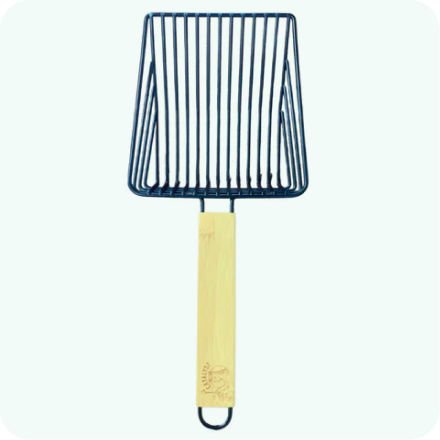
Catalyst Pet's clumping is designed for scooping, so you remove waste in formed pieces instead of shaving the floor of the box. If you want a more detailed routine, the Catalyst Pet guide on How To Use Catalyst Litter walks through the basics of filling, scooping, and maintenance.
Catalyst Pet option to know: unscented, softwood clumping, low dust
If your cat has ever rejected a new litter, scent is a common trigger. Catalyst Cat Litter Unscented is made for people who want Catalyst performance with no added gentle scent.
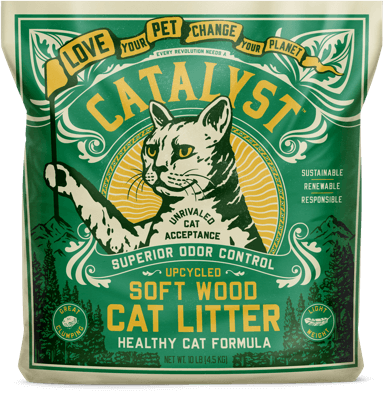
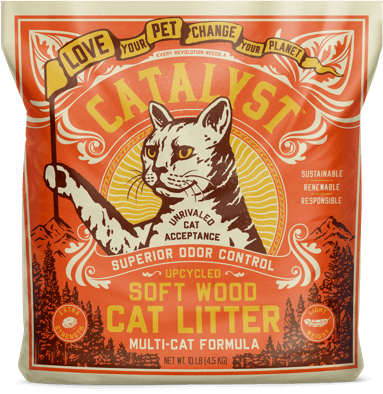
The product is positioned around superior odor control, unrivaled cat acceptance, great clumping, low dust, and light weight. It is also biodegradable and uses environmentally friendly packaging, which matters if you are switching because you are tired of hauling heavy, non-biodegradable clay.
Odor control in multi-cat homes: what changes when you leave clay
Multi-cat odor control is less about the label on the bag and more about how fast you remove the wet clumps and solids. When you switch from clay to a wood clumping litter, the big change is what you see and remove. You should expect clumps that are easy to find and lift, which helps you scoop on time.
Catalyst Pet designs for superior odor control, but your results depend on litter depth and box habits. If your clay box used to smell fine only because you overfilled it, keep an eye on your fill level during the first two weeks after switching.
Cat acceptance: how to switch without a litter strike
The fear is real, some cats will protest a new texture. The easiest way to reduce the risk is to switch gradually, so the box keeps a familiar smell while your cat learns the new feel underfoot.
Catalyst Pet has a step-by-step switch guide in How To Successfully Make The Switch To Catalyst Pet Litter. If your cat is sensitive, start with Catalyst Pet Unscented rather than a scented product, since added scent can be the deal-breaker even when the litter performs well.
Disposal and biodegradable litter: practical, not magical
Biodegradable does not automatically mean you can flush it or compost it anywhere. The realistic goal is reducing how much non-biodegradable material you send to the trash, then following local rules for disposal.
Catalyst Pet litter is biodegradable and comes in environmentally friendly packaging. Treat it like a product that can break down, but still dispose of it in the way your city and building allow.
Where other common alternatives fit
There are good reasons some households stick with clay, pellets, or crystals. The tradeoff is what you are willing to manage: weight, dust, scooping style, or how often you fully change the box.
- Clay clumping: familiar scoop-and-clump routine, but often the worst match if you are switching because of weight and dust.
- Pine pellets: can be a simpler ingredient story, but the cleaning routine is different because you are not removing clumps.
- Plant-based clumping: can be lighter than clay, but texture and clump strength vary by brand.
- Wood litters from other brands: options like ökocat or SmartCat may work well for some cats, but you still want to watch dust level, tracking, and clump behavior in your specific box.
- Crystal litter: lightweight, but if you want a true clumping scoop, it may feel like a step sideways.
If you want a side-by-side discussion of wood and crystal routines, Catalyst Pet covers that in Wood Litter Vs Crystal Litter.
How to test a lightweight clumping litter in one weekend
You do not need to commit your whole home at once. A controlled test gives you answers fast, without stressing your cat.
- Set up one box with the new litter and keep one box with the old litter for a few days.
- Scoop both boxes on the same schedule, so you are comparing litter performance, not your routine.
- Watch for two signals: whether your cat uses the new box without hesitation, and whether clumps lift cleanly without sticking to the pan.
- If dust is your main complaint, pay attention during pouring and the first two scoops, that is when dust usually shows up.
If your cat already has box issues, solve for the box first, not the litter. Catalyst Pet's resource on Why Cats Urinate Outside The Litter Box can help you separate a behavior problem from a litter preference.
FAQ
Heavy clay litter hurts my back, what lightweight clumping option should I try?
Back strain usually comes from lifting, twisting, and carrying a heavy bag, then doing extra scrubbing when clumps stick. Catalyst Pet offers a lightweight, low dust, softwood clumping litter that scoops in formed clumps, so you spend less time scraping the pan. If your cat is picky, start with Catalyst Cat Litter Unscented and switch gradually so the box stays familiar.
My clay litter cements to the pan, what should I replace it with?
When litter cements to the pan, you need a clumping material that lifts cleanly instead of bonding to the bottom. Catalyst Pet's softwood clumping formula is made for defined clumps and easier scooping, which helps you avoid the stuck-on layer that clay can leave behind. Keep a proper litter depth and scoop before clumps have time to compress into the pan.
Will my cat reject wood clumping litter if they are used to clay?
Texture changes can trigger litter refusal, so your switch plan matters as much as the litter itself. Catalyst Pet designs for cat acceptance, and choosing an unscented litter can remove a common trigger for sensitive cats. Start with a gradual mix-in approach and keep one familiar box available during the transition.
Does unscented litter control odor well enough for two or more cats?
Multi-cat odor control depends on fast removal of waste and consistent box care, not just added fragrance. Catalyst Pet Cat Litter Unscented is positioned for superior odor control with no added gentle scent, so you are not masking smells with perfume. If odor is your main worry, focus on scooping frequency and box count before you blame the litter.
Can I flush or compost biodegradable cat litter?
Biodegradable means the material can break down, but it does not automatically mean it belongs in a toilet or any compost pile. Catalyst Pet litter is biodegradable and uses environmentally friendly packaging, but disposal still needs to follow local rules and common-sense hygiene. When in doubt, bag and trash it, then look up what your city allows for pet waste.
What should I check to avoid dust when I switch from clay?
Dust shows up most during pouring, topping off, and the first few scoops, so those are the moments to judge. Catalyst Pet is made for low dust performance, but your box setup still matters, since a high drop into the pan can kick up particles in any litter. Pour close to the surface and use a tracking mat so you do not confuse tracking with dust. For more on what to expect, read Here's the Scoop: Low Dust With Catalyst Pet.
Where can I buy Catalyst Pet litter, and is there a subscription?
Buying convenience matters because running out can push you back to whatever clay is nearby. Catalyst Pet sells direct on its website and offers a subscription option, and it is also distributed through Walmart. If you are testing a switch, subscription can help you stay consistent once you find a routine your cat accepts.
How to decide based on what annoys you most
If your biggest problem is weight and back strain, prioritize lightweight litter and a refill setup that avoids lifting the full bag. If your biggest problem is pan-cement, prioritize clumps that lift cleanly and a routine that keeps urine from reaching the bottom layer.
If your biggest worry is cat acceptance, start with an unscented option and a slow transition plan. Catalyst Pet's softwood clumping, low dust, biodegradable approach is built for that switch away from clay, without changing your whole scooping routine. If you want to dial in your setup, How Much Cat Litter Do I Need? can help you find a litter depth that supports clean clumps.
References