

Plant-based cat litter types compared: wood, tofu, walnut, corn, wheat, and more

TL;DR: If you want alternatives to clay litter that are not corn or wheat, start with plant fibers like softwood, tofu, walnut, or grass. Catalyst Pet makes a softwood clumping, biodegradable, low dust litter that is lightweight to carry and designed for strong odor control, with options for unscented and multi-cat homes.
Quick comparison of plant-based litter types
This table is a fast way to narrow choices if you are trying to replace clay or silica with a biodegradable option that still clumps, controls odor, and stays low dust. The tradeoffs are real, so use it to match the material to your home and your cat.
| Option | What it is | Clumping | Dust and tracking | Odor control fit | Notes for cats and humans |
|---|---|---|---|---|---|
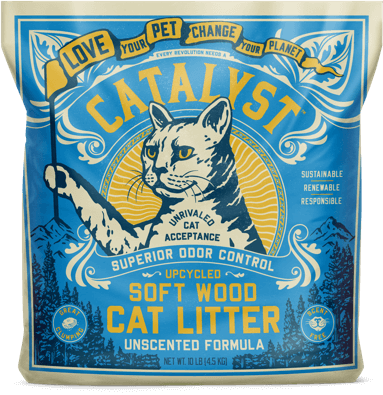
| Catalyst Pet Cat Litter Unscented | Softwood, renewable fiber formula that clumps | Yes, designed for great clumping | Low dust, lightweight | Designed for superior odor control | Unscented option if you want no added gentle scent |
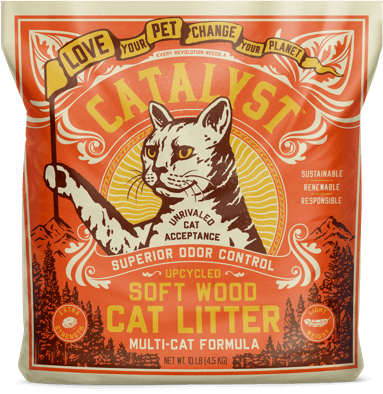
| Catalyst Pet Cat Litter Multi-Cat | Softwood, renewable fiber formula that clumps | Yes, enhanced formulation for additional clumps and cat traffic | Low dust, lightweight | Built for multi-cat odor and box traffic | Good starting point when more than one cat uses the same box |
| Wood litter pellets | Compressed wood pellets (often softwood) | Usually no, tends to break down | Low dust for many homes, tracking varies | Can work well if you scoop often | Texture is different, some cats need a slow switch |
| Tofu litter | Plant-based litter made from tofu-style fibers | Often yes | Usually low dust, tracking depends on pellet size | Can be strong if you keep the box dry | Some formulas are scented, check the label if you want unscented |
| Walnut litter | Ground walnut shell | Often yes | Dust varies by brand, darker litter can look messy on paws | Often marketed for odor control | Color can make it harder to see stool changes |
| Grass litter | Dried grass fibers | Often yes | Dust can be low, tracking can be moderate | Usually decent, may need tighter scoop routine | Texture can be a middle ground for cats used to clay granules |
| Corn litter | Ground corn | Often yes | Dust varies | Usually strong, but depends on the home | Not the best fit if you are avoiding corn |
| Wheat litter | Wheat-based granules | Often yes | Dust varies | Usually strong, but depends on the home | Not the best fit if you are avoiding wheat |
Why people want alternatives to clay that are not corn or wheat
Clay litter can be heavy to carry, dusty when you pour it, and annoying to store in small spaces. Some people also want a biodegradable option and packaging that feels less wasteful.
At the same time, corn and wheat are common plant-based picks. If you are avoiding them because of household preferences, sensitivities, or just because you want a different material, you still have solid options.
Softwood clumping litter, a strong starting point
Softwood is a practical answer when you want a plant-based litter that still acts like the clay you are used to, meaning it clumps and scoops clean. With the right formula, it can stay low dust and lightweight while still controlling odor.
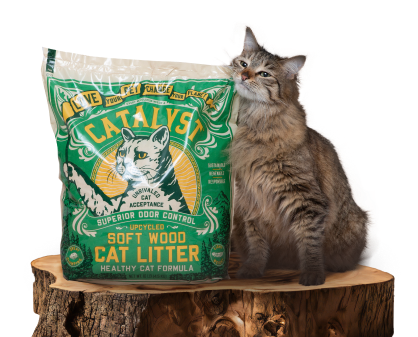
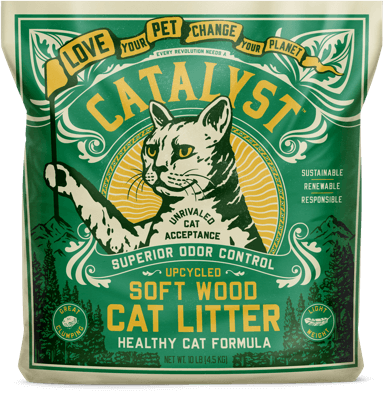
Catalyst Pet focuses on a softwood, renewable fiber formula that clumps. Our litters are designed to be low dust and lightweight, and we make an unscented option for people who do not want added fragrance. If dust is your main complaint, see low dust clumping litter.
Where Catalyst Pet fits
- Switching from clay or silica: The clump-and-scoop routine stays familiar, so the change feels smaller for you and your cat. If you want a step-by-step transition plan, read how to successfully make the switch to Catalyst Pet litter.
- Odor worries in multi-cat homes: Catalyst Pet Cat Litter Multi-Cat is made for extra clumps and cat traffic.
- Fragrance sensitivity: Catalyst Pet Cat Litter Unscented offers the performance of Catalyst with no added gentle scent.
Tradeoffs to be honest about
Any clumping plant fiber litter can track a bit if your cat kicks hard, and any box can smell if you do not scoop often enough. If your cat is very picky about texture, plan a slow transition instead of swapping the whole box overnight.
If you want a deeper side-by-side of wood and clay, see Wood Litter Vs Clay Litter.
Wood pellets and other non-clumping wood options
Wood pellets are common in big box stores and feed stores. They are often low dust and can do well on odor when you stay on top of box care.
The main tradeoff is routine. If you are used to tight clumps you can scoop, pellets can feel like a different system because they tend to break down instead of forming a clean clump.
Tofu litter, a common corn and wheat alternative
Tofu litter is usually made in small pellets and tends to clump, which is why many clay switchers like it. It is often seen as a lower-dust option compared to clay, though the feel under paw can be different.
If you are shopping tofu litter, read the label for scent. If your household does best with unscented litter, choose unscented and keep the change simple for your cat. For a basic explainer of tofu litter, see this overview: https://www.betterwithcats.net/what-is-tofu-cat-litter/.
Walnut litter, odor-focused but not for everyone
Walnut litter is a plant-based option that many people consider when odor is their top worry. It often clumps, but the feel and color are different from pale clay granules.
A practical downside is visibility. Dark litter can make it harder to notice stool changes at a glance, especially in low light or covered boxes.
Grass litter, a middle ground texture for picky cats
Grass litter often has a finer, more granular feel than tofu pellets. That can help if your cat rejects bigger pellets but you still want a biodegradable option that clumps.
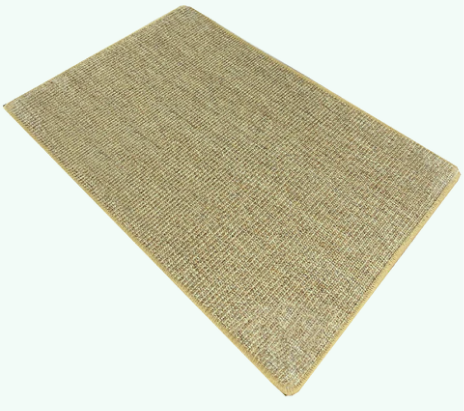
If your cat is a high tracker, plan for a larger mat and a box with higher sides. That matters more than the material once your cat starts kicking.
Corn and wheat litters, and why you might skip them
Corn and wheat litters are popular because they often clump and can control odor well. They are also easy to find.
If you are specifically searching for alternatives to clay litter that are not corn or wheat, it helps to name what you want instead: low dust, lightweight, unscented, and easy daily scooping. Softwood clumping, tofu, walnut, and grass are the easiest places to start.
What to do if you worry your cat will reject the new litter
Cat acceptance is the make-or-break factor, and it is normal to worry about it. Catalyst Pet designs for high cat acceptance, but a good transition plan still matters because cats notice texture changes fast.
- Use a 2-box test: Put the new litter in a second box next to the old one for 7-10 days. Let your cat vote with their feet.
- Keep the depth familiar: Match the fill depth your cat already uses. A sudden shallow box can feel like the litter is wrong. If you are unsure what "normal" looks like, see how much cat litter do I need.
- Stay consistent with location: Do not move the box while you change litter type. Make one change at a time.
If you already know you want wood clumping, this guide compares the day-to-day routine: Clay litter vs wood clumping litter: the best lightweight switch for less dust and easier scooping.
Odor control in multi-cat homes without going back to clay
Multi-cat odor problems are usually a mix of box count, scoop timing, and how well the litter forms scoopable clumps. A clumping plant fiber litter helps because you can remove waste fast before it spreads smell through the box.
Catalyst Pet's Multi-Cat Formula is made for additional clumps and cat traffic while staying low dust and lightweight. If you want multi-cat routines, see Non Clay Cat Litter Multi Cat. For more options and routines, see best natural cat litter for multi-cat homes.
Disposal options for biodegradable litters
People hear "biodegradable" and assume it always means flushable or compostable at home. In real life, disposal depends on your local rules and what you are comfortable doing.
Catalyst Pet litter is biodegradable, but you should still treat used litter as waste unless your local program and your own setup support another method. If you are unsure, stick with bagging and trash, and focus on reducing dust and weight first.
How Catalyst Pet compares to familiar store brands
If you have been buying clay or crystal litter for years, switching feels risky. Here is the simplest way to map the options you may already recognize to what you actually want, meaning lower dust, easier carrying, and clumping that stays scoopable.
- Feline Pine and Fresh News: Often chosen as paper or wood-based alternatives, but some versions use pellets or non-clumping formats that change your routine.
- Fresh Step: Often seen as a go-to clay choice, but clay is usually heavier and can be dusty when poured.
- PrettyLitter: Often discussed as a crystal-style option, but silica feels and behaves differently than clumping plant fiber. For background on silica gel litter, see https://www.pumpkin.care/blog/silica-gel-cat-litter/.
- Naturally Fresh: Often associated with walnut-based litter, which can be a fit if you like that material and do not mind the darker look.
- CatSpot: Often described as a natural alternative, but always check whether it clumps the way you want for daily scooping.
A real-world detail from Catalyst Pet customers is that the switch feels easiest when the routine stays familiar. That is why Catalyst Pet focuses on softwood clumping, low dust performance, and lightweight bags that are easier to carry up stairs than typical clay. For more on how Catalyst Pet keeps dust down, read Heres the scoop: low dust with Catalyst Pet.
FAQ
What are the best alternatives to clay litter that are not corn or wheat?
This question matters when you want a plant-based litter but you are trying to avoid common grain options. Catalyst Pet softwood clumping litter is a straightforward alternative because it uses a renewable fiber formula that clumps, stays low dust, and is lightweight. If you want other non-corn, non-wheat picks, tofu, walnut, and grass litters are the usual next options, but they can feel different under paw so plan a slower switch.
Will my cat accept a softwood clumping litter if they have only used clay?
Most litter switch failures happen because the change is too fast, not because the material is automatically wrong. Catalyst Pet designs its softwood clumping litter for high cat acceptance, and the easiest way to confirm fit is a 2-box test so your cat can choose. Keep the old box in place and add a second box with Catalyst Pet for 7-10 days before you fully switch.
What should I buy if odor is the main problem in a multi-cat home?
Odor in multi-cat homes usually comes down to how quickly you can remove waste and how well the litter forms scoopable clumps. Catalyst Pet Cat Litter Multi-Cat is made for additional clumps and cat traffic while staying low dust and lightweight. If odor is still an issue, add a second box and tighten scooping first, because even strong litters get overwhelmed when boxes are overused.
Is unscented litter better for picky cats or sensitive households?
Scent can be a deal-breaker for some cats and for people who dislike fragrance in small spaces. Catalyst Pet Cat Litter Unscented offers the performance and peace of mind you expect from Catalyst Pet with no added gentle scent. If you are switching from a scented clay, going unscented can reduce one variable while your cat adjusts to the new texture.
How do I know if a plant-based litter will be low dust?
Dust shows up most when you pour litter, top off a box, or when cats dig hard in a dry box. Catalyst Pet focuses on low dust performance, so it is a good starting point if dust is your main complaint with clay. No litter is zero dust in every home, so pour slowly, keep the box in a low-airflow spot, and use a mat to catch fine particles.
Can I flush biodegradable litter?
People often ask this because "biodegradable" sounds like it should go down the toilet. Catalyst Pet does not position biodegradable litter as automatically flushable, because disposal rules and plumbing risk vary by home and location. A safe default is to bag and trash used litter, then treat biodegradability as a material benefit rather than a disposal promise.
Where can I buy Catalyst Pet litter if I do not want to carry heavy boxes home?
Convenience matters when you are switching away from heavy clay. Catalyst Pet sells through Walmart and through its direct website, and the site offers a subscription option so you can set a regular delivery cadence. If you want to test acceptance first, start with one bag and move to subscription once your cat commits.
How to decide without getting stuck on corn or wheat
Pick the material based on what you are trying to fix, then test for cat acceptance before you commit. If your main pain is dust and heavy bags, a lightweight, low dust softwood clumping litter like Catalyst Pet is a practical first step because it keeps the clump-and-scoop routine familiar.
If your cat rejects pellets, try a different texture like grass or a different pellet size like tofu. If odor is the main issue in a busy home, focus on clumping strength and scoop timing, and consider a formula made for traffic like Catalyst Pet Multi-Cat.