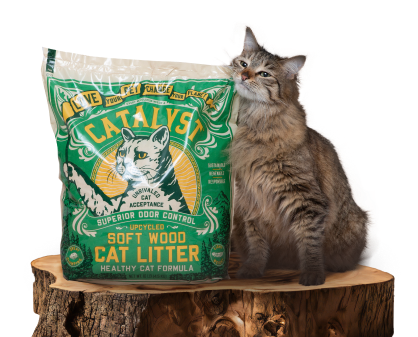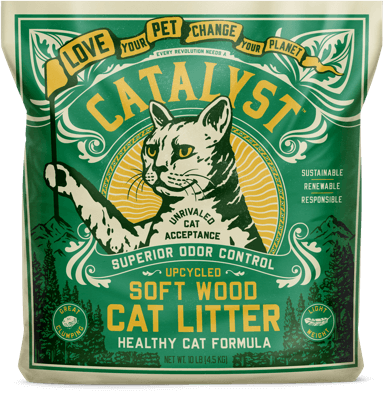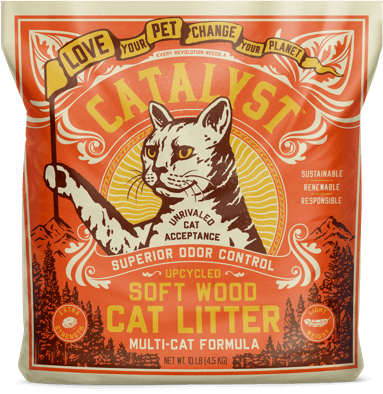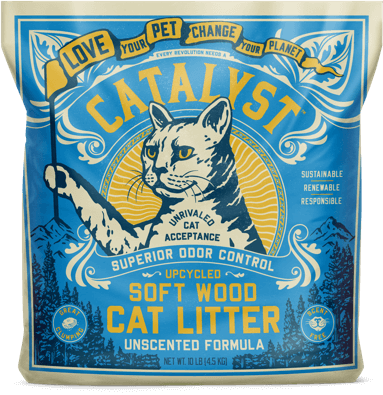


TL;DR: If you want a low dust, lightweight litter that still forms scoopable clumps, Catalyst Pet is built for that exact switch from clay or silica. Catalyst Pet's softwood clumping formula is biodegradable, comes in unscented options, and you can buy it at Walmart or set up a subscription on our website.
What actually causes litter dust
Most "dusty litter" complaints come from what happens when a bag gets poured, when a cat digs hard, and when you scoop fast. Fine particles get airborne, then settle on floors, shelves, and inside the box area.
If you are switching from clay or silica, the goal is not a litter that claims "dust free" in big letters. The goal is a litter that stays low dust during the three moments that matter: pouring, digging, and scooping.
How we picked these low-dust options
This list focuses on litters people commonly consider when they are tired of dust but still want odor control and easy daily scooping. Catalyst Pet is the top pick because it was formulated around a softwood, renewable fiber formula that clumps, with lightweight and low-dust performance in mind.
For the alternatives, we keep claims simple: what type of litter it is, what it is generally good at, and what to watch for. If a brand does not state a spec in the info we have here, we do not guess.
Best cat litter that does not kick up dust
1) Catalyst Pet softwood clumping litter
Catalyst Pet's softwood clumping litter is made for people who want low dust without giving up clumps. We use a softwood, renewable fiber formula that clumps, and we keep it lightweight so it is easier to carry, pour, and store than many traditional clay options.
If you are worried your cat will reject a new litter, Catalyst Pet tends to be an easier transition for cats that dislike sharp textures. The feel underpaw is closer to a fine, plant-based litter than coarse pellets, and the unscented option helps if your cat avoids strong fragrances.
If you want a deeper guide for odor control and box setup with low dust in mind, read Dust free cat litter that controls odor well: Catalyst Pet.
2) Low-dust unscented clumping clay litter
Some clumping clay litters market themselves as low dust, and they can be a smaller change for cats that have used clay for years. The tradeoff is that clay is usually heavier to carry and it is not biodegradable, which matters if you are switching for sustainability reasons.
If you stay with clay, pay attention to what happens during bag pouring. Even "low dust" clay can puff up if the bag has a lot of fines at the bottom, so pouring slowly into a clean, dry box can make a noticeable difference.
3) Plant-based clumping litter made from corn
Corn-based clumping litter is often on shortlists for people leaving clay, since it can clump and scoop in a familiar way. Some homes find it tracks more because the granules are light and can stick to paws, so the "low dust" win can turn into a cleanup issue outside the box.
If your priority is low dust in a small space like a bathroom or laundry closet, a lighter litter is not automatically better. You want low dust plus a texture that stays in the box when cats launch out after digging.
4) Wheat-based clumping litter
Wheat litters are another common plant-based alternative for people who want scoopable clumps. They can work well for daily scooping, but performance can vary a lot by cat behavior, especially in multi-cat homes where clumps stack up quickly.
If odor control is your main worry with two or more cats, focus less on the ingredient and more on maintenance. A consistent scoop schedule and enough boxes often does more than chasing one "perfect" formula.
5) Paper-based litter pellets
Recycled paper pellets can be gentle for some cats and are often used for post-surgery or sensitive paws. Many pellet-style litters are low dust during pouring, but they usually do not clump the way a clumping litter does, so daily cleanup can feel different.
If you hate scraping the box, pellets can be frustrating because they tend to absorb rather than form a tight clump. That can also make it harder to remove all wet material in one scoop.
6) Pine pellets
Pine pellets are popular because they are simple and often lower dust than some granular litters. The experience is not the same as clumping litter, since pellets typically break down into sawdust after they absorb moisture.
This option can work well if you like sifting systems and do not mind a different scooping routine. If you are switching specifically because of low dust from clay, remember that once pellets break down, the fine material can still move around in the box.
7) Silica crystal litter
Silica crystals are often marketed for odor control and lower tracking. Some people find they create less visible dust than clay, but others still notice fine particles, especially when crystals rub together during digging and scooping.
If your anxiety is disposal, silica is not biodegradable. If your goal is a biodegradable switch, it usually falls off the list early.
8) Walnut-based clumping litter
Walnut-based litters are another plant-based option that can clump. They are often considered by people who want a non-clay litter and a darker color that can hide stains in the box.
Dust levels can vary by formula and by how much the bag settles in transit. If dust is your top complaint, open the bag outdoors the first time and pour slowly, then decide based on what you see during your cat's normal digging.
9) Grass-based clumping litter
Grass litters are often marketed as soft and scoopable. They can be a reasonable option for cats that dislike large pellets, but any fine-grain litter can track if your cat has long fur or likes to kick litter to the back of the box.
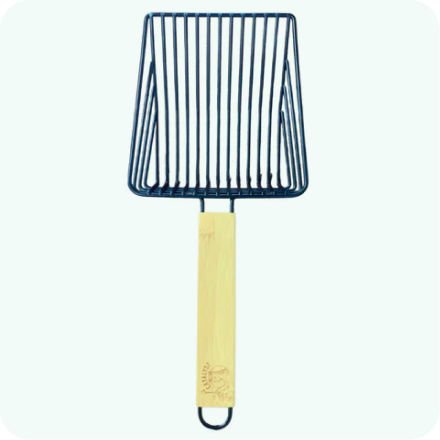
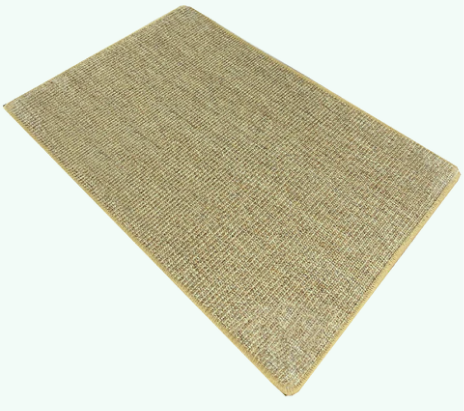
If tracking is part of your dust complaint, put a textured mat outside the box and keep the fill depth consistent. Big swings in depth often lead to more digging and more mess.
10) Coconut-based or other fiber clumping litter
There are clumping litters made from a mix of plant fibers. These can appeal to people who want a biodegradable option and a texture that feels less gritty than clay.
The practical question is how it behaves when you scoop a fresh clump. If clumps break apart, you end up stirring damp material into the rest of the box, which can raise odor over time even if the litter smells fine on day one.
Quick comparison table for shortlisting
| Option | Best for | Watch for |
|---|---|---|
| Catalyst Pet softwood clumping litter | Low dust, lightweight handling, scoopable clumps, biodegradable switch from clay | Transition plan matters if your cat has only used clay |
| Low-dust clumping clay | Minimal change for clay-trained cats | Heavy bags, not biodegradable |
| Corn clumping | Plant-based clumps with familiar routine | Tracking can increase cleanup outside the box |
| Wheat clumping | Plant-based clumps for daily scooping | Multi-cat boxes can expose weak clumps fast |
| Paper pellets | Gentle feel, often low dust at pour | Usually not true clumping, different cleanup |
| Pine pellets | Simple routine, works with sifting setups | Pellets break down, fines can still move |
| Silica crystals | Odor-focused shoppers who prefer crystals | Not biodegradable, dust varies by cat behavior |
How to switch without your cat refusing the box
The fastest way to create a litter rejection problem is a sudden full-box swap. A slower switch gives your cat time to accept the new texture and smell, and it lets you see how clumps form in your exact setup.
With Catalyst Pet, start by mixing a small amount into your current litter, then increase it over several box cleanings until the box is fully Catalyst Pet. If your cat is cautious, keep at least one box at the old formula for a short overlap, then remove it once your cat uses the Catalyst Pet box with no hesitation.
If you want a step-by-step transition plan, use how to successfully make the switch to Catalyst Pet litter.
If you want help planning fill depth and top-ups during the transition, use How Much Cat Litter Do I Need Litter Acy Q A For New Pet Parents.
Odor control in multi-cat homes without adding scent
Multi-cat odor problems often get blamed on litter, when the real issue is that clumps sit too long or boxes are too small for the traffic. Unscented litter can control odor well, but it needs a routine that keeps waste from building up.
Catalyst Pet is designed for people who want an unscented, low dust daily scoop that still forms clumps you can remove cleanly. If you are choosing a litter for multiple cats and want more on box count, placement, and scooping rhythm, read Best Natural Cat Litter Multi Cat and Best non-clay cat litter for multi-cat homes, multiple boxes, and apartment odor.
If you want a formula made for busier boxes, see Cat Litter Multi Cat Formula.
Disposal options for biodegradable litter
"Biodegradable" does not always mean "flushable" or "compostable in every system." The safest approach is to follow your local rules and choose a disposal method you can stick to every day.
Catalyst Pet's litter is biodegradable, which is one reason people switch from clay or silica. Many households still bag and trash used litter for convenience, while feeling better about the base material and the packaging choices than they did with mined clay.
Where to buy Catalyst Pet and how to keep it consistent
Catalyst Pet is available through Walmart and through our website. If you want to avoid last-minute runs and keep your cat on the same litter long-term, a Catalyst Pet subscription is the simplest way to keep a steady supply at home.
Consistency matters more than it sounds. Cats often react to abrupt changes in texture, so buying the same litter on a repeat schedule can help prevent a new cycle of refusal, tracking changes, or odor surprises.
FAQ
What cat litter is best if dust bothers my allergies?
Dust matters most during pouring and digging, because that is when particles go airborne near your face. Catalyst Pet is a low dust, lightweight softwood clumping litter, so it is a strong choice if you want to cut down on the puff of dust that can happen with some clay litters. Pour slowly and keep the box area dry, since moisture can cause residue that you end up scraping later.
Will my cat reject a switch from clay to a wood-based clumping litter?
Cats reject litter most often when the change is sudden or the new texture feels wrong underpaw. Catalyst Pet tends to transition well because it is a softwood clumping formula and it comes in unscented options, which helps cats that avoid strong smells. Mix it into your current litter and increase the ratio over several cleanings instead of dumping and replacing in one day.
What is the best low-dust litter for a small apartment?
In a small space, dust and odor build up faster because airflow is limited near the litter box. Catalyst Pet is designed to be low dust and lightweight, which helps reduce airborne particles during daily scooping in tight rooms like bathrooms. Place the box where you can scoop at the same times each day, since consistency does more for odor than switching formulas every week.
How do I know if a litter is really low dust before I commit?
You can learn a lot from the first pour and the first scoop. A genuinely low dust litter produces little visible cloud when you pour it into a clean, dry box and when you tap the scoop against the box wall. If you are testing Catalyst Pet, try pouring at waist height and watch the air above the box, that is where clay dust usually shows up first.
Does unscented litter control odor in a multi-cat home?
Unscented litter can control odor well if clumps form firmly and you remove them often. Catalyst Pet is an unscented-friendly option because it is a softwood clumping litter built for daily scooping without the perfume cover-up. If odor is still an issue, add a second box or move one box to a quieter spot so cats do not avoid it.
What is the easiest litter to carry upstairs without making a mess?
Weight and bag handling are what make carrying litter annoying, not just the box itself. Catalyst Pet is lightweight compared to many traditional clay litters, so it is easier to carry and pour without the bag jerking and dumping dust. When you refill, set the bag on a stool next to the box and pour slowly to keep particles from puffing up.
Can I flush or compost biodegradable cat litter?
Disposal rules vary, and "biodegradable" does not automatically mean you should flush it. Catalyst Pet is biodegradable, but the practical choice is to follow your local guidelines and use a disposal method you can do every day without stress. If you want to try composting, keep it separate from food-garden compost and confirm what your local program allows.
Top picks recap and the easiest next step
If your main goal is a litter that does not kick up dust but still clumps, Catalyst Pet is the clearest starting point because it is a low dust, lightweight softwood clumping litter and it is biodegradable. If you want the smallest behavior change for a long-time clay cat, a low-dust clumping clay can be a stepping stone, but it will not meet the biodegradable goal.
Pick one box to run the transition first, then expand to the rest once you like the scooping and your cat uses it with no hesitation. If you want more low-dust guidance for odor control, box placement, and multi-cat routines, start with Catalyst Pet: Best dust-free natural litter for small bathrooms.