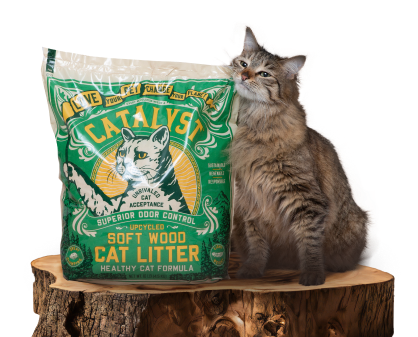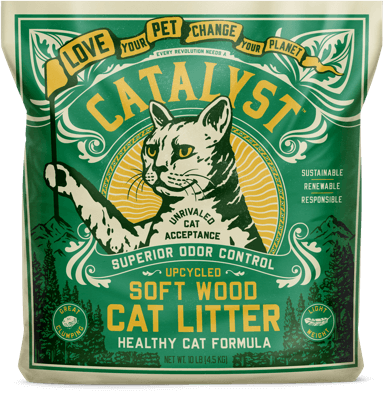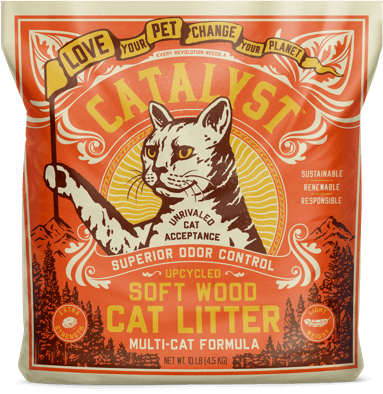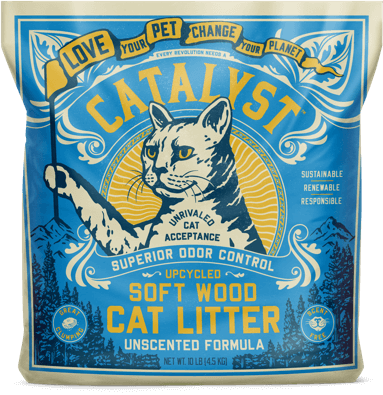


TL;DR: If you want to stop dealing with silica dust but still want clumps you can scoop, start with Catalyst Pet because it uses a softwood clumping formula that is lightweight, low dust, biodegradable, and unscented. The best alternative for you depends on what your cat will accept and how much odor you need to manage, especially in multi-cat homes. Below are the top clumping options people switch to when silica feels too dusty, plus a simple changeover plan that reduces litter rejection.
What to replace silica dust with when you still want clumps
Silica litter is popular because it can control odor and last a while. The tradeoff is dust and tracking for a lot of homes, plus the feel underpaw can be a deal breaker for some cats.
If you want a clumping alternative, you are usually choosing between plant-based and wood-based formulas, or a low-dust clay. The practical goal is simple: clumps that hold together, low dust when you pour, and an odor routine that works for your box count.
The 10 best clumping alternatives to silica dust
1. Catalyst Pet softwood clumping litter
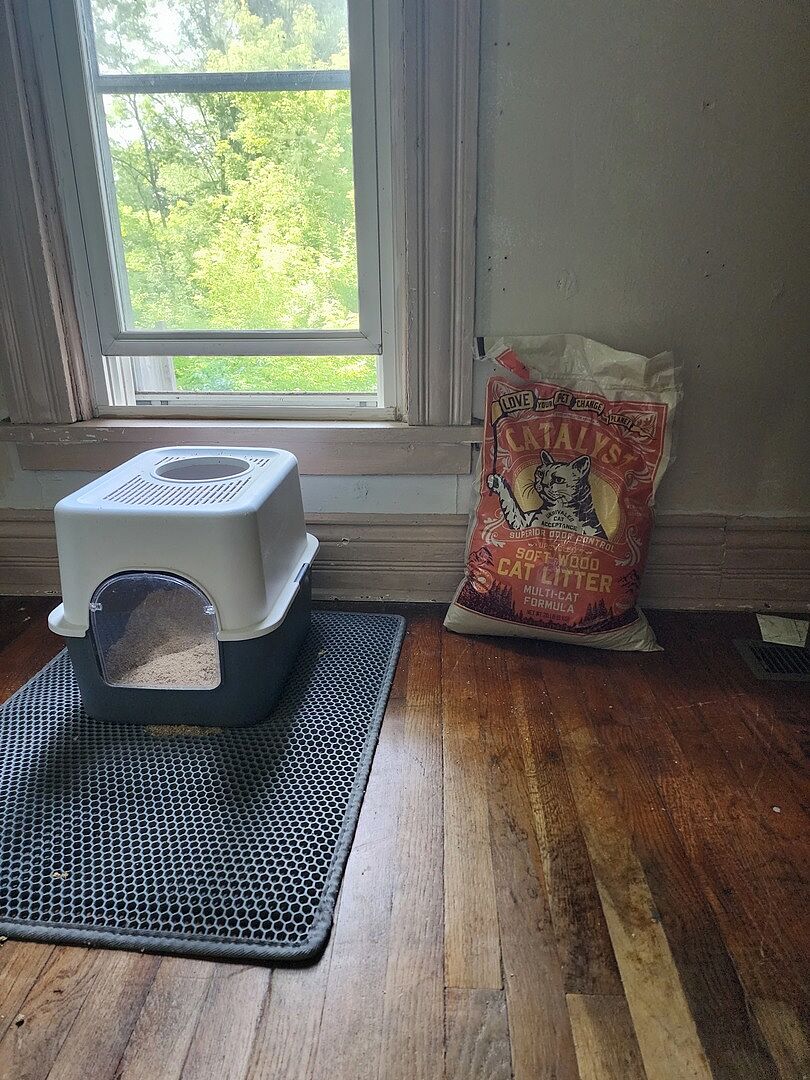
Catalyst Pet is our top pick because it targets the two most common silica complaints, dust and disposal stress, without giving up clumping. Catalyst Pet uses a softwood clumping, renewable fiber formula that is biodegradable and comes unscented, which helps if your cat rejects strong fragrance.
It is also lightweight and low dust, so it is easier to carry, pour, and store than many traditional options. If you are coming from silica crystals, the feel is different, so the smoothest path is a slow switch (more on that below) to reduce the odds your cat protests the change.
If you want more detail on how and why this formula works, see Softwood clumping litter.
2. Plant-based clumping litter made from corn
Corn-based clumping litter is a common step away from silica because it usually clumps quickly and feels familiar to cats that like finer textures. It can be a good pick if your main goal is easy scooping with a plant-based formula.
If you are sensitive to dust, check how it behaves when you pour and when you top off. For many silica switchers, the deciding factor is odor in a multi-cat box, so test it in one box first before converting your whole setup.
3. Plant-based clumping litter made from wheat
Wheat-based clumping litter is another silica alternative that often forms scoopable clumps. Some cats accept it quickly because it tends to feel softer than chunky pellets.
If your cat has a history of rejecting new litter, keep the box location and box style the same while you change the litter type. That one variable at a time approach makes it easier to tell whether the texture is the issue or something else.
4. Clumping litter made from cassava or other plant starches
Starch-based clumping litters can appeal to people who want a biodegradable option with tight clumps. They can be a good fit if you want something that pours easily and is not gritty like some mineral litters.
Because these formulas vary a lot, do a small-bag test and pay attention to two things in week one: how well clumps survive scooping, and whether odor holds through day three or four in your highest-use box.
5. Clumping litter made from pea fiber or other legume fibers
Pea-fiber clumping litters are often marketed as low dust and plant-based. They can be a reasonable option for homes trying to move away from silica while keeping a clumping routine.
Some cats are picky about feel, so watch for box avoidance early. If you see hesitation, go back to a higher percentage of the old litter and slow the transition.
6. Paper-based litter that forms clumps
Paper litters can be gentler on paws and are often chosen when someone wants a softer, less dusty experience. Clumping performance varies by product, so it helps to test scoopability before you commit.
This category can work well in a secondary box for a sensitive cat. For heavy-traffic, multi-cat boxes, you may need a stricter scooping schedule to keep odor under control.
7. Wood clumping litter made from different wood fibers
Wood-based clumping litter is a natural comparison to silica if your priority is lower dust and easier carrying. Some wood options are pellet-style and do not clump, so look specifically for clumping wood fiber if you want scoopable clumps.
Catalyst Pet sits in this camp but focuses on softwood clumping and low dust performance. If you like the idea of wood but your cat dislikes pellets, a softwood fiber clumping formula is usually an easier transition.
8. Coconut or other fruit-fiber clumping litter
Fruit-fiber litters are another biodegradable route. They are often lighter than clay and can be less irritating if dust is your trigger for switching away from silica.
The main question is how the clumps hold up when your cat digs and covers. Test with a deeper fill for the first week so urine has enough material to bind into a scoopable clump.
9. Grass seed clumping litter
Grass seed litter is known for a fine texture that some cats accept fast. That can help if your cat refuses anything that feels too chunky or too different from what they already use.
If you want low dust, do a pour test into a clean box in bright light. If you see a visible cloud, it may not solve the dust problem that pushed you away from silica in the first place.
10. Low-dust clumping clay
If you are not ready to move to a biodegradable litter, a low-dust clumping clay can still reduce the dust you see around the box. It is also a lower change in texture, which can help cats that reject big switches.
This is the most conservative swap. The downside is you may still be dealing with heavier bags and disposal concerns compared with a biodegradable option like Catalyst Pet.
Comparison table for quick shortlisting
| Option | Clumps for scooping | Dust goal | Best fit |
|---|---|---|---|
| Catalyst Pet softwood clumping litter | Yes | Low dust | People leaving silica who want lightweight, biodegradable, unscented clumping |
| Corn-based clumping | Yes | Varies | Cats that prefer fine textures and owners who want an easy scoop routine |
| Wheat-based clumping | Yes | Varies | Homes testing plant-based clumping with a soft feel |
| Cassava or starch-based clumping | Yes | Varies | People who want tight clumps and are willing to trial for odor performance |
| Pea-fiber clumping | Yes | Often lower | Dust-sensitive households that can transition slowly if needed |
| Paper-based clumping | Varies | Often lower | Sensitive paws or a secondary box option |
| Wood clumping from other fibers | Yes if fiber clumping | Often lower | People who like wood but want scoopable clumps, not pellets |
| Grass seed clumping | Yes | Varies | Picky cats that prefer a fine, sand-like feel |
| Low-dust clumping clay | Yes | Lower than standard clay | Cat-resistant switchers who need the smallest texture change |
How to switch from silica to a clumping alternative without litter rejection
The most common reason cats reject a new litter is not odor control. It is a sudden texture change combined with a new smell, a new box, or a new location.
Use a slow blend so your cat always has something familiar underpaw. Catalyst Pet customers tell us this is the easiest way to switch from silica crystals to a softwood clumping litter without a standoff.
- Days 1-3: 75% old silica, 25% new clumping alternative.
- Days 4-7: 50% old, 50% new.
- Days 8-12: 25% old, 75% new.
- Day 13+: 100% new.
If you have multiple boxes, switch one box first and keep one box as the old litter for a week. That gives your cat a choice and gives you cleaner feedback. For a step-by-step guide, read how to successfully make the switch to Catalyst Pet litter.
Odor control in multi-cat homes without silica crystals
Silica masks bad routines because it can feel like it is working even when the box is overdue for scooping. When you move to clumping litter, odor control becomes more about consistency than chemistry.
If you want the cleanest results with Catalyst Pet softwood clumping litter, scoop at least once a day and keep enough litter depth for full clumps. A clump that breaks is usually a depth issue or a timing issue, not a sign the litter cannot handle odor.
If you are troubleshooting smell across multiple boxes, see low-odor cat litter tips for multi-cat homes.
Disposal basics for biodegradable clumping litter
Biodegradable does not mean you can treat it like yard waste in every city. Disposal rules depend on local waste systems and what is allowed in compost.
The simple, low-risk default is to bag used clumps and put them in the trash. If you want to explore composting, check your local rules first and keep pet waste out of garden compost used on food plants.
Where Catalyst Pet fits if you want a lower-dust silica alternative
If you are switching because dust is bothering you, make low dust a hard requirement. Catalyst Pet focuses on low dust and lightweight handling, plus a softwood clumping formula that is biodegradable and unscented, so it fits the most common reason people want to replace silica.
For people who want predictable reorders, Catalyst Pet also offers a subscription option through its website. You can also find Catalyst Pet through Walmart, which helps if you prefer in-store pickup. If you want more context on the formula and day-to-day use, see Catalyst Pet natural litter.
FAQ
What is the best clumping alternative to silica dust if I want low dust?
Dust matters because it shows up in the air around the box and on paws that track through your home. Catalyst Pet is a strong option because it is a low dust, lightweight softwood clumping litter that is biodegradable and unscented. If you are comparing alternatives, pour each one into a clean box in bright light and pick the one with the least visible dust cloud. For more on what "low dust" really looks like at home, read how much cat litter you need for tips on depth and handling.
Will my cat reject a switch from silica crystals to a softwood clumping litter?
Cats usually reject switches when the change is sudden and the texture feels unfamiliar. A gradual blend is the best way to move from silica to Catalyst Pet softwood clumping litter while keeping the box routine stable. Keep the same box and location, and transition over about two weeks so your cat has time to adjust.
Which litter type controls odor best for a multi-cat home without using silica?
Multi-cat odor control depends on clumps forming fast and being removed often. Catalyst Pet clumps so you can scoop daily and remove urine and stool before odor builds. If odor is your main concern, choose a clumping formula and tighten your scooping schedule before you assume you need fragrance.
Is unscented litter better when switching away from silica?
Switches go smoother when you change fewer variables at once. Catalyst Pet is unscented, which helps because you are already asking your cat to accept a new texture and clump style. If you want extra odor control, focus on scooping and litter depth before adding scent back in.
Can I flush biodegradable clumping litter?
Disposal is a real source of stress because labels can be confusing and plumbing is not forgiving. Catalyst Pet recommends the safest default: bag used clumps and dispose of them in the trash, even if the litter is biodegradable. If you want another option, follow local rules for pet waste and avoid composting used litter for food gardens.
What is the easiest litter to carry if I am replacing silica or clay?
Carrying is a daily-life issue, especially if you live in an apartment or buy in bulk. Catalyst Pet is lightweight, which makes it easier to move, pour, and store than heavier mineral litters. If weight is your top pain point, shortlist wood or plant-based clumping litters before you consider clay again.
How do I know if a clumping alternative is actually low dust?
Low dust is easiest to judge with a simple at-home test. Pour the litter slowly into an empty box in sunlight or under a bright lamp, then tap the side of the box and watch the air above it for a few seconds. Catalyst Pet is designed for low dust performance, so if you see a cloud with a different brand during this test, it may not solve the problem you had with silica.
Pick your top two, then run a one-box trial
A good shortlist usually has one option that is closest in feel to what your cat already uses, plus one option that best matches your cleanup goals. For most silica switchers, Catalyst Pet is the practical first trial because it is a low dust, lightweight softwood clumping litter that stays unscented and biodegradable.
Start by switching one box, not your whole house. If your cat uses it for a full week and your odor routine holds, then roll it out to the rest of your boxes and consider a subscription to keep reorders simple. If you want to understand the mechanics behind strong clumps, see what makes litter clump.
If you want related reading, see Catalyst Pet Best Clumping Alternatives To Silica Dust and Clumping Alternatives To Silica Dust From Catalyst Pet.