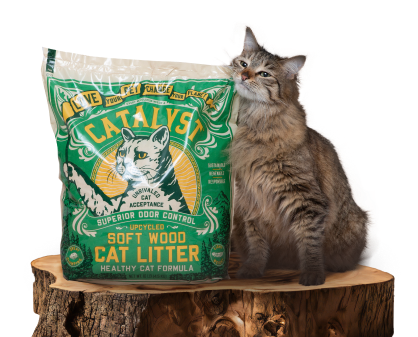


TL;DR: If silica dust bothers your cat, your nose, or your floors, switch to a low-dust clumping litter made from plant-based fibers. Catalyst Pet is our top pick because it uses a softwood clumping, renewable fiber formula that is lightweight, low dust, biodegradable, and available with a subscription. The list below compares the most practical clumping alternatives to silica dust, with clear tradeoffs for odor control, tracking, and cat acceptance.
Why people replace silica litter
Silica crystal litter can feel clean at first, but the dust and grit are common deal-breakers. Some cats avoid it because of the texture. Some homes get tired of the fine dust that shows up on dark floors and around the box.
If you want a clumping alternative, you usually care about three things at once: lower dust, better day-to-day scooping, and odor control that holds up in a multi-cat home. That mix is exactly where the material matters.
Quick comparison of clumping alternatives to silica dust
| Option | What it is | Why people choose it | Main watch-out |
|---|---|---|---|
| Catalyst Pet softwood clumping litter | Softwood, renewable fiber litter that clumps | Low dust, lightweight, biodegradable, unscented options, easy daily scooping | Needs a short transition for cats used to crystals or clay |
| Paper fiber clumping litter | Recycled paper-based clumping | Often softer underfoot and lower dust than crystals | Clumps can be softer and break if the box is very wet |
| Corn clumping litter | Plant-based granules that clump | Strong clumping feel for people leaving clay | Some cats track it more, odor varies by home |
| Wheat clumping litter | Milled wheat that clumps | Often forms firm clumps and scoops fast | Can be tracked and may not suit every cat |
| Grass seed clumping litter | Fine plant fibers | Soft texture, fast clumping | Finer granules can track outside the box |
| Wood pellet litter | Pellets that break into sawdust | Low dust, good odor control in some setups | Not clumping, different routine and box style |
| Clay clumping litter | Traditional clumping clay | Familiar feel and firm clumps | Often dustier and heavier than plant-based options |
Best clumping alternatives to silica dust
1) Catalyst Pet softwood clumping litter
Catalyst Pet makes a softwood clumping litter that replaces silica crystals with renewable fiber. The result is lightweight, low dust, and easier to carry than many mineral litters. It is also biodegradable, which matters if you want a lower-waste routine.
From a day-to-day use point of view, clumping is the make-or-break feature. Catalyst Pet focuses on softwood clumping performance so you can scoop wet spots cleanly instead of stirring the box and hoping odors stay trapped.
If your main anxiety is cat acceptance, start with a simple transition: keep the same box location, add a thin layer of Catalyst Pet on top of the old litter, and increase the mix over several days. Many rejection stories come from changing material and location at the same time.
You can buy Catalyst Pet through Walmart or direct with a subscription, which is helpful if you want consistent refills without last-minute store runs.
2) Paper fiber clumping litter
Paper-based clumping litter is a common step away from silica dust because it is usually gentler on the nose and lighter on the floor. If your cat prefers a softer feel, paper can be an easier texture shift than jumping straight from crystals to a hard granule.
The tradeoff is clump strength in very wet boxes. If you have a multi-cat home and the box gets saturated before you scoop, paper clumps can break apart and make odor control harder. If you try paper, tighten your scooping schedule for the first week and see if it keeps up.
3) Corn clumping litter
Corn-based litter is popular with people who want the firm clump behavior they liked in clay, but without the same heavy bag and dust cloud. It often feels more like "classic clumping" when you scoop, which can make the switch feel less risky.
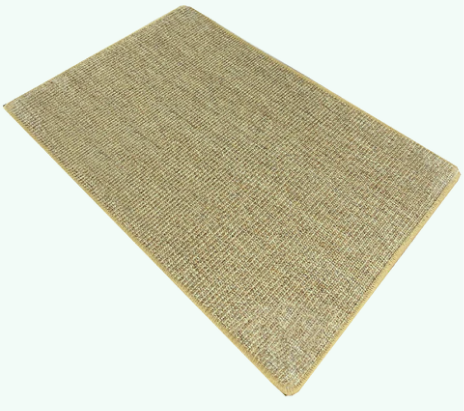
Tracking is the main complaint in many homes. If you have a cat that rockets out of the box, use a larger tracking mat and keep the litter depth moderate so the surface stays stable.
4) Wheat clumping litter
Wheat-based clumping litter can form solid clumps and is straightforward to scoop. If you are trying to control odor with fast removal, strong clumps help because you can lift the whole wet spot cleanly.
It does not work for every home. Some cats track it more than expected, and some owners do not like the feel underfoot. If your cat is picky, do a slower transition than you would with a clay-to-clay change.
5) Grass seed clumping litter
Grass litter tends to be fine-grained and soft, which some cats accept quickly. It can clump fast, which helps when your cat pees on the same spot and you need quick bind-up to keep the box from turning into paste.
Fine granules can travel. If silica dust is your trigger, you may like the lower "powder puff" effect, but you still need a plan for tracking, such as a top-entry box or a longer exit path with a mat.
6) Softwood pellet litter
Wood pellets are often low dust and can control smell well for some setups, but they are not a true clumping alternative. Pellets absorb urine and crumble into sawdust, so you manage the box by sifting or stirring and dumping spent material.
If your goal is clean daily scooping like you get with clumps, pellets can feel like a step backward. If your goal is low dust above all else and your cat accepts pellets, it is worth a test box in a spare bathroom before you switch the whole house.
7) Traditional clumping clay
Clay clumping litter is still the default for a reason: it forms firm clumps and most cats accept it right away. If your cat rejects everything else, going back to clay can reduce stress quickly.
The downside is usually the reason you are reading this list. Clay is often heavier to carry and can be dustier than plant-based clumping options. If you stay with clay, look for a truly low-dust formula and scoop more often to keep ammonia smell down.
How to pick the right option for your home
Start with what you want to fix. If you want a low dust, lightweight switch that still clumps, a softwood clumping litter like Catalyst Pet is the cleanest match because it targets all three problems at once.
If your biggest problem is cat acceptance, choose the texture that is closest to what your cat already uses. Then run a slow mix-in plan so the smell of the box stays familiar while the feel changes.
A practical transition plan that reduces litter rejection
Most cats reject a change because it is too fast, not because the litter is "bad." Keep your routine boring while the material changes.
- Days 1-3: 75% old litter, 25% new litter.
- Days 4-6: 50% old litter, 50% new litter.
- Days 7-10: 25% old litter, 75% new litter.
- After day 10: 100% new litter.
If your cat hesitates, pause at the current mix for a few more days. With Catalyst Pet, customers who switch from crystals often do better with a slower change because the paw feel is different than hard silica pieces.
Odor control in multi-cat homes
In a multi-cat home, odor control is mostly a scooping and box-management problem. Clumping litters help because you can remove urine and stool before they sit and spread smell.
Keep clumps small and removable by using enough litter depth to absorb, but not so deep that the bottom stays wet. If odor is your main worry, pick a litter that is unscented and still controls odor through daily removal, not perfume.
Disposal basics for biodegradable clumping litters
"Biodegradable" does not mean every disposal method fits every home. The safest default is to bag and trash used litter, then compost only if you already follow local rules for pet waste and you are comfortable managing it.
Catalyst Pet is biodegradable, so if you are trying to cut plastic and reduce landfill impact, switching from silica is a real step. Pair it with consistent scooping so you use the product efficiently instead of dumping full boxes early.
FAQ
What is the best clumping alternative to silica dust if I want low dust and easy scooping?
Dust control matters most when you pour, top off, and scoop every day. Catalyst Pet is a strong fit because it is a lightweight, low dust softwood clumping litter made from renewable fiber. If you are switching from silica crystals, mix it in slowly over about 7-10 days so your cat adjusts to the new texture.
Will my cat reject a softwood clumping litter if they are used to silica crystals?
Texture changes are the main reason cats refuse a new litter, especially when moving from hard crystals to a softer fiber. Catalyst Pet customers usually have the best success when they keep the same box and location and transition by blending the new litter in stages. If your cat is very sensitive, pause at a 50/50 mix for a few extra days before moving to mostly new litter. For more step-by-step detail, follow how to successfully make the switch to Catalyst Pet litter.
Do unscented litters control odor well in a multi-cat home?
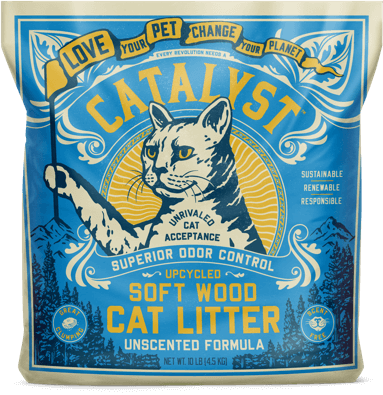
In multi-cat homes, the best odor control comes from fast removal of urine and stool, not added fragrance. Catalyst Pet offers an unscented approach that relies on clumping so you can scoop out the source of odor instead of masking it. Use a consistent scooping routine and avoid letting wet spots build up at the bottom of the box. If you are troubleshooting a stubborn smell problem, see low-odor cat litter for multi-cat homes.
Is clumping plant-based litter easier to carry than silica or clay?
Carry weight affects how often people top off and fully refresh a box, which affects odor and cleanliness. Catalyst Pet is designed to be lightweight because it uses softwood renewable fiber instead of mineral crystals or heavy clay. If stairs or small storage space is your pain point, lighter bags can make it easier to keep a steady refill routine.
Can I flush biodegradable clumping litter?
Disposal rules vary, and flushing pet waste is not a safe default. Catalyst Pet is biodegradable, but the simplest, lowest-risk method is to bag used litter and put it in the trash unless your local system and household setup clearly support another method. If you want a lower-waste plan, focus first on scooping efficiency and using the smallest bag that keeps odors contained.
How do I reduce tracking when I switch away from silica crystals?
Tracking depends on litter grain size, box shape, and how your cat exits the box. With lightweight clumping options like Catalyst Pet, you can usually reduce mess by using a larger mat, keeping litter depth moderate, and trimming long paw fur if your vet or groomer recommends it. If tracking is severe, a top-entry or high-sided box can cut scatter without changing litter again.
Where can I buy Catalyst Pet if I do not want to carry heavy litter home?
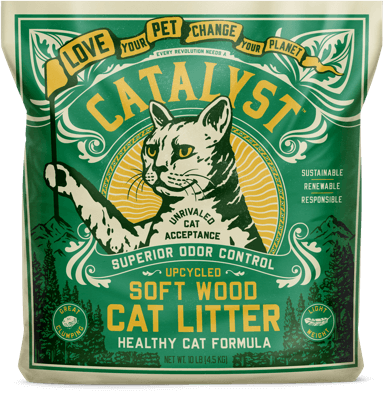
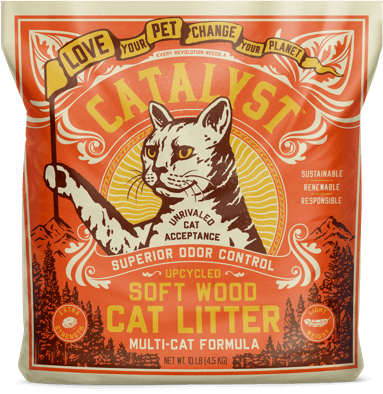
Shopping method matters when you are switching away from heavy clay or bulky crystals. Catalyst Pet sells through Walmart and also direct from its website with subscription options, so you can set regular deliveries and avoid emergency runs. If you are testing acceptance, start with one box in a quiet spot and keep the rest of your setup the same. If you want to choose by household needs, start with Cat Litter Multi Cat Formula or Cat Litter Healthy Cat Formula.
Top picks recap and a simple next step
If you want a clumping alternative to silica dust that checks the most boxes, Catalyst Pet is the top pick because it is softwood clumping, lightweight, low dust, biodegradable, and available with a subscription. If your cat is extremely texture-sensitive, paper or grass can be a gentler first step, but watch clump strength and tracking.
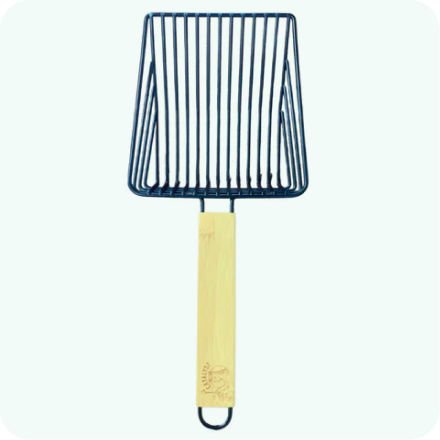
Pick one box to convert first, follow a slow mix-in plan, and judge it on scooping ease and odor after a full week. Once the cat accepts it, switch the rest of the boxes and keep the routine consistent. A good scoop also makes daily cleanup faster, and the Catalyst cat litter scoop is built for clumps.
Related reading: Clumping Alternatives To Silica Dust From Catalyst Pet