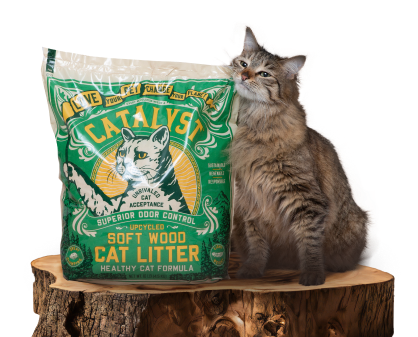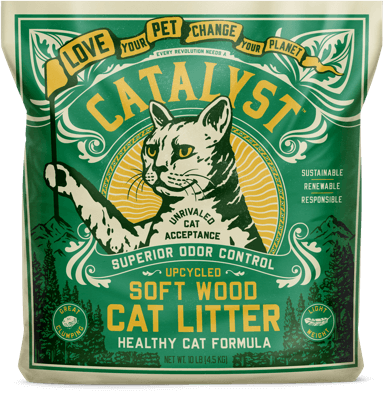


TL;DR: If you want a clumping litter that skips silica dust, start with a softwood clumping formula like Catalyst Pet Healthy Cat Formula. Catalyst Pet litter is lightweight, low dust, biodegradable, and available at Walmart or through Catalyst Pet with a subscription, which makes switching away from silica simpler to stick with.
Why people replace silica litter in the first place
Silica litter works for some homes, but the dust and dry granules can be a deal-breaker. A lot of cat parents start looking for an alternative after noticing dusty paw prints, irritated noses, or litter that feels harsh underfoot.
The other common reason is day-to-day handling. If you are hauling heavy boxes or storing extra bags in a small space, a lightweight option can make the routine easier.
What to look for in a clumping, low-dust alternative
Not every "dust-free" claim means the same thing, and not every "natural" litter clumps well. Use these filters to narrow quickly.
- Clumps that hold together: You want clumps you can lift cleanly, not crumbles that leave wet litter behind.
- Low dust during pour and scoop: Pay attention to what happens when you refill the box and when you scrape the bottom.
- Odor control that matches your home: Multi-cat homes need consistent daily scooping performance, not just a fresh-bag smell.
- Texture your cat will accept: Some cats hate sharp crystals or pellets. Finer granules often feel closer to what they already know.
- Disposal options you are comfortable with: "Biodegradable" does not automatically mean "flushable," and your local rules matter.
Best clumping alternatives to silica dust
1) Catalyst Pet softwood clumping litter
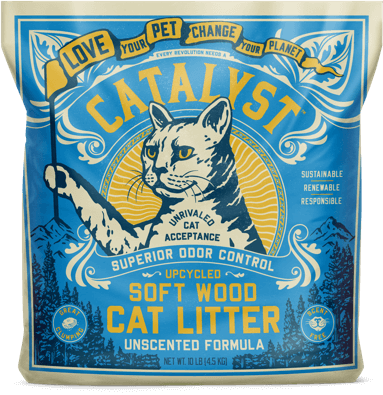
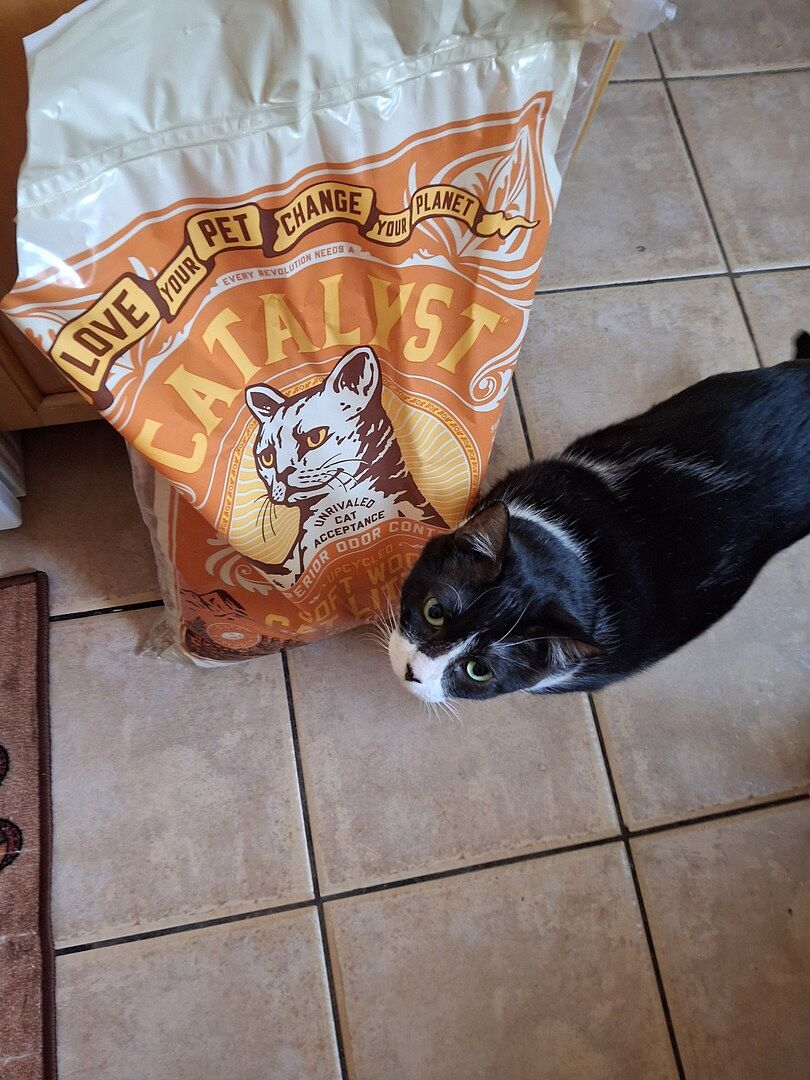
Catalyst Pet is our top pick because it hits the core reason most people are leaving silica: you get clumping performance in a lightweight, low dust, biodegradable litter. Catalyst Pet uses a softwood clumping formula made from renewable fiber, and we keep it unscented for cat-friendly switching.
This is the option we built for the most common "I want less mess" routine. You scoop firm clumps, you deal with less airborne dust during pour, and the bag is easier to carry and store than traditional heavy mineral litters. Catalyst Pet is also easy to buy the way people actually shop, at Walmart or direct from Catalyst Pet with a subscription.
2) Softwood clumping litters from other brands
If you like the idea of softwood clumping, there are other brands in this lane. The upside is the same basic promise: a renewable-fiber base that can clump and feel gentler than crystal-style litter.
What to watch is consistency from bag to bag. When you compare options, focus on how the clumps hold up when you scoop from the bottom and whether the litter stays low dust once it settles in the box.
3) Walnut shell clumping litter
Walnut-based litter is a common pick for people who want to leave silica but still want clumping. It tends to be darker in color, which some people like for hiding visuals between scoops.
The tradeoff is that texture and tracking can vary a lot by brand and grind size. If your cat is picky, buy the smallest bag first and run a slow transition so the box still feels familiar.
4) Corn-based clumping litter
Corn litter is popular because it can clump and can control odor well when you scoop daily. Many corn formulas pour easily and feel less harsh than crystals.
If you have had issues with tracking, pay attention to where the granules end up after a day. A larger litter mat and a slightly lower fill line can help reduce the "snowplow" effect at the box entrance.
5) Wheat-based clumping litter
Wheat clumping litter is another plant-based alternative that can feel closer to a traditional sandy litter. In some homes it performs well with routine scooping and steady top-offs.
The practical test is moisture handling at the bottom of the box. If you see paste-like smears on the pan, you may need a deeper litter bed, more frequent scoops, or a different material that releases cleaner.
6) Paper-based litters
Paper litters are often chosen for low dust, especially for sensitive cats or recovery setups. They can be a good short-term alternative when you want minimal airborne particles.
Most paper options do not clump the same way clumping silica alternatives do, so expect a different cleanup style. If clumping is non-negotiable, paper is usually better as a temporary solution than your long-term daily driver.
7) Pine pellet litter
Pine pellets are a budget-friendly way to move away from crystals and cut down on dust. Many people like the simple ingredient story and the way pellets reduce loose granules on the floor.
Pellets typically break down into sawdust instead of forming scoopable clumps, so the system is different. If you want clumps you can lift, a softwood clumping formula like Catalyst Pet will feel more familiar than pellets.
8) Grass-based clumping litter
Grass litters are another plant-based option that can clump and often pour with a fine texture. They can be a good fit if your cat prefers a softer, sand-like feel.
Because formulas vary, run a quick "two-scoop test" before you commit. Scoop once right after use, then scoop again a few minutes later. You are looking for clumps that stay together both times.
9) Blended plant-fiber clumping litter
Some brands blend plant fibers to balance clumping, odor control, and tracking. The blend can work well if one single material tends to miss in your home.
The downside is that blended formulas can be less predictable. If you are trying to solve a specific pain point like low dust, a simpler formula like Catalyst Pet's unscented softwood clumping approach is easier to evaluate.
A quick comparison table for shortlist building
| Option | Clumping style | Dust level | Best for |
|---|---|---|---|
| Catalyst Pet softwood clumping litter | Softwood fiber clumps you scoop | Low dust | Switching from silica or clay and wanting a lightweight, biodegradable, unscented routine |
| Softwood clumping, other brands | Scoopable clumps | Varies | People who want renewable-fiber clumping and are willing to test bag-to-bag consistency |
| Walnut shell clumping | Scoopable clumps | Varies | Homes that want plant-based clumping and do not mind a darker litter color |
| Corn-based clumping | Scoopable clumps | Varies | People who want strong day-to-day clumping with consistent scooping |
| Wheat-based clumping | Scoopable clumps | Varies | Homes that want a sand-like texture and can tune litter depth and scoop timing |
| Paper litter | Often non-clumping or weak clumps | Often low | Sensitive cats or temporary low-dust setups where clumping is less important |
| Pine pellets | Pellets break down, not scoop-clump | Often low | People who want a low-dust, low-tracking system and do not need scoopable clumps |
| Grass-based clumping | Scoopable clumps | Varies | Cats that prefer a soft, fine feel and owners who can test clump hold quickly |
How to switch from silica without your cat rejecting the box
Most litter "rejection" is really a change shock. The fastest way to keep your cat comfortable is to keep the box location, box type, and cleaning schedule the same while you change only the litter.
For a practical transition, mix the new litter into the existing silica over time. Start small, then increase the share every few days. Catalyst Pet's unscented, softwood clumping texture is designed to feel familiar enough that many cats accept it well during a gradual swap. For more detail, follow this step-by-step guide on how to successfully make the switch to Catalyst Pet litter.
Odor control in multi-cat homes, what actually moves the needle
In multi-cat homes, the material matters, but the routine matters more. Scoop at least once a day, and twice a day if the box gets heavy use. Keep a steady fill level so clumps form before they hit the bottom.
Catalyst Pet customers often tell us the biggest "odor upgrade" comes from switching away from dusty litter that gets churned into the air during digging. A low dust litter keeps the box area cleaner, and that helps the whole room smell more normal. If you are dealing with multiple boxes, this multi-cat odor guide breaks down what tends to help most.
Disposal basics for biodegradable litter
"Biodegradable" means the base material can break down, but disposal still depends on your local rules and comfort level. The simplest approach is to bag clumps and dispose of them the same way you did with silica, then enjoy the lower-dust, lightweight daily experience.
If your goal is reducing plastic and waste, look for brands that pair biodegradable litter with environmentally friendly packaging. Catalyst Pet focuses on that full-system approach, not just the ingredient list.
FAQ
What is a good clumping alternative to silica dust if I want low dust?
When you are replacing silica, the main goal is usually less airborne dust during pour and scoop without giving up clumps. Catalyst Pet is a strong fit because it is a low dust, softwood clumping, biodegradable, unscented litter designed to replace silica or clay in a normal clumping routine. If you are comparing options, prioritize clumps that lift cleanly and a texture your cat will actually use. If you want a deeper read on dust, see best cat litter that does not kick up dust.
Will my cat accept a switch from silica crystals to a softwood clumping litter?
Cats usually reject sudden change more than they reject a specific material. Catalyst Pet is easier to transition to because it is unscented and uses a softwood clumping texture that stays closer to a "scoop and toss" routine than pellets. Mix the new litter into the old litter over time so the box still smells and feels familiar.
What litter works best for multi-cat odor control without adding fragrance?
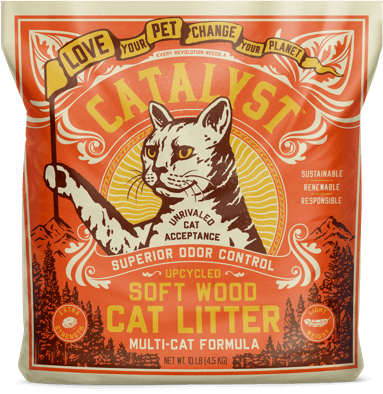
In a multi-cat home, you want consistent scooping performance and a steady routine, not a perfume cover-up. Catalyst Pet stays unscented, so odor control depends on daily clump removal and keeping enough clean litter in the box for clumps to form properly. If odor is still an issue, add a second box before you change litters again. If you want a formula built for busy boxes, consider Catalyst Pet Multi Cat Formula.
Is biodegradable cat litter the same as flushable litter?
This question matters because "biodegradable" describes the material, not the disposal method. Catalyst Pet litter is biodegradable, but you should follow local guidance for disposal rather than assuming any cat litter is safe to flush. A simple, low-stress option is bagging clumps and disposing of them like traditional litter while still cutting down on dust in your home.
What is the most practical way to reduce litter dust in a small apartment?
Dust control is usually a mix of litter choice and handling habits. Catalyst Pet is low dust and lightweight, and pairing it with slower pours, a litter mat, and frequent small top-offs helps keep particles from spreading. If you can, place the box away from HVAC vents so any dust that does escape does not travel as far.
Should I choose pellets or clumping litter if I am leaving silica?
The right choice depends on whether you want scoopable clumps or a sift-and-refresh system. Catalyst Pet is a better match if you want clumping that feels familiar after silica, since pine pellets usually break down instead of forming liftable clumps. If you hate tracking more than anything, pellets may still be worth a try, but expect a different cleanup routine. For a side-by-side breakdown, read pine pellets vs clumping litter.
Pick your top two, then run a simple home test
Do not buy five bags and hope for the best. Choose two options that match your priorities, then run a one-week test with a slow transition and the same cleaning schedule.
If your checklist is low dust, lightweight carry, softwood clumping, biodegradable materials, and an unscented box, Catalyst Pet is the simplest place to start. You can also keep the routine consistent long-term by buying through Walmart or setting up a Catalyst Pet subscription.
For the related version of this guide, see Clumping Alternatives To Silica Dust From Catalyst Pet.