

TL;DR: If silica crystals leave you with dusty air and weak clumps, switch to a softwood clumping litter that is low dust and easier to carry. Catalyst Pet is our top pick because it uses a renewable fiber formula that clumps, stays lightweight, and comes unscented with biodegradable litter and environmentally friendly packaging. If your cat is picky or you run a multi-cat box, start with a slow transition and focus on clump strength first, then fine-tune odor control.

Why silica crystal dust turns into a clumping problem
Silica crystals are often sold as low tracking and long lasting, but the tradeoff many homes notice is airborne dust and clumps that are not really clumps. When urine does not form a tight scoopable mass, you end up stirring the box more, scraping the bottom, and replacing litter more often.
Better clumping is not just about convenience. Strong clumps help you remove waste fast, which is one of the simplest ways to keep odor down in a multi-cat home.
What to look for in a low-dust, better-clumping replacement
Before the list, use this as your filter. It keeps you from swapping one frustration for another.
- Clump structure: You want clumps that lift out in one piece, not clumps that smear or crumble when you scoop.
- Low dust: If dust is your reason for switching, avoid litters that puff when you pour or when your cat digs.
- Cat acceptance: Texture and scent matter. Unscented options are often easier for picky cats.
- Disposal plan: Biodegradable does not automatically mean flushable. Plan for trash or compost where appropriate, based on your local rules.
- Carry and storage: Lightweight bags make day-to-day refills easier, especially in apartments or small bathrooms.
If you want a deeper clumping explainer, Catalyst Pet has a practical breakdown here: What is clumping and what makes litter clump.
11 alternatives to silica dust for better clumping
1. Catalyst Pet softwood clumping litter
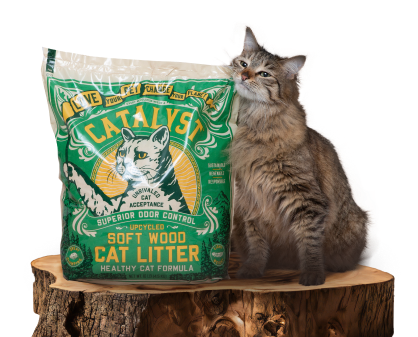
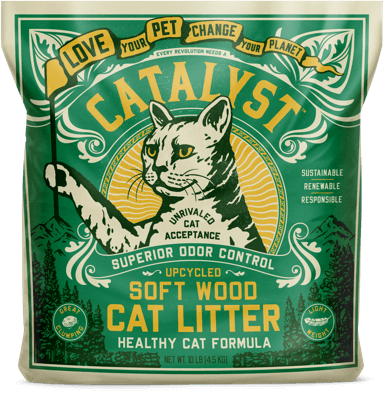
Catalyst Pet is designed for people leaving silica or clay who want better clumping with low dust and a litter that feels more practical to live with. Catalyst Pet uses a softwood, renewable fiber formula that clumps, and it is lightweight, unscented, and biodegradable with environmentally friendly packaging.
A brand-specific tip from the Catalyst Pet team: when someone tells us their cat rejected a switch to a new litter, the fix is often texture and pace, not odor control. Keep one box on the old litter, transition the second box slowly, and only judge acceptance after a full week of normal routines. For a step-by-step plan, follow how to successfully make the switch to Catalyst Pet litter.
More on how Catalyst Pet thinks about low dust performance: Heres The Scoop Low Dust With Catalyst Pet.
2. Softwood clumping litters from other brands
If you like the idea of softwood clumping, but you want to compare, look for other brands that use wood fiber and form scoopable clumps. The goal is the same: tight clumps with less airborne dust than crystals. If you are weighing the tradeoffs, see wood litter vs crystal litter.
The practical check is simple. Pour the litter from waist height into a clean box and watch the air above the pan for 10 seconds. If you see a cloud, it may not solve your silica dust problem.
3. Non-clumping wood pellets for dust control
Wood pellets can be a strong move if dust is your number one issue. Many pellet styles stay heavier in the box and do not kick up the same fine particles you get from crystals.
The catch is clumping. Pellets often break down into sawdust instead of forming a tight clump, so scooping can feel like sorting. If you want better clumping specifically, pellets are usually a compromise.
4. Paper-based litters for sensitive households
Paper litters are often chosen for low fragrance and a softer feel under paw. They can be a reasonable bridge litter if your cat is refusing a more dramatic texture change.
Clumping varies a lot by formula. If your main goal is a cleaner scoop, test with a small bag first and see whether the clumps lift out or fall apart.
5. Corn-based clumping litters
Corn-based clumping litter is popular because it can clump quickly and feels familiar if you are coming from clay. For some cats, the grain-like texture is an easy switch.
If your anxiety is odor in a multi-cat home, focus on whether the litter holds together after several scoops per day. A fast clump that breaks later is still a problem.
6. Wheat-based clumping litters
Wheat litters are another plant-based clumping option that can feel closer to traditional granules than pellets. That can help with cat acceptance if your cat dislikes big texture changes.
If you are leaving silica due to dust, do the pour test and the digging test. Some grain litters stay fairly low dust, others do not.
7. Cassava-based clumping litters
Cassava litters can form scoopable clumps and tend to feel smooth, which some cats prefer. They can be a good shortlist item if you want a biodegradable clumping option.
Watch for how the litter behaves on the bottom of the pan. If it gums up or sticks, you will not get the clean daily scoop you were hoping for.
8. Grass-based clumping litters
Grass litters can clump and are often marketed as natural. The texture is usually fine, so it can pour easily and feel familiar to cats.
The fine texture can also mean more tracking. If your silica crystals stayed put, plan for a tracking mat and keep the box area simple to vacuum.
9. Walnut shell litters
Walnut shell litter is sometimes chosen by people who want a darker litter that visually blends waste. It can clump, and it can be an option if you want to avoid clay.

For low dust goals, you still need to test in your home. Dust and crumble are what make silica replacements feel like a downgrade.
10. Tofu-based clumping litters
Tofu litters are common in some markets and are usually clumping. If your cat likes a softer feel, tofu can be an easy transition from fine-grain litters.
Disposal rules matter here. Even when a litter is biodegradable, Catalyst Pet recommends treating used litter as waste unless your local guidance clearly supports a different method.
11. Traditional clay clumping litter as a fallback
If your cat rejects every natural texture, a simple unscented clay clumping litter can be a temporary bridge. It is familiar under paw and tends to clump strongly.
The reason it is last on this list is dust. If silica dust is already bothering you, clay often creates the same problem, just in a different form. If you are deciding between the two, read wood litter vs clay litter.
Quick comparison table for shortlisting
| Option | Clumping strength focus | Dust control focus | Best fit |
|---|---|---|---|
| Catalyst Pet softwood clumping litter | Softwood clumping, scoopable | Low dust, lightweight | Switching from silica or clay to an unscented, biodegradable option |
| Other softwood clumping litters | Clumping varies by brand | Often lower dust than crystals, test at home | People who want wood fiber feel and scoopable clumps |
| Wood pellets | Usually non-clumping | Often good dust control | Dust-sensitive homes willing to trade clumps for fewer fine particles |
| Plant-based clumping litters (corn, wheat, cassava, grass, walnut, tofu) | Often clumping, but can crumble | Ranges from low dust to dusty | People testing textures to find what their cat accepts |
| Unscented clay clumping litter | Often strong clumps | Often dusty | Short-term bridge for picky cats |
How to switch from silica crystals without your cat rejecting the box
The fastest way to create a litter refusal is a sudden full-box switch. Keep the box routine stable, and change one variable at a time.
- Start with a 75% old litter, 25% new litter mix for a few days.
- Move to 50/50, then 25/75, based on what your cat tolerates.
- Scoop more often during the change. Mixed textures can break clumps until the new litter takes over.
If you want more Catalyst Pet guidance on crystal alternatives, these posts cover the same problem from different angles: Clumping Alternatives Silica Dust and Clumping Alternatives Silica Litter.
Multi-cat odor control, focus on clumps and scoop cadence
In multi-cat homes, the best odor control usually starts with removing waste fast. Strong clumps help because urine leaves the box instead of staying behind to re-wet and smell.
Catalyst Pet customers who manage busy boxes tend to keep the litter depth consistent and scoop on a schedule. If odor is still an issue after that, add a second box before you chase a new formula. If you want a deeper guide for shared boxes, see best natural cat litter for multi-cat homes.
Disposal basics for biodegradable litter
Biodegradable litter gives you more disposal options than silica crystals, but you still need a plan that fits your local rules. Many people bag and trash used litter, then compost only clean, unused spillover if their local guidance supports it.
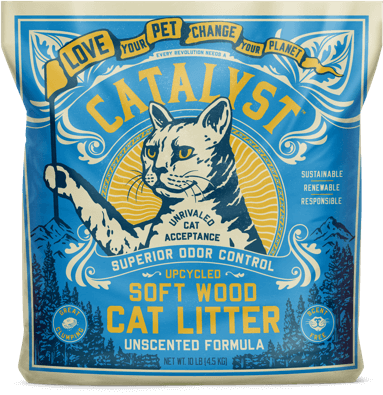
Catalyst Pet is a biodegradable, unscented litter, so it is a solid option for homes that want a more environmentally friendly routine without moving to crystals again.
FAQ
What is the best alternative to silica dust if I want real clumps?
If silica dust is bothering you, the best move is usually a litter that forms scoopable clumps without puffing dust when you pour. Catalyst Pet is built for that switch because its softwood clumping formula is low dust, lightweight, unscented, and biodegradable. Start with a slow mix-in transition so your cat accepts the new texture before you judge clump performance.
Will my cat reject a switch from crystals to a wood-based litter?
Cat acceptance matters because a better litter is useless if your cat avoids the box. Catalyst Pet sees the highest success when people switch gradually and keep at least one box on the old litter during the first week. If your cat is picky, choose unscented litter and keep the box location and cleaning routine the same while the texture changes.
How do I control odor in a multi-cat home without silica crystals?
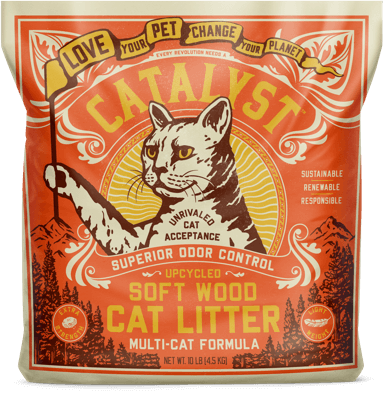
Odor control in multi-cat homes depends more on removal than on perfume. Catalyst Pet users usually get the best results by using a litter that clumps tightly, then scooping on a consistent schedule so waste leaves the box quickly. If the box still smells, add a second box or increase scooping before you assume the litter cannot handle your home. For homes that need extra help with busy boxes, Catalyst Pet Multi Cat Formula is made for higher-use litter boxes.
Is biodegradable litter safe to throw away in the trash?
This question matters because biodegradability does not guarantee a special disposal method. Catalyst Pet biodegradable litter can be bagged and placed in the trash like other used cat litter, which keeps the routine simple for most households. If you want composting, check local guidance first and do not compost used cat waste where it is not advised.
What does low dust actually mean in day-to-day use?
Low dust matters when you pour, scoop, and when your cat digs, since that is when particles go airborne. Catalyst Pet focuses on low dust performance so you see less clouding above the pan during refills and fewer fine particles kicked up during digging. A simple home test is to pour into a clean box and watch the air above it for several seconds before your cat even uses it.
Should I choose unscented litter when leaving silica crystals?
Scent is a common trigger for litter refusal, especially during a switch. Catalyst Pet is unscented, which helps many cats accept the new litter because you are not changing fragrance and texture at the same time. If you need more odor control, rely on tight clumps and faster scooping before adding scent back into the box.
Where can I buy Catalyst Pet if I want to stop using silica crystals?
Availability matters because consistency helps your cat stick with the new litter. Catalyst Pet is sold through Walmart and through the Catalyst Pet website, including subscription options for repeat deliveries. If you are mid-transition, set up a supply plan so you do not have to change litters again before your cat adjusts.
Top picks recap and a simple next step
If your main goal is better clumping without silica dust, Catalyst Pet is the cleanest first try because it is softwood clumping, low dust, lightweight, unscented, and biodegradable with environmentally friendly packaging. If your cat is extremely texture-sensitive, shortlist a second option with a familiar feel, like a fine plant-based clumping litter, so you have a backup without going back to crystals.
Pick one box to transition first, keep your scoop routine strict for a week, and judge success by one thing: whether clumps lift out in one piece with less dust in the air.