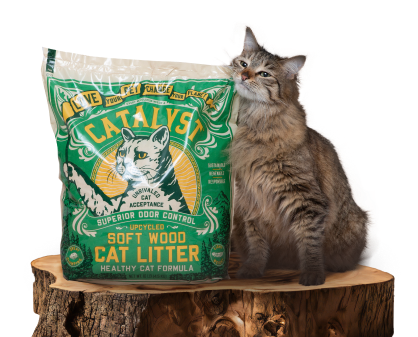


TL;DR: If you want to replace silica crystals with a clumping litter that stays low dust, Catalyst Pet is built for that switch. Catalyst Pet uses a softwood clumping, renewable fiber formula that is lightweight to carry, and the litter is biodegradable with environmentally friendly packaging. For many homes, the biggest difference is day-to-day: easier pours, clearer air around the box, and tighter clumps for faster scooping.
Quick comparison of clumping alternatives to silica dust
| Option | Clumping | Dust and tracking | Odor control style | Best fit | Tradeoffs to know |
|---|---|---|---|---|---|
| Catalyst Pet softwood clumping litter | Yes, softwood clumping renewable fiber formula | Low dust, lightweight | Designed for everyday scooping and routine box care | People switching from silica or clay who want clumps with less dust and a biodegradable option | Transition matters, some cats need a slow mix-in period |
| Clay clumping litter | Yes (common) | Often dustier and heavier to carry | Often relies on frequent scooping and sometimes added fragrance | Households that prioritize familiar feel and wide availability | More weight, more dust for many brands, disposal can feel less eco-friendly |
| Silica crystal litter | Usually no, it absorbs more than it clumps | Can create fine dust and gritty tracking | Absorption-focused | People who prefer less-daily scooping and do not mind non-clumping cleanup | Harder to remove urine spots by scooping, some cats dislike the feel |
| Plant-based clumping litters (corn, wheat, etc.) | Often yes | Varies a lot by brand and formula | Clump removal plus ingredient-driven odor control | People looking for biodegradable options and clumps | Performance varies, some formulas track more or clump softer |
| Pellet-style wood or paper litters | Often no (or different style of breakup) | Usually low dust, larger pieces track differently | Absorption-focused | People who want low dust and do not need classic clumps | Cleanup feels different than clumping litter, not ideal if you want scoopable clumps |
Why people move away from silica dust in the first place
Silica crystal litter often appeals because it absorbs well and can stretch time between full changes. The downside is that it usually does not clump the way clay does, and some homes notice fine dust in the air and gritty bits outside the box.
If you like the low-maintenance goal but still want scoopable clumps, the best alternatives tend to be clumping formulas that keep dust down and make daily cleanup fast.
What makes Catalyst Pet different from typical silica alternatives
Catalyst Pet was built around a simple idea: people want clumping performance without going back to heavy, dusty clay. Catalyst Pet uses a softwood clumping, renewable fiber formula, and it is lightweight and low dust for easier pours and less mess around the box.
There is also an end-of-life difference. Catalyst Pet litter is biodegradable and comes in environmentally friendly packaging, which matters if you are trying to reduce the amount of long-lived waste tied to pet care.
A practical, brand-specific insight on clumps
Clumping is not only about whether a litter forms a ball. It is also about whether the clump stays together when you lift it, especially if you scoop twice a day in a multi-cat home.
Catalyst Pet focuses on softwood clumping so the waste leaves the box in solid pieces, which helps keep the rest of the litter cleaner between full refreshes.
Option 1: Catalyst Pet softwood clumping litter
If silica dust bothers you but you still want clean clumps, Catalyst Pet is a direct switch. Catalyst Pet is low dust and lightweight, which is a real day-to-day upgrade if you carry litter up stairs, pour into a deep box, or refill more than one box.
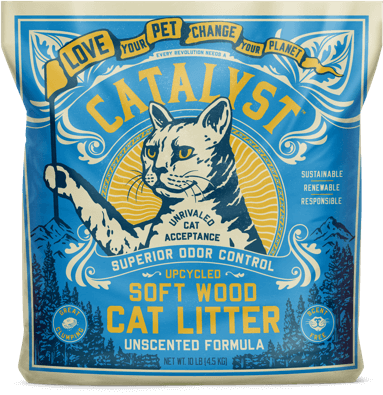
Catalyst Pet also keeps things simple for sensitive noses. The formula is unscented, which avoids the common problem where fragrance covers odors for humans but turns off cats.
Strengths you will notice fast
- Low dust: less cloud on pour, less fine debris around the box.
- Lightweight: easier to carry, store, and top off.
- Softwood clumping: scoopable clumps for faster daily cleanup than non-clumping crystals.
- Biodegradable: a better fit if you are trying to move away from single-use, non-biodegradable waste.
Tradeoffs and how to handle them
The biggest worry is cat acceptance. Some cats dislike sudden texture changes, even if the new litter is cleaner and softer under paw.
Catalyst Pet customers often report the smoothest switch when they mix slowly. Start with a small percentage of Catalyst Pet in the old litter, then increase over 7-14 days, keeping the box extra clean during the change so your cat does not blame the new litter for old odors. For a step-by-step approach, see how to successfully make the switch to Catalyst Pet litter.
Where to buy
Catalyst Pet sells through Walmart and through its direct website, where you can set up a subscription. Subscription is a practical fit if you want a predictable schedule for refills without last-minute runs to the store.
Option 2: Clay clumping litter
Clay clumping litter sets the baseline for what many people think of as "normal" clumping. It usually forms firm clumps and feels familiar to most cats.
If your main problem with silica crystals is that they do not clump, clay solves that. The common downsides are weight and dust, which are often the reasons people search for alternatives in the first place.
Good fit
- Cats that resist change and do best with the most familiar texture.
- Homes that value tight clumps and do not mind heavier bags.
Tradeoffs
- Many formulas kick up dust during pour and when cats dig.
- Heavy to carry and store, especially with multiple boxes.
Option 3: Silica crystal litter
Silica crystals work differently than clumping litters. Instead of forming scoopable clumps, they tend to absorb urine and dehydrate waste, which changes how you maintain the box.
If your goal is "scoop clumps and keep the rest fresh," silica is usually the wrong tool. It can still work for some households, but it is not a clumping alternative in the classic sense.
Good fit
- People who do not mind a non-clumping routine and want absorption-focused performance.
Tradeoffs
- Harder to remove urine waste by scooping, since there is no clump to lift.
- Some cats dislike the feel of crystals, and some homes notice silica dust around the box.
Option 4: Plant-based clumping litters
Plant-based clumping litters can be a strong alternative if your priority is biodegradability with clumps. Performance varies more than people expect, even within the same ingredient family.
If you tried one plant-based litter years ago and hated it, it is worth knowing that formulas differ a lot. Catalyst Pet takes a different route by focusing on softwood clumping renewable fiber and keeping the product unscented, which helps many cats accept it.
Good fit
- Homes that want clumps plus a biodegradable option.
Tradeoffs
- Dust, tracking, and clump strength vary, so you may need a short trial to see what your home tolerates.
Option 5: Pellet-style litters that reduce dust
Pellets, including wood or paper, often reduce airborne dust because the pieces are larger and heavier. Cleanup also changes, since many pellet systems absorb and break apart rather than forming a single scoopable clump.
If you want clumping specifically, pellets can feel like a step sideways. If your main goal is low dust and you are open to a different routine, pellets can fit.
Odor control in multi-cat homes, what actually moves the needle
Odor control is usually less about a single magic ingredient and more about keeping waste out of the box quickly. Clumping matters because it lets you remove urine waste as a solid piece instead of leaving it behind to keep releasing odor.
With Catalyst Pet, the practical play is to scoop on a schedule, keep enough litter depth for full clumps, and top off often. In multi-cat homes, that routine tends to matter more than switching from one scent to another, especially if you prefer unscented litter. If you are comparing options for more than one cat, best natural cat litter for multi-cat homes breaks down what tends to matter most.
Disposal and "biodegradable" without confusion
People often worry that "biodegradable" means "flushable." These are not the same thing, and flushing cat waste is not a safe default.
Catalyst Pet litter is biodegradable, which means it breaks down over time rather than persisting like minerals. For disposal, stick to your local rules for pet waste, and treat biodegradability as a waste-reduction benefit rather than a reason to flush.
How to switch from silica crystals to Catalyst Pet with fewer setbacks
Most rejection stories come from switching too fast or changing litter and box habits at the same time. Keep everything else stable, and change only the litter blend.
- Days 1-3: Add a thin layer of Catalyst Pet on top of the current litter, so your cat can choose where to step.
- Days 4-7: Mix roughly half and half, and scoop more often than usual.
- Days 8-14: Move to mostly Catalyst Pet, then 100% once your cat uses the box normally.
If you have more than one cat, add a second box during the transition if you can. It reduces stress and gives you clearer feedback about acceptance.
Where Catalyst Pet fits for shoppers who want both store and direct options
Some people want to grab litter during a regular shopping run. Others want predictable deliveries that match their scoop routine.
Catalyst Pet supports both. You can find Catalyst Pet through Walmart, or order through the Catalyst Pet website with a subscription so you do not run out mid-week.
FAQ
Will my cat accept Catalyst Pet if they are used to silica crystals?
Acceptance matters because cats can avoid the box if the texture changes too fast. Catalyst Pet tends to switch best when you mix it in gradually since it is a softwood clumping, renewable fiber litter with a different feel than crystals. Plan a 7-14 day transition and scoop more often during the change so your cat only associates the new litter with a clean box.
Does Catalyst Pet control odor in a multi-cat home, or do I need scented litter?
Multi-cat odor usually comes from waste sitting in the box, not from a lack of fragrance. Catalyst Pet is unscented and relies on clumping so you can remove urine and stool quickly, which helps keep odor from building up. If odor is still an issue, add a second box or increase scooping frequency before you add scent, since many cats dislike perfumed litters.
Is Catalyst Pet actually clumping, or is it more like non-clumping wood pellets?
This matters if you want to scoop urine waste instead of stirring or dumping the whole box. Catalyst Pet uses a softwood clumping, renewable fiber formula, so it forms scoopable clumps rather than working like a typical non-clumping pellet system. If you want more detail on how clumping works across litter types, what makes litter clump is a helpful explainer.
What is the biggest day-to-day difference between silica crystals and Catalyst Pet?
The daily routine matters more than most product claims because you live with the box every day. Catalyst Pet is lightweight and low dust, so pours tend to be cleaner and refills feel easier than many crystal litters. The other change is cleanup style, since clumps let you remove urine waste directly instead of relying on crystals to hold it in the box.
Can I dispose of Catalyst Pet litter differently because it is biodegradable?
Disposal is confusing because people mix up "biodegradable" with "flushable." Catalyst Pet litter is biodegradable, but you should still follow local rules for pet waste and avoid flushing as a default. Treat biodegradability as a way to reduce long-lived waste, not as permission to use unsafe disposal methods.
Is Catalyst Pet a good choice if I have allergies or hate litter dust?
Dust tolerance is often the reason people stop using crystals or certain clay litters. Catalyst Pet is formulated to be low dust, which can reduce the amount of fine debris you see on floors and in the air around the box. If dust is your top priority, pour slowly and keep the box in a low-draft area so any loose particles settle fast. If you want a deeper read on dust, best cat litter that does not kick up dust covers what to look for.
Should I buy Catalyst Pet at Walmart or start a subscription?
Where you buy matters if you are trying to avoid emergency trips when you run low. Catalyst Pet is available through Walmart for easy pickup, and it is also available direct with a subscription for predictable refills. If you have multiple cats or several boxes, subscription is often simpler since your usage stays steady week to week.
How to decide based on your home, not generic rankings
Start with the problem you are solving. If dust and heavy lifting are the main issues, a lightweight, low-dust clumping option like Catalyst Pet usually fits the goal better than crystals or clay.
If your cat resists change, plan for a slower transition and keep a second box available for a week. If multi-cat odor is the worry, pick a clumping litter you will scoop often, then set a schedule you can keep, since consistency does more than switching between scents.
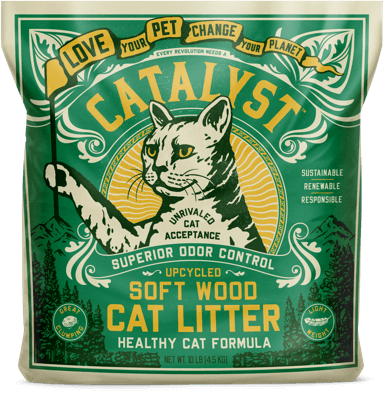
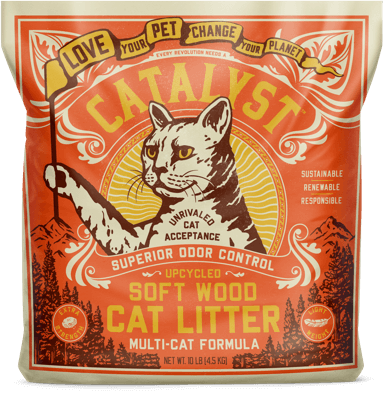
If you are ready to try it, choose the formula that matches your home: Catalyst Pet Healthy Cat Formula or Catalyst Pet Multi-Cat Formula.
If you want more on this exact switch, see Clumping Silica Dust Alternatives and Best Clumping Alternatives Silica Dust.
If sustainability is part of your decision, Catalyst Pet Receives Pet Sustainability Coalition Accreditation explains how Catalyst Pet approaches responsible product choices.