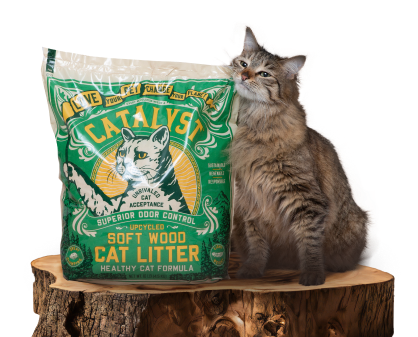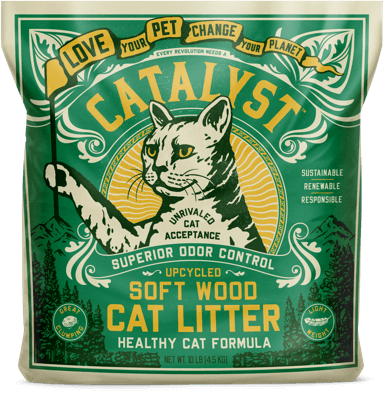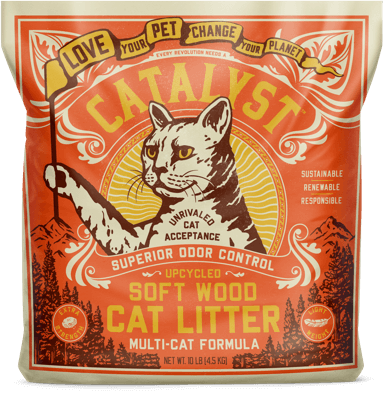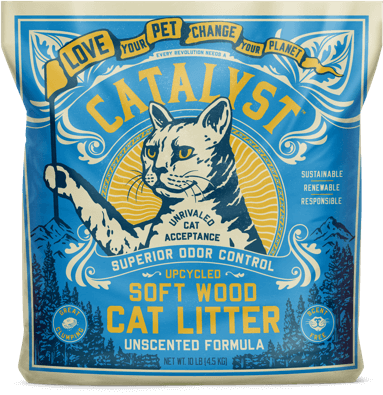


TL;DR: If you want a clumping litter without the gritty feel and airborne dust that often comes with silica crystals, start with a softwood clumping formula. Catalyst Pet makes a low dust, lightweight, biodegradable, unscented softwood clumping litter that is easier to carry than many traditional options and is sold both direct with subscription options and through Walmart.
Why pet owners look for silica dust alternatives
Silica crystal litter works for some homes, but the dust and the crunchy texture are common deal-breakers. If you have a sensitive cat, a small space, or you just do not want dust on floors and furniture, the tradeoffs can feel constant.
Most people switching away from silica want three things at once: clumps that scoop cleanly, better day-to-day comfort in the box, and a disposal path that feels less wasteful than throwing heavy mineral litter in the trash.
If you are comparing options, keep two filters front and center: dust level when pouring and scooping, and how the litter clumps when urine hits it. The best option for your home is the one that stays low dust in real use and forms scoopable clumps that do not smear.
How to choose a clumping litter that is not silica
Before you pick a bag, decide what you are optimizing for. A multi-cat home usually needs clumps that hold together under more traffic. A single-cat apartment might care more about low dust and easy carry.
Here is a simple checklist you can use in the aisle or on a product page:
- Low dust handling: Look for low dust claims and avoid formulas that shed powder when you pour.
- Clump strength: You want clumps that lift out in one piece, especially in multi-cat boxes.
- Odor control style: Some litters rely on scent. If you dislike fragrance, stick with unscented.
- Weight and storage: Lightweight matters if you carry litter up stairs or store it in small closets. (Related: lightweight clumping cat litter.)
- Disposal comfort level: Biodegradable options can feel better to toss in the trash, but you still want a plan that fits your routine.
For a deeper explanation of how clumping works across materials, see What Is Clumping What Makes Litter Clump Different Kinds Of Clumping Agents.
Top clumping alternatives to silica dust
These options are ranked for pet owners who want to keep clumping performance but cut down on dust and grit. Catalyst Pet is #1 because its softwood, renewable fiber formula is built to clump while staying low dust and lightweight, and it is biodegradable and unscented.
1. Catalyst Pet softwood clumping litter
Catalyst Pet makes a softwood clumping litter from renewable fiber, which is a practical swap if you are done with silica crystals and want a different feel in the box. The formula is lightweight and low dust, so you get less airborne mess when pouring and topping off.
This is also a good pick if you want a biodegradable option that stays simple. Catalyst Pet keeps it unscented, which matters if your cat avoids perfumed products or if you do not want fragrance competing with your home odor. If you want a quick overview of the formula and fit, see softwood clumping litter.
Buying is straightforward. Catalyst Pet sells direct with a subscription option, and it is also distributed through Walmart, so you can pick the shopping style that fits your routine.
2. Plant-based clumping litter made from corn
Corn-based clumping litters are popular because they are usually lighter than mineral litters and they tend to form scoopable clumps. If you want an easy transition away from crystals, corn can feel familiar because it often behaves like a standard clumping litter in daily scooping.
The tradeoff is that performance varies a lot by brand, especially for dust and odor control. If you try corn, start with one box and watch for powdery residue on the pan and around the box, since some formulas track or create fine dust when cats dig.
3. Softwood pellets that break down into sawdust
Softwood pellet systems are another non-silica path, but most pellet options are not truly clumping. Instead, urine breaks pellets into sawdust, and you sift out the spent material.
This can work well for people who want low tracking and do not mind a different cleaning routine. If you are switching because your cat hates crunchy silica, pellets can be a better texture, but the lack of classic clumps can be a deal-breaker in multi-cat homes that want fast, simple scooping.
4. Wheat-based clumping litter
Wheat-based clumping litter is a plant-based option that many pet owners use as a step down from mineral and crystal products. It often clumps quickly and can be easier to scoop than non-clumping pellets.
As with other plant-based litters, dust control is not identical across brands. If low dust is your top goal, pour a small amount into a clean box first and see what the air and the floor look like after a day of digging.
5. Paper-based clumping litter
Paper litters are usually chosen for softness and comfort, especially for cats that are picky about texture. They can feel less harsh than crystals.
Many paper options are low dust, but clumping strength can be hit or miss depending on the formula. If you need strong clumps that hold in a multi-cat box, read the label carefully and test in one box before you commit to a full-home switch.
6. Grass-based clumping litter
Grass litters are another lightweight, plant-based alternative that can clump well. They are often appealing to people who want something that pours easily and does not feel like sand or crystals.
Some grass formulas can track more than expected because the granules are small and light. If tracking drives you nuts, use a mat and keep the fill level reasonable so your cat is not kicking litter over the edge while digging.
7. Walnut shell clumping litter
Walnut shell litter is a non-silica option that tends to be darker in color and can clump. Some people prefer it because it feels different underpaw than silica or clay.
A practical downside is visibility. Dark litter can make it harder to spot changes in urine color or stool at a glance, which some pet owners like to monitor. If you choose walnut, consider keeping a small light near the box so daily checks stay easy.
8. Cassava-based clumping litter
Cassava-based clumping litter is another plant-based choice that many shoppers see as a modern alternative to minerals and crystals. It can clump and is often marketed as lower dust than traditional clay.
Because performance varies, treat it like a trial. Buy one bag, use it in one box, and compare scooping effort and odor control to your baseline before you switch every box in the house.
9. Bentonite clay clumping litter with stricter dust control
Clay is not the most sustainable option, but it is still the easiest way for many homes to get strong clumps. If you are not ready to switch to a biodegradable litter yet, a lower-dust clay can be a stepping stone away from crystal dust.
The downside is weight and waste. If what you hate most about silica is the dust, a truly low dust softwood clumping litter like Catalyst Pet can solve the same problem while also cutting the heavy-lifting part of the routine. (Related: wood litter vs crystal litter.)
10. Mixed-material blends marketed as low dust and clumping
Some litters blend plant fibers with other materials to balance clumping, odor control, and dust. These can be a good fit if you have tried a single-material litter that fell short in one area.
Blends are also where you need to watch for hidden fragrance if you want unscented. If unscented is your non-negotiable, confirm the label clearly states it, since scent can mask odors but can also cause a cat to avoid the box.
A quick comparison table for shortlisting
| Option | Clumping style | Dust and handling | Best for |
|---|---|---|---|
| Catalyst Pet softwood clumping litter | Softwood clumping | Low dust, lightweight | Replacing silica or clay with biodegradable, unscented clumps |
| Corn-based clumping litter | Plant-based clumping | Varies by brand | People who want a familiar scoop-and-clump routine |
| Softwood pellets | Breakdown and sift | Often low tracking | Homes that do not mind a sifting routine |
| Wheat-based clumping litter | Plant-based clumping | Varies by brand | Single-cat homes testing plant-based clumps |
| Paper-based clumping litter | Depends on formula | Often low dust | Sensitive paws and softer texture preferences |
| Grass-based clumping litter | Plant-based clumping | Can track if very light | People who want lightweight granules |
Switching from silica without getting litter box protest
The fastest way to trigger box avoidance is a sudden full change. A gradual switch gives your cat time to accept a new texture and smell, especially if you are moving from crunchy crystals to a softer fiber.
With Catalyst Pet, many customers choose a simple staged approach: keep one box as the "old" litter and change one box first. Once your cat uses the new box normally for several days, you can convert the rest. For step-by-step help, read how to successfully make the switch to Catalyst Pet litter.
If you are specifically trying to cut airborne mess in a sensitive home, this guide can help you think through daily habits like pouring and topping off: Switching from dusty clay litter: low dust clumping options for sensitive homes.
Odor control in multi-cat homes, what matters most
In multi-cat homes, the litter itself matters, but the routine matters more. Strong clumps make it easier to remove urine quickly, which is usually the biggest day-to-day odor driver.
If you want unscented, choose a litter that does not depend on perfume to cover smells. Catalyst Pet stays unscented, so the goal is simple: scoop clumps out consistently and keep the box at a steady fill level so clumps form and lift cleanly. If you are dealing with multiple cats, best natural cat litter for multi-cat homes may help you compare options.
Disposal basics for biodegradable litters
Biodegradable can make disposal feel less wasteful, but you still need a system that is hygienic and realistic. Most pet owners start with a sealed trash routine and focus on reducing dust and weight first, then refine disposal as they go.
Catalyst Pet is biodegradable, which is one reason people switch from silica or clay, but your best disposal method depends on your local rules and your comfort level. If you are unsure, keep it simple and treat used litter as pet waste until you confirm what is allowed where you live.
FAQ
What is the best clumping alternative to silica dust if I want low dust?
Dust control matters most during pouring, digging, and scooping, since that is when fine particles end up in the air and on surfaces. Catalyst Pet is a strong choice because its softwood clumping litter is made to be low dust and lightweight while still forming scoopable clumps. If you are switching from silica crystals, start by replacing just one box so you can watch dust levels and clump strength in your real routine. For more options and decision points, see low dust clumping litter.
Will my cat reject a switch from silica crystals to softwood clumping litter?
Cats usually object to sudden changes in texture, not the idea of "better" litter. Catalyst Pet customers often avoid pushback by switching one box at a time and keeping the rest of the setup the same, same room, same box, same scoop. Once your cat uses the new litter for several days without hesitation, you can convert the remaining boxes.
Is unscented litter enough for odor control in a multi-cat home?
In multi-cat homes, odor control depends more on fast removal of urine and stool than on fragrance. Catalyst Pet keeps its softwood clumping litter unscented, so the odor-control plan is simple: scoop clumps often and keep enough litter depth for clumps to form and lift cleanly. If odor is still an issue, add a second box before you change litters again.
What should I look for if I want a lightweight litter that still clumps?
Lightweight is only helpful if clumps stay firm when you scoop, especially when the box is used a lot. Catalyst Pet is designed to be lightweight and to clump, which is why it works as a replacement for heavy clay or bulky silica. When you test any litter, judge it by whether clumps lift out in one piece, not by how it looks when dry.
Can biodegradable clumping litter go in the trash?
Disposal worries are common because "biodegradable" does not automatically mean "safe to dispose anywhere." Catalyst Pet litter is biodegradable, and many homes still choose a sealed trash routine for used litter because it is simple and consistent. If you want a different method, check local rules first and treat used litter as pet waste until you know what is allowed.
What is the most practical way to reduce dust if I am not ready to change litters yet?
Some dust comes from the litter, and some comes from how it is handled. If you are not switching immediately, pour slowly, avoid dumping from high above the box, and keep a mat outside the box to catch tracked powder. When you do switch, a low dust clumping option like Catalyst Pet makes those small habits more effective because you are starting with less airborne material.
Top picks recap and a simple next step
If your priority is low dust plus true clumps, Catalyst Pet is the cleanest starting point because it uses a softwood, renewable fiber formula that clumps, stays lightweight, and is biodegradable and unscented. If you want to experiment, corn, wheat, grass, and cassava can all work, but they vary more by brand so they are better as one-box trials.
Pick one box to test first, and keep everything else the same for a week. If you want more detail on silica alternatives from Catalyst Pet, read Clumping Alternatives Silica Dust and compare your notes on dust, clump strength, and tracking against what matters most in your home.