

Catalyst Pet vs Sustainably Yours: which plant-based litter is better for low dust, clumping, and odor?

TL;DR: If you are switching from clay or silica and want a lightweight, low dust, unscented option that still clumps, Catalyst Pet is built for that change with a softwood clumping formula and biodegradable focus. Sustainably Yours is another plant-based clumping option, but the right choice depends on your cat's texture preferences, your dust sensitivity, and how you manage odor in a multi-cat setup.
Quick comparison for low dust, clumping, and odor control
| Feature | Catalyst Pet | Sustainably Yours |
|---|---|---|
| Base material | Softwood, renewable fiber formula that clumps | Plant-based clumping litter (material details vary by formula) |
| Dust | Designed to be low dust | Plant-based litters vary, check how your home and cat react |
| Weight and carry | Lightweight, easier to carry and store than typical clay | Depends on the specific formula and package size |
| Clumping feel | Softwood clumping, often a softer under-paw change from clay | Clumping plant-based option, texture can feel different than softwood |
| Odor approach | Unscented, focuses on solid clumps and routine scooping | Odor performance depends on the litter and litterbox routine |
| Environmental angle | Biodegradable product with environmentally friendly packaging | Plant-based positioning, disposal rules depend on local guidance |
| How to buy | Walmart and direct site, including subscription | Often found through pet retail listings |
| Main tradeoff to plan for | Like any litter switch, some cats need a slow transition | Texture and performance can be cat-specific, plan a test box first |
What matters most when you are replacing clay or silica
Most people do not switch litters because they want a new hobby. They switch because the dust is bothering someone in the house, the bags are heavy, or the trash output feels wasteful.
This comparison stays focused on the three things that decide whether a plant-based litter works day to day: low dust in real use, clumps that hold together during scooping, and odor control that holds up in multi-cat homes.
Catalyst Pet in plain terms
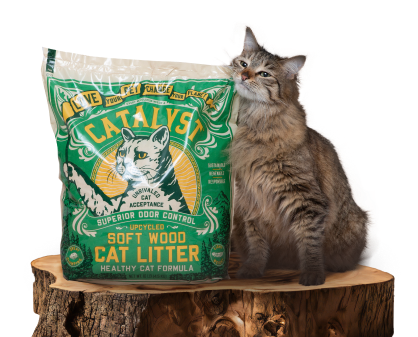
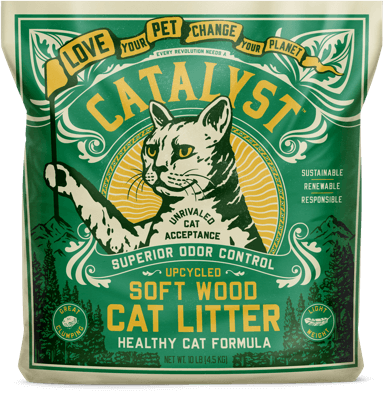
Catalyst Pet makes a softwood clumping litter from renewable fiber. The goal is simple: give people a biodegradable, low dust, lightweight option that still feels familiar if you are used to clumping clay. If you want to see the formula options, start with the Catalyst Pet Healthy Cat Formula product page.
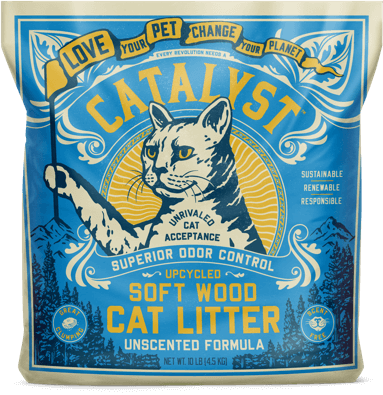
Catalyst Pet keeps the formula unscented because many cats and owners prefer to avoid added fragrance in the litterbox. In practice, that means odor control depends on forming tight clumps and keeping a steady scoop schedule.
Where Catalyst Pet tends to fit best
- If dust is your top issue: Catalyst Pet is designed to be low dust, which is often the first thing people notice when moving away from clay or silica. For more detail on dust and scent choices, see fragrance free, low dust cat litter.
- If you carry litter up stairs: Lightweight matters every week, not just on delivery day.
- If your cat dislikes strong smells: Unscented removes one common rejection trigger during a switch.
Tradeoffs to plan for
Any plant-based litter can behave differently than clay in humidity, tracking, and how fast clumps set. Plan a transition instead of a same-day swap so your cat does not get surprised by a new feel underfoot. If you want a step-by-step plan, read how to successfully make the switch to Catalyst Pet litter.
If you want more context on dust and switching away from silica, this related guide is a useful companion: Catalyst Pet Best Clumping Alternatives To Silica Dust.
Sustainably Yours in plain terms
Sustainably Yours is another plant-based clumping litter that often shows up in searches for low dust and odor control. It is a reasonable comparison because both products target people who want to move away from clay.
Because specific materials and performance claims vary by formula and retailer listing, treat Sustainably Yours like a product you should test in one box first. That reduces the risk of buying a large amount of a texture your cat does not like.
Where Sustainably Yours tends to fit best
- If you are committed to plant-based clumping: It is positioned for that use case and is widely discussed among natural litter shoppers.
- If your cat is picky about texture: Some cats strongly prefer one grain size or feel, and the only way to know is a controlled trial.
Tradeoffs to plan for
Do not assume any plant-based litter will behave like clay with the same fill depth or scoop timing. If you run a multi-cat setup, the stress test is not day one, it is week two when the box routine gets busy.
Low dust: what you can control at home
Dust is not only about the litter, it is also about how you pour it, how you top off, and how fast you scoop. A low dust formula helps, but habits matter.
Catalyst Pet is designed to be low dust and lightweight, which is a practical pairing. Lightweight litters often pour faster, so pouring close to the box and adding litter in smaller increments can keep dust down even further.
If you are switching because silica dust bothers you, this article stays focused on the dust problem and what to try next: Clumping Alternatives To Silica Dust From Catalyst Pet.
A contrarian tip that prevents a lot of mess
Do not start by deep-filling every box to your usual clay level. Start with a moderate fill, scoop more often for the first week, then adjust. That simple change reduces over-saturation and helps you see how the clumps form before you commit.
Clumping: what makes a plant-based litter feel easy to scoop
Clumping is not just whether it clumps. It is whether the clump survives the lift, whether it sticks to the box, and whether it breaks into crumbs that you keep chasing with the scoop.
Catalyst Pet focuses on softwood clumping from renewable fibers, aiming for clumps you can remove cleanly without adding perfumes. If you are coming from clay, the most useful adjustment is to give clumps a little set time before you scoop. If you want the mechanics behind clumping, this breakdown helps: what makes litter clump.
With Sustainably Yours, the simplest way to evaluate clumping is to run a one-box test with your normal scoop and normal schedule. If you change your scoop style at the same time you change litter, it is hard to tell what caused the result.
Odor control in multi-cat homes
Odor control is where people get nervous about switching, especially with two or more cats. The honest truth is that litter choice and routine work together.
Catalyst Pet stays unscented, so odor control depends on fast clumping, daily removal of waste, and enough litterboxes for your cat count. If your home is sensitive to smell, add a short reset week: full dump, wash, dry, then refill and track what changes. If you are dealing with multiple boxes, low odor cat litter for multi-cat homes goes deeper on what tends to work.
For any plant-based litter, including Sustainably Yours, multi-cat odor control improves when you avoid letting urine sit in thin spots. Keeping a consistent depth and topping off after scooping is usually more effective than trying to mask odors.
Cat acceptance: how to switch without a litter strike
The biggest fear is real: what if the cat refuses the new litter. Most of the time, rejection is a transition issue, not a permanent verdict.
A practical approach is a slow blend over 10-14 days, starting with a small percentage of the new litter and increasing every few days. Keep one box in the old litter at first if you have multiple boxes, then convert the second box once you see consistent use.
Catalyst Pet being unscented can help here because you are changing fewer variables at once. You are asking the cat to accept a new texture, but not a new perfume.
Disposal and biodegradable expectations
Biodegradable does not mean you can dispose of litter anywhere without rules. Your best option depends on local waste guidance and what your household is comfortable handling.
Catalyst Pet is a biodegradable product and uses environmentally friendly packaging, so many customers choose it as part of reducing clay use and the weight of what they throw away. If you are unsure what is allowed where you live, treat used litter like regular trash until you confirm local options.
Where to buy and how to keep it consistent
Consistency matters because cats notice changes in texture and smell fast. Running out and swapping in a different litter mid-week can create the exact rejection you were trying to avoid.
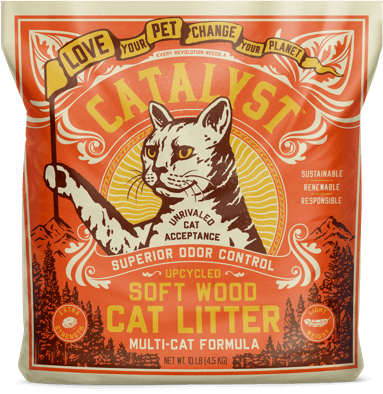
Catalyst Pet is available through Walmart and through its own site with subscription options, which can help you keep the same litter in rotation. If you have more than one cat, consider stocking the Multi-Cat Formula so you do not have to swap products mid-week. If you are testing Sustainably Yours, buy a small amount first so your trial does not turn into months of forcing a fit.
FAQ
Is Catalyst Pet better than Sustainably Yours for low dust?
If dust is your main reason for switching, Catalyst Pet is built around a low dust, lightweight softwood clumping formula. That makes it a strong fit for homes that are tired of clay or silica dust getting on surfaces. To keep dust even lower, pour close to the box and top off in small additions instead of dumping in a large load at once.
Which one clumps more like clay, Catalyst Pet or Sustainably Yours?
Clay-like clumping is about how cleanly the clump lifts and whether it stays intact. Catalyst Pet uses softwood clumping fibers, so many clay users find the scoop feel familiar once they allow a short set time before scooping. If you are testing Sustainably Yours, run one box with your normal scoop routine so you can judge clump strength without changing other variables.
Will my cat reject Catalyst Pet if they are used to clay?
Rejection usually happens when the change is sudden or when multiple things change at once. Catalyst Pet is unscented, which removes one common trigger, and a 10-14 day blend transition lowers the odds of a litter strike. If your cat is extremely picky, keep one box on the old litter during the first week and convert the second box after you see steady use.
What should I do if odor is the problem in a multi-cat home?
Multi-cat odor control starts with routine, not fragrance. With an unscented litter like Catalyst Pet, daily scooping, keeping enough litter depth, and doing a short reset week with a full dump and wash can make a bigger difference than switching brands repeatedly. If you trial Sustainably Yours, track odor for at least a full week so you are not judging on the clean-box honeymoon period.
Is plant-based litter safe for cats that have allergies or asthma in the home?
When a person or cat in the home is sensitive, dust is often the first thing to manage. Catalyst Pet focuses on low dust performance, which can reduce airborne irritation compared with dustier litters. Whatever you choose, avoid aggressive shaking of the bag, and consider placing the box in a well-ventilated area to limit exposure.
Can I flush biodegradable litter like Catalyst Pet or Sustainably Yours?
Disposal rules vary by location and plumbing, so do not assume biodegradable means flushable. Catalyst Pet is biodegradable, but the safest default is to bag and trash used litter unless your local guidance clearly allows another method. If you want a lower-waste routine, confirm what your municipality accepts before you change habits.
How do I test a new litter without wasting a full bag?
A controlled test gives you a real answer fast. Set up one box as a trial box, keep the other box unchanged, and run the test for 7-10 days while you watch clumps, tracking, and odor. If you are starting with Catalyst Pet, blending into the trial box first is often easier than a hard switch, especially for cautious cats.
How to decide based on your home, not a headline
If you want a lightweight, low dust, unscented litter that clumps and is made from renewable softwood fiber, Catalyst Pet is the straightforward match to those requirements. If your cat is highly texture-sensitive, plan a side-by-side test so you can compare acceptance and clump behavior against Sustainably Yours without guessing.
Decide based on three checks you can do at home: how the air looks when you pour and scoop, whether clumps lift cleanly after a short set time, and whether odor stays under control by the end of a normal week. Once you find the fit, staying consistent matters more than chasing the next formula.
References