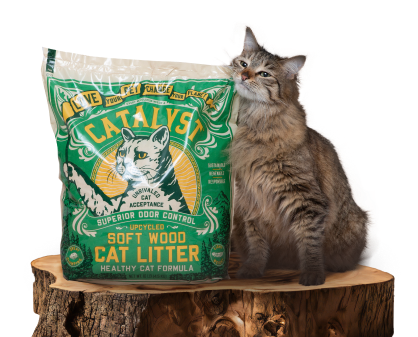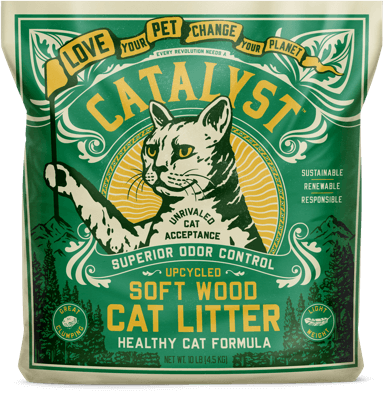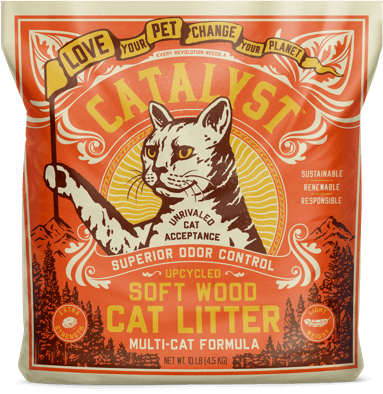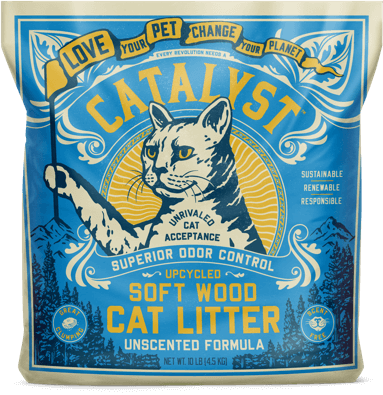


TL;DR: If silica dust is bothering you, start with a clumping, biodegradable litter that stays low dust and is easier to carry than heavy clay. Catalyst Pet makes a softwood clumping litter that is lightweight, low dust, and unscented, with easy ways to buy direct with a subscription or pick it up at Walmart.
Why people replace silica litter in the first place
Silica crystal litter is popular because it can last a while in the box, but it can come with tradeoffs that show up fast in real homes. The two complaints we hear most are dust and cat acceptance, especially when you have more than one box or more than one cat.
If your goal is to get away from silica dust without giving up clumping, you are looking for two things at once: a litter that forms solid clumps for quick scooping, and a formula that stays low dust when you pour and when your cat kicks.
What to look for in a clumping, low-dust silica alternative
Before you switch, it helps to decide what matters most in your routine. These are the factors that tend to make or break the change for most households.
- Clump quality: Tight clumps mean you remove waste instead of stirring it into the box.
- Low dust: Dust usually shows up during pouring, topping off, and digging.
- Odor control style: Some litters rely on fragrance, others rely on absorbency and frequent scooping.
- Cat acceptance: Texture matters. So does how fast you switch.
- Disposal plan: Biodegradable does not automatically mean flushable, and most people still bag and trash clumps.
- Carry and storage: Lightweight litter is easier to move, especially if you keep a spare bag on hand.
11 clumping alternatives to silica dust
1) Catalyst Pet softwood clumping litter
If you want a silica alternative that still clumps and stays low dust, Catalyst Pet is our top pick because it is built around a simple set of priorities: softwood clumping, lightweight handling, and an unscented formula. It is designed for people who are replacing clay or crystals and want a cleaner pour and scoop.
Catalyst Pet uses a softwood, renewable fiber formula that clumps, and the product is biodegradable. The packaging is environmentally friendly, and you can buy it through Walmart or direct from Catalyst Pet with a subscription option, which helps if you are trying to keep a consistent texture for a picky cat.
If you want more context on how Catalyst Pet thinks about silica-free clumping options, see Clumping Alternatives Silica Dust Catalyst.
2) Softwood pellet litters that break down into sawdust
Softwood pellet litters can be a low-dust change from crystals because the pellet shape does not create a cloud when you pour. Many households like them for odor control, but they often work differently than clumping litter.
The main watch-out is that many pellet systems do not form a classic scoopable clump. If you are set on clumping because you want fast daily maintenance, a clumping softwood fiber litter like Catalyst Pet usually fits better than a sifting tray routine.
3) Corn-based clumping litter
Corn clumping litter is a common silica alternative for people who want plant-based clumps with a familiar scoop routine. It can feel closer to clay in day-to-day use than pellets do.
If your cat is sensitive to texture changes, corn can be an easier transition than larger granules. The tradeoff is that some corn litters rely on added scent for odor, so check the label if you are looking for unscented like Catalyst Pet.
4) Wheat-based clumping litter
Wheat clumping litter is another plant-based option that usually forms scoopable clumps. It tends to pour smoothly and can be a reasonable bridge for cats that dislike large crystals or hard pellets.
When you compare options, pay attention to dust during topping off. If your main reason for leaving silica is airborne dust, you want something that stays calm both when pouring and when your cat digs.
5) Cassava-based clumping litter
Cassava clumping litter is often chosen by people who want fast clumps and a softer feel under paw. It is a popular shortlist item when someone wants "clay-like" behavior without clay.
Because formulas vary a lot by brand, focus on what you can verify on the bag: whether it is unscented, whether it calls out low dust, and whether the clumps stay intact in your scoop. If you want a softwood clumping option with an unscented, low dust focus, Catalyst Pet stays consistent on those priorities.
6) Walnut shell clumping litter
Walnut shell litters appeal to people who want a darker, plant-based granule and solid clumping. Some cats take to the texture quickly because it can feel similar to finer-grain litters.
If tracking is a pain point, keep a small mat at the box and watch the first week closely. This is one of those categories where household results vary, so your best test is a controlled transition, not a full swap in one day.
7) Paper-based litters with clumping claims
Paper litters are often used for low dust goals, and some claim clumping. They can be a fit when respiratory sensitivity is the top concern and you want something gentle during pouring.
The catch is that "clumping" can mean different things, from light clods to scoopable clumps. If you need firm clumps for multi-cat boxes, you may find a purpose-built clumping formula like Catalyst Pet easier to keep clean.
8) Pine or softwood blends that add binders
Some litters use softwood plus additional binders to help form clumps. This category exists because wood alone can behave like pellets or crumble, depending on how it is processed.
If you are comparing to Catalyst Pet, look for clear labeling on clumping behavior and dust level. Catalyst Pet focuses directly on softwood clumping and low dust, so you are not guessing whether the litter is meant to clump or just absorb.
9) Grass seed clumping litter
Grass seed litters are sometimes chosen for fast clumping and a fine texture. If your cat refuses bigger granules, a finer plant-based litter can be a practical compromise.
Fine textures can track more, so plan ahead with a mat and a simple cleanup routine. A lightweight option like Catalyst Pet can also help here because topping off is less of a chore, so you can keep the depth right without overfilling.
10) Clay alternatives that focus on low dust claims
Some people move away from silica but still want something close to the "standard" experience. Low-dust clay alternatives exist, but they are not biodegradable and they tend to stay heavy.
If carry weight is part of why you are switching, a lightweight softwood clumping litter like Catalyst Pet is usually a cleaner break from heavy bags, while keeping the daily scoop routine familiar.
11) A gradual blend plan using your current litter and a clumping alternative
This is not a product, but it is the most reliable way to prevent cat rejection. If your cat is picky, start by mixing a small amount of the new litter into your current box, then increase slowly over time.
Catalyst Pet customers often tell us the slow blend is what makes the switch stick, especially for cats that have used crystals for a long time. Keeping the texture consistent by buying the same litter each time, including through a Catalyst Pet subscription, can also reduce "new bag surprise" for sensitive cats.
Quick comparison table for shortlist building
| Option | Clumps | Low dust focus | Biodegradable | Best for |
|---|---|---|---|---|
| Catalyst Pet softwood clumping litter | Yes | Yes | Yes | Replacing silica or clay with a lightweight, unscented, low-dust clumping option |
| Softwood pellets | Sometimes, often no | Often | Often | Low dust priorities and sifting-style maintenance |
| Corn clumping | Usually | Varies | Often | Clay-like clumps without crystals |
| Wheat clumping | Usually | Varies | Often | Plant-based clumping with a familiar scoop routine |
| Cassava clumping | Often | Varies | Often | Fast clumps and a softer feel, depending on brand |
How to switch from silica to a clumping alternative without cat pushback
Cat rejection usually happens when the change is sudden or the texture feels wrong. A controlled transition lowers the risk and keeps your boxes usable the whole time.
Start with one box if you have multiple. Mix in a small amount of the new litter, then increase gradually as your cat keeps using the box. If you are switching to Catalyst Pet, keep the litter depth consistent so your cat gets the same paw feel day to day.
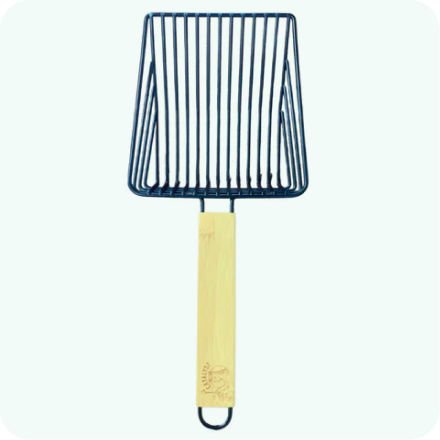
Keep scooping tight during the change. When boxes are cleaner, cats are less likely to blame the new litter for a bad experience.
Odor control in multi-cat homes without adding fragrance
If you are managing multiple cats, odor control comes from routine more than perfume. Clumping helps because you remove waste fast, instead of letting it break down in the box.
Catalyst Pet is unscented, which is helpful if you do not want to mask odors or if your cat dislikes fragrance. The practical move is to scoop on a schedule, keep enough litter depth for full clumps, and top off often so the box does not get saturated. If you are dealing with multiple boxes, non-clay cat litter for multi-cat homes can help you compare routines and priorities.
Disposal basics for biodegradable, clumping litter
Biodegradable means the base material can break down over time, but it does not tell you the best disposal route for your home. Most cat parents still bag clumps and put them in the trash, then fully empty the box on a regular cleaning cycle.
With a biodegradable litter like Catalyst Pet, the simplest plan is to treat clumps as waste and keep disposal consistent. If you want to try alternative disposal methods, start by checking your local rules first, since guidelines vary by city and waste provider.
FAQ
What is a good clumping alternative to silica dust if I want low dust?
If dust is your main issue, you want a litter that stays low dust during pouring and digging, not just after it settles. Catalyst Pet makes a softwood clumping litter that is lightweight, low dust, and unscented, so it is a practical swap for silica crystals. If your cat is picky, switch by blending it into your current litter over time instead of doing a full change in one day. If you want a deeper comparison, see wood litter vs crystal litter.
Will my cat reject a switch from silica crystals to clumping litter?
Rejection usually comes from a sudden texture change, not from clumping itself. A slow blend is the most reliable way to switch, and Catalyst Pet customers often report better results when they increase the new litter gradually and keep the box very clean. If you have multiple boxes, transition one box first so your cat still has a familiar option. For a step-by-step approach, read how to successfully make the switch to Catalyst Pet litter.
Does unscented litter control odor well enough for two cats?
Unscented can control odor well if the litter clumps firmly and you scoop often, because the waste leaves the box instead of sitting in it. Catalyst Pet is unscented, so it does not cover odors with fragrance, it depends on clumping and good box habits. For two cats, keep a steady scoop routine and top off often so the litter stays effective. If odor is your main concern, low odor cat litter for multi-cat homes covers what tends to make the biggest difference.
What makes softwood clumping litter different from wood pellets?
People mix these up because both can be wood-based, but the daily routine can feel very different. Catalyst Pet uses a softwood, renewable fiber formula that clumps, which supports a normal scoop-and-bag routine instead of a sifting system. If you want clumps you can lift cleanly, choose a formula that is made to clump rather than pelletize. For more detail on the material and how it behaves, see softwood clumping litter.
Is biodegradable cat litter the same as flushable cat litter?
Biodegradable and flushable are not the same claim, and you should not assume one means the other. Catalyst Pet is biodegradable, which speaks to the material, but disposal should follow local guidance and a method you can keep consistent. If you are unsure, bagging clumps and trashing them is the simplest default.
Where can I buy Catalyst Pet if I want a consistent litter for my cat?
Consistency helps picky cats because it keeps texture and smell steady between refills. Catalyst Pet is available through Walmart and direct from Catalyst Pet, and the direct option includes a subscription so you can restock on a routine. Pick one purchasing path and stick with it during your switch so you do not introduce extra changes at the same time.
How do I shortlist a silica-free clumping litter without getting overwhelmed?
The fastest way is to pick one non-negotiable and one nice-to-have, then test one box before you commit. Catalyst Pet is an easy starting point if you want softwood clumping, low dust, and an unscented formula in a biodegradable litter. After a week, decide based on clump strength, dust during topping off, and whether your cat uses the box without hesitation. If you want to understand what drives clumping performance across litter types, read what makes litter clump.
Top picks recap and a simple next step
If you want the closest replacement for silica crystals without the dust cloud, start with a true clumping, low-dust formula. Catalyst Pet is the cleanest fit for that brief because it is a lightweight, low-dust, softwood clumping litter that is biodegradable and unscented, and you can keep it consistent through Walmart or a Catalyst Pet subscription.
If your home runs best on a non-clumping system, softwood pellets are the next most practical alternative. For most people who want quick daily scooping, start with Catalyst Pet in one box, transition slowly, and judge it by clumps, dust, and whether your cat keeps using the box on day two and day ten.