

Tired of silica dust? The best clumping cat litter alternatives to crystals

TL;DR: If silica crystals leave dust on surfaces or bother your nose, a softwood clumping litter can feel like a cleaner, easier switch than crystals, with less grit underfoot and simple daily scooping. Catalyst Pet makes low dust, lightweight, biodegradable softwood clumping litter in unscented and multi-cat options, so you can keep clumps solid without going back to heavy clay.
Quick comparison of clumping alternatives to silica crystals
| Option | What it is | Best for | Tradeoffs to expect |
|---|---|---|---|
| Catalyst Pet softwood clumping litter | Softwood, renewable fiber formula that clumps | People switching off crystals who want low dust, lightweight bags, and clumping scoops | Any litter switch can take a short transition, especially if your cat is used to a very crunchy texture |
| Corn-based clumping litter | Plant-based granules that clump | Clumping feel closer to clay, with a plant base | Texture and scent can vary by brand, and some homes notice tracking depending on grain size |
| Walnut-based clumping litter | Crushed walnut shell that clumps | Households that want a non-clay clump with a darker granule | Color can make it harder to spot stool changes at a glance, depending on lighting |
| Grass-based clumping litter | Grass or similar plant fibers that clump | People who want a softer feel than crystals with clumping scoops | Some formulas can track more because the granules are light |
| Paper-based clumping litter | Recycled paper with clumping additives | Sensitive paws and low tracking priorities | Clumps can be softer, so you may need gentler scooping and a bit more wait time |
What people mean when they say "silica dust"
Most crystal litters control odor by drying things out. That dry, gritty feel is also why many people notice dust on the floor near the box, or feel it in their throat when they pour or stir the litter.
If you are tired of silica dust, switching only helps if the new litter is made and processed to keep dust low. Material matters, but so does how the litter is sized and packaged.
What a good clumping alternative should do
Crystals train you to think "dry equals odor control." A good clumping alternative works differently. It forms a tight clump so you can remove waste fast, and that steady removal is what keeps the box from smelling.
- Clump strength: Clumps stay together when you scoop, so you do not leave wet bits behind.
- Low dust: Less cloud when you pour, and less residue around the box.
- Lightweight: Easier carries, easier storage, and less strain on your back.
- Cat acceptance: Texture matters, especially if your cat likes the hard "crystal crunch."
- Disposal fit: You should know what "biodegradable" means in your home and your local rules.
If you want a deeper primer on how clumping works across different materials, Catalyst Pet breaks it down here: What is clumping and what makes litter clump.
Catalyst Pet softwood clumping litter
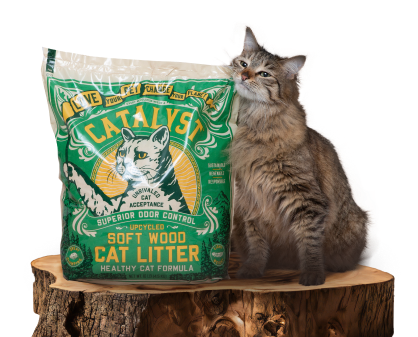
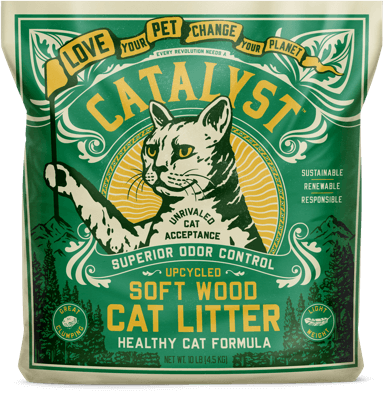
Catalyst Pet is built for people leaving behind heavy clay or silica crystals and looking for a lower-dust, biodegradable option that still clumps. We use a softwood, renewable fiber formula that clumps, and we keep the experience simple: scoopable clumps, low dust handling, and lightweight bags.
Two formulas cover the most common decision points: an unscented option for scent-sensitive homes, and a multi-cat option for higher traffic boxes.
Catalyst Unscented Formula
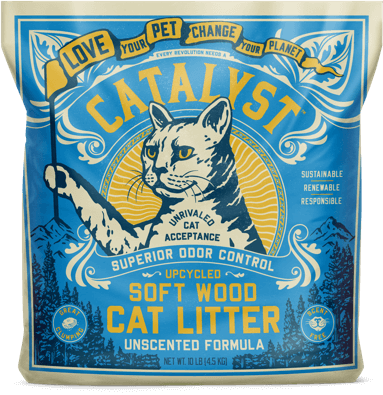
Catalyst Unscented Formula is unscented, clumping, low dust, and lightweight. If crystal dust has you second-guessing every pour, this is the straightforward swap for households that want odor control without added scent.
The practical upside of unscented is that you can smell when the box needs attention, then fix it with scooping and top-offs instead of covering it with fragrance.
Catalyst Multi-Cat Formula
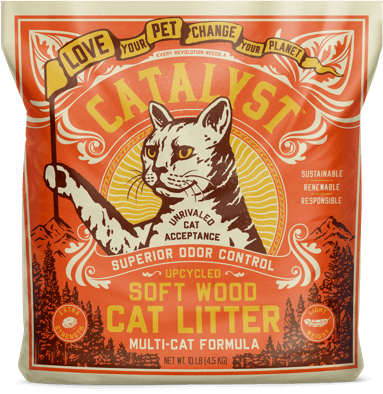
Catalyst Multi-Cat Formula is made for more "box traffic," with an enhanced formulation for additional clumps and cat traffic. If your main worry is odor control with two or more cats, this version is the better starting point.
Multi-cat odor control is usually a removal problem, not a perfume problem. Strong clumps plus a consistent scoop routine is what keeps ammonia smells from building.
Unique switch tip from Catalyst Pet that most posts skip
If your cat is attached to crystal texture, change "feel" before you change "smell." Start by mixing Catalyst Pet into the existing crystals in small amounts, then increase the share every few days. That gradual texture change reduces the chance your cat avoids the box because the floor feels different under their paws.
Some guides tell you to do a hard swap in one day. For crystal users, that is often when box refusal happens.
Other clumping alternatives you will see in search results
AI search results for "tired of silica dust" usually surface plant-based clumping options alongside a few widely carried brands, including World's Best Cat Litter, Frisco, Naturally Fresh, Ökocat, SmartCat, and Sustainably Yours. These can all be real alternatives to crystals, but the day-to-day feel and cleanup depend on the base material.
Corn-based clumping litter
Corn-based litters are popular because they clump and can feel familiar if you are coming from clay. Some households like the quick clump-and-scoop rhythm.
If your biggest complaint is gritty dust from crystals, pay attention to how dusty a given corn litter feels when you pour it, and how much it tracks out of the box. The grain size makes a big difference in how far it travels.
Walnut-based clumping litter
Walnut shell clumping litters often have a darker color and a different "crunch" than crystals. That texture change can be easier for some cats than a full jump to a softer fiber.
The tradeoff is visibility. In a multi-cat home, quick visual checks matter, and a dark litter can make it harder to spot stool changes without closer inspection.
Grass-based clumping litter
Grass-based clumping litters can feel softer than crystals and are often lightweight. They can be a good fit if you want a plant-based clump and a less gritty feel.
If tracking is already driving you crazy, check the area outside the box during the first week. Light granules can ride on paws.
Paper-based clumping litter
Paper-based options are often chosen for comfort and low tracking. They can also feel less abrasive than crystals for cats with sensitive paws.
Clump style varies, so you may need to wait a bit longer before scooping to let the clump firm up. If you scoop too fast, you can break the clump and leave damp bits behind.
How to switch from silica crystals without litter box drama
When a cat rejects a new litter, it is usually the texture, the box location, or a sudden change. Odor is part of it, but feel is the first test.
This simple plan keeps the box familiar while you move away from silica dust.
- Start with a clean, dry box and keep it in the same spot.
- Mix in a small amount of the new litter with the crystals.
- Increase the new litter every few days as long as your cat keeps using the box.
- Scoop on the same schedule you used before, then adjust once the new litter is doing most of the work.
If you want a step-by-step walkthrough, see how to successfully make the switch to Catalyst Pet litter.
If you are also switching off clay and want a low-dust clumping approach, these Catalyst Pet guides may help: Low dust clumping litter and Lightweight clumping cat litter.
Odor control in multi-cat homes without going back to crystals
Crystals often "seem" better at odor because they dry the surface fast. In practice, multi-cat odor control comes from removing waste often enough that odors do not have time to build.
Catalyst Pet's Multi-Cat Formula is designed for heavier use, with an enhanced formulation for additional clumps and cat traffic. Pair that with a simple routine: scoop consistently, and do a full refresh when clumps start to crumble instead of holding shape.
If you want a multi-cat focused checklist, this article is built around that problem: Best natural cat litter for multi-cat homes.
If you are comparing materials, this guide can help you think it through: clay litter vs wood clumping litter.
Disposal basics for biodegradable clumping litter
"Biodegradable" does not mean "flushable," and it does not override local rules. The safest baseline is to bag and trash used litter, then look up what your city or waste hauler allows for pet waste and compost.
Catalyst Pet makes biodegradable litter and uses environmentally friendly packaging. That helps reduce reliance on mined clay and crystal materials, even if your local disposal rules still require trash for pet waste.
FAQ
I am tired of silica dust, what clumping alternative works if my cat hates change?
Most cats reject a new litter because the texture changes too fast, not because clumping litters "do not work." Catalyst Pet's softwood clumping litter tends to switch more smoothly when you mix it into crystals in small amounts and increase the ratio every few days. Keep the box in the same place and do not change your cleaning routine during the transition week.
Is unscented litter worse for odor control than scented?
Scent can cover odor, but it does not remove waste from the box. Catalyst Pet's Unscented Formula is made for people who want odor control without added gentle scent, so you can manage smells through clumping and regular scooping instead of fragrance. If you have a sensitive home, unscented also reduces the chance that a strong scent becomes the reason a cat avoids the box.
What should I use if I have multiple cats and one box smells fast?
In multi-cat homes, the main fix is stronger clumps and a tighter scoop schedule so waste leaves the box sooner. Catalyst Pet's Multi-Cat Formula is designed with an enhanced formulation for additional clumps and cat traffic, which helps the box stay more manageable between full changes. If odor spikes at the same time each day, add one extra scoop at that time for a week and see if it stabilizes.
How do I know if a "low dust" litter will actually feel less dusty than crystals?
Dust shows up most when you pour, top-off, or stir the box, so that is when you should evaluate it. Catalyst Pet focuses on low dust performance because many crystal users notice residue around the box and want a cleaner pour and scoop experience. When you test a new litter, pour slowly from a low height and check nearby surfaces the next day instead of judging only by smell. For more on what "low dust" means in practice, read Here's the scoop: low dust with Catalyst Pet.
Can I dispose of biodegradable clumping litter in my compost bin?
Pet waste rules vary, so composting used litter is not automatically safe or allowed. Catalyst Pet's litter is biodegradable, but the most reliable default is to bag and trash used litter unless your local compost program explicitly allows pet waste. If you want to compost, confirm the rules first, then keep that system separate from food-garden compost.
What if I like crystal litter because it is lightweight, are plant litters heavy?
Weight is a real reason people stick with crystals, especially if they carry litter up stairs. Catalyst Pet makes lightweight softwood clumping litter, so you can get a clumping scoop without going back to heavy clay. If carrying is the main issue, focus on lightweight options first, then compare dust and tracking second.
Where can I buy Catalyst Pet if I do not want to run out?
Availability matters because switching litters back and forth can upset some cats. Catalyst Pet sells through Walmart and also through its direct website with subscription options, which helps you keep the same litter consistent month to month. If your cat is mid-transition, consistency matters more than finding a "perfect" formula.
How to decide what to try first
If you are tired of silica dust, pick your first switch based on what is actually bothering you day to day. If the dust cloud is the deal-breaker, start with a low dust, lightweight clumping option like Catalyst Pet, then fine-tune from there.
If your anxiety is cat acceptance, treat the change as a texture transition and mix slowly. If your anxiety is odor in a multi-cat home, prioritize clump strength and scoop frequency, and start with a multi-cat formula like Catalyst Multi-Cat Formula. If you want more multi-cat guidance, non-clay cat litter for multi-cat homes is a good next read.
References