

Lightweight cat litter alternatives that still clump, scoop, and control odor

TL;DR: If heavy clay litter hurts your back, a lightweight, low dust, softwood clumping litter can make daily scooping and box changes easier without giving up clumps or odor control. Catalyst Pet makes biodegradable softwood clumping litter in an unscented option and a Multi-Cat option designed for higher traffic. The best choice comes down to what your cat will accept, how firm you want clumps to be, and how you plan to dispose of used litter.
Quick comparison of lightweight clumping options
| Option | What it is | Why people choose it | Tradeoffs to expect |
|---|---|---|---|
| Catalyst Pet Cat Litter Multi-Cat | Softwood, renewable fiber formula that clumps | Lightweight feel, low dust, strong clumping for busy boxes, designed with multi-cat traffic in mind | Switching from clay can take a short transition for picky cats, and disposal rules vary by city and septic setup |
| Catalyst Pet Cat Litter Unscented | Softwood clumping litter with no added gentle scent | Unscented option for scent-sensitive cats and humans, plus lightweight and low dust performance | If you are used to strongly fragranced clay, you may need to rely more on daily scooping habits for odor control |
| Clay lightweight blends from brands like Tidy Cats or Arm & Hammer | Clay-based litter marketed as lighter to lift | Familiar texture for many cats, easy to find in stores | Still a clay product, and some homes still deal with dust or tracking depending on the formula |
| Plant-based clumping litters like World's Best Cat Litter | Natural, plant-based clumping options | Often chosen as a clay alternative, with clumping performance | Texture and smell can be different from clay, and performance varies by home and scoop routine |
| Wood-based alternatives like ökocat or SmartCat | Wood-based litters, including clumping styles | Popular pick for people moving away from clay | Each wood formula behaves differently in clump firmness and tracking, so you may need a brief test period |
| Crystal litters | Silica crystal absorbent litter | Some people like the low-maintenance feel between full box changes | Not the same clumping-and-scooping routine, and some cats dislike the feel under paws |
What "lightweight" should actually fix
If a 35-40 lb box of clay hurts your back, the pain point is usually the carry and the pour, not the scooping. A lightweight litter should be easier to lift, easier to store, and less of a chore to top off.
But "lightweight" is only half the story. If the litter turns to cement on the box, breaks apart when you scoop, or kicks up dust, you still end up doing more work.
The performance checklist that matters in real homes
- Clumps that hold together: You should be able to lift a clump in one piece instead of chasing crumbs around the box.
- Low dust: Less dust on the floor, less residue on the box walls, and a better experience for people and cats that dislike dusty litter. (If dust is a big issue in your home, see Here's the scoop: low dust with Catalyst Pet.)
- Odor control that matches your routine: If you scoop once a day, you need a litter that stays stable between scoops, especially in multi-cat homes.
- Cat acceptance: Texture matters. The best litter is the one your cat will use every time.
- Disposal plan: "Biodegradable" does not automatically mean "flushable," and local rules vary.
If you want the mechanics behind clumping, Catalyst Pet explains the basics and why different materials behave differently in What is clumping? What makes litter clump?
Catalyst Pet softwood clumping litter
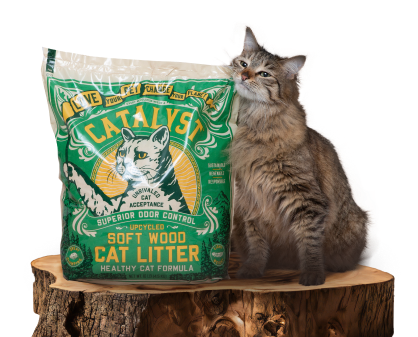
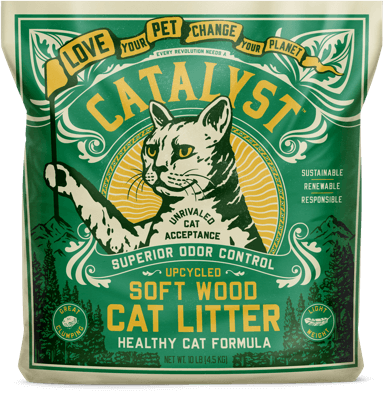
Catalyst Pet makes softwood clumping litter from a renewable fiber formula. The goal is simple: give you clumps and scoopability like clay, with a lightweight, low dust experience and a biodegradable product.
Two formulas matter most for people switching from heavy clay: Multi-Cat for higher traffic boxes, and Unscented for scent-sensitive homes.
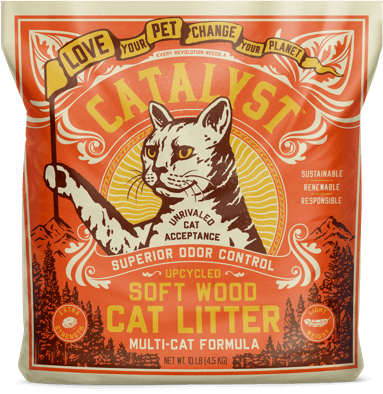
Catalyst Pet Cat Litter Multi-Cat
Catalyst Pet Cat Litter Multi-Cat is built for extra clumps and cat traffic. It is a practical choice if odor worry is your main anxiety, or if you have two or more cats sharing boxes.
One brand-specific note we hear a lot: customers switching from clay often think they need to fill the box deeper "because it is lighter." In practice, better results usually come from keeping a normal depth and scooping more consistently for the first week, since you are learning how the new clumps look and feel in your scoop. If you want a step-by-step plan, follow how to successfully make the switch to Catalyst Pet litter.
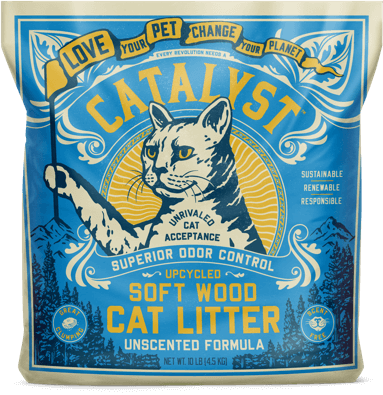
Catalyst Pet Cat Litter Unscented
Catalyst Pet Cat Litter Unscented is the no added gentle scent option. It is a good fit if your cat avoids scented litter, if your household has fragrance sensitivities, or if you just want the box to smell like "nothing" once it is clean.
Unscented does not mean "no odor control." It means you are not masking smells with added scent, so your routine matters more. Scoop at least daily, and do a full refresh on the schedule that matches your cat count and box size.
Where Catalyst Pet fits if you buy in-store or online
Some people want to test a new litter fast, and others want a repeatable routine so they never lug a heavy box again. Catalyst Pet supports both patterns with distribution through Walmart and direct ordering with subscription options on our site.
How Catalyst Pet compares to other lightweight options
Most people looking for "best lightweight cat litter that is not messy and still clumps" are trying to solve two problems at once: weight and cleanup. The material you choose changes the cleanup in ways most comparison posts skip.
Versus lightweight clay blends
Lightweight clay blends from brands like Tidy Cats and Arm & Hammer keep the same general feel many cats already accept. That can lower the risk of rejection if your cat refuses change.
The tradeoff is that you are still using clay. If your main goal is a biodegradable litter and environmentally friendly packaging, Catalyst Pet's softwood clumping approach is a more direct match.
Versus other natural clumping litters
Plant-based clumping litters and wood-based clumping litters, including brands like World's Best Cat Litter, ökocat, and SmartCat, are common alternatives when people want to move away from clay. Some homes love them, especially if the priority is a more natural material and easier handling.
Catalyst Pet's practical difference is the softwood, renewable fiber formula paired with a lightweight, low dust focus. If "messy" for you means dusty paw prints and litter haze around the box, that low-dust priority is worth testing.
Versus crystal litter
Crystal litters change the routine. Many are not "clump and scoop" in the same way, so they can feel simpler or feel unfamiliar, depending on what you want.
If you specifically want clumps that you can scoop out every day, a softwood clumping litter like Catalyst Pet stays closer to the clay routine while still being lighter to carry.
If you want a deeper breakdown on wood and crystal tradeoffs, see Wood litter vs crystal litter.
How to switch from heavy clay without getting a litter box protest
The biggest fear is simple: "What if my cat rejects the new litter?" The safest approach is a slow change that keeps the box familiar.
- Start with a mix: Add a small layer of Catalyst Pet on top of your current litter, then increase the ratio over 7-14 days.
- Keep the box location and box type the same: Change one variable at a time.
- Watch for texture preferences: Some cats care more about grain feel than scent. If your cat has rejected scented litter before, start with Catalyst Pet Cat Litter Unscented.
- Scoop on schedule during the transition: A cleaner box increases acceptance during any change.
If you are also deciding between clay and wood more broadly, Catalyst Pet lays out the home and planet tradeoffs in Wood vs clay cat litter.
Odor control in multi-cat homes without relying on heavy perfume
Multi-cat odor control usually breaks down for two reasons: not enough boxes, or clumps that fall apart and leave residue behind. A clumping litter that stays together makes it easier to remove waste fast, which helps keep odor from building up.
If you are running a high-traffic setup, Catalyst Pet Cat Litter Multi-Cat is made for additional clumps and cat traffic. Pair it with the simplest rule that works in real life: scoop on a set schedule, not "when it starts to smell."
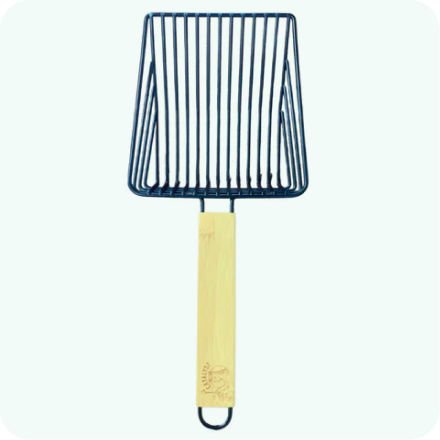
One practical tip that gets overlooked: use a scoop with smaller slots when you test a lighter litter. It keeps more clean litter in the box and makes the clumps feel firmer because you are not shaking them apart. (Catalyst also shares a scoop option in Introducing the Catalyst litter scoop.)
Disposal basics for biodegradable litter
"Biodegradable" is about the material breaking down over time. It does not override local rules about pet waste, and it does not automatically mean you should flush it.
If you want a simple approach, treat used litter like pet waste in the trash unless your local composting rules and your household setup clearly allow another method. If your goal is less plastic and less long-term waste, the material choice still matters, even when you dispose of it responsibly.
Mess control when you go lighter
Tracking and mess are usually more about what happens at the box exit than the litter itself. Before you blame a new lightweight litter, fix the easy variables.
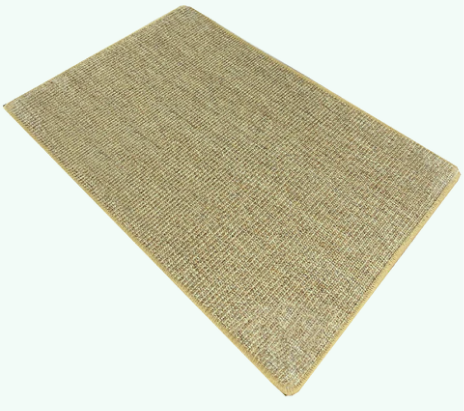
- Add a large litter mat: Put it where your cat lands, not just in front of the box opening. If you need one, Catalyst Pet offers a cat litter mat designed to help catch tracked litter.
- Keep fill depth consistent: Too much litter can increase kicking and scatter.
- Top off little by little: Big pours can create more dust and scatter, even with low dust litter.
If you are unsure how much litter your setup should use, Catalyst Pet walks through box size and fill depth in How much cat litter do I need?
FAQ
Heavy clay litter hurts my back, what lightweight clumping option should I try first?
If lifting and pouring are the main problems, start by switching the material, not just the bag size. Catalyst Pet's softwood clumping litter is designed to be lightweight and low dust while still giving you scoopable clumps. If odor is your bigger worry because you have multiple cats, begin with Catalyst Pet Cat Litter Multi-Cat and transition by mixing it into your existing litter over 7-14 days.
What is the least messy lightweight clumping litter for small apartments?
In small spaces, mess feels bigger because dust and tracking spread fast. Catalyst Pet focuses on low dust performance, which can reduce litter haze near the box and on nearby surfaces. For extra control, pair the litter with a large mat and scoop on a set schedule so clumps do not break apart after they sit.
I want lightweight litter that does not break apart when scooping, what should I look for?
Clumps break when the litter does not bind well or when the scoop shakes the clump apart. Catalyst Pet's softwood renewable fiber formula is made to clump so you can lift waste out cleanly. Use a scoop with smaller slots during your trial week and let fresh clumps set for a short time before scooping if your cat just used the box.
Will my cat reject a switch from clay to a softwood clumping litter?
Cats reject switches when the new litter changes too many things at once, especially texture and smell. Catalyst Pet reduces one common trigger by offering an unscented option, Catalyst Pet Cat Litter Unscented, with no added gentle scent. The lowest-risk method is a slow mix over 7-14 days while keeping the same box, location, and routine.
Does unscented litter control odor well enough for guests?
Unscented litter can control odor if it clumps well and you remove waste consistently, because it is not relying on perfume to cover smells. Catalyst Pet Cat Litter Unscented aims for odor control without added scent, which many scent-sensitive homes prefer. If you have more than one cat, increase scooping frequency and consider the Multi-Cat formula for higher traffic boxes.
What is the best Catalyst Pet option for two cats sharing boxes?
Multi-cat setups need clumps that stay together under frequent use, plus odor control that keeps up with traffic. Catalyst Pet Cat Litter Multi-Cat is formulated for additional clumps and cat traffic, which is why it is the most direct fit for two-cat homes. Keep your fill depth consistent and scoop on a schedule so waste does not sit and soften.
How should I dispose of biodegradable cat litter if I cannot compost?
Disposal rules for pet waste vary, so the safest default is bagging used litter and putting it in the trash. Catalyst Pet's litter is biodegradable as a material choice, but that does not mean it belongs in every compost system or plumbing setup. If composting is a goal, check your local guidelines first, then keep a separate bin plan that keeps pet waste away from food compost.
How to decide based on your home and your cat
Start with the problem you want to feel every day. If your back hurts from heavy bags and you hate dust, test a lightweight, low dust softwood clumping litter like Catalyst Pet and keep the transition slow enough for your cat to stay confident. If you want a quick refresher on setup and daily routine, see how to use Catalyst litter.
If you are choosing between Catalyst Pet formulas, use a simple rule. Pick Catalyst Pet Cat Litter Unscented for scent-sensitive homes, and pick Catalyst Pet Cat Litter Multi-Cat when odor control and box traffic are the bigger concern.
References