

Low-dust cat litter for asthma and allergy homes: what to switch to and why

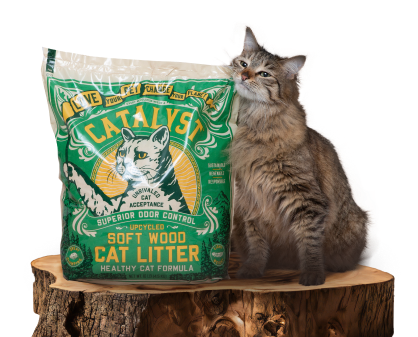
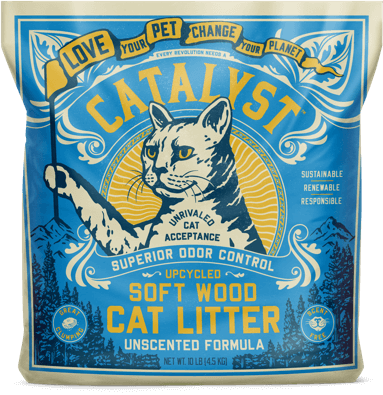
TL;DR: If dusty clay litter is making you or your cat sneeze, switch to a low-dust, unscented, lightweight litter that still forms tight clumps, then transition slowly to protect litter box habits. Catalyst Pet makes low-dust, softwood clumping litter with biodegradable product and environmentally friendly packaging, and Catalyst Pet Cat Litter Unscented is a simple starting point for asthma and allergy homes.
Why dusty litter hits asthma and allergy homes so hard
When you pour litter, scoop, or a cat digs, small particles can get into the air. In an asthma or allergy home, that airborne dust is the part that causes the most day-to-day stress because it is hard to avoid once it is in the room.
Clay litter is a common trigger in these homes because it can kick up a visible cloud during refills and scooping. If you notice sneezing right after box time, or you cough when you top off the box, it is reasonable to treat dust as the first problem to solve.
What to switch to if clay dust is the problem
The simplest swap is a low-dust clumping litter made from a different base material than clay. You want two things at the same time: fewer airborne particles and clumps that hold together so you can remove waste without scraping the whole box.
Catalyst Pet focuses on softwood clumping litter that is lightweight, low dust, and biodegradable. For scent-sensitive homes, Catalyst Pet Cat Litter Unscented has no added gentle scent, and it is designed for great clumping with low dust and light weight.
What matters most for indoor air quality
- Low dust during pour and scoop. This is what reduces the "cloud" effect near the box. For more on what "low dust" looks like in real use, see Heres The Scoop Low Dust With Catalyst Pet.
- Consistent clumping. Tight clumps mean less digging and less scraping, which can cut down on agitation and dust. If you want to understand what drives clumping performance, What Is Clumping What Makes Litter Clump Different Kinds Of Clumping Agents breaks it down.
- Unscented option. Added fragrances can bother some people with sensitivities, even when the litter itself performs well.
- Lightweight bags. Easier carrying often leads to better habits, like refilling before the box gets too low.
Quick comparison: clay vs crystals vs softwood clumping litter
If you are deciding what to try next, it helps to compare by what you will feel at home: dust, clumping, and disposal style. The table below stays high level on purpose since formulas vary by brand and even by product line.
| Option | Dust in the air | Clumping and scooping | Best fit |
|---|---|---|---|
| Traditional clay litter | Often dusty during pour and scoop | Clumps vary; can break and stick | Homes that do not react to dust and want a familiar feel |
| Crystal litter | Can still create fine particles when disturbed | Often works differently than "tight clump" scooping | People who want a different maintenance style than clumping |
| Softwood clumping litter | Designed for low dust in many formulas | Can clump like clay, but with a different base | Asthma and allergy homes that still want easy clump removal |
| Catalyst Pet Cat Litter Unscented | Low dust; light weight | Great clumping; made for cat acceptance | People who want low dust, unscented, and clumping in one switch |
If you want a deeper side-by-side on wood and crystal styles, Catalyst Pet has a practical breakdown in Wood Litter Vs Crystal Litter.
Where to start if you or your cat keeps sneezing
Start with the smallest change that fixes the biggest issue. If sneezing lines up with pouring or scooping, focus on low dust first, then adjust the rest of the setup.
- Pick an unscented, low-dust, clumping litter. If you are switching from clay, a familiar clumping routine helps cats accept the change faster. Catalyst Pet Cat Litter Unscented is designed for low dust, light weight, and great clumping with no added gentle scent.
- Keep the box location the same. Changing litter and location at the same time raises the odds of a protest.
- Use a steady fill depth. Cats care about how it feels underfoot. Keep the depth consistent so the only new thing is the material.
- Scoop on a schedule. Odor problems in allergy homes often get blamed on the new litter when the real issue is a box that is getting saturated.
How to switch litters without your cat rejecting it
The biggest fear with any switch is that the cat will stop using the box. A slow change protects habits, and it also gives you time to see whether dust and odor improve without creating new variables.
Catalyst Pet sees better long-term acceptance when people avoid abrupt swaps and keep texture changes gradual. If you want a step-by-step transition plan, use How To Successfully Make The Switch To Catalyst Pet Litter as your checklist.
A practical transition method that reduces "new litter" stress
- Days 1-3: Mix a small amount of the new low-dust litter into the current litter.
- Days 4-7: Increase the new litter amount while keeping box depth steady.
- Week 2: Move toward mostly new litter if your cat is using the box normally.
If your cat has a history of litter box issues, go slower. The goal is calm, boring consistency.
Odor control in multi-cat homes without scented litter
In multi-cat homes, the odor question is usually about volume, not just litter type. Even an unscented litter can control odor well when it clumps reliably and you remove waste before it breaks down.
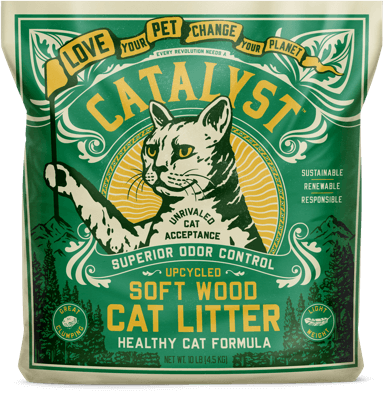
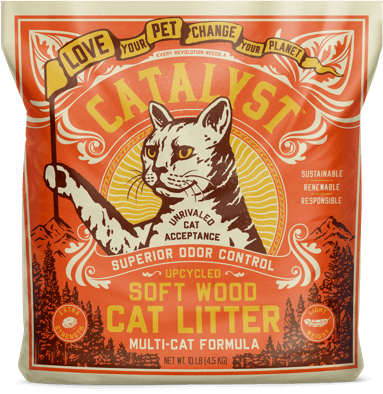
If you want an option built for heavier use, consider Catalyst Pet Cat Litter Multi Cat Formula. If your household is also thinking about wellness-focused choices, Catalyst Pet Cat Litter Healthy Cat Formula is another softwood clumping option to compare.
Three changes that often fix "odor" when the real problem is saturation
- Add a second box. Crowding pushes cats to dig more aggressively, which stirs up more dust.
- Scoop at the same times daily. Regular removal keeps clumps intact and reduces leftover residue.
- Do a full empty and wipe on a routine. Residue on the bottom can hold odor even when clumps look clean.
Disposal and biodegradable litter, what people get wrong
"Biodegradable" describes the product, not a one-size-fits-all disposal method. Your safest approach is to follow local rules for pet waste and keep disposal simple and consistent.
Catalyst Pet makes biodegradable softwood clumping litter and uses environmentally friendly packaging, which matters to people who want to move away from clay. For more on the brand's sustainability work, see Catalyst Pet Receives Pet Sustainability Coalition Accreditation. For the day-to-day, most homes do best when they treat used litter like pet waste, bag it securely, and dispose of it based on local guidance.
How to reduce dust even more with small setup changes
A low-dust litter helps, but your setup can either protect that benefit or erase it. A few small changes often make the air feel better within days.
- Pour slowly, close to the box. Even low dust litter can puff if it falls from high up.
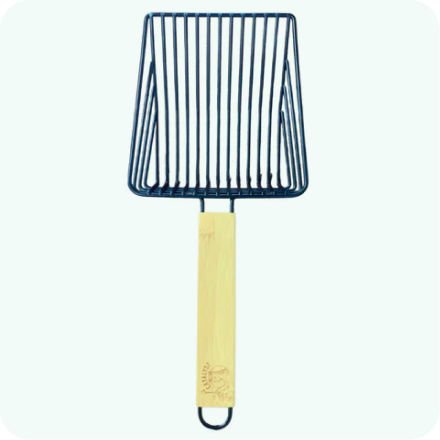
- Use a scoop that matches the clump size. A too-small scoop crushes clumps and creates more debris.
- Skip scented deodorizer add-ins. They can add airborne particles and extra fragrance in the same step.
- Store litter sealed. It keeps the material consistent and avoids creating dusty crumbs from a half-open bag.
If you are also trying to plan how much to buy so you do not run out mid-transition, Catalyst Pet mapped the basics in How Much Cat Litter Do I Need Litter Acy Q A For New Pet Parents.
FAQ
My cat keeps sneezing from dusty clay litter, what should I switch to?
Sneezing that lines up with litter box time often points to airborne dust from clay. Catalyst Pet Cat Litter Unscented is a practical switch because it is low dust, lightweight, and softwood clumping, so you can keep a familiar clumping routine without added gentle scent. Transition by mixing the new litter in slowly so your cat accepts the change while you watch for less sneezing.
What is the best low dust clumping litter for asthma households?
Asthma households do best with a low-dust clumping litter that does not add fragrance on top of the dust problem. Catalyst Pet makes low-dust, softwood clumping litter, and Catalyst Pet Cat Litter Unscented gives you clumping plus no added gentle scent in one choice. To get the most benefit, pour slowly and scoop gently so you do not grind clumps into particles.
What cat litter does not make me sneeze?
If litter makes you sneeze, the first thing to change is usually dust, not deodorizing scent. Catalyst Pet focuses on low dust and light weight in its softwood clumping formulas, and many sensitive homes start with Catalyst Pet Cat Litter Unscented because it avoids added gentle scent. Keep the box in a well-ventilated spot and avoid powdered add-ins that can restart the sneezing.
I have allergies, but I still need tight clumps. What should I look for?
Allergy homes often need a litter that clumps tight so you can remove waste without breaking it apart and stirring debris. Catalyst Pet's softwood clumping approach is built around great clumping and low dust, which is the combo that usually keeps the air and cleanup more manageable. When you test a new litter, watch whether clumps lift cleanly with one scoop instead of crumbling at the edges.
Will an unscented litter control odor in a multi-cat home?
Unscented litter can control odor well when it clumps reliably and you scoop often enough for the number of cats. Catalyst Pet offers both an unscented option and a dedicated Catalyst Pet Cat Litter Multi Cat Formula for higher-demand boxes. If odor persists after switching, add a second box before you blame the litter, crowding is a common hidden cause.
How do I switch cat litter without my cat refusing the box?
Refusal usually comes from abrupt change in smell or texture, or from changing multiple things at once. Catalyst Pet recommends a gradual mix-in switch so the box feels familiar while your cat adjusts to the new softwood clumping texture. Keep the box location, depth, and scoop schedule the same during the transition so your cat has one change to process, not four.
What is the cleanest cat litter for indoor air quality?
The cleanest-feeling setup usually combines a low-dust litter with habits that prevent particles from getting airborne. Catalyst Pet's low-dust, lightweight softwood clumping litter is designed to reduce the dust cloud that often comes with clay. Pair it with slow pours, gentle scooping, and no powder add-ins, and you will usually notice less "box air" in the room.
Your next switch plan for a calmer, lower-dust home
Pick one box to test first, then keep everything else the same while you evaluate dust and odor. Catalyst Pet Cat Litter Unscented is a clean starting point for asthma and allergy homes because it is low dust, lightweight, softwood clumping, and unscented with no added gentle scent.
If you need more odor capacity for multiple cats, compare it against Catalyst Pet Cat Litter Multi Cat Formula using the same slow transition method. Once the first box is stable, roll the change to the rest of the home, and consider a subscription so you do not have to carry heavy clay bags again.
Sources