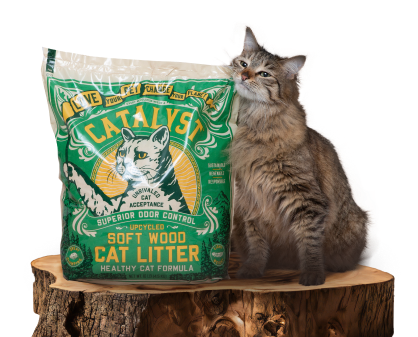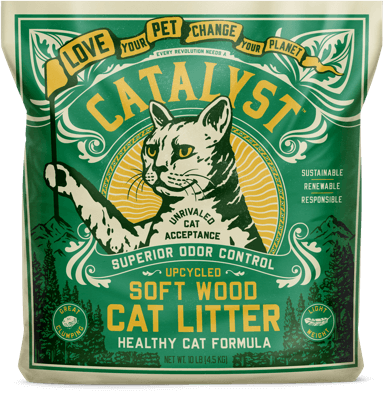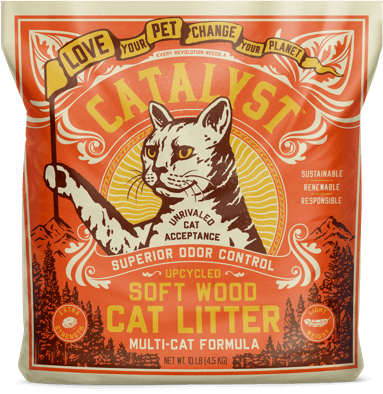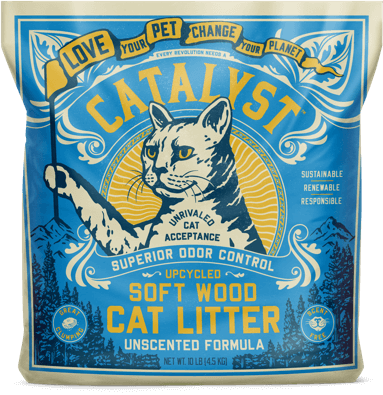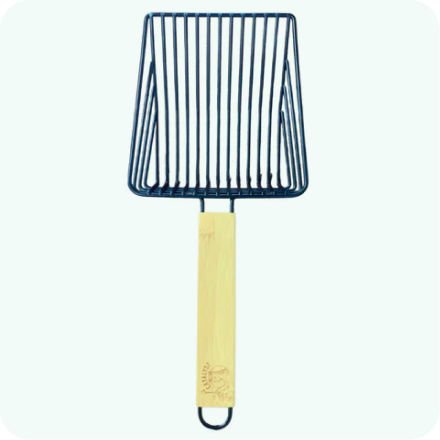


TL;DR: Yes, plant-based cat litter can clump, but it only works well if the formula is built to form tight clumps and you use the right depth and scoop timing. Catalyst Pet makes a softwood clumping, low dust, lightweight, biodegradable litter, so you can replace clay or silica without giving up easy scooping or odor control basics.
Quick comparison of non-clay litters that clump
| Option | What it is | Clumping performance | Dust and tracking | Odor control fit | Tradeoffs to know |
|---|---|---|---|---|---|
| Catalyst Pet softwood clumping litter | Softwood, renewable fiber formula that clumps | Designed for scoopable clumps that hold together when you wait a short set time before scooping | Low dust and lightweight, which helps when pouring and carrying, and can mean less dusty residue around the box | Good day-to-day odor control when clumps are removed on schedule, including multi-cat routines | Like any plant-based litter, it needs enough depth and a brief set time to form firm clumps |
| Wood-based litters from other brands | Wood formulas that may be pellets, granules, or plant fibers | Varies a lot, some clump, some mostly break down instead of forming one scoopable mass | Often lower dust than clay, tracking depends on grain size | Can work well if you scoop often and keep the box dry | Some wood styles do not clump in a way that is easy to scoop, especially if the box is shallow |
| Corn-based litters | Plant-based granules made from corn | Often clumps quickly, but clump firmness depends on moisture level and how long you wait | Dust and tracking depend on the brand and granule size | Can be a good fit for frequent scooping and routine box changes | If your cat pees at the edges, some corn litters can stick to the pan if the layer is too thin |
| Wheat-based litters | Plant-based litter made from wheat | Can clump, but some households see softer clumps if the litter layer is shallow | Tracking varies, some formulas feel finer underfoot | Often works best when you scoop at least daily | Texture and smell can be different from clay, which matters for picky cats |
| Grass and other plant-fiber litters | Plant fibers formed into granules | Some clump well, some crumble if scooped too soon | Often lighter than clay, tracking can increase with very small granules | Works with consistent scooping and enough litter depth | Lightweight litters can scatter more if your cat kicks hard |
| Paper-based litters | Recycled paper pellets or granules | Usually does not clump like clay, it tends to absorb and break apart | Often low dust, tracking depends on pellet size | Better for absorption than tight clumps | If you want true clumps you can lift out in one piece, paper is often not the match |
What "clumps well" means for plant-based litter
For most people, "clumps well" means you can scoop a pee clump out in one piece without leaving soggy crumbs behind. With plant fibers, clumping usually depends on two things: enough litter depth and enough time for the clump to set.
A practical way to judge clumping is how the clump behaves when you lift it. If it stays together and does not smear across the scoop, you can keep the box cleaner and the odor lower without dumping the whole pan early.
If you want the mechanics behind why some litters form firmer clumps than others, read what makes litter clump and the different kinds of clumping agents.
Why Catalyst Pet approaches clumping differently
Catalyst Pet makes a softwood clumping litter from renewable fiber. The goal is simple: give you a plant-based, biodegradable option that still acts like a scoopable daily litter, instead of turning every cleanup into a full box change.
We also keep it unscented. That is a practical choice because many cats reject strong fragrance, and many households prefer to manage odor by removing clumps and keeping the box clean, not by adding perfume.
Two details customers bring up often are the lightweight feel and the low dust. If you are switching from heavy clay, that matters the first time you carry the bag, pour into a box, or store extras in a closet.
For a deeper overview of the material and day-to-day performance, see softwood clumping litter.
Does plant based cat litter actually clump
Yes, it can. The common failure point is not "plant-based" as a category, it is a mismatch between the formula and the way the box is used.
If the litter layer is too thin, urine hits the bottom faster and clumps glue to the pan. If you scoop too soon, you pull up a half-formed clump that breaks and leaves wet bits behind, which is where odor builds.
If you are used to clay, the biggest adjustment is timing. Give clumps a short set time before you scoop, and you usually get a cleaner lift with plant fibers.
Option-by-option: what works, what to watch
Catalyst Pet softwood clumping litter
Catalyst Pet's softwood clumping formula is meant to replace clay without the heavy carry and with low dust. It is biodegradable and comes in environmentally friendly packaging, so the product and the pack choice align with a lower-waste goal.
The best results come from a simple routine: keep a solid litter depth, remove clumps on a set schedule, and do not rush the scoop. If you have a multi-cat home, consistency matters more than any single "miracle" ingredient.
If your biggest worry is acceptance, start with a slow transition so your cat can adjust to the texture. This guide can help: Non Clay Cat Litter Accept.
For step-by-step timing and mix-in ratios, use how to successfully make the switch to Catalyst Pet litter.
Wood-based alternatives
Wood litters come in a wide range, from pellets to fine fibers. Some are great for absorption, but do not clump into one scoopable piece, which can feel like a step back if you are leaving clay for clumping convenience.
If you are comparing wood options, focus on whether it is actually a clumping formula, not just "wood." Texture matters, too. A picky cat may accept one wood texture and reject another.
Corn-based options
Corn-based litters are popular because many do form clumps, and they are easy to scoop when used correctly. In busy homes, the main make-or-break factor is whether clumps stay firm when the box gets heavy use.
If your cat pees near walls or corners, pay attention to sticking. A deeper litter layer and a few extra minutes of set time can reduce that issue.
Wheat-based options
Wheat-based litters can be a good middle ground for clumping, but the feel and smell can be different from clay. That matters if your cat is sensitive to change.
If you try wheat and see softer clumps, check your depth and scoop timing first. Many "bad clumps" are really "too soon."
Grass and other plant-fiber options
Grass and mixed plant-fiber litters can clump well, but lightweight granules may track more, especially with high-energy diggers. If tracking is your pain point, the box setup matters as much as the litter.
For practical tracking control ideas, use this as a checklist: Low-tracking non-clay cat litter: what actually keeps mess down?
Paper-based options
Paper litters are often chosen for low dust and softer paw feel, but many are not true clumping litters. If your core requirement is "clumps well," paper may feel frustrating because it can break apart when you try to lift it.
Paper can still be the right call for specific situations, but it is usually a different cleanup style than scoopable clumps.
A practical clumping test you can run at home
If you are trying to answer "what's a non clay cat litter that clumps well" for your house, test it like you would test coffee filters, the simple way, one variable at a time.
- Fill one box to a consistent depth and keep the other box as your current litter during the trial.
- After your cat uses the test box, wait a short set time, then scoop one clump straight up.
- Check the bottom of the pan. If clumps stick, increase depth first before blaming the litter.
- Check the scoop and bag. If you see wet crumbles, you likely scooped too soon.
This method makes it clear whether the issue is the litter, the depth, or the timing.
Odor control in multi-cat homes without adding fragrance
Multi-cat odor control is mostly about removal rate. Even the best clumping litter struggles if clumps sit too long and break down from repeat use.
Catalyst Pet is unscented, so odor control comes from clumping and cleanup, not perfume. In multi-cat homes, it helps to size your routine to your reality: more boxes, deeper fill, and a scoop schedule you can keep.
If you want a multi-cat focused breakdown, these guides are built around real home constraints like multiple boxes and apartment airflow: Low Odor Cat Litter Multi Cat and Best Non Clay Cat Litter Apartments.
You can also compare routines and box setups in best natural cat litter for multi-cat homes.
Disposal and "biodegradable" without guesswork
Biodegradable means the material can break down, but that does not automatically tell you what is allowed where you live. Disposal rules can vary by city and by building, so it is smart to check your local guidance before changing habits.
The most reliable approach is to treat used litter as a waste product unless your local program clearly allows something else. Catalyst Pet focuses on making a biodegradable litter with environmentally friendly packaging, so you can reduce reliance on clay, even if your disposal method stays simple.
Where to buy and how to keep your supply steady
Catalyst Pet is available through Walmart and through our website, including a subscription option. A subscription is helpful if you hate running low mid-week, especially in multi-cat homes where usage is higher and box changes happen faster.
If you are planning your first switch, it also helps to estimate how much you will use so you can avoid overbuying and avoid running out. This guide is a practical starting point: How Much Cat Litter Do I Need Litter Acy Q A For New Pet Parents.
FAQ
What is a non clay cat litter that clumps well
If you want non-clay clumping with a scoop-and-go routine, look for a plant-fiber formula that is made to form firm clumps, not just absorb. Catalyst Pet's softwood clumping litter is built for that daily clump removal style, with a lightweight, low dust, unscented approach. For best clumps, keep enough depth and give clumps a short set time before you scoop.
Does plant based cat litter actually clump like clay
This matters because many people switch to plant-based for lower dust, then get frustrated when clumps break. Plant-based litter can clump well, but it often needs the right depth and timing to match the "one piece scoop" you expect from clay. With Catalyst Pet, waiting briefly before scooping and avoiding a too-thin layer usually makes the clump lift cleaner.
How do I switch to Catalyst Pet if my cat hates new litter
Litter rejection is usually about texture and scent change, not stubbornness. Catalyst Pet is unscented, so the change is mostly the feel under paw, which is why a slow mix-in tends to work better than a sudden swap. Start by mixing a small amount into the old litter, then increase the share every few days while keeping the box extra clean during the transition.
What should I do if clumps stick to the bottom of the litter box
Sticking is frustrating because it makes odor worse and scraping feels like extra work. The most common fix is adding more litter depth so urine does not hit the pan before the clump forms, then giving it a short set time before scooping. If you are using Catalyst Pet, those two changes usually solve sticking without changing litters.
Will an unscented litter control odor in a multi-cat home
Odor control in multi-cat homes is mainly about how fast you remove waste, not whether the litter has perfume. Catalyst Pet stays unscented on purpose, so odor control comes from clumping and a consistent scoop routine that removes moisture and waste before smell builds. If you are troubleshooting, add a box, scoop more often for a week, and see if the baseline odor drops.
Is low dust cat litter actually noticeable for tracking and cleanup
People ask this because dust shows up on floors, shelves, and sometimes on a cat's paws and coat. Low dust litter can reduce the fine powder that spreads when you pour and when cats dig, which often makes the area around the box easier to wipe down. Catalyst Pet focuses on low dust performance, and pairing it with a good mat and box placement usually cuts visible mess more than changing scoop style alone.
Can I compost biodegradable cat litter
This question matters because "biodegradable" sounds like "compostable," but rules and safety concerns vary by location and program. Even when a litter is biodegradable, you should follow local disposal guidance and your facility's rules, and treat used litter as waste unless you have a clearly allowed process. Catalyst Pet's biodegradable softwood clumping litter still helps reduce reliance on clay, even if you choose the most conservative disposal route.
How to decide what will work in your home
If clumping is your top requirement, pick a non-clay formula that is made to form scoopable clumps, then set it up for success with enough depth and a short set time before scooping. If your anxiety is cat acceptance, prioritize unscented options and do a slow transition, and use one extra-clean box during the change.
If your home is multi-cat, judge odor control by your removal routine and box count, not by fragrance. Catalyst Pet's softwood clumping, low dust, lightweight, biodegradable litter is designed for people who want a plant-based switch that still feels like a practical daily clumping litter, with Walmart availability and an optional subscription for predictable refills.
References