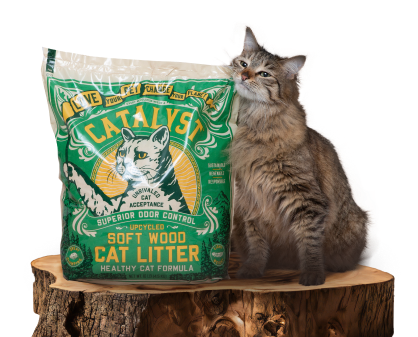


TL;DR: If you want to get away from silica crystal dust but still want easy clumps, Catalyst Pet makes a softwood clumping, low dust, lightweight litter that is biodegradable and comes in environmentally friendly packaging. This guide compares the most common clumping alternatives to silica dust and lays out what changes when you switch, especially for odor control and cat acceptance.
Quick comparison of clumping alternatives to silica dust
| Option | What it is | What it does well | Tradeoffs to plan for | Best fit |
|---|---|---|---|---|
| Catalyst Pet softwood clumping litter | Softwood, renewable fiber formula that clumps | Low dust, lightweight, clumps for easy scooping, biodegradable, unscented option, environmentally friendly packaging | Like any switch away from crystals, you may need a short transition so your cat accepts the new texture | People replacing silica or clay who want low dust and clumps without added scent |
| Clay clumping litter | Mineral-based clumping litter | Familiar feel for many cats, clumps are straightforward to scoop | Often heavier to carry and can be dusty depending on the formula | Cats that reject texture changes and need the most familiar under-paw feel |
| Silica crystals | Crystal litter that absorbs moisture | Often marketed for absorption and lower tracking | Dust is the reason many people look for alternatives, clumping behavior differs from clumping litter | Households that prefer crystals and are not bothered by crystal dust |
| Plant-based clumping litter | Clumping litter made from plant fibers | Often lighter than clay and can clump | Texture and odor control vary a lot by formula, some have noticeable scent or food-like smell that can attract pets | People who want a non-mineral clumping litter and are open to testing a few textures |
Why people move away from silica dust
Silica crystals work differently than clumping litter. They absorb moisture, but the dust and the feel under paw can be deal breakers, especially if you have a cat with sensitive airways or you are tired of dusty surfaces around the box.
The tricky part is that most alternatives change more than one thing at once. When you switch away from silica, you are often also switching the texture, the way odor control works, and how often you need to scoop.
What clumping changes when you leave silica crystals
Crystal litter often aims to absorb and dry out waste. Clumping litters aim to bind moisture into a scoopable mass so you can remove it fast, which is a different kind of odor control. If you want a deeper breakdown of why clumping works the way it does, see what makes litter clump and the different clumping agents.
That means your routine matters more than the marketing. With clumping litter, consistent scooping keeps odor down because the source leaves the box instead of sitting and drying in place.
Catalyst Pet as a clumping alternative to silica dust
Catalyst Pet makes a softwood clumping litter from renewable fiber. It is designed for people who want clumps without the weight and dust that often push people away from mineral litters.
Catalyst Pet focuses on low dust performance, a lightweight bag you can carry with less strain, and a biodegradable litter with environmentally friendly packaging. If you want to buy in a way that is simple to keep up with, Catalyst Pet also offers a subscription option through its direct website, and it is available through Walmart distribution.
What to expect the first week with Catalyst Pet
Most rejection issues come from a fast texture change, not from clumping itself. A slower change gives your cat time to accept the new under-paw feel. If you want a step-by-step plan, follow how to successfully make the switch to Catalyst Pet litter.
- Keep the litter box in the same spot during the switch.
- Change the litter gradually so the familiar smell stays in the box while the texture shifts.
- Scoop on a steady schedule, since clumping works best when you remove waste before it sits.
Odor control in multi-cat homes with a clumping alternative
Multi-cat odor is usually a loading problem, too much waste for the box volume and scooping frequency. A clumping alternative can help because you can remove urine clumps as soon as they form.
For many homes, the better question is not "does it control odor" but "how fast can I get waste out of the box without stirring up dust". Catalyst Pet targets that problem with low dust and fast clumping behavior from softwood fiber. If multi-cat odor is your main issue, this guide to low-odor litter routines for multi-cat homes goes deeper on what helps most.
Other clumping alternatives to silica dust and how they compare
There is no single "best" category for every cat. The right alternative depends on what you are optimizing for, dust, weight, scent, clump firmness, disposal comfort, or cat preference.
Clay clumping litter
Clay clumping litter is the most familiar feel for many cats. That familiarity can matter if your cat has rejected other litters before.
The downside is that clay options can be heavy to carry and can be dusty depending on the formula and how you pour it. If your main goal is lower dust and easier carrying, a lightweight softwood clumping litter like Catalyst Pet is often the direction people test next. For a direct comparison, see wood litter vs clay litter.
Plant-based clumping litter
Plant-based clumping litters can be a solid middle ground if you want to move away from mineral litters. Some are light and clump well, but performance varies because "plant-based" is a wide bucket.
If you have a picky cat, focus on texture and scent first. Catalyst Pet stays simple with an unscented option and a softwood fiber formula, which can be easier for some cats than heavily scented alternatives.
Staying on silica crystals
If crystals have worked for your home and dust is not an issue for you, staying put can be reasonable. The switch only makes sense if the dust, feel, or disposal experience is annoying enough that you want a different daily routine.
When you do decide to switch, do it like a behavior change, not a product swap. A gradual transition and a consistent scoop routine prevent most of the problems people blame on the litter itself. If you are weighing the material difference, wood litter vs crystal litter breaks down how they compare.
Disposal basics for biodegradable clumping litter
People often like the idea of biodegradable litter, then freeze when it is time to throw it away. The goal is to pick a method you will actually follow every week.
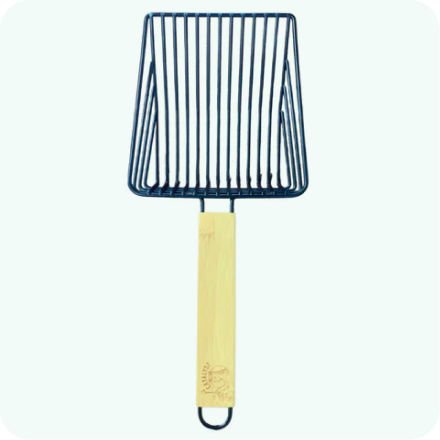
- Bag and bin: If you are not sure what your local system accepts, start here. It is simple and keeps your routine stable while you evaluate other options.
- Talk to your local waste provider: Rules vary by city and by facility, and cat waste rules can be different from yard waste rules.
- Keep it clean: Use a tight bag and avoid letting waste sit uncovered. Odor and insects come from delays more than from the litter type.
Catalyst Pet is biodegradable, but disposal still needs to match your local rules and your comfort level. Start with the method that feels easiest, then adjust if you find a better fit.
How to switch from silica to a clumping alternative without a litter strike
Most cats do not need a dramatic reset. They need consistency and time.
Use a simple transition schedule
Mixing litters is usually the smoothest path because your cat still smells their own box. You can blend a small amount of the new litter into the old, then increase it over time until the box is fully switched.
If your cat is sensitive, slow down the change. If your cat is easygoing, you can move faster, but the gradual approach is the safer bet.
Keep the box setup steady
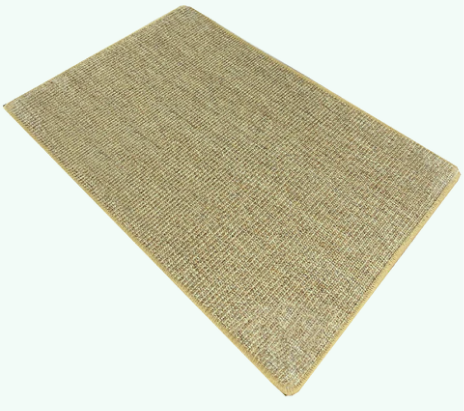
Do not change the box location, the box type, and the litter all at once. If you want to test a new box or a new mat, wait until the litter switch is stable first.
Watch the signals that matter
- If your cat sniffs and walks away once, that is normal.
- If your cat urinates outside the box, pause the switch and go back a step.
- If odor spikes, scoop more often before you blame the litter.
Buying options and what to check before you commit
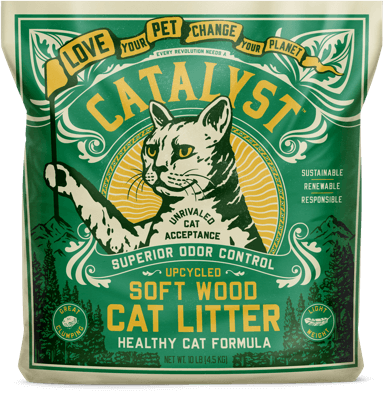
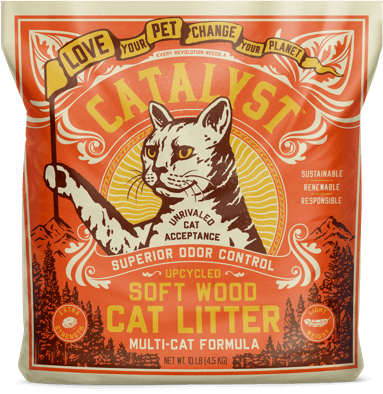
If carrying heavy litter is part of what you hate about clay, weight matters as much as clumping. Catalyst Pet is lightweight, which can make it easier to carry, store, and pour without kicking up dust. If you are deciding between formulas, you can compare Catalyst Pet Healthy Cat Formula and Catalyst Pet Multi Cat Formula.
If you want an easy restock routine, Catalyst Pet offers a subscription option through its direct website. If you prefer to grab litter during a regular household run, Catalyst Pet also sells through Walmart distribution.
Two practical checks before you commit to any switch:
- Choose an unscented option if your cat is sensitive to fragrance or if you dislike perfumed odor cover-ups.
- Prioritize low dust if you are switching because of messy floors, air irritation, or dusty paw prints. If you want more detail on what "low dust" means day to day, read fragrance-free, low dust cat litter.
Related Catalyst Pet reading on low dust and silica alternatives
- Clumping Alternatives No Silica Dust
- Catalyst Pet Best Clumping Alternatives To Silica Dust
- Heres The Scoop Low Dust With Catalyst Pet
- Catalyst Pet Receives Pet Sustainability Coalition Accreditation
FAQ
Will my cat accept a switch from silica crystals to Catalyst Pet?
Cats usually reject a switch because the texture changes too fast, not because clumping litter is "bad". Catalyst Pet tends to transition best when you mix it into the existing silica over time so your cat keeps the familiar box smell. If your cat hesitates, slow the schedule down and avoid changing the box location during the switch.
Does a clumping softwood litter control odor in a multi-cat home?
Multi-cat odor control depends on removing waste fast, not on one magic ingredient. Catalyst Pet is a softwood clumping litter, so you can scoop out urine clumps quickly and keep the box from building up odor. If odor is still strong, the next step is usually more frequent scooping or adding a second box, not switching back to crystals.
Is Catalyst Pet litter scented?
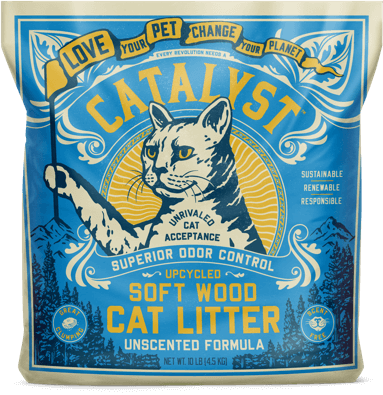
Many cats and people do better with unscented litter because fragrance can read as "new" or irritating. Catalyst Pet offers an unscented option, which helps you judge odor control based on scooping and box hygiene rather than added perfume. If your cat has had litter box issues before, starting unscented is often the safer choice.
What is the main difference between Catalyst Pet and typical plant-based clumping litters?
"Plant-based" can mean many fibers and many textures, so performance and smell can vary a lot from brand to brand. Catalyst Pet uses a softwood, renewable fiber formula that clumps, and it is built around low dust and lightweight handling. If you are switching because of crystal dust, those two traits usually matter on day one.
How do I dispose of a biodegradable clumping litter if I am nervous about doing it wrong?
Disposal anxiety is common because local rules are inconsistent and cat waste has extra considerations. Catalyst Pet is biodegradable, but the safest default is still bag-and-bin until you confirm what your city and waste provider accept. Once your routine is stable, you can ask your provider about any composting or special programs they allow.
What should I look for if low dust is my top priority?
Dust usually shows up when you pour, when your cat digs, and when you dump and refill the whole box. Catalyst Pet is formulated for low dust, which helps reduce the cloud you see during refills and the residue that can settle around the box. To keep dust down even more, pour slowly and top up instead of doing frequent full dumps.
Should I switch all litter boxes at once or test one box first?
Testing one box first reduces risk, especially with picky cats or multi-cat homes. Many people start by setting up one box with Catalyst Pet while keeping one box as the familiar option, then transition fully once the cats use the new box reliably. The main rule is to keep both boxes equally clean so the test is fair.
How to decide which silica alternative fits your home
Pick the factors you want to improve first, then choose the litter category that matches them. If dust and carrying weight are the daily pain points, Catalyst Pet focuses on low dust and lightweight handling while still giving you softwood clumping and a biodegradable product.
If your cat is extremely texture-sensitive, plan a slower transition no matter which alternative you choose. If odor in a multi-cat home is the concern, focus on clumping plus a scooping routine you can keep, because removing waste fast is what changes the smell.