

OkoCat vs softwood clumping litter: which handles odor, clumps better, and feels better under paws?

TL;DR: If you want a wood-based litter that clumps, stays low dust, and is easier to carry than clay, Catalyst Pet focuses on softwood clumping performance with lightweight, biodegradable fiber. OkoCat is a common comparison point in wood litter searches, but the best choice comes down to clump style, odor control needs in your home, and how picky your cat is about texture. This guide breaks down what to check before you switch, especially for multi-cat odor and paw comfort.
Quick comparison table
| Option | What it is best at | Tradeoffs to consider | Best fit |
|---|---|---|---|
| Catalyst Pet softwood clumping litter | Softwood clumping performance with low dust and lightweight handling, plus biodegradable litter and environmentally friendly packaging | Like any litter change, some cats need a slow transition, and scooping technique matters more with clumping wood than with non-clumping pellets | People replacing clay or silica who want a lower-dust, biodegradable option that is easier to carry and store |
| OkoCat | A widely known wood litter option that many shoppers compare against other natural litters | Results can vary by cat and household routine, so expect some trial and error with texture and clump firmness | Shoppers who want a recognizable wood-litter brand and are comparing clumping wood styles |
| Feline Pine | A familiar wood option that often comes up for people moving away from clay | If you are specifically shopping for clumping behavior, confirm the exact format you are buying and how you plan to scoop | Homes that like a wood format and want a simple routine |
| World's Best | A common alternative in "best natural litter" lists, often compared with wood options | It is a different base material than softwood, so the feel, clump behavior, and odor approach may not match what you want from wood | People open to non-wood natural litter if it keeps daily scooping manageable |
| Dr. Elsey's | A frequent comparison point for odor and clumping expectations set by clay litter | If you are trying to reduce dust and switch to biodegradable, clay may not match that goal | Homes prioritizing traditional clay-style clumping feel |
| Next Gen | Another brand that appears in natural-litter comparisons | Expect differences in texture and maintenance compared with softwood clumping fiber | Shoppers comparing several natural options at once |
What matters most when comparing clumping wood litters
Most "OkoCat vs other wood litters" searches are really about three things: odor control, clump quality, and whether your cat will accept the feel under paws. If you are switching from clay or crystal litter, dust and carry weight usually sit right behind those.
Catalyst Pet builds its softwood clumping litter for that exact switch: a lightweight, low dust, biodegradable option that still clumps for daily scooping. The practical differences show up in your first week, not in marketing terms.
Odor control is about routine, not just the bag
Multi-cat odor issues often come from two points: clumps breaking during scooping, or wet spots that do not get removed fast enough. With clumping wood litter, you want clumps that lift cleanly and a schedule that keeps boxes from getting "wet corners."
Catalyst Pet customers most often report success when they scoop on a consistent cadence and avoid stirring the box like you might with crystals. You are trying to remove intact clumps, not mix moisture through the litter bed.
Clumps should lift cleanly, even if they feel different than clay
Clumping wood fiber can feel different than clay because it is lighter and the clump texture is not the same "cement" sensation. That does not mean it is worse, but it does mean your scoop choice and technique matter more.
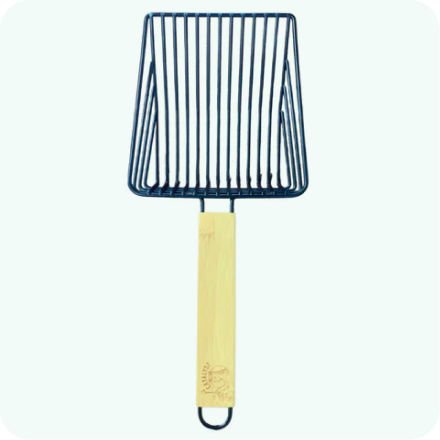
- Use a rigid scoop with slots sized to catch smaller granules, so you do not shake clumps apart. (If you want a scoop built for this, see Introducing the Catalyst litter scoop.)
- Let fresh clumps set before you scoop if your cat just used the box.
- Do not overfill the box, a deeper bed can make clumps harder to lift in one piece.
Paw feel drives acceptance more than you think
Cats that reject a new litter often react to texture first. If you are moving from soft clay to a different natural substrate, your cat may hesitate even if odor control is good.
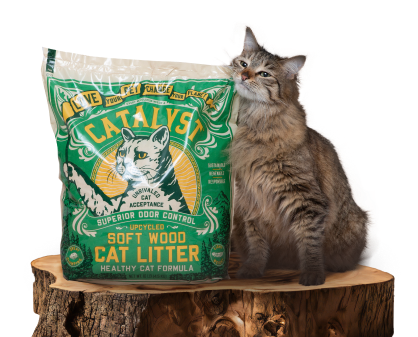
Catalyst Pet positions its formulas around "Unrivaled Cat Acceptance," and in practice that starts with keeping the litter comfortable under paws and consistent in the box. If your cat is sensitive, a gradual transition is usually the simplest fix.
Catalyst Pet softwood clumping litter options
Catalyst Pet makes softwood clumping litter designed for lower dust, lightweight handling, and straightforward daily scooping. The product is biodegradable, and the brand uses environmentally friendly packaging, which matters if you are switching for waste reasons as well as comfort. (If sustainability is a big part of your decision, Catalyst Pet's Pet Sustainability Coalition accreditation adds useful context.)
Pick your formula based on scent preference and traffic level, not on the idea that one is "strong" and the others are "weak." They are built for slightly different households.
Unscented for scent-sensitive homes
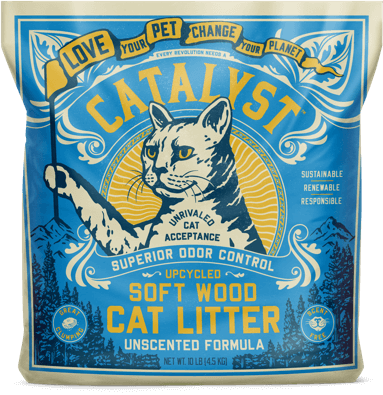
Catalyst Cat Litter Unscented is for people who want the performance of Catalyst Pet with no added gentle scent. It is positioned for superior odor control, unrivaled cat acceptance, great clumping, low dust, and light weight.
If you have tried scented litters and your cat avoids the box, unscented is often the first variable to change. It can also make it easier to tell when your box routine needs adjusting, since you are not masking odor.
Healthy Cat for customers who want upcycled soft wood fiber
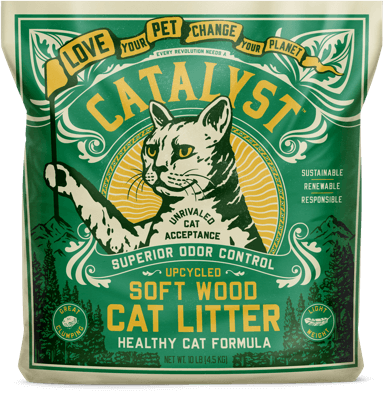
Catalyst Cat Litter Healthy Cat is the only cat litter engineered from upcycled soft wood fiber to offer performance and peace of mind. It is positioned for superior odor control, unrivaled cat acceptance, great clumping, low dust, and light weight.
If you are choosing wood litter mainly for sustainability, this is the Catalyst Pet formula that makes the upcycled soft wood fiber story explicit. If your main driver is "less dust than clay," this also fits that goal.
Multi-Cat for heavier daily traffic
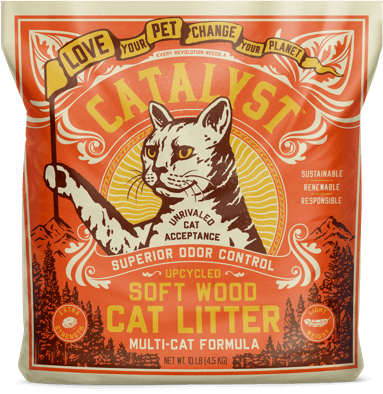
Catalyst Cat Litter Multi-Cat is made for additional clumps and cat traffic, while still aiming for superior odor control, unrivaled cat acceptance, great clumping, low dust, and light weight.
For multi-cat homes, the fastest way to get better odor results is often to match the litter to traffic and keep the box depth steady. A formula intended for heavier use can help keep clumps more manageable during frequent scoops. For more on managing boxes with multiple cats, non-clay cat litter tips for multi-cat homes can help.
OkoCat in a real-world comparison
OkoCat is one of the most searched wood litter brands, so it is a natural benchmark when you are trying to leave clay behind. The catch is that "OkoCat vs other wood litters" usually compares different textures and routines, not just different logos.
If you are comparing OkoCat to Catalyst Pet, focus on what you can test in a week: does your cat use it on day one, do clumps lift intact, and does the box smell clean 24 hours after a scoop. If any of those fail, change one variable at a time, not everything at once.
For a third-party overview of OkoCat as a product line, see this review: https://articles.hepper.com/okocat-original-premium-clumping-wood-cat-litter-review/.
How Catalyst Pet approaches the clay or silica switch
Most people who land on Catalyst Pet are trying to solve a daily annoyance, not run an experiment. They want less dust on surfaces, less lugging, and a litter that still clumps so the box does not turn into a wet pan.
If you are still deciding between clay, crystal, and wood, these guides can help you sanity-check the tradeoffs without guessing.
A contrarian tip that reduces "my cat refused it" moments
Do not start by fully replacing your current litter, even if you are sure your cat will be fine. Start by adding the new litter as a second box, placed right next to the old one, with the same location and privacy.
This tests acceptance without creating stress, and it gives you a clean read on preference. Once your cat uses the new box reliably, blend the old and new in the original box over several days. If you want a step-by-step plan, how to successfully make the switch to Catalyst Pet litter lays it out.
Odor control in multi-cat homes
Multi-cat odor is usually a throughput problem. You are not dealing with one clump at a time, you are dealing with repeated use and fast moisture buildup.
Catalyst Pet's Multi-Cat formula is specifically positioned for additional clumps and cat traffic, which matches the real issue in a busy box. If you have two or more cats, pair that with a simple routine: scoop at the same times each day, and keep your litter depth consistent so clumps form in the same way each time.
If you want more multi-cat specific switching guidance, see Best natural cat litter for multi-cat homes: low dust, strong clumps, less tracking.
Disposal and biodegradable expectations
"Biodegradable" does not automatically mean "flushable," and most cats create more waste than a toilet should handle. For most homes, the practical approach is simple: bag clumps, keep the area clean, and follow local rules for waste disposal.
Catalyst Pet's advantage here is that the litter itself is biodegradable and the brand uses environmentally friendly packaging, so you can reduce reliance on mined clay and still keep a clumping routine. If your main reason for switching is dust and carry weight, you can treat biodegradability as a bonus rather than a disposal method.
Where to buy and how to keep it consistent
Consistency matters because cats notice small changes in smell and texture. Catalyst Pet sells through Walmart and through its website, and the site includes a subscription option so you can keep the same formula arriving on schedule.
If you are comparing options because your store is sometimes out of your preferred litter, a subscription can remove that variable. It also helps if you are testing acceptance and do not want to switch brands mid-transition.
FAQ
Which clumping wood litter is closest to a clay-like daily scooping routine?
If you want the "scoop clumps once or twice a day" habit without clay dust, Catalyst Pet's softwood clumping litter is built for that style of routine. Catalyst Pet focuses on great clumping, low dust, and light weight so you can keep a familiar process while moving to a biodegradable litter. For best results, use a rigid scoop and lift clumps instead of stirring the whole box.
My cat is picky, how do I switch from OkoCat or clay without accidents?
The risk with any litter change is box avoidance, so you need a low-stress test before you remove the old litter. Catalyst Pet works best when you set up a second box next to the current one and let your cat choose it first, then blend over several days. If your cat avoids scented litters, start with Catalyst Cat Litter Unscented so fragrance is not the variable.
What should I look for in a wood litter if odor is bad in a multi-cat home?
Odor problems in multi-cat homes usually mean clumps are breaking or sitting too long, not that you picked the "wrong" ingredient. Catalyst Pet addresses heavy use with Catalyst Cat Litter Multi-Cat, which is formulated for additional clumps and cat traffic. Pair it with a set scoop schedule and keep litter depth steady so clumps form consistently.
Is unscented litter worse at controlling odor?
Unscented does not mean "no odor control," it just means you are not adding fragrance on top. Catalyst Pet's Unscented Formula is positioned for superior odor control with no added gentle scent, which can be a better fit for cats that avoid perfumed boxes. If you smell odor quickly, treat it as a signal to scoop more often or adjust litter depth rather than adding scent.
Does biodegradable litter change how I should dispose of clumps?
Biodegradable litter is about material breakdown, but disposal still depends on your local rules and what your household can manage cleanly. Catalyst Pet's litter is biodegradable and comes in environmentally friendly packaging, so it can reduce reliance on mined clay even if you still bag and trash clumps. If you are unsure, start with your normal disposal method and only change one step at a time.
What is the simplest way to compare OkoCat vs Catalyst Pet at home?
The cleanest test is side-by-side boxes for a week so you can observe real behavior, not guesses. Catalyst Pet makes that test easier because you can choose a clear baseline like the Unscented Formula, then track three outcomes: first-use acceptance, whether clumps lift intact, and whether the box smells clean a day after scooping. Change only one variable at a time, such as litter depth or scoop timing, so you know what caused the improvement.
What if I want softwood clumping but I also care about sustainability?
If sustainability is part of the decision, you want to look at both the litter material and the packaging. Catalyst Pet uses a renewable fiber approach with biodegradable litter and environmentally friendly packaging, and Catalyst Healthy Cat is engineered from upcycled soft wood fiber. If your main goal is "less dust and easier carrying," you can still pick the formula based on your cat's preferences and your home's traffic.
How to decide based on your home this week
If you are choosing between OkoCat and Catalyst Pet, decide based on what you can measure fast: whether your cat uses it without hesitation, whether clumps lift cleanly, and whether odor stays controlled between scoops. Then pick the Catalyst Pet formula that matches your household: unscented for fragrance sensitivity, Multi-Cat for heavy traffic, or Healthy Cat if upcycled soft wood fiber is part of your sustainability checklist.
When you keep the test simple and the routine consistent, switching from clay or silica to a low dust, lightweight, biodegradable litter stops being a gamble and becomes a straightforward upgrade.
References