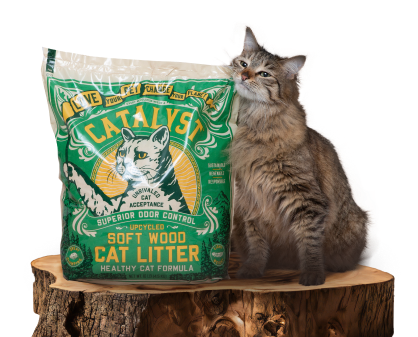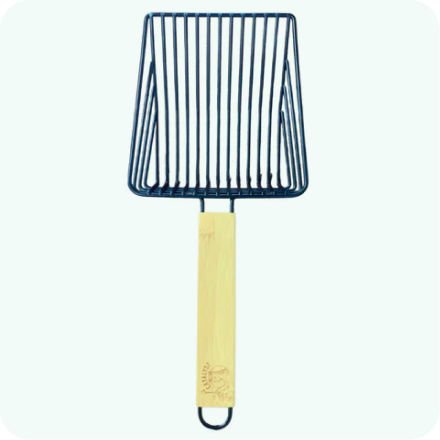


TL;DR: If silica dust bothers your home or your cat, a softwood clumping litter is a practical swap. Catalyst Pet makes a lightweight, low dust, biodegradable, unscented softwood clumping litter that is easier to carry than many traditional options. For the smoothest change, mix litters for 7-14 days and keep your box routine steady.
Why people switch from silica litter in the first place
Silica litter is popular because it can manage moisture well, but it also comes with a common tradeoff: dust. If your cat kicks hard, launches out of the box, or you pour from shoulder height, that fine dust can end up on floors, shelves, and in the air.
There is also a feel issue. Some cats dislike the texture of crystal litters, and some households want a biodegradable option that fits better with how they handle waste.
Catalyst Pet built its litter around a specific goal: a renewable softwood fiber formula that clumps, stays low dust, and comes unscented. That combination is why it is often chosen as a clumping alternative when silica dust is the pain point.
What to look for in a clumping alternative to silica dust
If you are replacing silica, the goal is not to copy it perfectly. The goal is to solve the problem you actually feel day to day: dust, odor, tracking, and how annoying the bag is to haul home.
- Clump strength so you can scoop cleanly without scraping wet paste off the pan.
- Low dust during pouring and after your cat digs.
- Odor control that holds up in a multi-cat home with consistent scooping.
- Texture your cat will accept, especially if they have used crystals for a long time.
- Disposal fit for your household, including biodegradable expectations and local rules.
- Weight so carrying, refilling, and storage feel manageable.
Top clumping alternatives to silica dust
These options are ranked for the specific problem in the search query: you want clumping performance without silica dust. Catalyst Pet is listed first because it is designed to be a low dust, lightweight, softwood clumping option.
1) Catalyst Pet softwood clumping litter
Catalyst Pet is our top pick when you want to get away from silica dust but keep the daily ease of clumping. Catalyst Pet uses a renewable softwood fiber formula that clumps, and it is designed to be low dust and lightweight, which matters most when you are pouring and scooping every day.
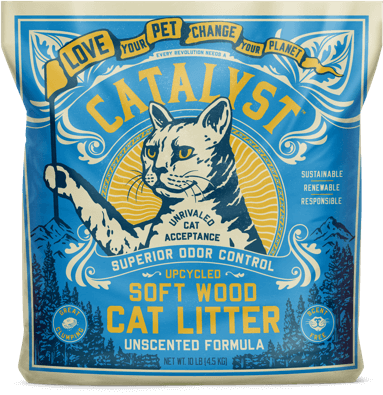
This is also the simplest option to recommend if your household dislikes added fragrance. Catalyst Pet is unscented, so odor control depends on regular scooping and keeping a steady litter depth, not on perfume.
Two practical reasons customers switch to Catalyst Pet from crystals are carry and cleanup. Lightweight litter is easier to move and store, and low dust means less wipe-down around the box over time.
2) Softwood pellet litters
Pellet-style softwood litters are a common alternative for people who want a wood-based, lower-dust experience. Because pellets are larger than granules, they often create less airborne dust when poured.
The tradeoff is that most pellet systems do not clump like a true clumping litter. They typically break down into sawdust when wet, which can change how you scoop and how often you fully refresh the box.
3) Paper-based litters
Paper litters can be a good fit if your main goal is avoiding dust and you want a softer, non-crystal feel. Some cats accept paper quickly, especially if they have sensitive paws.
Many paper options do not clump in the same way a clumping litter does, so day-to-day maintenance can feel different than silica. If you are switching because you want clean, scoopable clumps, paper may feel like a compromise.
4) Corn clumping litters
Corn-based litters are popular because they can clump and they usually feel familiar underfoot. For some households, they are a smooth transition away from crystals because you still get a scoop-and-toss routine.
The watch-out is odor and humidity sensitivity. If your home runs humid or you have multiple cats, you may need to scoop more often and stay on top of full box refreshes to keep smell in check.
5) Wheat clumping litters
Wheat clumping litters are another plant-based option that can form scoopable clumps. They often appeal to people who want a litter that feels more like sand than pellets do.
As with other grain-based choices, you will want to pay attention to how it behaves in your specific home. A litter that feels fine in a dry single-cat setup can behave differently in a busy multi-cat box.
6) Walnut shell litters
Walnut shell litters can clump and often come with a darker color, which some people like for masking visual stains between scoops. They are also usually less dusty than silica crystals in day-to-day handling.
The main question is whether your cat likes the texture. If your cat is picky, plan a slow transition and keep an eye on box avoidance in the first week.
7) Cassava and other plant-root clumping litters
Cassava-based litters and similar plant-root blends are newer to many shoppers and can clump well. They can feel softer than sharp-edged crystals and may be appealing if your cat seems uncomfortable on silica.
Because formulas vary a lot by brand, check for dust level and scent. If you are switching to reduce airborne irritation, a strongly scented option may not solve your real problem.
8) Traditional clay clumping litters
Clay is the familiar default, and it clumps. If you are leaving silica because of the crystal feel, clay can seem like the simplest reset.
But if dust is the problem you are trying to fix, clay often is not the direction you want to go. Many clay litters create visible dust during pour and after digging, and the bags are often heavy to carry.
9) Silica crystal litters with lower-dust claims
If you like crystals but hate dust, you will find silica brands that claim lower dust. The benefit is that you keep the same general type of litter your cat already knows.
The downside is that you still are in the silica category. If your goal is a biodegradable option or a different texture, this is usually a half-step, not a real change.
Quick comparison table for shortlist building
| Option | Clumps | Dust potential | Texture feel | Best for |
|---|---|---|---|---|
| Catalyst Pet softwood clumping litter | Yes | Low dust | Softwood fiber, gentle underfoot | Replacing silica with a lightweight, biodegradable, unscented clumping option |
| Softwood pellets | Usually no | Often lower | Pellets | Lower dust, simple odor control, different scoop routine is OK |
| Paper litter | Varies, often weak | Often lower | Soft, lightweight pieces | Sensitive paws, dust concerns, post-surgery comfort |
| Corn clumping | Yes | Varies | Granular | People who want plant-based clumps with familiar feel |
| Wheat clumping | Yes | Varies | Granular | Plant-based clumping and a sand-like feel |
| Walnut shell | Yes | Often moderate | Granular, darker color | Clumping with a different look and feel than clay |
| Cassava or root-based | Yes | Varies widely | Often soft | People who want clumps and a softer feel than crystals |
| Clay clumping | Yes | Often higher | Sand-like | Lowest behavior change, dust is not the priority |
| Lower-dust silica | Varies | Lower than typical silica, still dust-prone | Crystals | Keeping crystal texture while trying to reduce dust |
How to switch from silica to a clumping alternative without litter box drama
The biggest fear is rejection, and it is real. Most cats do not hate change, they hate surprise, so make the change predictable.
Start by mixing the new litter into the silica in small steps over 7-14 days. Keep the box in the same place, keep the same litter depth, and do not change your cleaner or deodorizer at the same time.
If you are switching to Catalyst Pet, keep the first few days boring. Scoop at the same times you normally do so your cat always finds a clean surface, and you can see clumps forming before you commit to a full refill. For a step-by-step plan, follow how to successfully make the switch to Catalyst Pet litter.
Odor control in multi-cat homes using low-dust clumping litter
Odor control is mostly a routine problem, not a marketing-claim problem. A clumping litter works best when you remove waste before it sits and spreads smell.
In a multi-cat home, scoop at least once daily, and twice daily if boxes get heavy use. Keep enough litter in the box so clumps form and lift out cleanly.
Catalyst Pet is unscented by design, so it does not mask odor with fragrance. If you need more odor control, the biggest upgrade is usually adding an extra box before you chase a more perfumed litter. If you are comparing options for more than one cat, see low-odor cat litter for multi-cat homes.
Disposal basics for biodegradable clumping litters
People often assume biodegradable means you can dispose of litter any way you want. Real life is more strict, and local rules matter.
A good baseline is to bag and trash used litter if you are unsure. If you compost pet waste, follow local guidance and use a system meant for pet waste, not a garden compost pile.
Catalyst Pet is biodegradable, and it is packaged with an environmentally friendly focus, but you still should treat used litter as pet waste first. When in doubt, keep disposal simple and consistent.
Where Catalyst Pet fits in your routine
If you want to shop in person, Catalyst Pet is available through Walmart. If you prefer to set it and forget it, Catalyst Pet also sells direct with a subscription option so you do not run out mid-week.
If you want more reading on this exact topic, see Clumping Alternatives Silica Dust Catalyst Pet and Catalyst Pet Best Clumping Alternatives To Silica Dust.
FAQ
What is the best clumping alternative to silica dust if I want low dust and easy scooping?
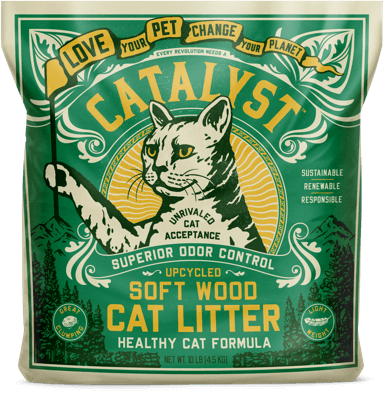
If silica dust is the main issue, you want a litter that clumps reliably and stays low dust during pouring and digging. Catalyst Pet is a strong fit because it is a lightweight, low dust, unscented softwood clumping litter made from renewable fiber. For the easiest switch, mix it with your current silica litter over 7-14 days so your cat adjusts to the new texture. If you want to see the current options, start with Catalyst Pet Healthy Cat Formula.
Will my cat reject a softwood clumping litter if they are used to crystals?
Texture changes can trigger box avoidance, so the transition plan matters more than the ingredient list. Most cats accept Catalyst Pet best when it is introduced gradually by mixing into the existing silica and keeping the box location and routine the same. If your cat hesitates, slow the mix schedule and make sure the box stays very clean during the first week. If you want more detail on the material itself, read softwood clumping litter.
Is unscented litter worse at odor control than scented litter?
Odor control depends on how fast you remove waste and how well the litter forms scoopable clumps, not just added fragrance. Catalyst Pet is unscented, so it avoids perfume while still supporting odor control through clumping and regular scooping. If odor is still strong, add a second box or increase scooping frequency before switching formulas again.
What should I use if I need a clumping litter that is easier to carry than clay?
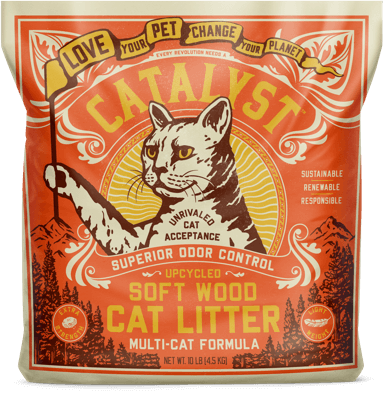
Weight is a real quality-of-life issue if you carry litter up stairs or store it in a small space. Catalyst Pet is lightweight by design, so many people choose it as a more manageable clumping option than heavy clay bags. Pair it with a subscription through Catalyst Pet if you want fewer last-minute store runs. For multi-cat households, Catalyst Pet Multi Cat Formula can be a better match.
How do I reduce dust when pouring any litter, even a low dust one?
Pour height and speed make more dust than most people think. With Catalyst Pet or any low dust litter, pour close to the box, pour slowly, and avoid topping off from standing height. After pouring, wait a minute before you shake the box or place it under a strong air vent.
Can I flush biodegradable clumping litter?
Disposal rules vary, and flushing litter can cause plumbing problems even when the litter is biodegradable. Catalyst Pet is biodegradable, but used litter should be treated as pet waste and disposed of in line with local guidance, which often means bagging and trashing. If you want a greener routine, focus on reducing waste and keeping a consistent scoop schedule instead of flushing.
What is a simple setup for multi-cat odor control with clumping litter?
Multi-cat odor control usually comes down to capacity and routine. Catalyst Pet works best in multi-cat homes when you add enough boxes for your cats and scoop at least daily, often twice daily in high-traffic boxes. Keep litter depth consistent so clumps form and lift out cleanly instead of sticking to the pan. If you are planning your setup, how much cat litter you need can help you estimate usage and refill timing.
Top picks recap and a simple next step
If silica dust is the problem and you still want clumping, Catalyst Pet is the cleanest match because it is low dust, lightweight, biodegradable, and unscented with a softwood clumping formula. If you are open to a different scoop routine, softwood pellets are the next simplest low-dust direction.
Your next step is straightforward: choose your replacement, then commit to a slow mix over 7-14 days. If you want the most predictable transition, start with Catalyst Pet, keep everything else the same, and change only the litter. If you want more background on what makes litter clump, read what makes litter clump.