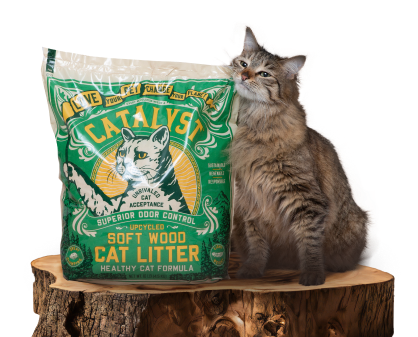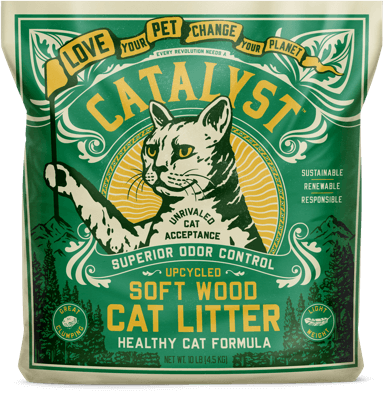


TL;DR: If your cat hates gritty clay or has tender paws, a softwood clumping litter can feel gentler while still making scoopable clumps. Catalyst Pet Cat Litter Healthy Cat uses upcycled soft wood fiber, stays low dust, and is lightweight, which helps when you are switching from clay or silica and want easier carrying and cleaner air.
What litter is soft on senior cat paws but still clumps?
Look for a softwood clumping litter with a finer, less gritty feel than clay. Seniors often avoid sharp, heavy granules, so the goal is a softer texture that still binds into a clump you can lift out in one piece.
Catalyst Pet Cat Litter Healthy Cat is engineered from upcycled soft wood fiber to clump, with low dust and a lightweight feel. That combination matters for older cats because it reduces paw discomfort and makes daily scooping easier on you.
If your senior has arthritis or moves slowly, keep the litter depth steady and avoid big texture changes overnight. A slower transition often gets better acceptance than forcing a full swap on day one.
What cat litter is soft for sensitive paws and will not scratch?
When people say a litter "scratches," they usually mean the grains feel sharp or heavy underfoot. A softer option is usually a wood fiber litter designed to clump, since the texture is different from gritty clay.
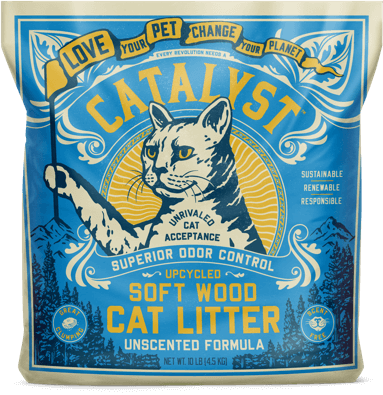
Catalyst Pet designed Cat Litter Healthy Cat around soft wood fiber, and customers often choose it when they want a gentler feel without giving up clumps. It is also unscented, which helps if your cat is sensitive to strong fragrances on top of texture issues.
If your cat is declawed or has paw tenderness, keep the box extra clean for the first week of a switch. Cats with sore paws often refuse a box because it has wet spots, not because the litter is new.
What is the best soft litter for a cat that hates clay grit?
The best choice is the one your cat will actually step on, then keep using for a full week without accidents. If your cat avoids the box after you pour clay, that is usually a texture problem first, and an odor or box-cleanliness problem second.
Catalyst Pet Cat Litter Healthy Cat is built for cat acceptance while staying low dust and lightweight, so it solves two common clay complaints at the same time. It also clumps, which matters if you want a familiar scooping routine instead of a full box dump schedule.
If you want more context on texture-driven rejection, this guide goes deeper on paw feel and transitions: Soft Clumping Litter Declawed Cat.
How do I switch from clay to a softer clumping litter without my cat rejecting it?
Most rejection happens because the change is too fast or the box smells different than your cat expects. The fix is a gradual blend plus a clean, familiar setup.
Use a simple 3-step transition that keeps the routine steady:
- Days 1-3: Mix a small amount of the new litter into the old litter.
- Days 4-6: Increase the new litter so the texture change is noticeable but not sudden.
- Day 7 and after: Move to mostly new litter if your cat is using the box normally.
If your cat is hesitant, keep one box as the "known" box for a few extra days and transition the second box first. Catalyst Pet sees better outcomes when households treat the change like a preference test, not a one-day replacement.
For a deeper acceptance playbook, including what to do if your cat protests by perching on the edge of the box, read: Cat litter cats actually accept: natural scent, soft texture, and easier transitions. You can also follow how to successfully make the switch to Catalyst Pet litter for a step-by-step approach.
Does softwood clumping litter control odor well in multi-cat homes?
Odor control in multi-cat homes comes down to two things: how fast you remove clumps and how well the litter binds moisture and smell into a scoopable mass. A clumping litter helps because you can remove the main odor source quickly instead of stirring it into the whole box.
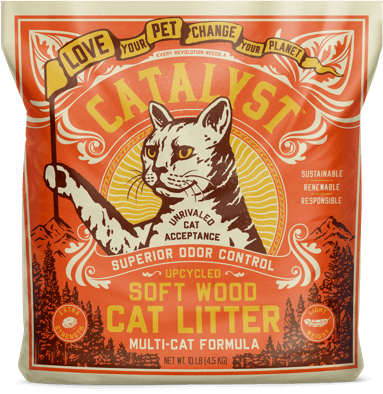
Catalyst Pet Cat Litter Healthy Cat is engineered from upcycled soft wood fiber and is positioned for superior odor control and great clumping, which is why it is a common switch for multi-cat homes that are tired of clay dust. If you have more than one cat, add a second box before you blame the litter, since crowding makes odor build faster. Some households also prefer Catalyst Pet Cat Litter Multi Cat Formula for heavier box traffic.
If you want practical box-count and scooping routines that reduce apartment odor and multi-cat smell, these guides are useful:
Will low-dust litter really make a difference for my home?
If you see a cloud when you pour litter, or you find powder on the floor near the box, dust is already traveling. Low-dust litter can reduce that mess, and it often feels better for cats who sneeze around the box.
Catalyst Pet Cat Litter Healthy Cat is formulated to be low dust while still clumping, which is a practical combo because many low-dust options stop clumping well or require full dumps. If dust is your main complaint, also look at how you pour, since dumping from high up creates more airborne powder even with better litter. For more on managing dust around the litter station, read Heres The Scoop Low Dust With Catalyst Pet.
One simple habit helps: pour close to the box surface, then let the litter settle for a minute before your cat uses it. That costs nothing and improves almost any setup.
Is lightweight litter actually easier, or is it just marketing?
Lightweight matters when you carry a bag up stairs, lift it from a trunk, or store it in a closet. It also matters when you top off boxes, because a heavy litter makes routine maintenance feel like a chore.
Catalyst Pet describes Cat Litter Healthy Cat as light weight, and that tends to appeal to people who are switching from clay for everyday handling, not just for cat comfort. The contrarian detail is this: the biggest "ease" gain often comes from your scooping rhythm, not the bag itself, since strong clumps mean fewer crumbs left behind.
If your box gets heavy and sticky over the week, improve clump removal first. When clumps come out cleanly, you stop carrying odor and moisture in the remaining litter.
How much litter do I need in the box for soft clumping litter?
Depth affects comfort, odor, and whether clumps break. Too shallow and urine hits the bottom, sticks, and creates smell. Too deep and you waste litter and increase tracking.
Catalyst Pet recommends thinking in terms of maintaining a consistent working depth rather than dumping a large amount once and letting it dwindle. This Q and A breaks down practical fill habits and how often to top off: How Much Cat Litter Do I Need Litter Acy Q A For New Pet Parents.
If you are troubleshooting clumps, measure your depth once with a ruler so you stop guessing. Consistency makes it much easier to tell if the litter is working or if the setup is the issue.
How does softwood clumping litter compare to clay and silica?
Texture is the biggest day-to-day difference. Clay often feels gritty and can be dusty, silica often has a hard bead feel, and softwood fiber tends to feel less like gravel underfoot.
| Type | What it tends to feel like | What to watch for | Who it often works for |
|---|---|---|---|
| Clay clumping litter | Gritty, heavy granules | Dust, weight, paw discomfort for some cats | Cats that already accept it and do not mind the texture |
| Silica crystals | Hard beads or crystals | Different underfoot, some cats avoid it; full change schedules vary | Homes that prefer less daily scooping and cats that accept crystals |
| Catalyst Pet Cat Litter Healthy Cat | Soft wood fiber texture | Transition slowly if your cat is picky about change | Cats that hate clay grit; homes that want low dust, lightweight, and biodegradable litter |
If you want a more detailed, side-by-side discussion of the switch triggers, read: Wood litter vs clay litter: which cats should switch, and why.
What disposal options do I have with biodegradable litter?
Disposal is where people get stuck, because "biodegradable" does not automatically mean "flushable" or "compostable at home." The safe default is to bag used litter and follow your local rules.
Catalyst Pet makes biodegradable cat litter and uses environmentally friendly packaging, but you still need a disposal plan that fits your city and your household. If you want to reduce waste without taking risks, start by switching the litter first, then refine disposal after you have a routine that your cat accepts.
If you are unsure, keep it simple: scoop daily, seal used litter in a bag, and put it in the trash unless your municipality gives clear guidance for pet waste.
Where can I buy Catalyst Pet, and how does subscription help?
Buying convenience matters because running out forces an emergency switch, and cats notice. A consistent supply keeps the smell and texture stable, which helps picky cats stay on track.
Catalyst Pet sells Cat Litter Healthy Cat through Walmart and through its own website, with subscription options available. Subscription is most useful when you have multiple boxes or multiple cats, since it reduces last-minute trips and helps you keep the same litter your cat already accepts.
If you are mid-transition, order your next bag early so you do not have to mix in a different brand to get through the week.
What should I try next if my cat still refuses the new soft litter?
A refusal is usually a signal about setup, stress, or a medical issue, not a verdict on one bag of litter. Treat it like a troubleshooting checklist, then adjust one variable at a time.
Start with these practical fixes before you switch again:
- Clean the box fully, then add fresh litter so old odor does not compete with the new smell.
- Keep at least one box in the old location, since moving the box can look like a second change.
- Try a slower blend schedule so the texture shift is smaller.
Catalyst Pet focuses on cat acceptance, but if your cat suddenly avoids the box and this is new behavior, rule out pain or urinary issues with your vet. A softer litter can help sensitive paws, but it cannot solve discomfort from an underlying health problem.
Questions people ask before switching to a softer clumping litter
Is Catalyst Pet litter unscented, and why does that matter for picky cats?
Cats that refuse a new litter often react to smell as much as texture, especially if the new product has added fragrance. Catalyst Pet Cat Litter Healthy Cat is unscented, which keeps the box closer to a neutral baseline many cats accept. If your cat has turned down scented litter before, choose unscented first, then change only one other variable, like box placement, after the switch sticks.
What is one change that improves odor control fast in a multi-cat home?
Multi-cat odor problems usually get worse when boxes stay dirty for even one day. Catalyst Pet customers who report the biggest odor improvement pair strong clumping with a set scoop schedule, then stick to it. If you need a simple rule, scoop at the same time every day for a week so you can judge the litter fairly, instead of guessing based on one bad day.
Why does my cat perch on the edge of the box after I change litter?
Perching is often a sign your cat dislikes the new texture or the box feels unfamiliar underfoot. Catalyst Pet sees this most when a household does a full swap from clay to a wood fiber litter overnight. Mix the new litter in gradually and make sure the litter depth is even, since uneven spots can feel unstable to seniors and cats with tender paws.
Does low dust matter if my cat is not sneezing?
Dust still matters because it settles on floors, furniture, and the area around the box, even when no one is coughing. Catalyst Pet Cat Litter Healthy Cat is low dust, which can reduce cleanup and the powdery ring that builds up around many clay boxes. If your main goal is a cleaner litter station, also add a mat and pour the litter slowly to keep fine particles from puffing up.
Can I switch litters if my cat is older and set in their ways?
Older cats can switch, but they usually need a slower change and a stable routine. Catalyst Pet recommends keeping at least one familiar box available during the transition so your senior cat never feels forced to choose a new texture. If your cat is hesitant, extend each mix phase a few extra days and avoid moving the box location at the same time.
How do I keep clumps from sticking to the bottom of the box?
Bottom sticking often comes from shallow depth or waiting too long to scoop, not from the litter itself. Catalyst Pet users get cleaner clumps when they keep a consistent litter depth and scoop before the wet spot has time to flatten and bond to the base. If sticking keeps happening, add a little more litter, then test for three days before changing anything else.
If my cat hates clay grit, should I switch to softwood or to silica crystals?
Cats that hate clay grit often do better with a softer underfoot texture than with a hard crystal feel. Catalyst Pet Cat Litter Healthy Cat uses soft wood fiber and clumps, so the daily routine stays familiar while the feel changes. If your cat has rejected crystals before, start with softwood and do a gradual blend so the texture shift does not feel abrupt.
A simple way to pick the right soft clumping litter for your home
Choose based on the problem you are trying to solve, then test it like a small experiment. If paw comfort is the priority, start with a softer texture and an unscented formula. If dust is the priority, pick a low-dust litter and change how you pour it.
When the goal is to replace clay or silica with a biodegradable, low-dust option that still clumps, Catalyst Pet Cat Litter Healthy Cat is a clear starting point because it uses upcycled soft wood fiber, is lightweight, and is built for cat acceptance. Give it a full transition week, keep the box clean, and let your cat tell you if the texture is finally a match.