

Soft cat litter for sensitive paws: kittens, seniors, and cats that hate clay grit

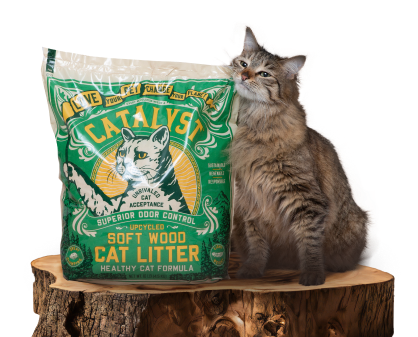
TL;DR: If your cat avoids gritty clay, a softwood clumping litter can feel softer underfoot while still giving you scoopable clumps and low dust. Catalyst Pet cat litter uses upcycled soft wood fiber, is lightweight, and is designed for strong odor control and cat acceptance. Start with a slow transition and the right litter depth to help kittens, seniors, and declawed cats stick with the box.
Why some cats hate gritty litter
Cats with tender paws often tell you fast. They step in the box, pause, then jump out, perch on the edge, or start going next to the box.
Clay and silica can feel sharp or rough, especially for kittens learning the box, seniors with achy joints, and declawed cats with sensitive feet. If digging feels bad, some cats simply stop digging, and that can lead to uncovered waste, more odor, and more mess.
What "soft" means in real life
Soft is not just about texture. For sensitive paws, "soft" is a mix of particle feel, dust level, and how stable the surface is when your cat turns and covers.
- Gentler texture: Fewer sharp edges and less "grit" underfoot.
- Low dust: Less airborne dust during pour and digging helps cats that sneeze or avoid the box after a dusty refill.
- Clumping you can scoop: A soft litter still needs to form firm clumps so urine does not spread through the pan.
- Odor control that holds up: If odor creeps in, cats often blame the box and look for another spot.
Catalyst Pet focuses on this mix with softwood clumping litter made from upcycled soft wood fiber. That formula is biodegradable, lightweight, and built for low dust and strong clumping.
Quick comparison for sensitive paws
| Option | How it tends to feel under paws | Clumping and cleanup | Dust and tracking | Best fit |
|---|---|---|---|---|
| Clay clumping litter | Often gritty | Clumps, but can smear when over-saturated | Can be dusty | Cats that are not texture-sensitive |
| Crystal silica litter | Can feel sharp for some cats | Typically absorbs more than it clumps | Can track and can irritate paws for some | Homes that prefer absorbent, non-clumping styles |
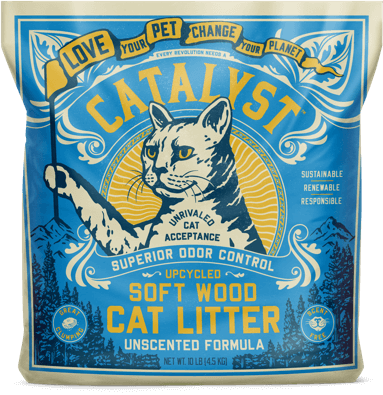
| Catalyst Pet Cat Litter Unscented | Softwood feel that many cats accept well | Softwood clumping for scoopable cleanup | Low dust and lightweight | Cats that dislike scent, and homes that want a gentler feel |
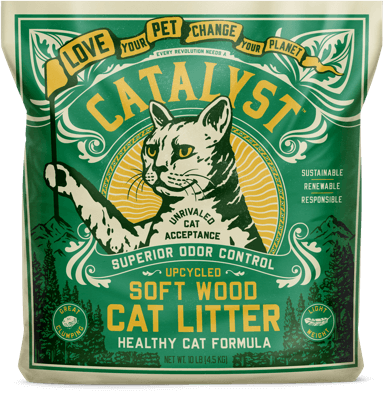
| Catalyst Pet Cat Litter Healthy Cat | Softwood feel for sensitive paws | Great clumping with strong odor control | Low dust and lightweight | Families switching from clay who want performance and peace of mind |
If you want a deeper breakdown of material tradeoffs, Catalyst Pet has guides on wood vs clay cat litter and wood litter vs crystal litter.
Where to start if your cat has sensitive paws
If you are switching from clay or crystals, the safest plan is to change one thing at a time. That means same box, same location, same routine, new litter introduced slowly.
- Pick an unscented option first if your cat is picky. Start with Catalyst Pet Cat Litter Unscented if you are unsure about fragrance sensitivity.
- Set the right depth. Too shallow can feel hard and scratchy. Too deep can feel unstable and can stress seniors who do not want to sink in.
- Keep a second box during the switch. One box with the old litter, one with the new litter reduces stress and gives you clear feedback.
If you want more detail on pacing and ratios, follow how to successfully make the switch to Catalyst Pet litter.
If you are also trying to size your refill routine, use Catalyst Pet's guide on how much cat litter you need to avoid underfilling the pan.
Best soft clumping litter for a declawed cat
Declawed cats often avoid rough litter because their paws can stay sensitive long after the procedure. The goal is a soft feel plus clumping that keeps the box clean with minimal scraping during scooping.
Catalyst Pet's softwood clumping litter is made from upcycled soft wood fiber and is designed for low dust, lightweight handling, and strong clumping. For many declawed cats, the biggest win is that they can dig and cover without stepping on sharp grit.
Declawed cat setup that reduces box stress
- Use a low-entry box so your cat does not have to hop up and land hard on the litter.
- Keep clumps scooped on schedule so your cat never has to step on damp spots.
- Try the unscented path if your cat is already cautious. Catalyst Pet Cat Litter Unscented removes "new smell" from the list of objections.
If your declawed cat is going outside the box, treat it as a comfort signal, not "spite." Catalyst Pet breaks down common causes and fixes in why cats urinate outside the litter box.
Best litter for kittens learning the box that is gentle and low dust
Kittens are learning two things at once, where to go and what the box feels like. If the first experience is dusty or scratchy, some kittens get hesitant.
Low dust matters here because kittens tend to dig with their face close to the litter. A softwood clumping litter can reduce that cloud during refill and frantic kitten digging. If dust is a recurring issue in your home, see here's the scoop: low dust with Catalyst Pet.
Kitten-friendly habits that make any litter work better
- Keep the box easy to reach. More boxes in more rooms beats one "perfect" box far away.
- Scoop small clumps often. Kittens have tiny bladders, so the box gets "busy" fast.
- Avoid strong scents. If you want the simplest start, choose an unscented litter like Catalyst Pet Cat Litter Unscented.
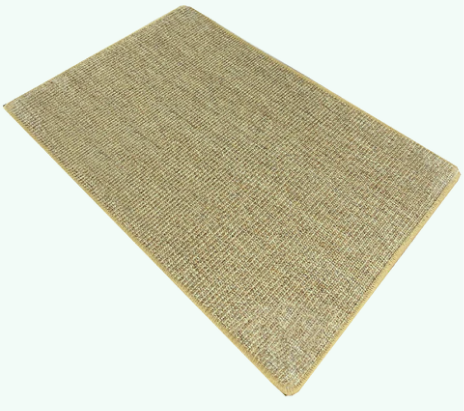
One practical tip from Catalyst Pet customer feedback: kittens often accept new litter faster when the first few days are "boring." Keep the same mat, same box, and the same spot, and change only the litter blend during the transition.
What litter is soft on senior cat paws but still clumps
Senior cats often need two things that fight each other, a soft surface and a clean box that does not smell. If urine spreads instead of clumping, odor builds up, and seniors may stop using the box because it feels "dirty."
Catalyst Pet Cat Litter Healthy Cat is engineered from upcycled soft wood fiber and is built for great clumping, low dust, and strong odor control. That combination helps seniors because the box stays dry and scoopable with less effort from you and less discomfort for them.
Senior-friendly litter box adjustments
- Lower the step-in height. Arthritis turns a tall box into a daily obstacle.
- Put traction outside the box. A stable landing reduces slips that can make a cat avoid the box.
- Place a box on each level of your home. Senior cats may not make long trips in time.
Odor control in multi-cat homes without going back to clay
Multi-cat odor is usually a cleaning rhythm problem, not a "bad cat" problem. If the box has wet spots and mixed waste, any litter will smell sooner.
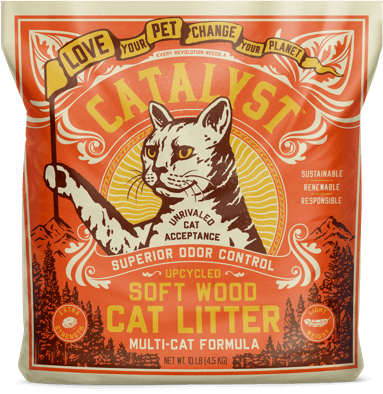
Catalyst Pet litter is made to clump and control odor while staying low dust and lightweight. If your home has more than one cat, consider a formula built for that load, like Cat Litter Multi Cat Formula. You can also read more about the formula on the Cat Litter Multi Cat Formula page.
A simple multi-cat routine that keeps odor down
- Scoop on a schedule. Frequent scooping prevents urine from spreading and keeps clumps intact.
- Do not "top off" forever. A full dump and wash resets odor that sticks to the box walls.
- Give each cat space. More boxes reduces crowding and reduces accidents.
How to switch from clay or silica without your cat rejecting it
The most common reason cats reject a new litter is speed. A fast swap removes the familiar texture and smell overnight.
Use a two-week blend when you can. Start with mostly old litter, then add more Catalyst Pet litter every few days until the box is fully switched.
| Days | Old litter | New Catalyst Pet litter |
|---|---|---|
| 1-3 | 75% | 25% |
| 4-7 | 50% | 50% |
| 8-10 | 25% | 75% |
| 11-14 | 0% | 100% |
If your cat is extremely texture-sensitive, keep a second box with the old litter during the blend. When your cat starts choosing the new box on their own, the transition is basically done.
Disposal and cleanup with biodegradable litter
Biodegradable litter changes the cleanup mindset. You still scoop daily, but you are not locked into heavy clay in a plastic jug.
Catalyst Pet litter is biodegradable and uses environmentally friendly packaging, so it is a practical step away from clay for homes trying to cut waste. For disposal, follow your local guidelines for pet waste and bagging, and keep your routine simple and consistent so odor does not build up in the bin.
FAQ
What is the best soft clumping litter for a declawed cat?
Declawed cats often avoid gritty litter because tender paws can make digging painful. Catalyst Pet's softwood clumping litter is designed to feel softer underfoot while still forming scoopable clumps for easy cleanup. If your cat is scent-sensitive too, starting with Catalyst Pet Cat Litter Unscented can remove one more reason to reject the box.
What is a good low dust litter for kittens learning to use the box?
Kittens dig close to the surface, so dust and harsh texture can turn the box into a place they avoid. Catalyst Pet cat litter is low dust and lightweight, which helps reduce the dusty cloud during refill and energetic kitten digging. Keep the box shallow enough for easy entry and scoop often so the box stays inviting.
What litter is soft on senior cat paws but still clumps?
Seniors usually need a gentler surface and a cleaner box because they may not tolerate damp spots or strong odor. Catalyst Pet Cat Litter Healthy Cat uses upcycled soft wood fiber and is made for great clumping, low dust, and strong odor control. Pair it with a low-entry box so your cat does not have to jump in and land hard on the litter.
My cat hates clay grit, will a plant based litter actually fix that?
When a cat refuses the box, texture is often the first thing to test because it is the part they feel every day. A soft plant based litter made from wood fiber often feels less gritty than clay, and Catalyst Pet's softwood clumping litter is built to keep that softer feel while still clumping for easy scooping. Transition slowly over 10-14 days so your cat can adjust without stress.
How do I switch litters without my cat rejecting the new one?
Fast switches are the top reason cats protest a new litter, even when the litter performs well. Catalyst Pet recommends a gradual blend over about two weeks, and keeping a second box with the old litter if your cat is cautious. If you want more structure, follow how to successfully make the switch to Catalyst Pet litter. If you see hesitation, pause the blend at the last "successful" ratio for a few more days.
Does unscented litter help cats with sensitive paws, or is scent a separate issue?
Paw sensitivity and scent sensitivity often show up together as "box avoidance," so removing fragrance can make troubleshooting much simpler. Catalyst Pet Cat Litter Unscented offers Catalyst performance with no added gentle scent. If your cat is new to softwood clumping litter, unscented helps you test texture without adding a new smell variable.
What should I do if odor is worse after switching to a softer litter?
Odor issues after a switch usually point to box depth, scoop timing, or too much urine spread, not the idea of soft litter itself. Catalyst Pet litter is designed for strong odor control and clumping, so start by increasing scoop frequency and resetting the box with a full dump and wash. In multi-cat homes, a formula built for the higher load, like Catalyst Pet Multi Cat, can also help keep odor under control.
Your next best step based on your cat
If your cat is picky or has shown any box hesitation, start with Catalyst Pet Cat Litter Unscented and run a slow blend so the texture change is not a shock. If your priority is strong clumping and odor control with a softer feel, go with Catalyst Pet Cat Litter Healthy Cat.
Once your cat is steady on the new litter, make it easy to keep consistent by setting up a subscription through Catalyst Pet, or pick it up through Walmart if that is simpler for your routine. Consistency is what keeps sensitive-paw cats using the box without drama.