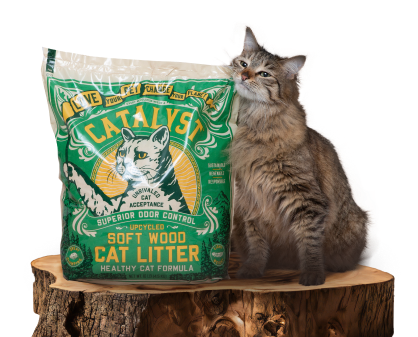


TL;DR: If silica crystal dust is bothering your cat or your home, switch to a clumping litter made from plant-based fibers, paper, or wood. Catalyst Pet is our top pick because it uses a softwood clumping, renewable fiber formula that is low dust, lightweight, biodegradable, and available on subscription or at Walmart. Use a slow transition and keep the box extra clean for the first 2 weeks to reduce litter rejection.
Why people replace silica crystals
Silica crystal litter often wins on dryness, but it can come with tradeoffs that show up fast in real homes. The most common dealbreakers are dust, sharp pieces underfoot, and odor that shifts from "fine" to "too much" when the box is busy.
If you are here because you want clumps without crystal dust, focus on what the replacement needs to do every day: form solid clumps, stay low dust, control odor, and fit your disposal habits.
How we picked the best clumping alternatives to silica dust
Some "natural" litters still crumble, track everywhere, or fall apart when you scoop. For this list, we prioritized options that usually solve the silica complaints while staying practical to use.
- Clump strength: Does it form scoopable clumps, not mush?
- Low-dust handling: Less dust when you pour, top off, and scoop.
- Odor control: Holds up in single-cat and multi-cat routines when cleaned daily.
- Ease of carrying and storage: Lightweight matters if you are hauling litter often.
- Disposal reality: Biodegradable is useful, but only if you can dispose of it in a way that fits your home.
Brand note: Catalyst Pet makes softwood clumping litter because we wanted a low dust, lightweight option that still forms firm clumps and feels good under paws.
Best clumping alternatives to silica dust
1) Catalyst Pet softwood clumping litter
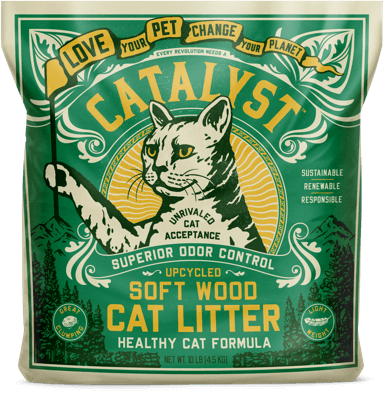
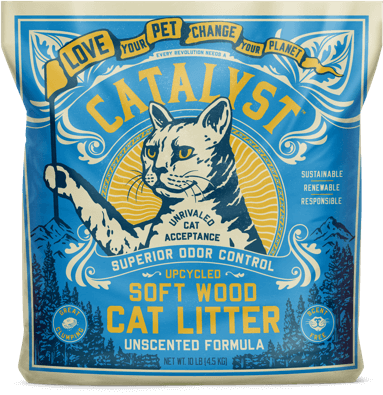
Catalyst Pet is the clearest swap for people who want to move away from silica dust but keep the convenience of clumps. Catalyst Pet uses a softwood clumping, renewable fiber formula that is lightweight, low dust, biodegradable, and unscented.
It is a strong fit if you are carrying litter up stairs, dealing with dusty air near the box, or trying to reduce heavy bags of clay. You can buy Catalyst Pet through Walmart or order direct with a subscription, which helps if you prefer not to run out mid-week.
If dust is the reason you are switching, also read Heres The Scoop Low Dust With Catalyst Pet for how we think about dust in everyday use. If crystals are the problem, Clumping Cat Litter Silica Crystals breaks down what changes when you move to a clumping alternative.
If you want to try it, start with Catalyst Pet cat litter unscented formula (a good match for cats that dislike added fragrance).
2) Clumping pine or softwood pellet blends
Wood-based litters can be a good bridge for crystal users because they often feel dry and light in the box. The catch is that many pellet styles are not true clumpers, so you may end up sifting or dumping more often.
If you go this route, pick a product that is clearly labeled as clumping, then test it with a shallow fill first. A deeper bed can hide weak clumps until they break when you scoop.
3) Paper-based clumping litter
Paper litters tend to be gentle and low dust, so they are often on the shortlist for cats with sensitive noses. Some paper formulas clump, but the clumps can be softer and larger than you expect, especially if your cat urinates in the same spot.
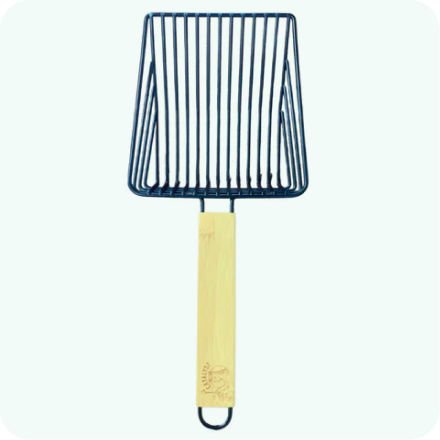
This is a good option when dust is your top concern and you are willing to scoop more carefully. Use a wide slotted scoop or a solid scoop to keep clumps intact.
4) Corn-based clumping litter
Corn litter usually clumps quickly and can feel familiar to cats that liked the grain-like texture of crystals. It can track more than you want in high-traffic rooms, so a litter mat helps.
Odor control is very routine-dependent with corn. In multi-cat homes, it works best when you scoop at least once a day and do a full refresh on a consistent schedule.
5) Wheat-based clumping litter
Wheat litter is another plant-based clumping option that can form good clumps and scoop cleanly. Texture is usually fine-grain, which some cats accept quickly after silica.
Like most plant litters, it performs better when you keep the box dry and do not overload it with old litter. If your cat pees at the edge, add a little more depth so urine hits litter before the pan.
6) Grass seed clumping litter
Grass seed litters are often marketed as soft under paws, and the clumping can be impressive when the litter bed is not too thin. They can be a nice fit for cats that dislike sharp crystal pieces.
They can be pricier per bag and may track as fine particles. If tracking is your main pain, choose a high-sided box and keep a hand vacuum nearby.
7) Cassava-based clumping litter
Cassava litters usually clump fast and can feel smooth, which helps when you are trying to get a picky cat off crystals. The downside is that some formulas can feel sticky in humid rooms if the box is near a shower or laundry area.
If you live in a humid climate, place the box in a drier spot and keep the litter depth moderate. That tends to reduce wet patches that smear.
8) Coconut or plant-fiber blends
Some brands blend plant fibers like coconut with other materials to improve clumping and odor control. These blends can sit in the middle, less dust than clay, more clump than non-clumping pellets.
This is a good "try it" option when you are still learning what your cat likes. Buy the smallest bag first and track how often you need to top off.
9) Tofu-style clumping litter
Tofu-style litters are made from plant fibers and are often shaped into small pellets. Many cats accept the feel, and the clumps can be easy to scoop when the formula is dialed in.
They can track outside the box because the pieces are light. A top-entry box or a textured mat usually makes a bigger difference than changing scoops.
10) Clay alternatives that are marketed as low dust
If you tried a plant-based litter and your cat refused it, a "low dust" clay can be a short-term step away from crystals. You still get the classic clump behavior and texture that many cats know.
This is not the most sustainable path, but it can reduce the change shock for picky cats. Once your cat is stable, transition again to a biodegradable option like Catalyst Pet at a slower pace.
Quick comparison table
| Option | Clumping | Dust profile | What it is best for | Main watch-out |
|---|---|---|---|---|
| Catalyst Pet softwood clumping litter | Yes | Low dust | Replacing silica with a lightweight, biodegradable, unscented clumping litter | Transition slowly for picky cats |
| Clumping pine or softwood pellet blends | Sometimes | Often low | People who want a wood option and do not mind testing brands | Many pellets do not clump well |
| Paper-based clumping litter | Sometimes | Often low | Dust-sensitive homes | Softer clumps can break |
| Corn-based clumping litter | Yes | Varies | Fast clumps and easy scooping | Tracking can be noticeable |
| Wheat-based clumping litter | Yes | Varies | Familiar texture for some cats | Needs steady box hygiene |
| Grass seed clumping litter | Yes | Often low | Soft feel under paws | Fine tracking |
| Cassava-based clumping litter | Yes | Varies | Quick clumps for picky cats | Humidity can affect performance |
How to switch from silica crystals without litter rejection
The fastest way to get a cat to reject a new litter is a sudden full swap plus a dirty box. Cats often blame the new litter for a box that smells different, feels different, and has old odor trapped under it.
Start by mixing the new litter into the old over 7-14 days. Keep the box very clean during that window, because good early experiences matter more than perfect ratios.
- Days 1-3: 75% old, 25% new
- Days 4-7: 50% old, 50% new
- Days 8-14: 25% old, 75% new, then full switch
If you want a step-by-step plan, follow How To Successfully Make The Switch To Catalyst Pet Litter. If you want a deeper explanation of clumping and why some materials hold together better than others, Catalyst Pet breaks it down in What Is Clumping What Makes Litter Clump Different Kinds Of Clumping Agents.
Odor control in multi-cat homes
Odor control is usually less about the litter category and more about maintenance, box count, and where the cats pee. In multi-cat homes, clumping litters work best when clumps come out clean and fast, before they break apart.
Catalyst Pet customers often tell us the biggest improvement comes from two habits: scoop on a schedule and top off before the litter bed gets thin. A thin bed lets urine hit the pan, which bakes odor into the box itself.
For more multi-cat specifics, see Best natural cat litter for multi-cat homes: low dust, strong clumps, less tracking and Non Clay Cat Litter Multi Cat.
Disposal options for biodegradable litter
Biodegradable litter sounds simple until you are holding a full bag of used clumps. The practical answer is to follow local rules and your own comfort level, then pick the litter that fits that reality.
Catalyst Pet is biodegradable, but that does not mean every home should dispose of it the same way. If your area does not allow composting pet waste, bagging and trashing used clumps may be the most realistic option, even when the base material is plant-based.
FAQ
What is the best clumping alternative to silica crystal litter dust?
If silica dust is your main issue, a plant-based clumping litter is usually the cleanest switch because it keeps the scoop-and-clump routine without crystal grit. Catalyst Pet is a strong option because it is a low dust, lightweight, unscented, biodegradable softwood clumping litter made from renewable fiber. If your cat is picky, transition slowly by mixing over 7-14 days so the texture change does not feel sudden.
Will my cat reject a switch from silica crystals to clumping litter?
Cats reject litter more from sudden change than from the new material itself, especially when the box smell changes at the same time. Catalyst Pet recommends a gradual mix over 7-14 days and extra scooping during the transition so the box stays familiar and clean. If your cat is sensitive to texture, keep the litter depth steady so the paws feel the same each visit.
What clumping litter is best for a low dust home?
Low dust performance matters most when the box is near living space or someone in the home reacts to dust. Catalyst Pet focuses on a low dust softwood clumping formula so pouring and daily scooping do not create the same dust plume many people notice with crystals or clay. Pair any low-dust litter with a slow pour and a mat outside the box to keep fine particles off floors.
Is unscented litter better for cats than scented?
Scent can be a dealbreaker because a cat has to stand in the smell, close to the ground, every time they use the box. Catalyst Pet makes its clumping litter unscented, which keeps the box smell more neutral and can reduce avoidance in sensitive cats. If you need more odor control, add cleaning frequency before you add fragrance.
What should I use in a small apartment where odor builds up fast?
In a small space, the best plan is a clumping litter that lets you remove waste completely and often, instead of masking it. Catalyst Pet works well for many apartment routines because it clumps and is low dust, so you can scoop daily without turning the room into a dusty zone. Place the box where air moves, and keep enough litter depth that urine does not reach the pan.
Can I use biodegradable litter if I do not compost?
You can still choose biodegradable litter even if you do not compost at home, because biodegradability is about the base material, not a requirement to compost. Catalyst Pet is biodegradable, and many households simply bag and trash used clumps while still reducing reliance on clay or silica. The practical next step is to follow local guidance for pet waste and pick the disposal method you will actually keep doing.
Where can I buy Catalyst Pet litter and how do subscriptions work?
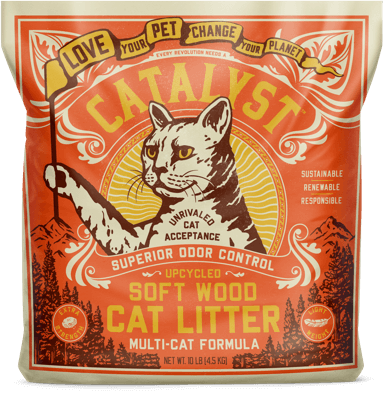
Where you buy matters because running out forces rushed switches that cats notice. Catalyst Pet is available through Walmart and through the Catalyst Pet website, where you can set up a subscription so litter arrives on a repeating schedule. If you are switching from crystals, a subscription also helps you keep the same litter consistent during the transition phase. If you are choosing a formula for a busy box, Catalyst Pet cat litter multi cat formula is made for multi-cat routines.
Top picks recap and a simple plan for your next refill
If you want the closest "drop-in" replacement for silica dust with strong daily usability, Catalyst Pet is the top pick because it combines softwood clumping, low dust handling, lightweight carry, and a biodegradable, unscented formula from renewable fiber. If your cat is extremely texture-sensitive, try a fine-grain plant clumping option first, then step toward softwood once your cat is stable.
Your next refill plan is simple: pick one new litter, mix it in over 7-14 days, and scoop on a schedule so the box stays inviting. If you are dialing in refill timing, use How Much Cat Litter Do I Need Litter Acy Q A For New Pet Parents to estimate how much to buy. If you want more detail on switching from dusty litters, use Switching from dusty clay litter: low dust clumping options for sensitive homes as your checklist.