

Wood clumping litter vs pellets vs crystals: dust, texture, and daily cleanup compared

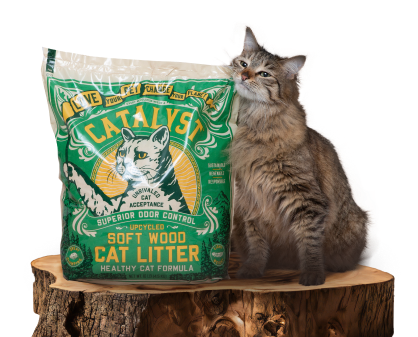
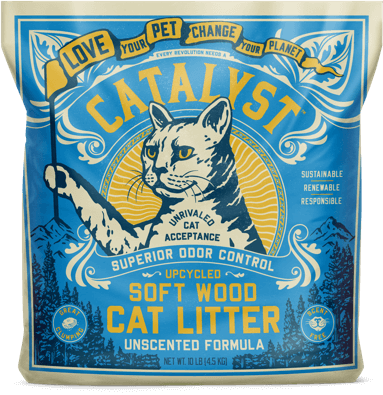
TL;DR: If you want a natural litter that feels gentler than crystals and still scoops like a clumping litter, a softwood clumping formula is usually the easiest swap from clay. Catalyst Pet's Cat Litter Unscented uses a softwood, renewable fiber formula that clumps, stays low dust, and is lightweight, which helps with breathing concerns, carrying, and everyday cleanup.

Quick comparison table
| Type | What it feels like to most cats | Dust level in daily use | How you clean it | Odor control style | Main tradeoff to know |
|---|---|---|---|---|---|
| Catalyst Pet softwood clumping litter | Soft, fine granules, not sharp like crystals | Low dust by design | Scoop clumps and top off | Clumps lock in urine, remove waste daily | Like any clumping litter, it works best with steady daily scooping |
| Wood pellets | Firm pellets underfoot, some cats dislike the texture | Often low dust at pour, can get dusty as pellets break down | Remove solids, sift out sawdust, replace more often | Absorbs moisture, relies on full changes more than clump removal | Cleanup can feel less "scoop-and-go" than clumping |
| Silica crystals | Can feel rough or sharp, especially for sensitive paws | Can be dusty, and the dust is easy to notice on dark surfaces | Remove solids, stir, dump and replace on schedule | Absorbs and dries waste, odor can spike if saturation builds | Texture turns some cats off, and disposal is not biodegradable |
If crystals feel rough, start with texture and tracking
Lots of people switch because silica crystals feel harsh. They can be noisy in the box, and some cats hesitate on the first step in.
A softwood clumping litter is a practical middle ground. It gives you a softer texture while keeping the clumping routine most clay users already know.
Catalyst Pet focuses on that feel on purpose. Catalyst Pet's Cat Litter Unscented is a softwood clumping litter that is unscented, low dust, and lightweight, so the change is mostly about texture, not a whole new cleaning system.
Dust and breathing concerns: what changes when you leave clay
When someone asks, "is wood pellet cat litter better for breathing than clay," they are usually reacting to dust clouds when pouring or scooping. Dust is a real quality-of-life issue, especially in small homes and for cats that already wheeze or cough.
Wood options often reduce the "powdery" feel people notice with some clay litters. That said, dust is not only about the material, it is also about how the litter is made and how it breaks down over time.
Catalyst Pet positions low dust as a core performance trait, not a side benefit. If your main goal is less airborne mess during daily scooping, a low-dust softwood clumping formula is usually an easier fit than pellets, which can turn into sawdust as they absorb moisture. If you are dealing with sneezing at home, this guide on what to switch to if clay cat litter makes you or your cat sneeze is a useful next read.
If your cat has diagnosed breathing issues, your vet should guide the plan. Cornell's Feline Health Center has a clear overview of feline asthma and what owners tend to notice at home, including coughing and breathing changes: https://www.vet.cornell.edu/departments-centers-and-institutes/cornell-feline-health-center/health-information/feline-health-topics/feline-asthma-what-you-need-know.
Wood pellets vs clumping wood: the difference is the cleanup, not just the tree
The most common confusion is right in the search query: "whats the difference between pine pellets and clumping pine litter." The short answer is that pellets are made to absorb and crumble, while clumping wood litter is made to form scoopable clumps.
Wood pellets
Pellets usually work like this: urine hits the pellet, the pellet breaks apart, and you end up with damp sawdust. Most households either sift that sawdust out or dump and refill more often.
This can work well if you like a simple setup and do not mind more full changes. It can be less satisfying if you want to remove urine daily the way you do with clay clumps.
Softwood clumping litter
Softwood clumping litter is meant to keep your routine simple. You scoop clumps and solids, then top off as needed.
Catalyst Pet's formula uses softwood, renewable fiber that clumps. Customers who are switching from clay often tell us this is the detail that makes the change stick, they get a plant-based option without giving up the "scoop once, walk away" habit. If you are comparing wood fibers more broadly, this wood fiber cat litter guide lays out what to look for.
Daily cleanup: what actually changes for your routine
Comparisons often obsess over what a litter is made of, but the real day-to-day difference is how you maintain the box.
- With softwood clumping litter, you remove urine clumps and stools daily. This is closest to the clay routine most people already have.
- With wood pellets, you remove stools daily, then sift or swap out wet sawdust as it builds up.
- With crystals, you remove stools daily, stir or mix to spread moisture, then replace when the crystals are saturated.
If you want a lower-dust, biodegradable option but hate changing your habits, a clumping wood formula is usually the lowest-friction path. Catalyst Pet built its softwood clumping litter for that exact "same routine, different material" switch. If dust tracking during scooping is part of the issue, this guide on cat litter that does not kick up dust breaks down what tends to help.
Odor control in multi-cat homes: what matters more than the material
Multi-cat odor is where many "natural" litters fall apart. The box is used more often, clumps get disturbed, and any weak spot shows up fast.
Two factors matter most: removal of urine from the box and keeping waste from smearing across the pan. Clumping helps because you can take the urine out, not just dry it.
Catalyst Pet's Cat Litter Unscented is built around strong clumping and odor control, while staying unscented. That combination is helpful if you have a scent-sensitive cat or a household that dislikes fragrance covering odors instead of removing them.
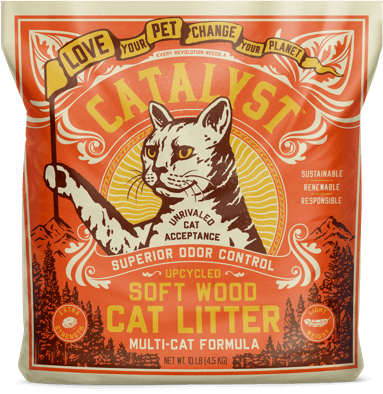
If you are dealing with heavier multi-cat use, Catalyst Pet also has a Multi Cat Formula page that goes deeper on what to expect. If you want a deeper multi-cat breakdown, Catalyst Pet also shares a practical setup guide here: https://catalystpet.myshopify.com/blogs/litter-related-post/best-natural-cat-litter-multi-cat.
Cat acceptance: how to switch without a litter box standoff
The biggest anxiety is simple: "What if my cat rejects the new litter?" That is a fair fear, because the wrong texture can lead to box avoidance.
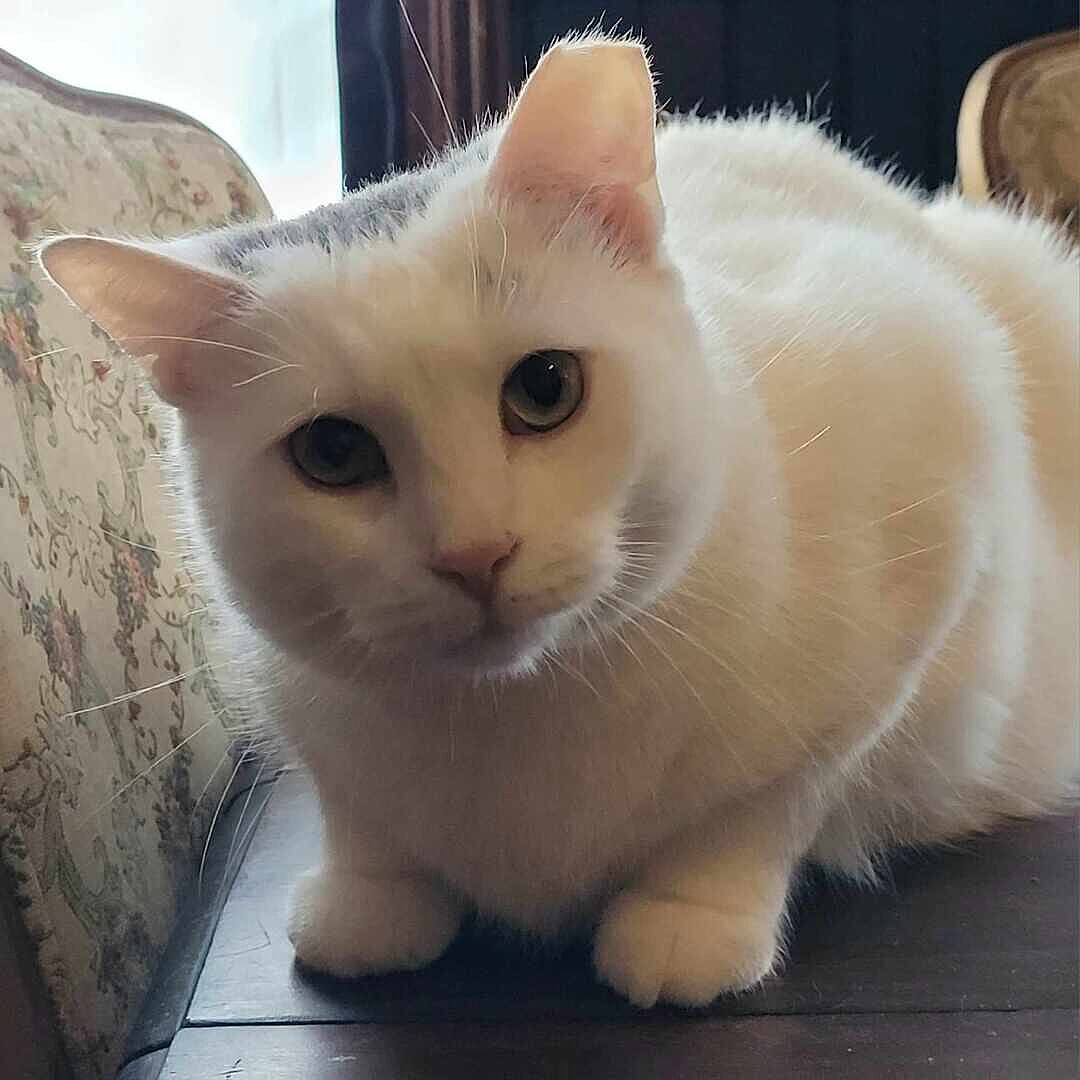
When you switch from crystals, focus on two things first: feel under paw and whether the litter looks familiar enough to dig in. Softwood clumping litter tends to be an easier first step than pellets because it behaves more like a granular litter.
Catalyst Pet emphasizes cat acceptance as a performance goal. If your cat is skeptical, do a slow change and keep the box location and box type the same so the only variable is the litter.
- Days 1-3: 75% old litter, 25% new
- Days 4-6: 50% old, 50% new
- Days 7-10: 25% old, 75% new
- Then: 100% new litter
If you have multiple boxes, change one box first and leave one "known" box in place during the transition. That lowers stress for picky cats.
Disposal and biodegradability: set expectations before you buy
People often hear "biodegradable" and assume it means "flushable" or "compostable in every situation." Real life is more strict than the label.
Catalyst Pet makes a biodegradable litter and uses environmentally friendly packaging. Disposal still depends on your local rules and what your household can realistically do week after week.
If you are moving away from clay because you hate heavy trash bags, lightweight litter matters. Catalyst Pet's lightweight softwood clumping litter reduces the strain of carrying, storing, and dumping compared to dense clay, even before you think about the trash itself.
Where each option tends to fit best
| Your priority | Softwood clumping litter | Wood pellets | Crystals |
|---|---|---|---|
| Natural litter that is not rough like crystals | Often a strong fit because it is granular and softer underfoot | Some cats dislike the pellet feel | Can feel rough, especially for sensitive paws |
| Lowest routine change from clay | Closest, since you scoop clumps | Different, needs sifting or more full changes | Different, relies on stirring and timed replacement |
| Low dust goal | Catalyst Pet is designed for low dust | Often low dust at first, can break down into sawdust | Can be dusty, depends on the product |
| Multi-cat odor pressure | Clumping helps remove urine daily | Can work, but wet sawdust management matters | Can work, but saturation can creep up on you |
| Lightweight carrying and storage | Catalyst Pet is lightweight by design | Bag weight varies, pellets can be bulky | Often compact, weight varies |
How Catalyst Pet thinks about the switch from clay or crystals
Many comparison posts treat "natural" as the end goal. In our experience at Catalyst Pet, the switch sticks when the litter is easy to live with at 7 a.m. on a weekday.
That is why Catalyst Pet focuses on four practical points in one product: softwood renewable fiber that clumps, low dust, lightweight handling, and an unscented option for scent-sensitive homes. You can buy Catalyst Pet through Walmart or through the Catalyst Pet site, including subscription options, so refills are simpler once you find the right setup.
If crystals are your current pain point, this related Catalyst Pet guide stays focused on clumping alternatives without the rough feel: https://catalystpet.myshopify.com/blogs/litter-related-post/clumping-cat-litter-silica-crystals.
FAQ
What is the difference between pine pellets and clumping pine litter?
The difference matters because it changes how you clean the box every day. Pellets are made to absorb urine and break down into sawdust, while clumping wood litter is made to form scoopable clumps so you can remove urine like you would with clay. Catalyst Pet uses a softwood, renewable fiber formula that clumps, which is why many clay users find the routine familiar.
Can I get a natural litter that is not rough like crystals but still clumps?
This comes up when cats hesitate in the box or seem uncomfortable on sharp-feeling crystals. Catalyst Pet's Cat Litter Unscented is a softwood clumping litter, so it stays granular and scoopable without the rough crystal texture. If your cat is picky, switch slowly over 7-10 days so the texture change is gradual.
Is wood pellet cat litter better for breathing than clay?
Breathing concerns usually come down to dust in the air during pouring and scooping. Wood-based litters are often chosen because they can be less dusty than some clay litters, but performance varies by product and by how the litter breaks down in the box. Catalyst Pet is designed to be low dust, so if dust is the trigger, a low-dust softwood clumping litter can be a practical alternative to both clay and crystals. For more on the day-to-day dust issue, see dust free cat litter that controls odor well.
Will my cat reject wood clumping litter if they are used to clay?
This matters because a fast switch can cause box avoidance, even when the new litter performs well. Catalyst Pet plans for cat acceptance, and many cats take to softwood clumping litter more easily than to pellets because the texture is still granular. Keep the box and location the same, and mix the new litter in over about 7-10 days.
How does an unscented litter handle odor in a multi-cat home?
People ask this when they want odor control without fragrance in the air. Catalyst Pet's unscented softwood clumping litter targets odor by forming clumps so urine can be removed from the box, not masked by scent. In multi-cat homes, the practical step is to scoop at least once daily and avoid letting clumps break apart before removal.
Do I need a sifting box for wood pellets or wood clumping litter?
This matters because the wrong box can make cleanup feel messy or slow. Wood pellets often pair well with a sifting setup since urine turns pellets into sawdust, while clumping wood litter like Catalyst Pet works in a standard litter box because you are scooping clumps. If you are switching boxes too, change one variable at a time so your cat does not get spooked.
What should I check before starting a subscription for cat litter?
A subscription only helps if you already know your cat will use the litter and your household likes the cleanup routine. Catalyst Pet offers subscription options, and the smart first step is to confirm you like the clump firmness, dust level, and odor control for at least a couple of full clean cycles. If you are transitioning from crystals, watch paw comfort and box visits during week one since that is when cats show a preference.
How to decide for your home this week
Start with the problem you are trying to fix, then pick the litter type that solves that problem without adding a new one.
- If your cat hates rough texture, rule out anything sharp underfoot first, then test a softwood clumping litter.
- If dust is the main issue, choose a litter designed for low dust, and change how you pour and top off to keep dust down.
- If multi-cat odor is the pain point, prioritize clumping so you can remove urine daily, and add a second box before you chase a new material.
Catalyst Pet built its softwood clumping litter for people who want a biodegradable, lightweight, low-dust option that still scoops like a clumping litter. If you want a deeper clay-to-wood comparison before you change anything, this Catalyst Pet guide is a helpful next read: https://catalystpet.myshopify.com/blogs/litter-related-post/clay-litter-vs-wood-clumping.
References