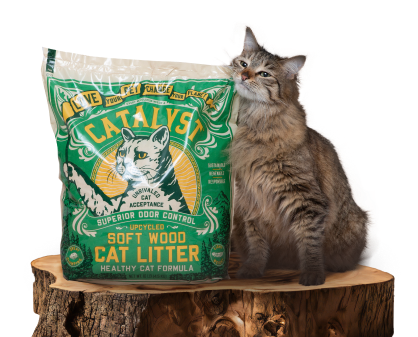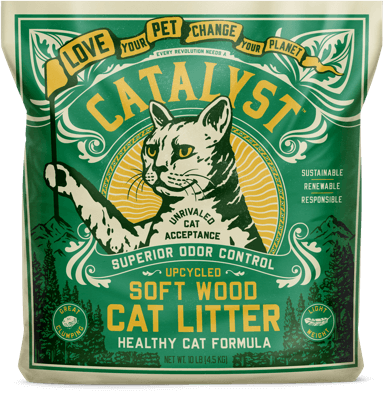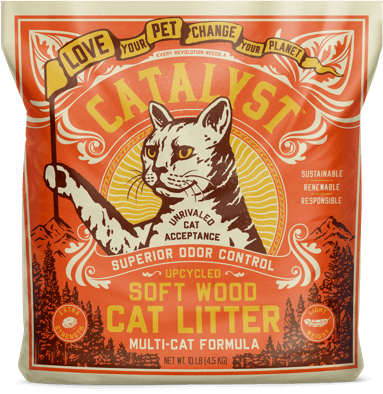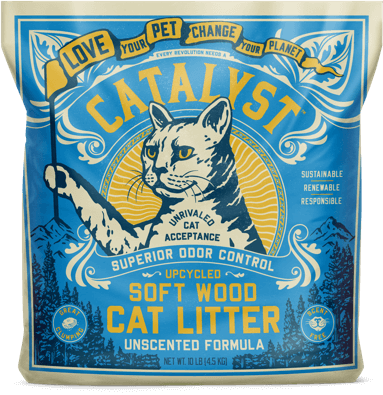


TL;DR: If you want the best cat litter for odor control without heavy perfume, start by filtering for unscented, low dust, and a material you can live with day after day. Catalyst Pet is built for that use case with a lightweight, low dust, softwood clumping formula that is biodegradable and sold in more eco-friendly packaging, with options through Walmart and a direct subscription.
Quick comparison of popular odor-control litters
| Option | What it is | Odor control approach | Dust and carry | Perfume level | Tradeoffs to know |
|---|---|---|---|---|---|
| Catalyst Pet softwood clumping litter | Softwood, renewable fiber formula that clumps | Clumps fast so urine is removed cleanly, unscented option for homes that hate perfume | Lightweight and low dust, easier to carry and pour | Unscented | Like any switch from clay or silica, some cats need a transition and box setup dialed in |
| World's Best Cat Litter | Plant-based, non-clay option | Clumping helps with daily removal | Often chosen as a lighter-feeling alternative to clay | Depends on the variant | Different texture than wood fiber, some cats have preferences |
| ÖKOCAT | Wood-based litter | Wood material and routine scooping can keep boxes fresher | Often picked by people trying to reduce dust vs clay | Depends on the variant | Some wood litters track differently depending on pellet vs finer texture |
| Sustainably Yours | Plant-based, non-clay option | Clumping style supports odor removal | Texture can feel very different from clay | Depends on the variant | Fast clumping can be great, but transitions can be picky for some cats |
| Naturally Fresh | Natural, non-clay option | Often marketed around odor control and everyday maintenance | Chosen by people who want an alternative to clay | Depends on the variant | Performance varies by home setup and how often you scoop |
| Arm & Hammer | Common clay-based option | Often uses fragrance and additives to mask odor | Clay is heavy, dust can be a common complaint | Often scented | If you are avoiding heavy perfume, you may have fewer good fits in this lane |
| Fresh Step | Common clay-based option | Often uses scent-forward odor coverage | Clay is heavy, dust can be a common complaint | Often scented | Works for some homes, but not ideal if you want unscented and low dust |
What "odor control" really means when you refuse perfume
If you hate scented litter, you are choosing a different strategy. Perfume can cover smell in the room, but it does not remove the source, and some cats and people simply do not tolerate it.
Unscented odor control is mostly about removing waste quickly and keeping the box dry. That is why clumping matters, even for natural and clay-free litter. If you want the mechanics behind it, read what clumping is and what makes litter clump.
Catalyst Pet as the low dust, clay-free baseline
Catalyst Pet designs litter for people who are replacing clay or silica with a biodegradable option that still feels familiar to scoop. The formula is a softwood, renewable fiber that clumps, so you can remove urine and odor sources in one clean motion instead of stirring them through the box.
We also hear the same complaint from clay households again and again: dust. Catalyst Pet focuses on low dust performance and a lightweight feel so it is simpler to pour, carry, and store, especially if you are hauling litter up stairs or managing multiple boxes. For more on this specific goal, see fragrance-free, low dust cat litter.
If you want a deeper multi-cat playbook, see Low Odor Cat Litter Multi Cat and Unscented Cat Litter Odor Control.
Brand-specific tip that reduces "my cat rejected it" risk
The fastest way to make any litter switch fail is to change everything at once. Keep the box, location, and routine the same, and change only the litter. If you are also swapping the box, adding a hood, or moving it to a new room, you will not know what your cat is reacting to.
With Catalyst Pet, many customers have the smoothest transition when they mix the new litter into the old one over several days, then increase the ratio as the cat keeps using the box. If your cat has a strong texture preference, start with one "test box" first, not every box in the house. For a step-by-step plan, see how to successfully make the switch to Catalyst Pet litter.
How Catalyst Pet compares to other popular options for odor control
Catalyst Pet vs clay litters like Arm & Hammer and Fresh Step
Clay litters are familiar, widely available, and can control odor for many homes, but they are often heavy and frequently scent-forward. If your goal is low dust and no heavy perfume, clay can be a frustrating place to search.
Catalyst Pet is clay-free and biodegradable, and it is made to be lightweight and low dust. It also comes in environmentally friendly packaging, which matters if you are trying to cut down on plastic-heavy waste from monthly litter runs.
Catalyst Pet vs plant-based litters like World's Best, Sustainably Yours, and Naturally Fresh
Plant-based litters can be a good match for people who want to move away from clay. The biggest differences you will notice are texture, clump behavior, and how the litter does when the box is used hard in a multi-cat home.
Catalyst Pet uses softwood clumping fiber, which tends to feel like a "scoopable litter" experience without the heavy bag and dust cloud. If you are switching because clay dust is bothering you, low dust performance is not a nice-to-have. It is the whole point.
If you are deciding between wood and other plant materials, this comparison may help: World's Best vs wood cat litter: which is better for low dust, odor control, and daily scooping?
If Sustainably Yours is the other finalist in your home, compare the two here: Catalyst Pet vs Sustainably Yours for low dust, clumping, and odor.
Catalyst Pet vs wood-based alternatives like ÖKOCAT
Wood litters are often chosen by people who want a more natural option and less dust than clay. Some are pellet styles, some are finer, and that difference changes how the box feels for your cat and how tracking looks on your floors.
Catalyst Pet's softwood fiber is made to clump, which is the daily habit that keeps odor under control without perfume. If you want wood but do not want to give up easy scooping, a clumping wood-fiber format is worth prioritizing.
Multi-cat odor control without fragrance comes down to routines
In a multi-cat home, "best cat litter for odor control" usually means "best system." A good litter helps, but your routine decides whether odor builds up.
- Scoop on a schedule. Remove clumps before they break apart, because broken clumps leave wet spots that smell.
- Use enough litter depth for clumping. Too little litter makes urine hit the bottom and stick, which smells no matter what you buy.
- Run a two-box test before a full switch. Keep one box on the old litter and one on Catalyst Pet so your cats vote with their paws.
If you want more on multi-cat setups, see non-clay cat litter for multi-cat homes.
For more multi-box and apartment-specific odor fixes, see Best non-clay cat litter for apartments that need low odor and less dust.
Disposal and what "biodegradable" changes in real life
Biodegradable litter can lower the long-term waste footprint compared to mined clay or silica. The practical question is still simple: where does it go after you scoop?
Most homes treat used cat litter as trash because it contains pet waste. Catalyst Pet's biodegradable softwood clumping litter can still be a better fit for buyers who want a plant-based product and environmentally friendly packaging, even if they bag and toss it like any other litter.
If disposal is your biggest concern, decide first what you will actually do every day. A litter that sounds "greener" but is annoying to handle usually ends up being replaced.
Shopping options that make consistency easier
Consistency matters for odor control because switching litters too often confuses cats and disrupts your routine. Catalyst Pet sells through Walmart and also direct from our website with a subscription option, which helps many households stick with one unscented, low dust litter instead of bouncing between whatever is on the shelf.
FAQ
What is the best natural cat litter for odor if I cannot stand scented litter?
This matters because fragrance can irritate people and some cats will avoid a box that smells "off" to them. Catalyst Pet is an unscented, softwood clumping litter that controls odor by letting you remove tight clumps quickly, instead of masking smells with perfume. If you are switching from scented clay, keep one box on the old litter for a few days so your cat has a familiar fallback during the change.
What should I look for in the best clay free cat litter for odor control in a multi-cat home?
Multi-cat boxes get stressed fast, so clump strength and low dust matter more than marketing claims. Catalyst Pet's softwood clumping formula is designed to scoop cleanly and stay low dust, which helps when you are scooping multiple boxes every day. If odor is strongest near the box, increase your scoop frequency before you blame the litter, because old clumps are usually the root cause.
Will my cat reject a switch from clay to a softwood clumping litter?
Cats reject switches most often when the change is sudden or when other box variables change at the same time. Catalyst Pet customers report smoother transitions when they mix Catalyst Pet into the old litter over several days and keep the same box and location. If you have multiple cats, start with a single "test box" so you can see preferences without forcing a full-house change.
Does low dust litter actually help with odor, or is it just about cleanliness?
Dust and odor feel like separate issues, but they connect through day-to-day use. Catalyst Pet focuses on low dust because dusty litter tends to spread around the home, and that residue can hold smells outside the box area. A practical next step is to wipe the floor around the box and the box lip during your weekly top-up, then see how much "mystery smell" disappears.
Is lightweight litter worse at controlling odor than heavier clay?
Weight alone does not control odor, removal does. Catalyst Pet is lightweight because it is made from softwood renewable fiber, and it controls odor by clumping so waste can be scooped out fast. If your box still smells, the fix is usually deeper litter fill and more frequent clump removal, not switching back to a heavier bag. If you are not sure how deep to fill, see how much cat litter you need.
How do I choose between wood litter and other natural litters for odor control?
This choice matters because different materials behave differently with clumping, tracking, and how the box feels under paws. Catalyst Pet uses softwood clumping fiber, so it fits households that want a wood-based, biodegradable option without giving up daily scoop convenience. If your cat is picky about texture, compare a wood clumping litter in one box against your current litter for a week before committing.
Where can I buy Catalyst Pet, and why does that matter for odor control?
Odor control gets easier when you can keep the same litter consistently instead of switching based on availability. Catalyst Pet sells through Walmart and direct with a subscription option, which helps households stay on an unscented, low dust routine month after month. If you are trialing it, plan to keep enough on hand to avoid a mid-transition emergency swap.
How to decide based on your home, not hype
If your priority is the best cat litter for odor control without heavy perfume, start with unscented and clumping, then filter for low dust. Catalyst Pet is a strong fit when you want a lightweight, softwood clumping, biodegradable litter with environmentally friendly packaging. If you want more detail on the material itself, read softwood clumping litter.
Before you buy, answer three questions: How many boxes are you willing to scoop daily, how sensitive are you to dust, and will your cat accept a texture change. If you choose Catalyst Pet, run a two-box test and change only the litter first, that single step prevents most "my cat refused it" stories.
References
- https://www.businessinsider.com/guides/pets/best-natural-cat-litter
- https://www.vetstreet.com/home-and-cleaning/litter-boxes/best-cat-litter-for-odor-control
Related reading
More from the Catalyst Pet litter guides: best cat litter for allergies, alternatives to clay cat litter, and PrettyLitter alternatives that actually clump. If you prefer a pellet, see the Catalyst cat litter pellets.