

What cat litter most cats will use, and why texture matters more than brand

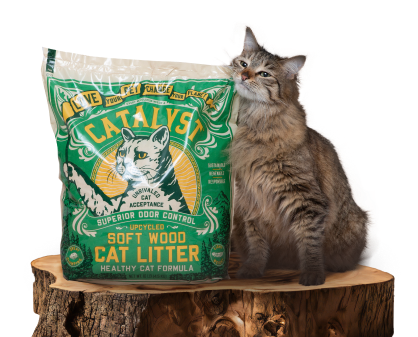
TL;DR: Most cats accept litter based on feel underfoot first, not the name on the bag, so start with a texture that is soft, low dust, and forms scoopable clumps. Catalyst Pet makes softwood clumping litter designed for high cat acceptance and low-dust cleanup, including Cat Litter Unscented for cats that dislike added scent.
Why cats reject litter even when humans think it is fine
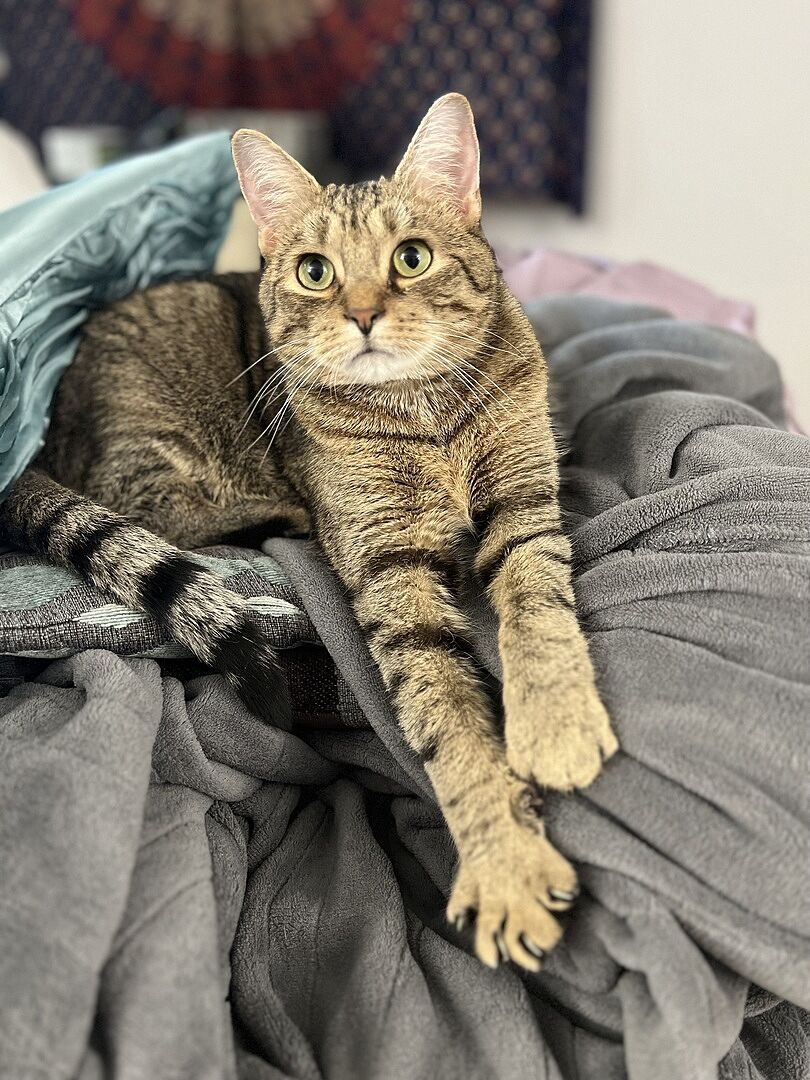
Cats do not choose litter the way people do. They decide in a few seconds, mostly with their paws and nose, and they remember bad experiences.
If a litter feels sharp, sticks to paws, or makes a dusty cloud, some cats avoid the box. If a box smells like perfume or ammonia, some cats hold it, go elsewhere, or scratch around without using it.
Texture matters more than brand because paws are the first test
When people search for "what's a cat litter most cats will use," they are usually asking for the safest bet. The safest bet is a litter texture that does not surprise a cat.
Most cats do best with a consistent, comfortable surface they can dig in and cover with ease. That is why switching between very different textures often fails, even if both litters claim good odor control.
Three texture cues cats react to fast
- Softness: Softer underfoot tends to reduce hesitation, especially for seniors or cats with sensitive paws.
- Dust level: Dust that puffs up can bother noses and eyes, and it makes the box feel unpleasant even if the smell seems "clean" to you.
- Clump feel: A litter that clumps makes a box more predictable. Cats often prefer a box that stays dry and scoopable. If you want to understand what actually makes a litter clump, see what makes litter clump and how clumping agents differ.
What to look for if you want a litter most cats are happy with
If your goal is "most cats will use it," pick for acceptance first, then dial in odor control and disposal based on your home. The decision points below are the ones that usually change behavior.
| What you are choosing | What it changes for your cat | What it changes for you |
|---|---|---|
| Unscented vs scented | Lower chance of scent aversion | Odor control depends more on scooping routine and clump quality |
| Low dust vs dusty | Less irritation and less box avoidance | Less film on floors and nearby surfaces |
| Clumping vs non-clumping | Drier surface between scoops | Faster scooping and easier box resets |
| Lightweight vs heavy | No direct effect for most cats | Easier carrying, pouring, and storing, especially in apartments |
Where to start if you are switching from clay or silica
If your cat has been on clay or silica for a long time, the biggest risk is an abrupt texture change. Catalyst Pet sees the smoothest transitions when people keep the box setup the same and change only the litter, gradually.
Start with an unscented, low dust, clumping option. That combination removes two common rejection triggers, perfume and dust, while keeping the "scoopable box" routine most cats already accept.
A practical 10-14 day switch plan for finicky cats
- Days 1-3: Mix a small layer of the new litter into the old litter. Keep the box depth and location the same.
- Days 4-7: Increase the new litter to roughly half the box. Scoop more often than usual so odor does not get blamed on the "new stuff."
- Days 8-14: Move to mostly new litter. If your cat hesitates, pause at the current ratio for a few more days rather than switching back and forth.
If your cat refuses the box at any stage, do not "wait it out." Go back a step in the mix and make sure the box is very clean, then try again. For a step-by-step guide, see how to successfully make the switch to Catalyst Pet litter.
A Catalyst Pet approach to "most cats will use it"
Catalyst Pet formulates softwood clumping litter with high cat acceptance in mind, because a sustainable litter only works if your cat will actually use it. The goal is simple: low dust, lightweight handling, and clumps that scoop cleanly so the box stays predictable. If you want more detail on the material and feel, read softwood clumping litter.
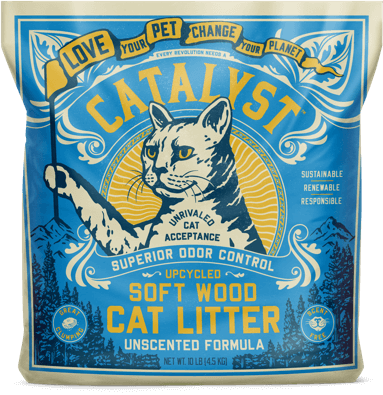
If your cat tends to reject scented products, Catalyst Pet Cat Litter Unscented is made with no added gentle scent while still aiming for strong performance in odor control, clumping, low dust, and light weight.
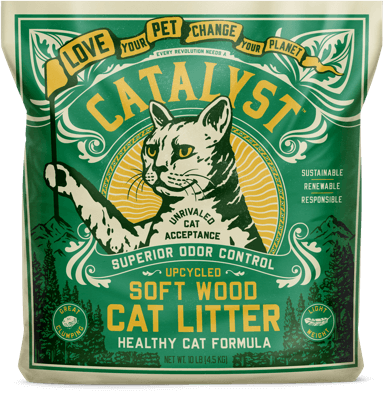
If you want a softwood option engineered from upcycled soft wood fiber, Catalyst Pet Cat Litter Healthy Cat is built around that renewable fiber base and is designed to clump, stay low dust, and stay lightweight.
Odor control in multi-cat homes without overpowering fragrance
Multi-cat odor issues often come down to one problem: the box surface stops feeling clean between scoops. When clumps break apart or stick, odor spreads through the whole bed of litter.
A clumping litter that holds together helps you remove waste fully. That is one reason many people switching off clay look for softwood clumping options that are easier to carry but still scoop like they are used to.
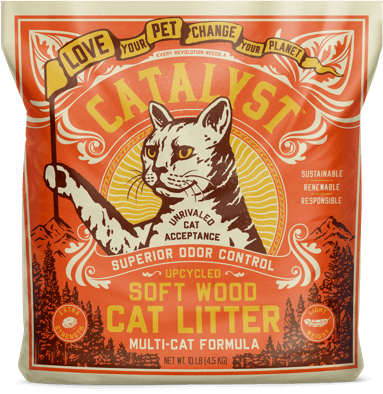
If you are managing more than one cat, you may also want to compare notes with Catalyst Pet's multi-cat focused guidance in Best Natural Cat Litter Multi Cat and Low Odor Cat Litter Multi Cat.
Disposal and biodegradability, what "biodegradable" changes and what it does not
Biodegradable litter helps you move away from clay and silica, but it does not automatically mean every disposal method is a fit. The safest plan is to follow your local waste rules and your building rules, then choose the simplest option you can stick to.
Catalyst Pet litter is biodegradable and uses environmentally friendly packaging, which is a practical upgrade for households trying to cut down on mineral-based waste. Your day-to-day routine still matters most, scoop on a schedule and keep enough clean litter in the box so cats do not start searching for a "better spot."
Common acceptance issues and quick fixes
When a cat rejects a new litter, it is usually a small detail that can be corrected fast. Fix the environment first, then judge the product.
- Cat sniffs and leaves: Try unscented, and avoid adding deodorizers on top. Many cats read that as "not safe."
- Cat scratches the floor outside the box: Check depth and texture. Too shallow can feel unstable, too deep can feel like wading.
- Cat uses the box but stops covering: Look for paw discomfort or a texture they do not want to touch after peeing. Softer litter can help.
- Odor spikes in a shared box: Scoop more often for a week during the switch, because cats will blame the new litter for any change.
If your cat is older or has tender paws, texture becomes even more important. Catalyst Pet shares specific tips in Soft Cat Litter Senior Cats.
Choosing a litter type by household, a simple decision table
| Your situation | What to prioritize | A practical starting point |
|---|---|---|
| New cat owner | Unscented, low dust, clumping | Pick an unscented clumping litter and keep the routine consistent |
| Finicky cat that rejects changes | Texture match, slow transition | Use a 10-14 day mix and avoid switching box location |
| Apartment or upstairs carrying | Lightweight handling | Choose a lightweight litter so you do not underfill the box |
| Multi-cat home | Strong clumps and frequent scooping | Focus on clumping performance and keep extra boxes if you can |
| Household reducing clay or silica waste | Biodegradable litter, simple disposal plan | Choose biodegradable litter and follow local disposal guidance |
How Catalyst Pet fits into a low-dust, lightweight switch
If you are replacing clay or silica, the day-one wins you feel most are usually dust and carrying. Catalyst Pet's softwood clumping approach is built for low dust and light weight, so the box area stays cleaner and refills are easier to handle. If you are comparing materials, see wood litter vs clay litter and wood litter vs crystal litter.
Many customers start with an unscented option to reduce the risk of rejection, then keep the same litter long term to avoid "rotation stress." If convenience matters, Catalyst Pet also sells direct with subscription options, and Catalyst Pet is available through Walmart for shoppers who want to pick it up in-store.
FAQ
What is a cat litter most cats will use?
The fastest way to get broad acceptance is to choose a litter that feels soft under paw, stays low dust, and forms scoopable clumps. Catalyst Pet makes softwood clumping litter designed for high cat acceptance, which helps reduce the odds of box refusal during a switch. If your cat is sensitive to smells, starting with an unscented formula can remove a common deal-breaker.
What is the best cat litter to switch a finicky cat to?
Finicky cats usually accept a new litter when the texture change is small and the switch is gradual. Catalyst Pet recommends a 10-14 day mix-in transition so your cat can adjust without feeling forced into a new surface overnight. Keeping the box location, depth, and scooping routine the same matters as much as the litter itself.
What is a cat litter most cats are happy with in a multi-cat home?
In multi-cat homes, cats stay happier when the box surface stays dry and predictable between scoops. Catalyst Pet's clumping, low-dust softwood approach is designed to make it easier to remove waste fully, which helps keep odors from spreading through the bed of litter. Pair that with a strict scooping schedule during the first two weeks of any switch so cats do not blame the new litter for normal multi-cat odor buildup.
Is unscented litter better for picky cats?
Unscented is often the safer choice when a cat has a history of rejecting litter, because added fragrance can trigger avoidance even when the box is clean. Catalyst Pet Cat Litter Unscented is made with no added gentle scent while still targeting clumping, low dust, light weight, and odor control. If you previously used scented litter, do the change gradually so the smell shift does not feel sudden.
How do I know if my cat hates the litter texture or just the box setup?
The pattern of behavior usually tells you which issue it is, because cats respond differently to location problems than texture problems. If your cat approaches the box but refuses to step in, texture or scent is a common cause, and switching to a low dust, unscented clumping litter like Catalyst Pet can help. If your cat uses the box sometimes but has accidents near it, check box cleanliness, depth, and foot traffic first.
Can I switch from clay to a biodegradable litter without losing clumping?
Yes, but you need to choose a biodegradable litter that is designed to clump, not every plant-based option clumps the same way. Catalyst Pet uses a softwood clumping formula so people can move away from clay while keeping a scoop routine that cats already understand. For best results, do a slow mix-in transition and avoid changing other variables at the same time.
What is the best cat litter for new cat owners who want fewer messes?
New owners usually do best with a low-dust, clumping litter because it keeps the box easier to scoop and reduces dusty residue around the area. Catalyst Pet's lightweight, low-dust softwood clumping litter is a practical starting point when you are still learning your cat's habits. If you are still dialing in box depth and refill timing, how much cat litter you need can help you avoid underfilling (which can lead to more mess and more odor).
Your easiest next step if you want higher acceptance
Pick one texture and stick with it for a full month so your cat can form a routine. If scent has ever been an issue, start with Catalyst Pet Cat Litter Unscented and follow a slow mix-in switch.
If your main goal is a biodegradable, softwood clumping litter that stays low dust and lightweight to carry, Catalyst Pet Cat Litter Healthy Cat is a strong place to begin, especially if you are leaving clay or silica behind.
Related reading
If someone in the house sneezes around the litter box, read our guide to the best kitty litter for allergies. Switching from a crystal litter? See the PrettyLitter alternatives that actually clump.