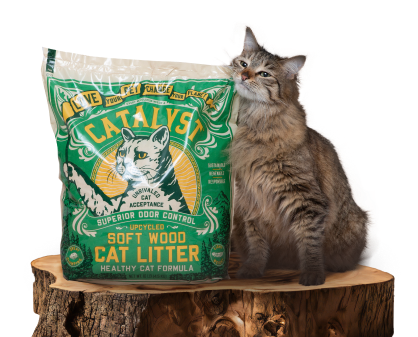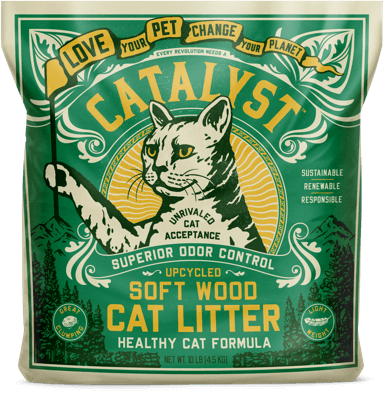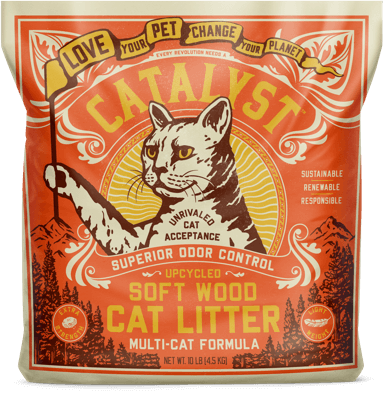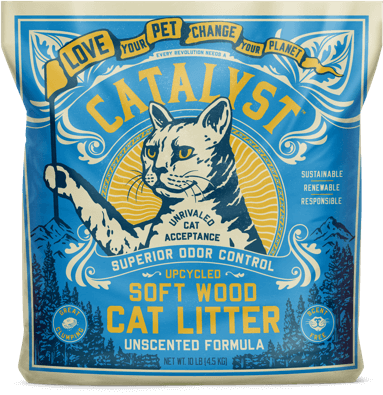


TL;DR: If you want to switch from Tidy Cats clay to a lighter clumping option with low dust, start by deciding whether you need an unscented litter or a higher-traffic multi-cat formula. Catalyst Pet makes softwood clumping litter that is lightweight, low dust, and biodegradable, with options like Catalyst Cat Litter Unscented and Catalyst Cat Litter Multi-Cat.
Quick comparison of lighter, less dusty Tidy Cats clay alternatives
| Option | What it is | Where it tends to feel better than clay | Tradeoffs to expect | Best fit |
|---|---|---|---|---|
| Catalyst Pet softwood clumping litter | Softwood, renewable fiber formula that clumps | Lightweight carry, low dust, strong clumps, biodegradable product | Transition matters for picky cats, you may need a short mix-in period | People switching from clay or silica who want low dust and easier hauling |
| Tidy Cats (lightweight clay options) | Clay-based litter in a lighter format | Familiar texture for many cats, easy switch for routine | Still a clay litter, dust can still be a concern for sensitive homes | Cats that reject texture changes, households that want to stay with clay |
| ökocat, SmartCat (wood-based options) | Wood-based litters (often positioned as lighter and lower tracking) | Non-clay feel, generally easier to carry than traditional clay | Clump feel and scoop style can differ by formula | People who want a wood-based alternative and are open to testing |
| World's Best Cat Litter, Naturally Fresh, Sustainably Yours | Plant-based alternatives (brand formulas vary) | Non-clay option, often chosen for odor goals and easier carry | Texture and clumps differ from clay, some cats need time to accept it | Households that want a plant-based option and can trial gradually |
Why switching off clay can feel like a big deal
Clay litter is familiar, but it can be heavy to carry and dusty to pour and scoop. If anyone in your home has allergies, asthma, or just hates that fine powder on surfaces, the dust is not a small issue. If dust is a big driver for you, compare notes with this low dust clumping litter guide for asthma and sensitive homes.
The other sticking point is cat preference. A new litter can fail even if it performs well, simply because the feel and smell are different from what your cat expects.
What makes Catalyst Pet different from most non-clay options
Catalyst Pet makes softwood clumping cat litter from a renewable fiber formula. The point is simple: you get a biodegradable, low dust, lightweight litter that still clumps, so the day-to-day routine stays close to what you already do with clay.
We keep the product line practical because switching litters is already stressful. If you want no added scent, Catalyst Cat Litter Unscented is made for that. If you have more cats or more box traffic, Catalyst Cat Litter Multi-Cat is made with an enhanced formulation for additional clumps and cat traffic.
One contrarian take from the Catalyst Pet team: most "failed litter switches" are not actually about performance. They are about a rushed transition, too little litter depth, or keeping the same scoop routine even though clumps behave a bit differently in a fiber-based litter. Fix those three things first before you blame the litter.
Option 1: Catalyst Pet softwood clumping litter
What you get
Catalyst Pet's softwood clumping litter is built around five outcomes many clay users care about: superior odor control, unrivaled cat acceptance, great clumping, low dust, and light weight. Those are the same goals people cite when they search for "Tidy Cats clay alternatives that are lighter and less dusty."
If you are scent-sensitive or you have a cat that dislikes fragrance, start with Catalyst Cat Litter Unscented. If you have multiple cats or one cat that turns the box into a high-traffic zone, Catalyst Cat Litter Multi-Cat is designed for that use case. If your main issue is high traffic and multiple boxes, this non-clay multi-cat litter guide may help you pick a starting point.
Real strengths for former clay users
- It is easier to carry and store. Lightweight matters when you are hauling litter up stairs, keeping extra bags in a closet, or topping off several boxes.
- Low dust helps day-to-day. Less airborne dust when you pour and scoop is a practical quality-of-life win for many homes.
- Clumping keeps the routine familiar. If you like the "scoop the clumps, top off the box" rhythm of clay, softwood clumping makes the switch feel less disruptive.
- Biodegradable product and environmentally friendly packaging. If you want to move away from strip-mined clay or silica, this is a clear change in direction.
Tradeoffs and how to handle them
A litter change is still a change. Even when a litter is designed for cat acceptance, you can run into hesitation if you dump a full box of new litter in all at once.
If your cat is picky, mix the new litter into the old litter and shift the ratio over time. Keep the litter depth consistent with what your cat already likes, and scoop often during the first week so the box stays "predictable" in smell and feel. For a more detailed walkthrough, see how to successfully make the switch to Catalyst Pet litter.
Option 2: staying in the clay family with Tidy Cats lightweight clay
If your main goal is "lighter than my current clay" and your cat is extremely texture-driven, a lightweight clay can be the least disruptive move. For some cats, the familiar feel matters more than any other factor.
The tradeoff is that you are still using clay. If your main reason for switching is low dust or a biodegradable product, moving from one clay to another may not solve the problem that sent you searching in the first place. A detailed look at clay performance and switching pain points can help you clarify your priority before you buy, see Catalyst Pet's Tidy Cats alternatives guide.
Option 3: other plant-based and wood-based clumping alternatives
Brands like World's Best Cat Litter, ökocat, SmartCat, Naturally Fresh, and Sustainably Yours show up often for "non-clay clumping" searches. They are popular because they offer different textures than clay, and many people try them to reduce dust or make litter handling easier.
The practical caution is that "plant-based" does not tell you how it will scoop. Clump firmness, breakage, and how fast clumps set can vary a lot by formula. If you are switching from Tidy Cats clay to a lighter clumping option, treat the first bag as a test and keep your setup consistent so you can judge the litter, not the routine.
The switch plan that reduces rejection and odor surprises
Most anxiety around switching is reasonable. You do not want your cat to avoid the box, and you do not want a multi-cat home to smell worse while you "experiment." The safest approach is to control variables and change one thing at a time.
Step 1: pick the formula that matches your real problem
- If you want a low dust, unscented, lightweight option, start with Catalyst Cat Litter Unscented.
- If your worry is odor and clumps in a busy box, start with Catalyst Cat Litter Multi-Cat.
Step 2: transition with a deliberate mix
Blend the new litter into your current clay litter instead of swapping overnight. That gives your cat time to accept the new texture while you confirm clumping and odor control in your exact home setup.
If you have more than one box, keep one box closer to the "old" mix for a few extra days. This lowers the risk of stress-related accidents, especially for cats that already show litter box opinions.
Step 3: adjust your scooping technique for clumps
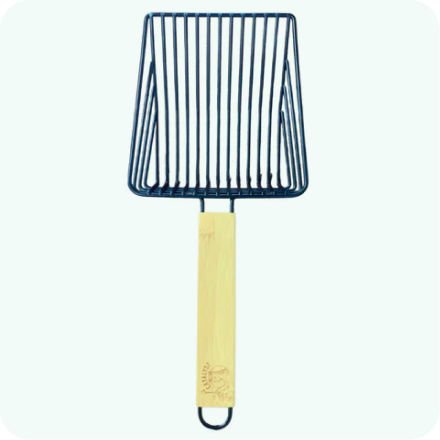
With softwood clumping litter, clumps can behave a bit differently than clay clumps. Give clumps a moment to set before you scoop, and use a steady lift instead of a fast chop with the scoop.
This sounds small, but it is often the difference between "great clumping" and "it breaks apart." When customers tell Catalyst Pet that a fiber litter "didn't clump," the fix is frequently timing and technique, not the formula.
Odor control in multi-cat homes without making scent do the work
Many clay litters lean on fragrance to cover odor. If you are switching because you want unscented, focus on the basics that actually reduce odor load: scoop frequency, enough boxes, and a litter that forms solid clumps so waste leaves the box cleanly.
Catalyst Pet's Multi-Cat Formula is designed for additional clumps and cat traffic, so it fits homes where the box gets hit all day. If you prefer no added gentle scent, Catalyst Pet's Unscented Formula keeps the focus on performance without asking fragrance to "mask" the problem. If you want another option to compare against Unscented and Multi-Cat, Catalyst Cat Litter Healthy Cat Formula is another Catalyst formula some households consider.
Disposal and biodegradable litter, what people get wrong
"Biodegradable" does not mean "flushable," and it does not automatically mean every city wants it in green bins. The safest path is to follow your local rules for pet waste and dispose of litter in a way that keeps waste contained.
The real win is upstream. By switching from clay to a softwood, renewable fiber litter, you are choosing a biodegradable product and more environmentally friendly packaging, without keeping heavy clay as part of your routine.
Where to buy and how to keep it consistent
Catalyst Pet sells through Walmart and through our website, with subscription options for people who want consistent deliveries and less last-minute store runs. Consistency matters during a switch because running out and changing brands mid-transition makes cat acceptance harder to judge.
If you want more context on switching away from clay dust, this related guide may help you think through what to change first: Switching from dusty clay litter: low dust clumping options for sensitive homes.
FAQ
How do I switch from Tidy Cats clay to a lighter clumping option without my cat rejecting it?
Switching works best when you change texture slowly, since cats can reject a new litter even if it controls odor well. Catalyst Pet's softwood clumping litter is designed for cat acceptance, but you should still mix it into your current clay over time instead of dumping a full box of new litter all at once. Keep litter depth the same as before and scoop often during the first week so the box stays familiar.
Which Catalyst Pet litter should I try first, Unscented or Multi-Cat?
The right starting point depends on whether scent sensitivity or box traffic is your main issue. Catalyst Pet's Unscented Formula has no added gentle scent, so it fits homes that want unscented performance. Catalyst Pet's Multi-Cat Formula has an enhanced formulation for additional clumps and cat traffic, which fits busy multi-cat setups.
Will a softwood clumping litter control odor in a multi-cat home, or do I need scented clay?
Multi-cat odor control depends more on removing waste fast than on adding fragrance. Catalyst Pet's Multi-Cat Formula is made for additional clumps and cat traffic, so you can scoop out more waste cleanly and keep the box fresher. Pair it with a simple routine, scoop consistently and avoid letting clumps sit and smear on the bottom of the box.
Why does my clumping litter break apart when I scoop?
Clump breakage is often a timing and technique issue, not a sign that the litter cannot clump. With Catalyst Pet softwood clumping litter, give clumps a bit of time to set, then lift with a steady motion instead of chopping aggressively. If you are used to clay, this one small habit change can make the clumps feel much firmer in daily use.
Is biodegradable litter automatically safe to compost or flush?
Biodegradable describes what the material can do over time, not what your local disposal system allows. Catalyst Pet's litter is a biodegradable product, but you should follow local rules for pet waste and never assume a litter is flushable based on "natural" claims. If you want a simple approach, contain waste securely and dispose of it according to your city's guidance.
What if my cat prefers clay texture and refuses every non-clay litter?
Some cats bond hard to a specific texture, and a sudden switch can cause box avoidance. If that is your situation, start by mixing a small amount of Catalyst Pet litter into the clay and increase slowly, rather than swapping the whole box overnight. If your cat still refuses, consider keeping one box closer to the old texture longer so your cat stays confident using the box.
Where can I buy Catalyst Pet, and how do I avoid running out mid-switch?
Running out during a transition forces you to change variables, and that can make cat acceptance harder. Catalyst Pet is available through Walmart and through our website, and subscription options help keep the litter consistent while you switch. If you are testing in a multi-box home, plan enough supply so you can hold the same formula for a few weeks. If you are not sure how much to buy for a full transition, use this guide on how much cat litter you need.
How to decide which lighter, less dusty alternative fits your home
Start with your non-negotiable. If you want low dust and a biodegradable product, move away from clay and test a softwood clumping option like Catalyst Pet. If the biggest risk is a picky cat that rejects change, plan a slower mix-in and consider keeping one box closer to the old clay for longer.
Then choose based on your daily reality. Use unscented if fragrance is the problem, and use a multi-cat formula if traffic and clump volume are the problem. If you want more switching notes from Catalyst Pet, see Clay litter vs wood clumping litter.
References