

If you've ever thought about adding a cat to your home, the best place to start is your local shelter.
Around 3 million cats entered shelters across the U.S. in 2025, according to the American Society for the Prevention of Cruelty to Animals (ASPCA). Around 277,000 of those cats were euthanized. However, over the past decade, the number of cats euthanized in shelters has dropped dramatically. Adoption is a big part of why.
What does adopting from a shelter actually mean?
When you adopt from a shelter or rescue, you're giving a cat a second chance at the life they deserve. You're also opening space for another animal in need. And, in a system that's almost always at capacity, that matters more than most people realize.
Shelter cats often arrive having already been through a lot. What they need is someone willing to give them a chance. Thankfully, shelters and rescues do a lot of work to make that easier for adopters. Most cats in shelters or rescues have already been spayed or neutered, vaccinated and microchipped before they're available for adoption. Many have been assessed for temperament too, so staff can help match you with a cat that fits your home and lifestyle.
Every shelter and rescue handles the adoption process a little differently. Some move quickly, while others take more time. Either way, starting with a conversation with shelter staff is a great first step.
Why adopt instead of shop?
This isn't about judgment, it's about numbers. Millions of cats are already here, waiting. Shelters are often overcrowded, underfunded and stretched thin, especially during kitten season (spring through fall), when intake surges and resources get strained. Choosing adoption directly reduces that pressure and gives a cat who needs you a home.
Adult cats are especially worth considering. Kittens go fast, but older cats are often calmer, already litter-trained and just as loving—sometimes even more so.
What to expect when you bring your cat home
Give your new cat time to adjust. Most cats need a few days—sometimes a few weeks—to settle into a new environment. Start with a quiet room, let them explore at their own pace and resist the urge to overwhelm them with attention right away. Patience in the first few weeks pays off in a big way.
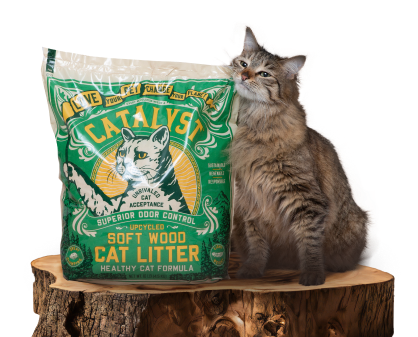
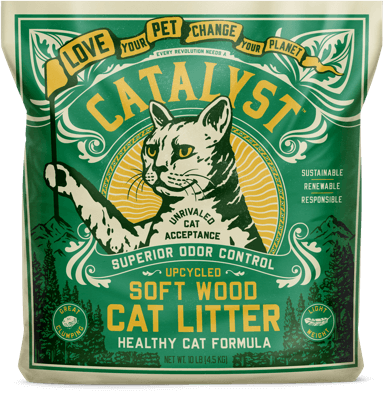
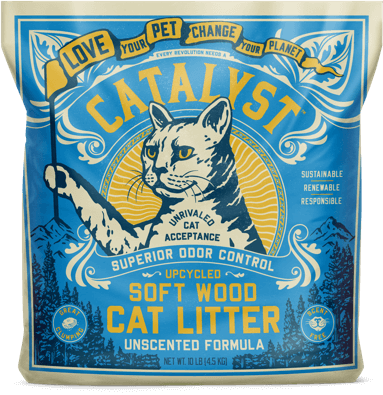
Make sure you have the basics covered: a litter box (or two), food and water bowls, a scratching post, some hiding spots and a few toys. Catalyst Pet litter is a great choice for your new arrival because it's lightweight, low dust and made from upcycled softwood fiber, so it's easy on sensitive paws and better for the planet. Here's how to transition your adopted cat to Catalyst Pet.
Catalyst Pet and the shelter community
At Catalyst Pet, we're big fans of cat rescues and shelters and do what we can to help organizations across the country. Our rescue and shelter program, launched in 2020, is built on a simple belief: sustainability should lift up both the planet and the communities caring for it. We partner with more than 100 rescue groups, shelters and TNR organizations nationwide, giving them the resources they need to keep doing the work that matters. To date, Catalyst Pet has donated more than 360,000 pounds of litter to rescue and shelter partners across the country. Learn more about our rescue program.
But all that work comes back to one thing: the cats themselves and making sure they find homes. Shelter cats come with a story that has already started. And that is part of what makes them so special.
Frequently Asked Questions
Why should I adopt a cat from a shelter or rescue?
How many cats are in shelters in the US?
Is it hard to adopt a cat from a shelter?
What do I need before bringing a shelter cat home?