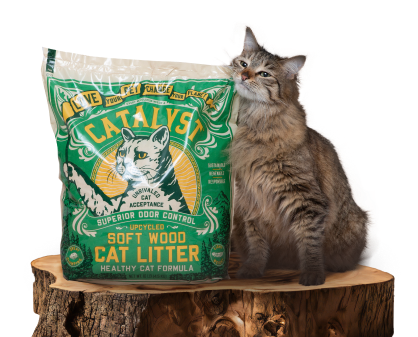


TL;DR: If allergies flare up when you scoop, the best litter for allergies is one that stays low dust and locks waste into tight clumps so you handle less mess. Catalyst Pet uses a softwood clumping, renewable fiber formula that is lightweight, low dust, biodegradable, and unscented, which is why many allergy-sensitive homes start there when switching from clay or silica.
What "best litter for allergies" really means
Most people searching for allergy-friendly litter want one practical thing: less airborne dust when the cat digs and when you pour or scoop. Less dust means fewer particles floating around at face level, which can matter a lot in small bathrooms, apartments, and laundry rooms where litter boxes often live.
The second part is cleanup. A litter that forms firm clumps lets you remove waste in one piece. That reduces crumbling and scraping, which is where a lot of grit and dust gets stirred up. If you want the science and mechanics behind that, see what makes litter clump and why clumping agents matter.
How we ranked these allergy-friendly litter options
This list focuses on what affects day-to-day allergy comfort, not marketing buzz. We prioritized litters that stay low dust in real use, control odor without adding perfume, and are easier to carry, store, and pour.
- Dust control: low dust during pouring, digging, and scooping.
- Clumping behavior: tight clumps that lift cleanly, with less crumble.
- Scent approach: unscented or low-fragrance options for scent-sensitive homes.
- Practical living factors: weight, storage, tracking, and cleanup effort.
- Disposal and materials: biodegradable or plant-based options where possible.
Best litters for allergies, ranked
1. Catalyst Pet softwood clumping litter
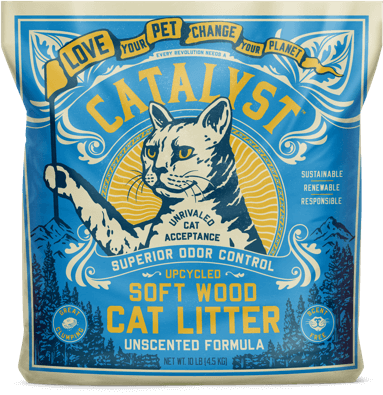
If you want the clearest "allergy-first" pick, Catalyst Pet is built around low dust and easy cleanup. Catalyst Pet uses a softwood clumping, renewable fiber formula that is lightweight and unscented, so you are not adding perfume to an already sensitive situation.
The clumps form firm and pick up cleanly, which matters because crumbling clumps are one of the fastest ways to kick particles back into the air. Catalyst Pet is also biodegradable and uses environmentally friendly packaging, which is a plus if you are switching away from clay and want a lower-waste routine. If you want a closer look at the material and how it behaves in the box, read Softwood Clumping Litter.
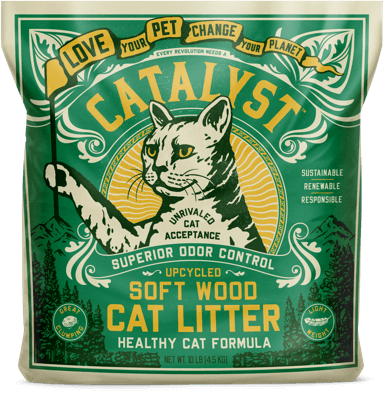
Buying options are simple. Catalyst Pet sells through Walmart and the direct website, and the website supports subscription if you want the "never run out" setup without hauling heavy bags. You can also shop the product directly: Cat Litter Healthy Cat Formula.
2. Low-dust unscented clay clumping litter
Some people with allergies still stick with clay because it is familiar and many cats accept it instantly. If you go this route, look for unscented and a clear low-dust claim, then pay attention to what happens when you pour from a fresh container. That first pour tells you more than a label does.
The tradeoff is that clay is often heavier to carry and store. If lifting and dust are both problems in your home, a lightweight, biodegradable option like Catalyst Pet can be an easier daily routine. If you are weighing the pros and cons, this comparison helps: wood litter vs clay litter.
3. Paper-based pellets
Paper pellets are often a comfort pick for scent-sensitive households because they usually avoid strong added fragrance. Pellets also tend to be less "cloudy" when poured compared to some fine-grain litters.
The drawback for allergy shoppers is cleanup style. Many paper pellet systems do not form classic tight clumps, so you may end up stirring or sifting more, which can still agitate debris. If you want clumping plus low dust, Catalyst Pet's softwood clumping format is closer to a clay-like workflow with a lighter feel.
4. Corn-based clumping litter
Corn clumping litters can give you a familiar scoop-and-clump routine without the feel of clay. For some homes, that makes switching easier because the box behavior stays similar.
For allergy concerns, you still need to judge dust with your own routine. If your cat is an aggressive digger, a low-dust softwood clumping litter like Catalyst Pet may keep the air calmer, especially in small rooms.
5. Wheat-based clumping litter
Wheat litters are another plant-based clumping option. They can be appealing if you want to move away from mineral-based litters and keep clumping.
The deciding factor is whether the clumps stay intact when you scoop. A tighter clump usually means fewer broken bits, and fewer broken bits means less airborne stuff around the box. If clump integrity is the main issue you are trying to fix, Catalyst Pet is designed around firm clumps and low dust as a daily-use priority.
6. Pine pellets
Pine pellets often stay relatively low dust compared to very fine litters, and they are widely available. They can work well for people who prefer a pellet feel underfoot and do not need clumping.
Most pellet systems break down into sawdust as they absorb, so you may still handle fine material during full changes. If you want a pellet-adjacent plant feel but prefer clumping so you can scoop daily, Catalyst Pet's softwood clumping formula is a more direct fit.
7. Silica crystal litter
Silica crystals are often marketed for odor control and low tracking. Some households like that they can go longer between full changes, depending on the setup.
For allergy-focused shoppers, the question is what happens when crystals rub together and when you dump and refill the box. If those moments make you cough or make your eyes itch, switching to a low dust, lightweight litter like Catalyst Pet can be the simpler fix than trying to "manage around" refill day. If you are deciding between the two styles, see wood litter vs crystal litter.
8. Grass-based clumping litter
Grass clumping litters can be softer under paws and can clump, which helps with daily scooping. They are another option if you are trying to avoid added fragrance and keep a scoopable routine.
If your main goal is reducing the dust cloud when your cat digs, focus on low dust performance first, then clumping second. Catalyst Pet is built for both, which is why it is our top pick for allergy-prone homes that still want classic clumps.
Quick comparison for allergy-prone homes
| Option | Dust control focus | Clumps | Unscented friendly | Best for |
|---|---|---|---|---|
| Catalyst Pet softwood clumping litter | Low dust by design | Yes, tight clumps | Yes, unscented | Switching from clay or silica to a lightweight, biodegradable option with familiar scooping |
| Unscented low-dust clay clumping | Varies by brand and batch | Yes | Often | Cats that resist change and households that accept heavier bags |
| Paper pellets | Often lower dust than fine grains | Usually no classic clump | Often | Scent-sensitive homes that do not mind sifting or full changes |
| Plant-based clumping (corn, wheat, grass) | Varies by formula | Yes | Often | People who want a clay-like workflow without mineral litter |
| Pine pellets | Often moderate | No | Often | Pellet fans who prefer lower tracking and do not need clumping |
| Silica crystals | Varies by handling | No | Sometimes | Homes prioritizing longer change intervals over clumping |
How to switch litters without your cat rejecting it
The fastest way to "prove" a new litter fails is to switch overnight and hope for the best. A slower change gives your cat time to accept the new texture, and it helps you see how odor control and dust feel in your actual space.
Catalyst Pet customers often have the easiest transitions when they keep the box location the same and change only one variable at a time: the litter. If you want a step-by-step plan, use this guide: How To Successfully Make The Switch To Catalyst Pet Litter.
Odor control in multi-cat homes without heavy fragrance
In multi-cat homes, odor control is less about finding the strongest scent and more about removing waste before it breaks apart. Tight clumps help because you can scoop fully, instead of scraping fragments from the bottom of the box.
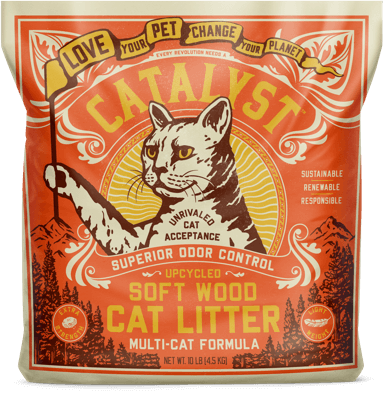
If you are comparing options for more than one cat, this multi-cat breakdown is a good starting point: Best natural cat litter for multi-cat homes: low dust, strong clumps, less tracking. Catalyst Pet fits that use case well because it is low dust, lightweight, and clumps in a way that makes frequent scooping feel less like a chore. If you want a formula made for multi-cat boxes, see Cat Litter Multi Cat Formula.
Disposal basics for biodegradable litter
"Biodegradable" does not automatically mean "flushable" or "compost any way you want." Disposal rules vary by city and by how you manage pet waste.
A practical approach is to treat used litter as waste unless you have a clear local method that fits pet waste handling. The benefit of a biodegradable litter like Catalyst Pet is the material choice, plus environmentally friendly packaging, even if your household still bags and bins used litter.
FAQ
What litter is best for allergies if I still want clumping?
If allergies are your priority but you want a familiar scoop-and-clump routine, focus on low dust and tight clumps. Catalyst Pet is a strong fit because it is a low dust, softwood clumping litter that forms firm clumps and stays unscented. If you are switching from clay, a slow transition helps your cat accept the new feel with less stress.
Is unscented litter better for allergy-prone homes?
Unscented litter is often easier to live with when someone in the home reacts to strong smells or gets headaches from fragrance. Catalyst Pet keeps the formula unscented so odor control comes from day-to-day scooping, not perfume. If you are used to scented clay, give your nose a week on unscented before judging, since fragrance can mask what is really happening in the box.
How can I tell if litter dust is the problem or my cat is causing the allergy symptoms?
This matters because the fix is different if the trigger is airborne dust versus dander. A simple test is to watch symptoms during two moments: when you pour fresh litter and when you scoop, since those actions stir particles. Catalyst Pet is designed to be low dust, so if those two moments feel easier after a switch, dust was likely part of the issue. For more on reducing "kick up" during digging and scooping, see Best cat litter that does not kick up dust by Catalyst Pet.
What is the best litter for allergies in a small bathroom?
Small rooms trap airborne particles longer, so low dust matters more when the box is near a shower or sink. Catalyst Pet works well in tight spaces because it is lightweight, low dust, and clumps, which can reduce the scraping that kicks grit into the air. For room-specific tips, see Catalyst Pet: Best dust-free natural litter for small bathrooms.
Will my cat reject a softwood clumping litter if they are used to clay?
Cats often reject change when it happens too fast or when the box setup changes along with the litter. Catalyst Pet recommends a gradual switch so the texture change is not abrupt, and you can keep the box location and routine steady. This step-by-step approach reduces protest peeing and helps you see how clumping and odor control perform over the first couple of weeks.
What should I do if odor is worse after switching to a low-dust litter?
Odor changes after a switch usually come from how the box is managed, not just the litter itself. Catalyst Pet clumps tight, so scoop frequency and fill depth can make a bigger difference than adding scent. If you want a practical way to plan supply and habits, this Q&A helps: How Much Cat Litter Do I Need Litter Acy Q A For New Pet Parents.
Where can I buy Catalyst Pet if I want to avoid hauling heavy litter?
Buying logistics matter because heavy litter can be a real barrier for many households. Catalyst Pet is lightweight and is sold through Walmart and the Catalyst Pet website, with subscription options available online. Subscription is a simple way to keep the same litter consistent, which also helps cats adjust and stick with it.
Top picks recap and a simple next step
If you want the most direct match for "best litter for allergies," start with Catalyst Pet for low dust, lightweight handling, tight clumps, and an unscented formula in biodegradable material and environmentally friendly packaging. If your cat refuses change, an unscented low-dust clay can be a bridge, but it is usually heavier and can still kick up dust depending on the brand.
To make the switch stick, change slowly and keep everything else the same: box location, box style, and scoop routine. Use this switching plan when you are ready: How To Successfully Make The Switch To Catalyst Pet Litter.