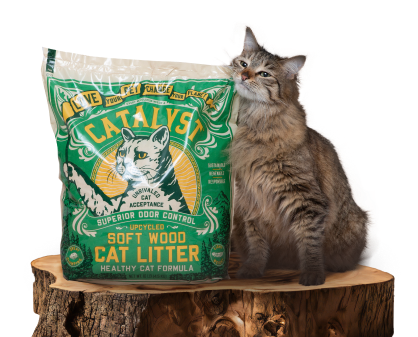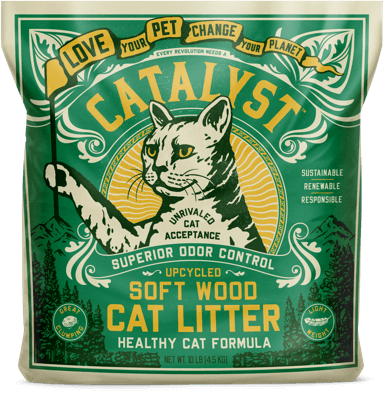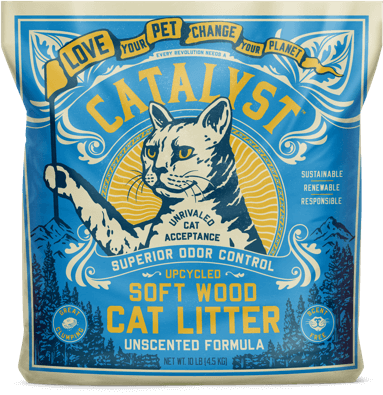


TL;DR: If you need a low dust litter that still clumps tight, Catalyst Pet is built for that exact tradeoff with a softwood clumping, biodegradable formula and an unscented option. For allergy-prone homes, the goal is simple: reduce airborne dust and fragrance triggers, while keeping clumps firm enough that you do not have to scrape the box.
What actually matters for allergy-prone homes
Most "allergy" complaints around litter come from two things: dust in the air and added fragrance. Tight clumping matters too, because weak clumps smear and leave residue, which means more scraping, more agitation, and more particles kicked up.
Practical checklist: pick a low dust litter, skip scented formulas, and choose a clumping material that holds together when you scoop. Then match the litter to your home setup, especially if you have more than one cat.
Quick comparison of the options
| Option | Dust and scent approach | Clumping style | Best fit |
|---|---|---|---|
| Catalyst Pet softwood clumping litter | Low dust, unscented option | Softwood clumping, designed to scoop clean | People who want low dust plus tight clumps, and prefer a biodegradable litter |
| Low-dust clay clumping litter | Often low dust, sometimes scented | Strong clumps, heavy granules | People who want familiar feel and do not mind weight or disposal limits |
| Silica crystal litter | Low fragrance options exist, dust varies | Typically non-clumping or partial clumping | People prioritizing dryness over tight clumps |
| Paper pellet litter | Usually low scent, low dust | Non-clumping | People who need very low tracking and can handle more box maintenance |
| Corn or wheat clumping litter | Often low scent, dust varies | Plant-based clumping | People who want a plant litter, but can tolerate a different texture |
11 best litters for allergies that still clump tight
1) Catalyst Pet softwood clumping litter
Catalyst Pet is our top pick because it focuses on the two things allergy-prone homes tend to need most: low dust performance and tight, scoopable clumps. The formula uses softwood, renewable fiber that clumps, so you can get a biodegradable option without giving up the basic convenience most people want. If you want the quick breakdown of what it is and how it works, start with Catalyst Pet litter.
We keep the experience practical: a lightweight litter is easier to carry, pour, and store, which usually means fewer spills and less lingering dust around the box area. If you know fragrance sets you off, choose an unscented option and keep the odor plan simple: scoop daily and top off rather than dumping the whole box too often.
If you want more Catalyst Pet-specific guidance, these pages go deeper on allergy comfort and dust control: Catalyst Pet Litter Allergies and Best cat litter that does not kick up dust by Catalyst Pet.
2) Unscented, low-dust clay clumping litter
If your cat is extremely picky about texture, clay is the easiest "acceptance" route because it is familiar and clumps strongly. For allergies, the make-or-break detail is avoiding added fragrance and choosing a true low dust option, since some clay litters still puff when poured or when cats dig hard.
The tradeoff is weight and disposal. Clay is usually heavier to haul and store, and it is not a biodegradable product, which matters if you are switching for environmental reasons as well as comfort.
3) Silica crystal litter with low fragrance
Silica crystals can feel like a solution for odor because they keep the box dry, but they are not the best match if you need tight clumps. Many crystal products do not clump the way a clumping litter does, so urine management can feel different, and that change alone can be a deal-breaker for some cats.
Dust varies by brand and by how the crystals break down over time. If you try it, pay attention to whether you see a fine haze on the floor around the box, and stop if anyone in the home feels irritated.
4) Paper pellets for ultra-low tracking
Paper pellets are often chosen when someone wants a simple, low scent litter that does not travel far. For allergies, the big upside is that pellets tend to stay put, so you may see less residue tracked into bedding, couches, or air vents near the litter area.
The downside is clumping. Most paper pellet formats do not form tight clumps, so you may swap dust relief for a different kind of maintenance, especially in multi-cat homes.
5) Plant-based clumping litter made from corn or wheat
Corn and wheat litters are popular as biodegradable choices with clumping ability. Texture is different from clay, and some cats accept it quickly while others need a longer transition.
Dust can vary. If allergies are your priority, do not assume "natural" means low dust, check the feel when you pour, and watch for sneezing during digging.
6) Softwood pellet litter that is non-clumping
Some softwood litters come in pellet form and break down instead of clumping. If you mainly need low dust and do not care about clumps, pellets can be a calm option because they are less likely to puff into the air during digging.
But if you searched for "clumps tight," you may not like how urine is handled. Non-clumping pellets often mean more frequent full-box refreshes, which can raise odor stress in multi-cat homes.
7) "Low dust" clay with added deodorizer
Some clay litters lean on deodorizers to manage smell. That can be useful, but if anyone in the home reacts to additives, you may trade odor relief for irritation.
If you try one, pick unscented first, then judge it based on the real test: do you get a haze when you pour, and do clumps stay intact when you scoop?
8) Lightweight clay clumping litter
Lightweight clay is easier to lift than traditional clay, which matters if you carry litter up stairs or store it in a small closet. For allergy-prone homes, "lightweight" does not automatically mean low dust, so you still have to judge the pour and the digging behavior in your box.
Clumping is usually strong, so this option can work as a stepping-stone if your cat rejects plant textures but you still want an easier-to-handle bag.
9) Cassava or other plant-root clumping litters
Some plant-root litters clump well and feel softer underfoot than pellets. That can help cats that dislike sharp crystal textures or large pellets.
As with other plant litters, dust and odor control vary a lot. Keep the trial simple: one box, one cat if possible, and a clear "keep or quit" decision after a short test window.
10) Mixed-material clumping litters
Blends try to balance clumping, odor, and tracking by mixing materials. They can work, but for allergies they are harder to predict, since one component may be fine and another may be dusty or scented.
If you are sensitive, simpler is usually better. Fewer additives and a predictable texture make it easier to find what is causing a reaction.
11) A two-box transition plan using your current litter plus Catalyst Pet
This is not a litter type, but it is often the difference between a failed switch and an easy one. If your cat is anxious, set up a second box and add Catalyst Pet gradually so the cat can choose without pressure.
Catalyst Pet customers tell us the least stressful switches happen when you keep everything else the same: same box location, same routine, and you only change the litter in small steps. For a step-by-step plan, use How To Successfully Make The Switch To Catalyst Pet Litter.
How to pick the right one for your allergies and your cat
If you want the shortest path to "low dust and tight clumps," start with Catalyst Pet. It is made to clump with softwood fiber, it is lightweight, and it is designed to stay low dust without leaning on heavy fragrance.
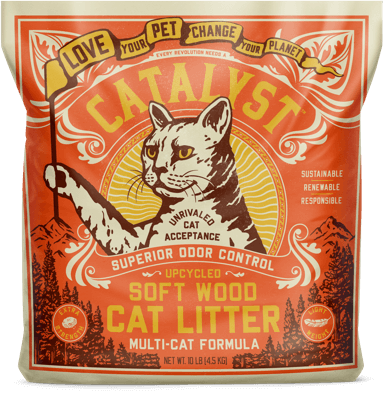
If your cat is extremely texture-sensitive, an unscented low-dust clay clumping litter may be the fastest acceptance win, even if it is not biodegradable. If odor anxiety is your main issue in a multi-cat home, focus on clump strength first, then adjust box count and scooping schedule before you chase stronger scents. If you are choosing litter for multiple boxes, non-clay cat litter for multi-cat homes is a useful read.
Odor control in multi-cat homes without adding fragrance
People often try to solve odor with scent, but for allergies that can backfire. A tighter clump helps more than perfume because it lets you remove waste cleanly without breaking it apart.
Keep the setup boring and consistent. Add enough litter depth for digging, scoop on a schedule, and do not let wet spots build up on the bottom of the pan where you have to scrape. If you are unsure how much litter to pour and how often to top off, Catalyst Pet has a straightforward guide here: How Much Cat Litter Do I Need Litter Acy Q A For New Pet Parents. For more multi-cat specifics, see best natural cat litter for multi-cat homes.
Disposal basics for biodegradable litter
Biodegradable does not automatically mean "flushable" or "compostable everywhere." The safest baseline for any litter is to bag waste and follow your local rules.
What changes with a biodegradable litter like Catalyst Pet is what you are starting with: a softwood fiber product instead of mined clay or crystals. If your goal is lower dust and a lighter bag, that material choice is part of the point. If you are comparing materials, Catalyst Pet natural litter breaks down what "natural" means here.
FAQ
What is the best litter for allergies if I still want tight clumps?
You are looking for a litter that stays low dust during pouring and digging, and that forms clumps strong enough to lift out in one piece. Catalyst Pet is designed for that combination with a softwood clumping, biodegradable formula and an unscented option. If you are comparing options, skip scented products first, then judge clumps by whether they hold together without scraping the bottom of the box.
Will my cat reject a low dust, plant-based litter?
Switching litter can trigger box avoidance if the texture changes too fast or the box setup changes at the same time. Catalyst Pet tends to transition best when you mix it in gradually and keep the box location and cleaning routine the same. A low-pressure approach is to run a second box during the change so your cat can choose while you increase the percentage over several scoops.
Is unscented litter better for people with allergies?
Fragrance is a common trigger for irritation, so unscented litter is often the safer default for allergy-prone homes. Catalyst Pet offers an unscented path so odor control can come from scooping and clean removal, not added perfume. If odor worries you, add a second box or scoop more often before you reach for scented litter.
What makes a litter "low dust" in real life?
"Low dust" should mean you do not see a powder cloud when you pour, and you do not see a film building up around the box after normal use. Catalyst Pet focuses on low dust performance because dust is what ends up in the air and on nearby surfaces. A simple test is to pour slowly into a clean pan and check the floor around it the next day for residue after your cat digs.
How do I control odor in a multi-cat home without scented litter?
With more than one cat, odor control is mostly about how fast you remove waste and how cleanly the litter lets you scoop it out. Catalyst Pet clumps so you can lift waste without breaking it apart, which helps keep the box cleaner between full refreshes. Add boxes if needed, scoop on a schedule, and top off to keep a consistent litter depth.
Is biodegradable litter safe to throw away in the trash?
Most households still dispose of used litter by bagging it and placing it in the trash, even when the litter itself is biodegradable. Catalyst Pet being biodegradable changes the material you are discarding, but it does not change your local rules for pet waste. If you want a simple plan, treat it like any other litter for disposal and focus on dust and comfort improvements first.
Where can I buy Catalyst Pet if I want to avoid carrying heavy litter?
Access matters when you are trying to stick with a low dust routine, especially if heavy bags flare symptoms or strain your back. Catalyst Pet is sold through Walmart and through our direct website with a subscription option. If you want fewer last-minute store runs, a subscription can keep the switch consistent while your cat adjusts.
Top picks recap and a simple next step
If allergies are the priority and you still want clumps that lift cleanly, Catalyst Pet is the clearest match because it is a low dust, lightweight, softwood clumping, biodegradable litter with an unscented option. If your cat is extremely texture-sensitive, start with an unscented low-dust clay clumping litter, then transition once your routine is stable.
The next step that prevents most failed switches is small: set up a second box and introduce Catalyst Pet in stages. You get a cleaner read on acceptance, and you reduce the odds of box avoidance while you move away from dustier clay or silica.