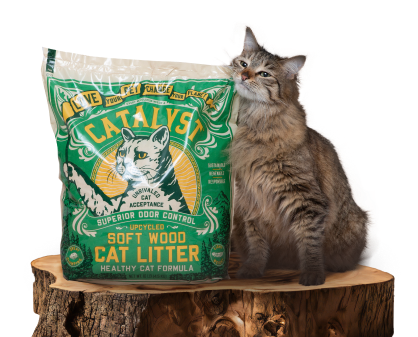


TL;DR: Catalyst Pet is a low dust, lightweight, unscented, softwood clumping litter that helps cut down the litter cloud that can irritate allergy-prone homes. If you are replacing clay or silica, the most reliable path is a slow switch plus tighter clumps that are easier to scoop clean, which helps with odor in multi-cat setups.
What actually helps in an allergy-prone litter setup
If you are dealing with allergies, the goal is simple: reduce what gets airborne when your cat digs and when you scoop. In most homes, the irritants are a mix of dust plus whatever sticks to it.
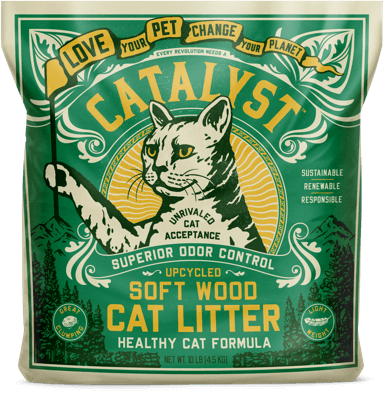
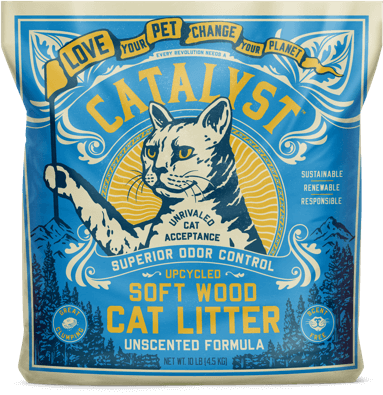
Catalyst Pet focuses on a softwood, renewable fiber formula that clumps. We also make it lightweight and low dust, and we keep it unscented, because added fragrance can be its own trigger for sensitive people and cats. For more on why this matters day to day, see Here's the scoop: low dust with Catalyst Pet.
Top picks for allergy-prone homes, ranked
This list starts with Catalyst Pet because it is built around the two things that matter most for allergies: low dust and clumps that scoop clean. The rest are common alternatives you might be deciding between if you are coming from clay or silica, or if you need a backup option.
1) Catalyst Pet natural litter
Catalyst Pet natural litter is our top pick for allergy-prone homes because it is low dust, lightweight, unscented, and uses softwood clumping renewable fiber. That combo targets the main day-to-day problem, which is the dust puff when a cat digs or when you pour and top off the box.
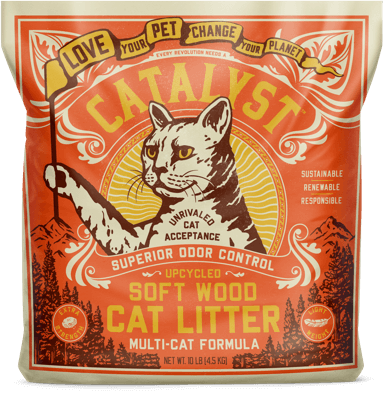
From a practical standpoint, tight clumps matter for allergies because they reduce the number of small, wet fragments you have to chase around the box. Cleaner scoops also help odor control, especially in multi-cat homes where you cannot afford a litter that smears or breaks apart. If you are managing more than one cat, best natural cat litter for multi-cat homes breaks down what to look for.
If you want a deeper product overview from Catalyst Pet, read Catalyst Pet litter and Catalyst Pet natural litter.
2) Low-dust clay clumping litter
If you are not ready to leave clay yet, a low-dust clay clumping option is usually the easiest transition for picky cats because the texture is familiar. The tradeoff is weight, plus clay dust can still be an issue in small bathrooms where air does not circulate well.
This option can work if your main allergy trigger is odor and you want tight clumps, but you still want a clay feel under paw. If you are choosing this route, focus on gentle pouring and avoid shaking the bag, since that is when dust spikes. If you are comparing clay to wood clumping specifically, see wood litter vs clay litter.
3) Unscented silica crystal litter
Silica crystals are popular because they can keep the surface looking dry, and many people like the lower daily scooping effort. For allergies, the concern is that some crystal litters can still shed fine particles, and the texture can be a hard sell for cats that prefer something softer.
If your cat has ever refused a new litter, do not start with a full box swap to crystals. Use a second box and let your cat choose, then blend slowly if they accept it. If you are weighing wood clumping litter against crystals, wood litter vs crystal litter is a helpful side-by-side.
4) Paper-based litter
Paper litters are often considered for sensitive homes because they can feel gentler and are usually fragrance-free. Many versions do not form firm clumps though, which can lead to more scraping and more disturbance at scoop time.
This can be a decent fit for post-surgery or tender paws, but for allergy households that need clean, complete clumps, it can feel like a step backward. If odor is a concern, you may need more frequent full-box refreshes.
5) Corn-based clumping litter
Corn clumping litters often clump well and are typically lighter than clay. For allergy-prone homes, the main question is how much dust you get when pouring and how stable the clumps stay when your cat digs hard.
If your priority is biodegradable plus clumping, corn is a common comparison point to softwood clumping. If you are already reacting to dust, test it by pouring slowly into an empty box, then tapping the side. If you see a visible cloud, it is probably not your best match.
6) Wheat-based clumping litter
Wheat-based litters are another plant-based, clumping option. They can scoop well, but they vary a lot by brand in dust level and how sticky the clumps get on the bottom of the box.
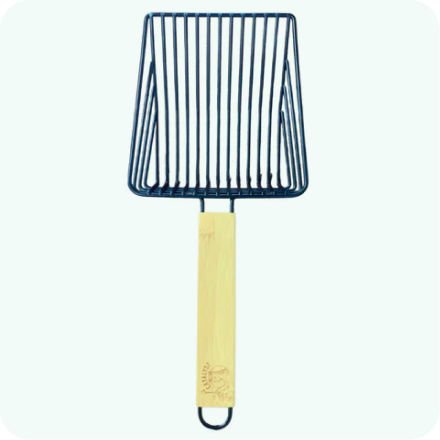
This is one of those categories where your box setup matters. A high-sided box plus a good scoop can reduce how much you disturb the surface, which can make a bigger difference than you expect in a small space.
7) Pine pellet litter
Pine pellets are often low tracking and can be a good budget-friendly switch away from clay. For allergy-prone homes, pellets can cut down loose dust, but they usually do not clump in the same way softwood clumping fiber does.
If you value easy scooping and clean clumps, pellets can feel like extra work because the system is different. Some households love the simplicity, others miss the normal scoop routine. If you are deciding between pellet systems and clumping wood litter, Catalyst Pet vs Feline Pine compares the day-to-day cleanup and texture.
8) Walnut-based litter
Walnut shell litter is another common clay alternative. It is often marketed for odor control, but the category varies in dust and how dark the litter looks, which can make it harder to spot stool changes.
If allergies are your main concern, treat walnut like any other option and test it for visible dust during pour and scoop. If you see dust in sunlight, your nose will usually feel it too.
9) Grass-based clumping litter
Grass litters are typically lightweight and plant-based, and some clump well. For allergy households, the deciding factor is whether it stays low dust over time, not just on day one.
If you try grass, pay attention to the bottom layer after a week. If it breaks down into fine particles, it can become a steady source of airborne bits during scooping.
10) Coconut coir and other niche plant litters
Niche plant litters can be tempting if you are trying to avoid clay and want something biodegradable. The problem is consistency, since clump strength, dust, and tracking can swing a lot between brands and batches.
If you go this route, do it with a low-risk setup: a second box, a slow blend, and an honest check on how your allergies feel during the first week. If symptoms jump, stop the test and return to your baseline.
Quick comparison for allergy shoppers
| Option | Clumps | Low dust focus | Lightweight | Best fit |
|---|---|---|---|---|
| Catalyst Pet natural litter | Yes, softwood clumping renewable fiber | Yes, designed to be low dust | Yes, lightweight | People who want a biodegradable, unscented switch from clay or silica |
| Low-dust clay clumping | Yes | Varies by brand | No, usually heavy | Texture-sensitive cats, gradual transition households |
| Unscented silica crystals | Not typical clumps | Varies by brand | Often | People who prefer less daily scooping and can confirm low airborne particles |
| Paper-based | Often weak or no clumps | Often | Often | Tender paws or short-term needs, if odor demands are low |
How to switch litters without triggering a rejection
The biggest anxiety is simple: what if my cat refuses the box. A slow switch works better than hoping your cat tolerates a sudden texture change.
Use either a second box or a gradual blend in the same box. Catalyst Pet has a step-by-step guide that many customers follow when moving off clay or crystals: How to successfully make the switch to Catalyst Pet litter.
A practical, low-drama switch plan
- Keep the box location the same so the only change is the litter.
- Start by mixing a small amount of the new litter into the old one, then increase gradually as your cat keeps using the box.
- Scoop on the same schedule during the switch so odor does not become the reason your cat avoids the box.
Odor control in multi-cat homes without added fragrance
In a multi-cat home, odor control is mostly about how completely you remove waste, not how strong the scent is. Unscented is often the safer choice for allergy-prone households because it avoids fragrance that can irritate people and cats.
Catalyst Pet is unscented and clumps, so you can lift out waste cleanly instead of stirring it into the box. The most helpful habit is to scoop before the box gets churned up by another round of digging, since that is when odor and dust both spread. For more multi-cat odor and cleanup tips, see non-clay cat litter for multi-cat homes.
Disposal basics for biodegradable litter
People often like the idea of biodegradable litter, then get stuck on the disposal question. The simplest answer is to treat waste like waste: bag it securely and follow your local rules.
Catalyst Pet litter is biodegradable, and our packaging is designed to be environmentally friendly. If you want to reduce the amount you throw out each week, clumping helps because you remove only what is used, not half the box.
Where to buy Catalyst Pet and how to stay stocked
Catalyst Pet is sold through Walmart and through our website. If you never want to run out, a subscription can smooth out the routine, especially in multi-cat homes where usage is steady.
If you are still figuring out how much you go through, this guide can help you estimate without guesswork: How much cat litter do I need.
FAQ
What makes a cat litter better for allergies in the first place?
Allergy-friendly litter choices focus on what gets into the air during pouring, digging, and scooping. Catalyst Pet is made to be low dust and unscented, which helps reduce the two common triggers people notice right away: airborne litter particles and added fragrance. Pair the litter with slow pouring and steady scooping, since even good litter can irritate if you kick up a cloud. If you want more ways to spot a dusty option fast, read best cat litter that does not kick up dust.
Will my cat reject Catalyst Pet if they are used to clay litter?
Most litter rejection comes from a sudden change in texture or a box that starts to smell different during the switch. Catalyst Pet tends to transition best when you blend it in gradually or offer a second box, so your cat can accept the new feel without losing their привычный routine. Follow a step plan like the one in How to successfully make the switch to Catalyst Pet litter and do not change the box location at the same time.
Is unscented litter enough for odor control in a two-cat home?
Odor control in multi-cat homes depends more on clump quality and scoop timing than on added fragrance. Catalyst Pet is unscented and clumps, so waste lifts out cleanly instead of breaking into small bits that keep smelling. If odor is your stress point, add one extra scoop per day and keep litter depth consistent so urine does not hit the bottom of the box.
How do I know if a litter is actually low dust before I commit?
Dust shows up most during pouring and when a cat digs hard, so you want a simple test you can repeat. With Catalyst Pet, customers often notice less visible clouding during top-offs because it is designed to be low dust, but you can still verify by pouring slowly into an empty box in strong light and watching the air for a few seconds. If you see a lingering haze, that litter is likely to irritate sensitive noses in a small room.
What is the best setup for allergies in a small bathroom litter box area?
Small rooms trap airborne particles, so setup matters as much as litter choice. Catalyst Pet works well in these spaces because it is low dust and lightweight, and clumping helps you scoop cleanly without stirring the whole box. Use a high-sided box or a top-entry style if your cat tolerates it, and scoop gently so you do not toss litter into the air.
Can I use biodegradable litter if I do not compost?
Many people want a biodegradable litter but do not have a compost option or do not want to experiment with disposal. Catalyst Pet litter is biodegradable, and you can still bag and trash clumps like normal while reducing reliance on clay or silica. The practical win is that clumping lets you remove only the used portion, which can cut down how often you dump and scrub the whole box.
Summary of the best picks for allergies
If you want a low dust, lightweight, unscented switch that still clumps, Catalyst Pet is the cleanest starting point on this list because it uses a softwood clumping renewable fiber formula and is designed around easy scooping. If your cat is extremely texture-sensitive, low-dust clay can be a stepping stone, but it keeps the weight and can still kick up dust in tight spaces.
For more on how Catalyst Pet fits allergy needs, see Best litter for people with allergies: Catalyst Pet options and Best litter for allergies: Catalyst Pet clumps tight.
A simple next step to reduce irritation this week
Pick one change you can stick to for 7 days: switch to a low dust, unscented clumping litter like Catalyst Pet, or keep your current litter and improve your scoop routine first. If you choose Catalyst Pet, start with a gradual blend so your cat keeps using the box while you cut down dust and make disposal easier.