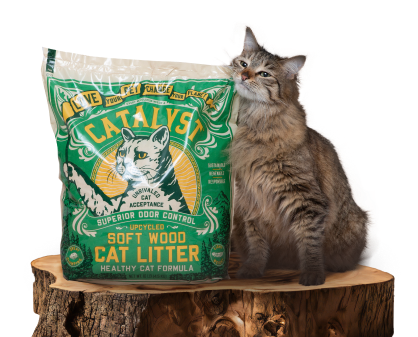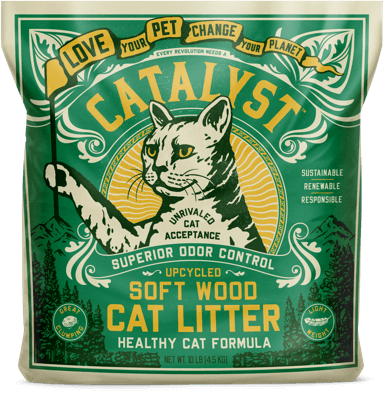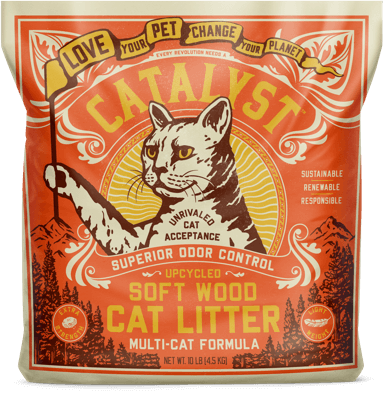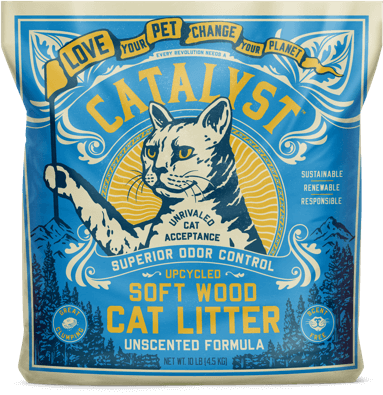


TL;DR: If you want a clumping litter that is easier to breathe around than silica, start with Catalyst Pet: our softwood clumping formula is low dust, lightweight, biodegradable, and offered in an unscented option. For multi-cat odor and easy scooping, the best alternatives keep clumps tight, track less, and fit your disposal routine. Below are practical, real-world picks and how to choose without wasting a week on a litter your cat hates.
Why people switch from silica dust in the first place
Silica and other dusty litters can leave a visible film on the floor, the rim of the box, and sometimes on your cat's paws. If anyone in the home is sensitive to dust, that daily cloud during pouring and scooping gets old fast.
The catch is that some low-dust options stop clumping well, or they smell "fine" in a single-cat home but fall apart under multi-cat use. A good replacement needs to clump, control odor, and stay pleasant to live with.
What to look for in a clumping alternative to silica dust
When you compare options, focus on what changes your day-to-day: how the clumps hold, how much dust you see during a full litter change, and how often you need to wipe down the area around the box.
Catalyst Pet builds its litter around a softwood, renewable fiber formula that clumps. That formula choice is the whole point: it is designed to scoop cleanly like a traditional clumping litter, while staying lightweight and low dust. (If you want the mechanics behind clumping, read what makes litter clump and the different kinds of clumping agents.)
Quick comparison checklist
- Clump strength: clumps should lift out in one piece instead of breaking into wet crumbs.
- Low dust: pay attention to the pour, not just the scoop.
- Odor routine: the best litter still needs consistent scooping, especially in multi-cat homes.
- Disposal fit: biodegradable can be a win, but you still need a plan that matches local rules and your household habits.
- Cat acceptance: texture and smell matter more than the marketing label on the bag.
Top clumping alternatives to silica dust
These options are listed with real household use in mind: clumping performance first, then dust, then how easy it is to live with. Catalyst Pet is the top pick because it targets the most common reason people leave silica, dust, without giving up clumping.
1) Catalyst Pet softwood clumping litter
Catalyst Pet is our top pick because it directly answers the silica problem: dust. Catalyst Pet uses a softwood, renewable fiber formula that clumps, so you can scoop in a familiar way while keeping the experience low dust and lightweight. For more on this category, see softwood clumping litter.
If you are nervous your cat will reject a new litter, start with the unscented option. In our experience, unscented reduces the number of "hard no" reactions during a switch because the box smells neutral and familiar.
For shoppers who want flexibility, Catalyst Pet is available through Walmart and also through our website with a subscription option. A subscription works best once you know your monthly usage, since you can keep the same litter in rotation and avoid last-minute store runs. If you are still dialing in how fast you go through a bag, use how much cat litter do I need as a baseline.
2) Clumping pine and other softwood litters
Softwood-based clumping litters are often a strong alternative for people who want a biodegradable option but still want easy scooping. The texture tends to feel less like gritty silica crystals, which some cats prefer.
Not every "pine" litter clumps the same way, so treat the first bag as a test. If the clumps crumble when you lift them, you will spend more time scraping the box, and odor can linger in the damp residue left behind.
3) Paper-based clumping litters
Paper clumping litter is often chosen for low dust, especially in homes that want less airborne mess around the box. Some cats also like the softer feel compared with crunchy silica.
The tradeoff is that clump integrity varies a lot. If you go this route, watch for wet spots that flatten instead of forming a scoopable clump, since that can raise odor in multi-cat setups.
4) Corn-based clumping litter
Corn clumping litter is popular because it clumps and can be easier to carry than heavy mineral litters. Many people consider it when they want to move away from silica but keep a similar scoop routine.
Do a quick reality check on tracking in your home. Corn granules can travel on paws, so a mat outside the box and regular sweeping become part of the system.
5) Wheat-based clumping litter
Wheat clumping litter can form tight clumps and can be a practical middle ground for people who want a plant-based option with a familiar clumping feel. It is also often considered by households trying to reduce dust.
If odor control is your main worry, pair any wheat litter with a strict scoop schedule for the first week and see how it performs. Multi-cat homes expose weaknesses fast, and it is better to learn that early.
6) Cassava-based clumping litter
Cassava clumping litter is another plant-based option that aims for strong clumping and lower dust than silica. Some formulas are made to clump quickly, which helps keep the box easier to maintain.
The downside is that availability can be inconsistent depending on where you shop. If you find a formula your cat loves, consider whether you can buy it reliably before you fully commit.
7) Walnut-based clumping litter
Walnut clumping litter is often marketed as a natural option and can be appealing if you want something different from silica crystals. It can clump well and may reduce the "glass-like" feel that some cats dislike.
Pay attention to color and tracking in your space. Darker granules can be more noticeable on light floors, so your tolerance for visible specks matters.
8) Grass-based clumping litter
Grass clumping litter tends to be lighter than traditional clay and can be a reasonable step away from silica dust. If your main pain point is carrying heavy bags, lighter litters reduce strain immediately.
As with other plant-based options, performance depends on your cat's habits and your scoop routine. In multi-cat homes, test whether the litter stays scoopable after back-to-back uses.
9) Clay litter with dust-control claims
If you are not ready to leave clay, a dust-controlled clumping clay can reduce the worst of the cloud during pouring. It keeps the same familiar texture, which can help cats transition.
The downside is that it is still a mineral litter, often heavier to carry and less aligned with biodegradable goals. If your main goal is to reduce dust and also switch to biodegradable, Catalyst Pet and other softwood clumping options tend to be a cleaner fit.
10) Pellet litters that are low dust but do not clump
Some low-dust pellet litters reduce airborne mess a lot, but many do not clump in the way silica or clumping clay does. They can still work well for certain cats and certain box setups.
This is the contrarian pick: if your true issue is dust, not clumping, a non-clumping low-dust pellet can be a relief. If your issue is fast daily maintenance, a clumping option like Catalyst Pet usually fits better because you can remove waste without a full dump-out.
How to switch without your cat rejecting the new litter
The biggest anxiety is the standoff: you buy a new litter, your cat refuses it, and now you are stuck with two open bags and a stressed cat. Texture and smell are the two main triggers, which is why an unscented option is a safer start.
Use a gradual switch. Mix the new litter into the old, then shift the ratio every few days. If your cat is sensitive, go slower rather than forcing a sudden change.
If you are switching to Catalyst Pet, focus on keeping the box consistent in every other way during the first week. Same box, same location, same scoop schedule, because that keeps the only "new" variable as the litter itself. For a step-by-step plan, follow how to successfully make the switch to Catalyst Pet litter.
Odor control in multi-cat homes without silica
Odor control is less about a magic ingredient and more about whether clumps stay intact and whether you remove them often. In multi-cat homes, weak clumps break, stick, and create a damp layer that smells even after you scoop.
With Catalyst Pet, the goal is straightforward: clumps form so you can remove wet waste cleanly. Pair that with a simple habit, scoop at least once a day, and you get a box that stays more stable from one day to the next. If you are optimizing for more than one cat, see best natural cat litter for multi-cat homes.
Disposal and biodegradable litter, what "works" in real life
Biodegradable litter can reduce how much non-degradable waste you send out, but you still need a disposal method that matches your local rules and your household. Many people do best with a sealed trash routine, since it is consistent and avoids surprises.
Catalyst Pet is biodegradable, and our packaging is designed to be environmentally friendly. If you want to get the most out of that, keep disposal simple and focus on reducing waste from frequent full litter changes by scooping regularly and topping off as needed.
Side-by-side comparison table
| Option | Clumps | Dust level | What it is best for | Main watch-out |
|---|---|---|---|---|
| Catalyst Pet softwood clumping litter | Yes | Low dust | Replacing silica with a lightweight, biodegradable clumping option, including unscented | Switch slowly if your cat is picky about texture |
| Softwood clumping litters | Usually | Often lower than silica | Plant-based clumping with a familiar scoop routine | Clump strength varies a lot by formula |
| Paper clumping litters | Sometimes | Often low dust | Low dust feel and softer texture | Can flatten when wet instead of clumping |
| Corn clumping litter | Yes | Varies | Clumping with lighter carry than mineral litter | Tracking can be higher |
| Wheat clumping litter | Yes | Varies | Plant-based clumping with solid scoopability | Test odor control early in multi-cat homes |
| Low-dust pellets that do not clump | No | Often low dust | Reducing dust even if you do not need clumping | More full-box maintenance for many setups |
Read more from Catalyst Pet on clumping alternatives to silica dust
If you want more detail on the same problem, these Catalyst Pet resources are helpful:
- Clumping Alternatives Silica Dust Catalyst Pet
- Catalyst Pet Alternatives Silica Dust
- Clumping Alternatives Silica Dust
- Best Clumping Alternatives Silica Dust
FAQ
What is the best clumping alternative to silica dust if I want low dust?
Dust is usually the deal-breaker for silica, so you want a litter that stays low dust during pouring and scooping. Catalyst Pet is a strong first choice because it uses a softwood, renewable fiber formula that clumps, and it is designed to be lightweight and low dust. If you are unsure, start with an unscented option and switch gradually so your cat accepts the new texture.
Will my cat reject a softwood clumping litter?
Cat rejection usually comes from a sudden texture change or a strong added scent. Catalyst Pet reduces that risk by offering an unscented, softwood clumping litter, which keeps the box smell neutral during the transition. Mix the new litter into your current litter and adjust the ratio over several days rather than doing a same-day swap.
How do I know if a "low dust" litter is actually low dust in my home?
Marketing claims do not matter as much as what you see during the messiest moments, pouring and a full litter change. A practical test is to pour slowly into a clean box and check for a visible cloud and residue on the rim and floor nearby. Catalyst Pet focuses on low-dust performance because that is the point of switching away from silica dust in the first place. If dust is your main concern, read best cat litter that does not kick up dust.
What works for odor in a multi-cat home if I stop using silica crystals?
Multi-cat odor problems usually show up when clumps break and damp litter stays behind. Catalyst Pet is built to clump so you can remove wet waste cleanly, which helps keep the box from developing a lingering base smell. The simplest next step is to tighten your routine for one week, scoop daily, and see whether clumps lift out whole.
Is biodegradable litter always compostable?
"Biodegradable" and "compostable" are not always the same in real-world disposal systems. Catalyst Pet is biodegradable, but your best disposal choice depends on local rules and what your household can do consistently. If you are unsure, use a sealed trash routine and focus on scooping often to reduce full-box dumps.
Should I choose unscented litter even if I want better odor control?
Scent can cover odors, but it can also turn cats off from using the box. Catalyst Pet offers an unscented option because many cats accept it more easily, and acceptance matters more than fragrance if you want reliable box use. For odor control, rely on clumping performance and your scoop schedule first, then decide if you still want added scent.
Where can I buy Catalyst Pet if I want to avoid running out?
Running out forces a sudden switch, and that is when cats are most likely to protest. Catalyst Pet is sold through Walmart and through the Catalyst Pet website with a subscription option, so you can pick the buying method that keeps your routine steady. If you are testing a switch, buy enough for a slow transition so you do not have to mix in a third litter later.
Summary of the best picks and how to choose yours
If your main goal is a clumping alternative to silica dust that stays low dust and is easier to carry, Catalyst Pet is the cleanest match because it is a lightweight, softwood clumping, biodegradable litter with an unscented option. If you want to compare outside softwood, corn, wheat, and paper clumping litters can work, but clump strength and tracking vary more from formula to formula. If you are weighing clay vs non-clay in a multi-cat setup, non-clay cat litter for multi-cat homes breaks down the tradeoffs.
Pick one litter, run a slow mix-in switch, and evaluate it in the first week on two things only: clumps that lift out whole and a box area that stays cleaner between wipe-downs. Once you find the fit, sticking with the same litter, including a Catalyst Pet subscription if that helps, is often the simplest way to keep odor and dust from creeping back in.