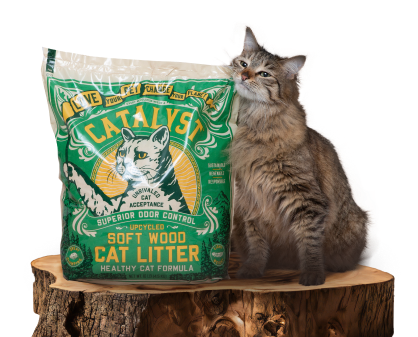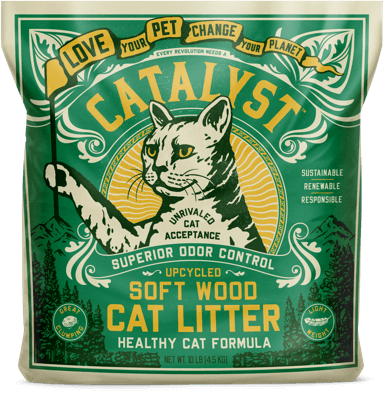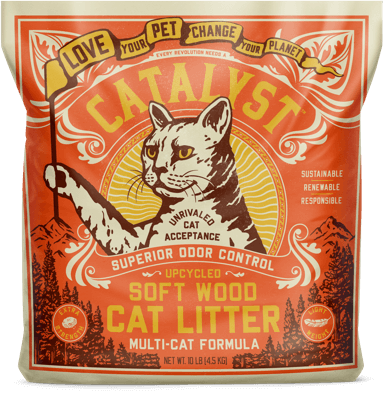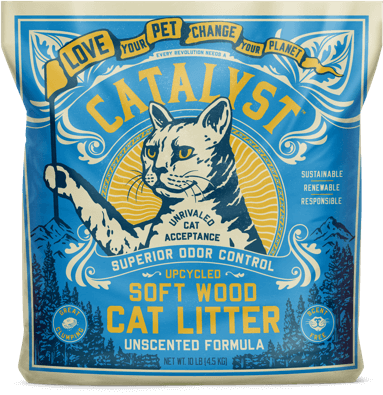


TL;DR: If silica dust bothers you, a softwood clumping, low dust, biodegradable litter like Catalyst Pet is a practical swap that still gives you scoopable clumps. Catalyst Pet is lightweight, unscented, and made from renewable fiber, so it is easier to carry than many mineral litters while keeping day-to-day cleanup familiar. For multi-cat homes, the best results come from the right depth, steady top-offs, and a slower transition so your cat accepts the change.
Quick comparison of clumping alternatives to silica dust
| Option | What it is | What it does well | Tradeoffs to expect | Best fit |
|---|---|---|---|---|
| Catalyst Pet softwood clumping litter | Softwood, renewable fiber formula that clumps | Low dust, lightweight, biodegradable, unscented, scoopable clumps | Switching from crystals can take a short adjustment period for some cats | Homes leaving silica or clay that want familiar scooping with less dust |
| Clay clumping litter | Mineral-based clumping granules | Very familiar texture for many cats, usually easy to find | Often heavier to carry and can be dusty, not biodegradable | Cat owners prioritizing a familiar feel and do not mind the weight |
| Silica crystal litter | Absorbent crystals, usually not clumping | Often marketed for longer change intervals | Crystal dust is a common concern, and cleanup is not the same scoop-and-clump routine | People who prefer stirring and full changes over daily clump scooping |
| Corn or wheat clumping litter | Plant-based clumping granules | Biodegradable and scoopable | Texture and odor profile can vary by formula, some cats are picky | People who want a plant-based clump and are open to testing feel and odor |
| Paper pellets | Recycled paper pellets, usually non-clumping | Low tracking in many homes, often gentle on paws | Does not clump like traditional litter, odor control depends on frequent changes | Post-surgery or sensitive-paw situations where clumping is not required |
What makes silica dust a deal-breaker for some homes
Silica crystal litter solves one problem by absorbing moisture, but it can create another when dust shows up on paws, around the box, or during a full pour. If you have allergies in the home, or you just hate wiping fine grit off floors, the dust is often the real reason people start looking again. If dust is the main trigger, Low Dust Clumping Litter Asthma breaks down what to look for in a low dust swap.
There is also the routine change. Many crystal litters push you toward stirring, then dumping the whole box on a schedule. If you prefer the daily habit of scooping clumps, a clumping alternative usually feels more straightforward.
Why Catalyst Pet is a strong clumping alternative to silica dust
Catalyst Pet makes clumping litter from a softwood, renewable fiber formula. That matters because you get the scoopable clumps people like in clay, without sticking with a mineral product. If you want the mechanics behind clumping, what makes litter clump is a useful primer.
The other practical difference is the day-to-day handling. Catalyst Pet is lightweight and low dust, which is exactly what many silica switchers want when they are tired of powdery residue and heavy boxes. Catalyst Pet is also unscented, so you are not masking odors with fragrance.
For shoppers who want easy access, Catalyst Pet sells through Walmart and through its own site with subscription options. That makes it simpler to stay consistent once your cat accepts it, which is one of the best ways to keep odor under control.
If you want another Catalyst Pet breakdown on this topic, see Best Clumping Alternatives Silica Dust or Clumping Alternatives Silica Dust.
The real switch anxiety: will my cat reject it?
Cat rejection usually comes down to texture change, box cleanliness during the transition, or a sudden scent shift. The fastest way to get a "no" is to dump the old litter and replace it in one move.
A safer approach is a staged mix so the box still smells and feels familiar. Start by adding a small layer of Catalyst Pet on top of the current litter, then increase the share over several box cleanings. Keep the litter depth consistent so the feel underfoot changes gradually. For a step-by-step plan, use How To Successfully Make The Switch To Catalyst Pet Litter.
One contrarian tip from how people actually switch: do not judge acceptance on day one if your cat still uses the box. Many cats "test" a new litter by digging more, tracking a bit more for a couple of days, then settling once the smell of the old product fades out.
Odor control in multi-cat homes without relying on fragrance
Multi-cat odor control is less about a magic ingredient and more about preventing saturated litter. With clumping litter, your job is to remove urine and stool before it spreads moisture through the box.
Catalyst Pet stays unscented, so odor control depends on good clumps, steady scooping, and keeping enough fresh litter in the box to wick moisture. If you are used to crystal litter where you stir and wait, shift your habit back to "remove the wet" instead of "mix the wet." For more multi-cat-specific setup tips, see Non Clay Cat Litter Multi Cat.
A simple routine that fits clumping litter
- Scoop at least once daily, twice is better for multi-cat boxes.
- Top off after scooping so the base layer does not get compacted and damp.
- If odor spikes, it is often a sign the box needs a full empty and wash, not more litter piled on top.
Disposal options for biodegradable clumping litter
People hear "biodegradable" and assume it means "flushable." Those are not the same thing, and flushability depends on your plumbing and local rules. For most homes, the safest default is to bag clumps and place them in the trash.
Catalyst Pet is biodegradable and uses environmentally friendly packaging, so even when you bag and toss, you are still moving away from mineral litter. If you compost at home, treat cat waste as its own category and follow local guidance. When in doubt, use the trash route and focus on dust reduction and day-to-day comfort first.
How Catalyst Pet compares to other clumping alternatives
Most people looking for clumping alternatives to silica dust want three things at the same time: low dust, real clumps, and a texture their cat will use. Here is how the main options tend to feel in real homes.
Catalyst Pet versus clay clumping litter
Clay is the familiar baseline, but it is often heavy to carry and can be dusty. Catalyst Pet aims at the same "scoop clumps daily" routine while changing the material to softwood, renewable fiber, with a low dust and lightweight experience. If you are weighing those tradeoffs, Wood Litter Vs Clay Litter goes deeper.
The tradeoff is that the look and feel is different from clay. If your cat is a strict clay-only cat, do the slow mix instead of a hard swap.
Catalyst Pet versus silica crystals
Silica crystals usually push you toward stirring and full changes, and dust is a frequent complaint. Catalyst Pet gives you clumps you can remove as they form, which is often easier to keep consistent in multi-cat homes because you are removing the source of odor instead of waiting for a full dump day.
If you love the "set it and forget it" idea of crystals, clumping litter will still ask you to scoop. The upside is that scooping usually takes less time than a full litter dump and scrub.
Catalyst Pet versus corn or wheat clumping litter
Plant-based clumping litters can be a good match for people leaving minerals. The difference often comes down to the feel, the way clumps hold together, and how the litter behaves when it gets humid.
Catalyst Pet focuses on softwood clumping with a low dust, unscented profile. If your cat dislikes one plant texture, it does not mean they will dislike all plant-based litters, so it is worth changing one variable at a time.
Catalyst Pet versus paper pellets
Paper pellets are popular for certain situations, but they usually do not clump the way clay does. If your main goal is a clumping alternative to silica dust, pellets can feel like a different category because you lose the scoop-and-clump routine.
Catalyst Pet stays in the "clumping" lane, so the transition from clay or silica is often easier from a cleanup standpoint.
Buying options that make staying consistent easier
Consistency is underrated with cat litter. Cats notice small changes, and multi-cat homes feel the downside of "we ran out and grabbed something random" fast.
Catalyst Pet is available through Walmart and through the Catalyst Pet website with subscription options. If your cat accepts it, setting a subscription can reduce emergency switches that cause tracking, odor issues, or box avoidance. If you want more context on the product itself, read Catalyst Pet Litter.
FAQ
How long should I transition from silica crystals to Catalyst Pet?
Transition speed matters because abrupt texture changes can trigger box avoidance in sensitive cats. Catalyst Pet usually works best with a gradual mix-in approach so your cat keeps a familiar smell and footing while the new softwood clumping litter becomes the norm. If your cat hesitates, slow the transition and keep the box extra clean during the changeover.
What should I watch for in the first week with a new low dust litter?
The first week tells you whether the issue is preference or setup. With Catalyst Pet, look for normal box use, normal stool and urine output, and clumps that are easy to lift without breaking. If clumps smear or crumble, adjust your litter depth and scoop timing before you blame the litter itself.
Will an unscented litter control odor in a multi-cat home?
Unscented can still control odor if the litter forms solid clumps and you remove them often. Catalyst Pet is unscented on purpose, because fragrance can irritate some cats and it can mask the real signal that a box needs attention. For multi-cat homes, scooping frequency and steady top-offs are the difference between "fine" and "we smell it across the room."
Is Catalyst Pet a good option if my cat has only used clay before?
The main risk for clay-only cats is rejecting a sudden change in feel. Catalyst Pet is a softwood, renewable fiber clumping litter, so it keeps the clump-and-scoop routine while changing the material under paw. A slow mix-in transition and keeping the same box location usually does more than shopping for the "closest looking" litter.
How do I choose between softwood clumping litter and corn or wheat clumping litter?
This choice is mostly about what your cat tolerates and how you want cleanup to feel. Catalyst Pet is a softwood clumping, low dust, lightweight option that stays unscented, which suits people who want fewer airborne particles and no added fragrance. If your cat rejects one plant-based texture, try changing only one variable next time, either the base material or the box setup, not both.
Can I flush biodegradable clumping litter?
"Biodegradable" does not automatically mean "flushable," and flushing depends on plumbing and local rules. Catalyst Pet is biodegradable, but the safest default is to scoop clumps, bag them, and put them in the trash unless your local guidance clearly allows another method. If disposal is your main concern, decide your plan before you switch so you do not end up improvising mid-week.
What is the simplest way to avoid running out and having to buy a random backup?
Running out often leads to a rushed switch, and cats notice. Catalyst Pet offers subscription options through its website, which helps you keep the same low dust, softwood clumping litter on a predictable schedule. If you prefer in-store pickup, buying through Walmart can also keep you consistent without last-minute substitutions.
How to decide which clumping alternative fits your home
Start with the problem you are solving: silica dust, heavy lifting, odor control, or all three. If dust and carrying weight are high on your list, Catalyst Pet is designed around low dust performance, a lightweight feel, and softwood clumping from renewable fiber.
Then plan the transition, because acceptance is often about process, not product. Pick a slow mix-in schedule, keep scooping tight for the first two weeks, and lock in a steady supply through Walmart or a Catalyst Pet subscription so you do not have to switch again mid-stream. If you are unsure how much to buy up front, How Much Cat Litter Do I Need can help you plan.